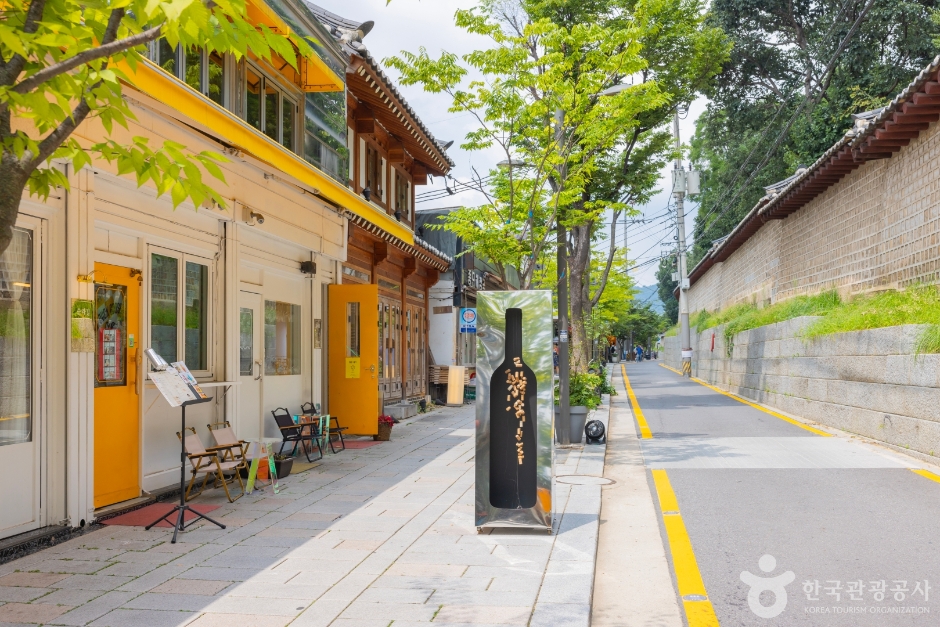
Calle Seosulla-gil (서순라길)
2.7Km 2025-05-21
Jong-ro 150-3, Jongno-gu, Seúl
La Calle Seosulla-gil era una calle de la ciudad capital que utilizaban los guardias nocturnos durante la dinastía Joseon. La calle se encuentra al oeste del Santuario de la Realeza Jongmyo y cerca hay varios sitios de interés turístico, como los barrios de Ikseon-dong, Insa-dong, Bukchon y Samcheong-dong, además de restaurantes, cafeterías y talleres de artesanías. La calle es especialmente bonita durante las estaciones de primavera y otoño, gracias a los diversos colores que adquiere la vegetación.

Jardín Botánico de Namsan (남산 야외식물원)
2.7Km 2022-12-16
Sowol-ro 323, Yongsan-gu, Seúl.
El Jardín Botánico de Namsan abrió sus puertas el 18 de febrero de 1997 en Hannam-dong, donde se encontraba la zona residencial para extranjeros demolida en 1994. Cubriendo un área de 59 m2, se divide en 13 jardines temáticos con un total de 117.132 plantas de 269 especies. Entre la diversidad, 60.912 plantas de 129 especies son árboles y 56.220 plantas de 140 especies son tipos de hierba. Los 13 jardines temáticos incluyen un jardín de hierba medicinal, albaricoques, flores silvestres, azaleas reales, arbustos, plantas comerciales y un jardín para ciegos.
Boan1942 (보안1942)
2.7Km 2023-12-21
Hyoja-ro 33, Jongno-gu, Seúl
Antes de convertirse en un espacio de arte en 2007, Tongui-dong Boan sirvió como lugar de descanso para los viajeros desde 1942 hasta 2005. Después de una breve pausa, el lugar se renovó como espacio cultural en 2017 para continuar con su legado histórico y brindar creatividad e inspiración bajo el concepto de "Boanstay".
Boan1942 se divide en un espacio cultural (que consta de una cafetería, un taller de proyectos, una librería y un área de exposiciones), y Boanstay (en los pisos 3 y 4, ofreciendo alojamiento temporal a los nómadas culturales). Ubicado en Seochon, el centro de la cultura, la historia y el tráfico de Seúl, Boanstay ofrece una espléndida vista de los patrimonios históricos y culturales de Seúl, como el palacio Gyeongbokgung, Cheong Wa Dae y la Aldea Tradicional Seochon.
* Cortesía de Boanstay.
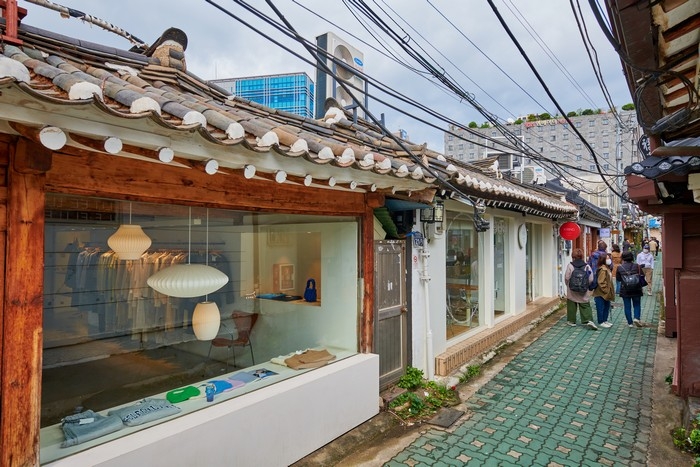
Calle de los Hanok de Ikseon-dong (익선동 한옥거리)
2.8Km 2025-05-26
Ikseon-dong, Jongno-gu, Seúl
La Calle de los Hanok de Ikseon-dong es la calle que conecta la salida 6 de la Estación de Jongno 3(sam)-ga con el hotel Ibis Ambassador Insadong. Esta calle, con edificios de estilo tradicional coreano hanok como ninguna otra en Seúl, se ha convertido en un sitio de visita obligada en los recorridos por la capital de Corea para visitantes nacionales e internacionales. Alberga muchos restaurantes, cafés y tiendas en edificios hanok renovados. En el pasado, este barrio estaba cerca de los palacios de la dinastía Joseon, por lo que era el hogar de dignatarios de alto rango, incluidos aristócratas prominentes. Debido a esto, hay muchas casas grandes con techos de tejas (giwajip), lo que le da a la calle un aspecto tradicional. Su designación como Distrito de Preservación Hanok en 2018 resultó en que muchas tiendas locales se mudaran al vecindario. Encontramos una maraña de callejones estrechos que en ocasiones pueden ser un desafío a la hora de circular, en especial cuando hay muchos visitantes, por lo que se recomienda prestar atención al recorrer los alrededores.
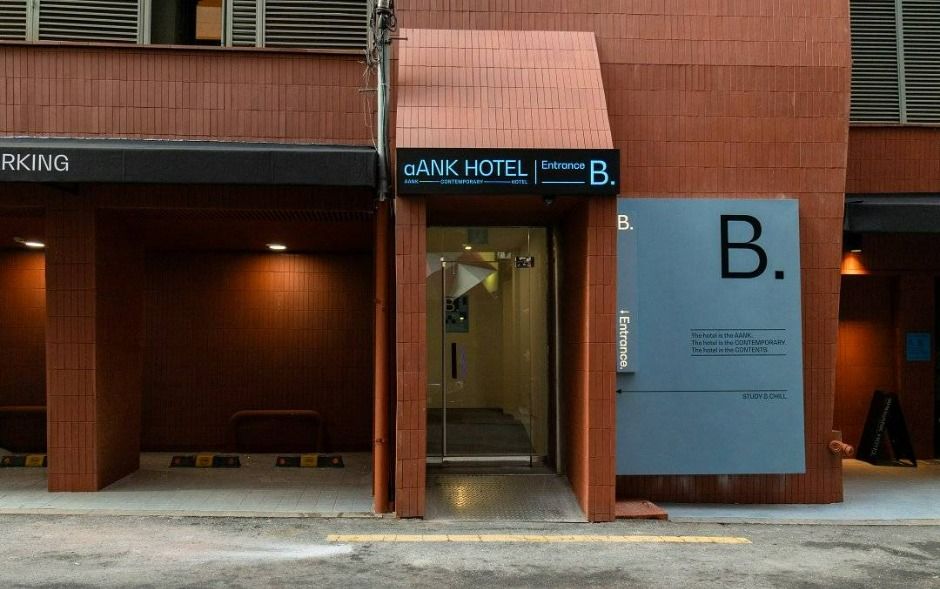
The Hyoosik Aank Hotel Sinchon (더휴식 아늑호텔 신촌점)
2.8Km 2025-04-11
49, Yonsei-ro 2-gil, Seodaemun-gu, Seoul
The Hyoosik Aank Hotel Sinchon welcomes guests with a neat and modern atmosphere. Each room is tailored to suit every guest's need with comfort as the main priority. The hotel's room types include a standard room, music room, multi-room equipped with Playstation 4, PC room, creative illust room equipped with a drawing tablet, creative piano room, and a business room. The hotel also has a parking lot, guest lounge, coin laundry, and a ping pong table.
Sala Conmemorativa Nacional del Gobierno Provisional de Corea (국립대한민국임시정부기념관)
2.8Km 2023-01-17
Tongil-ro 279-24, Seodaemun-gu, Seúl
La Sala Conmemorativa Nacional del Gobierno Provisional de Corea fue fundada con el propósito de replantear el espíritu de independencia y el sistema republicano del Gobierno Provisional de Corea como una historia honorífica y transmitirla a la próxima generación. La Sala Conmemorativa cuenta con un terreno de 3.656 ㎡, una superficie de construcción de 97.036 ㎡ y una superficie de exhibición de 2.240 ㎡, conformado por un edificio de 3 subsuelos y 4 pisos, donde se encuentran 3 salas de exposición permanente, 1 sala de exposición especial, Larchiveum, plaza simbólica, depósito, sala multipropósito, jardín terraza, etc. La exposición permanente muestra desde el Movimiento de Independencia del 1 de marzo, motivo del establecimiento del Gobierno Provisional de Corea, hasta las actividades de establecimiento del Gobierno de la República de Corea, que heredó el sistema legal del gobierno provisional. En la sala de exposición especial del primer piso está en curso la exposición con el tema "Volver al país, regreso del Gobierno Provisional de Corea". Además, en la plaza exterior se encuentra instalada una pieza simbólica con el tema de "La ola de la historia", que expresa el anhelo de independencia del gobierno provisional y la dinámica del pasado-presente-futuro de la República de Corea.
![Museo Nacional de Arte Moderno y Contemporáneo en Seúl [MMCA] (국립현대미술관 서울관)](http://tong.visitkorea.or.kr/cms/resource/03/2991503_image2_1.jpg)
Museo Nacional de Arte Moderno y Contemporáneo en Seúl [MMCA] (국립현대미술관 서울관)
2.8Km 2025-04-18
Samcheong-ro 30, Jongno-gu, Seúl
En 2013, el Museo Nacional de Arte Moderno y Contemporáneo [MMCA] abrió un nuevo edificio en Seúl, ubicado en el barrio de Sogyeok-dong, distrito de Jongno-gu. Este museo es especial porque introdujo el concepto de arquitectura tradicional coreana 'madang', que se trata de un espacioso patio que la gente puede visitar. Tiene distintas instalaciones, como un teatro, una galería, una sala multiuso, etc.
Wan Chai (완차이)
2.8Km 2026-01-05
50-7, Myeongmul-gil, Seodaemun-gu, Seoul
Wan Chai is a Chinese restaurant with a name meaning "spicy," and is a must-visit for those who love spicy food. Rather than the original spicy Chinese Sichuan cuisine, a small amount of Korean spices have been added to create even better tasting dishes. The most popular item on the menu is a large plate of reddened mussels known as the Extra Spicy Stir-fried Mussels. The dish is a mixture of spicy red peppers, garlic, and spicy sauce, stir-fried to perfection. Many customers also come in for the gul jjamppong (spicy noodle soup with oysters). Even the jajangmyeon (noodles in black bean sauce) tastes great here, with clean-tasting black soy bean sauce. Finally, for dessert, lychee is served, a unique treat to finish off a meal at Wan Chai.

Residencia Real Unhyeongung en Seúl (서울 운현궁)
2.8Km 2021-11-29
Samil-daero 464, Jongno-gu, Seúl
Es un patrimonio cultural, designado Sitio Histórico, ubicado en Unni-dong, Jongno-gu. Antigüamente no era un palacio como lo es el de Gyeongbokgung, sino que se trataba de la residencia de los miembros de la Familia Real, pero con el paso del tiempo se lo ha considerado como un palacio. La denominación en coreano del palacio Gyeongbokgung sería “Gunggwol”. El término “Gung” hace referencia al espacio de residencia, mientras que la palabra “Gwol” se refiere al espacio político. Esto significa que en Gyeongbokgung se llevaba a cabo la vida cotidiana y política de la Corte Real; pero en Unhyeongung residía la Familia Real de Heungseon Daewongun, regente y padre del rey Gojong. Cabe señalar que hacia finales de la época Joseon, en esta residencia real se han originado la mayoría de los sucesos históricos, políticas revolucionarias, política de aislamiento, etc., todo lo cual resalta su simbolismo histórico.
La construcción para ampliar el palacio Unhyeongung comenzó a un mes de que Gojong asumiera el trono, a petición de la madre del Rey. En un principio, se encontraba localizado en el área intermedia entre los palacios Changdeokgung y Gyeongbokgung, pero a medida que se fue extendiendo, con una cantidad de edificaciones anexas, ha abarcado la zona actual que corresponde a la Universidad femenina de Duksung, el antiguo edificio de la emisora TBC, el Centro Cultural Japonés, la Escuela primaria Gyodong y el edificio de la compañía Samwhan.
El edificio principal de Unhyeongung es la sala Noandang, construida en septiembre de 1864. Entre otras construcciones famosas se destacan Norakdang, Irodang, y las cuatro puertas de acceso al palacio, aunque en la actualidad ha quedado una sola puerta. Norakdang, siendo la edificación central del palacio, fue el escenario de los grandes festivos familiares, y Noandang fue el despacho de Daewongun, la construcción más significativa en la vida de este hombre, ya que fue el lugar en donde pasó los momentos más importantes de su vida y donde falleció. Presenta un estilo arquitectónico tradicional coreano, con tejado, cuyos extremos estaban decorados elegantemente. Irodang, situado al lado Norakdang, tiene la forma de un cuadrado, y en su interior se encuentra un hermoso jardín. Este lugar ha recibido la atención y el cuidado solo durante el período de regencia de Heungseon Daewongun, ya que luego de su muerte, fue difícil el mantenimiento. La residencia ha tomado la apariencia actual a partir de noviembre de 1993, que es cuando el gobierno de Seúl tomó posesión del establecimiento, y por lo cual, ejecutó las obras de remodelación y restauración.
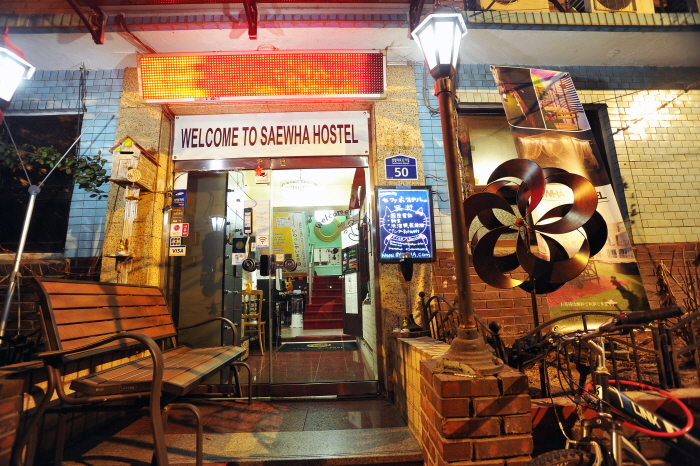
Saewha Hostel (세화호스텔)
2.9Km 2025-07-23
50, Samil-daero 32ga-gil, Jongno-gu, Seoul
Located in Jongno, in the heart of Seoul, Saehwa Hostel offers a variety of guest rooms, including ondol rooms and bedrooms, for up to 3 people. There’s a bathtub in each room. Shared PCs, massage chairs, microwave ovens, washing machines and dryers are all available free of charge. A simple free breakfast is provided, plus a free international phone service and a foreign language guidance service. Seoul Station is 15 minutes away by subway, and the airport limousine bus stops at Jongno 3-ga station. Changdeokgung Palace, Jongmyo Shrine, and downtown shopping streets are all reachable on foot.
 Español
 한국어
한국어 English
 日本語
日本語 中文(简体)
 Deutsch
 Français
 Русский


