
Insadong Chatjip (인사동찻집)
5.9Km 2025-06-24
33-1, Insadong-gil, Jongno-gu, Seoul
Insadong Chatjip is a hanok teahouse that serves home-made traditional tea. Even the red beans used in the summer delicacy patbingsu
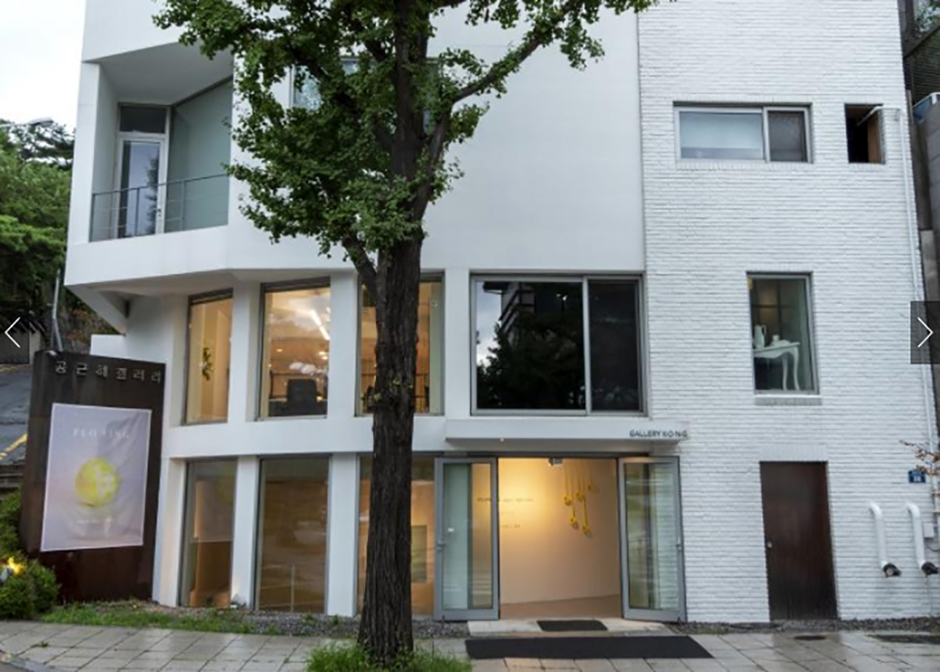
Galería K.O.N.G. (공근혜갤러리)
5.9Km 2024-08-06
Samcheong-ro 7-gil 38, Jongno-gu, Seúl
Desde su apertura en 2005, la Galería K.O.N.G. ha tenido un impacto significativo en la escena fotográfica coreana al introducir a fotógrafos de talla mundial en Corea. En 2010 se trasladó a su sede actual junto a Cheong Wa Dae, en el barrio de Samcheong-dong de Seúl, y sumó nuevos espacios para pintura, escultura, video, instalaciones artísticas y otras formas de arte contemporáneo. La galería se centra en artistas establecidos en París, Londres y Nueva York, y presenta obras que muestran el estado actual del arte contemporáneo en el siglo XXI. También desempeña un papel fundamental como galería en Corea al descubrir a jóvenes artistas coreanos y apoyar sus actividades en el extranjero.
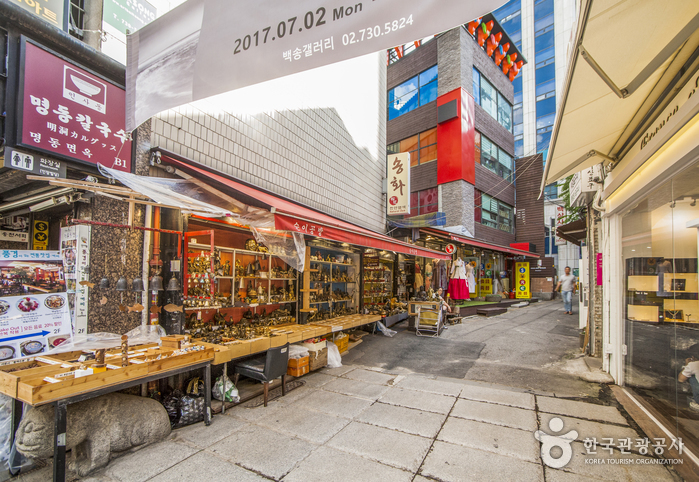
Insa-dong Antique Art Street (인사동 고미술거리)
5.9Km 2025-08-04
29, Insadong-gil, Jongno-gu, Seoul
As of today, there are approximately 70 shops in the Insa-dong area that sell antique arts. Some of the products they sell include antique artworks, porcelains, woodcrafts, and metalwork. Visitors may even find rare and valuable products such as earthenware from the Silla period or white porcelain used in the Joseon dynasty. Each shop is a specialty store, authorized to sell product types that are of their expertise, ranging from antique furniture and traditional artworks to handcrafted items.
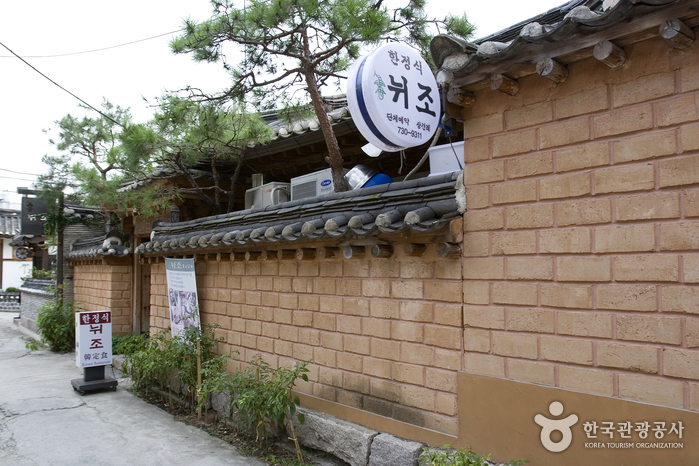
Nwijo (뉘조)
5.9Km 2024-11-28
27, Insadong 14-gil, Jongno-gu, Seoul
+82-2-730-9311
Nwijo (뉘조) is a Korean restaurant specializing in wild vegetable cuisine. The name ‘Nwijo’ means ‘the god of the silkworm,’ and likens wild vegetables to silkworms in that both can be eaten in their entirety. The restaurant serves original full-course Korean meals that are prepared using hundreds of kinds of wild vegetables, including special seasonal vegetables.
A typical full-course meal starts with delicious pumpkin porridge, followed by seasoned wild vegetables, root vegetable ssam (condiments wrapped in vegetable leaves), slices of boiled meat, and steamed lotus leaf-wrapped rice served with jjigae (Korean stew) and various side dishes. This kind of traditional feast is pleasing to both the eye and the palate and is topped off with sikhye (traditional sweet rice drink). Lunch specials are also available.
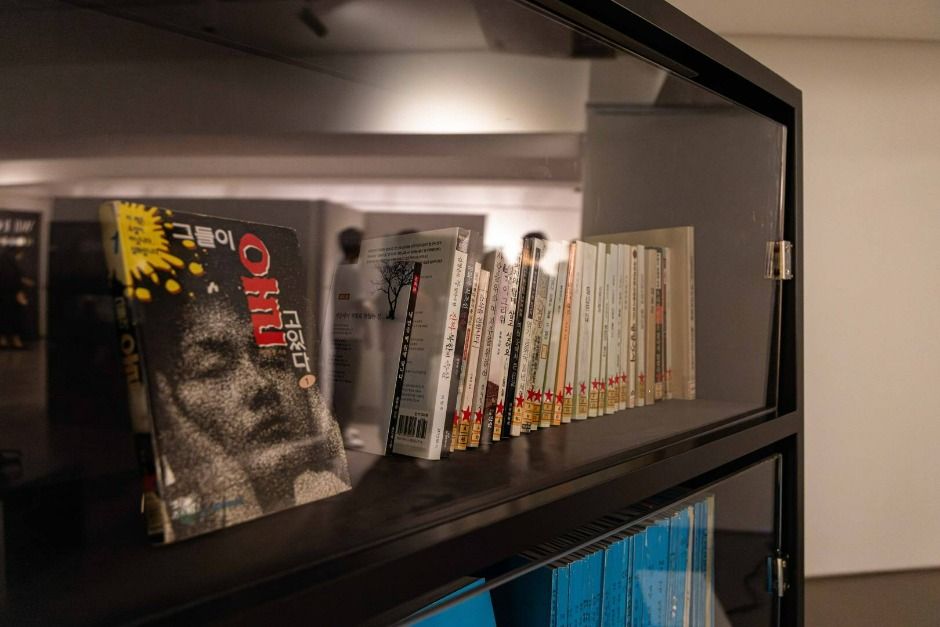
Sala de Exposiciones sobre Derechos Humanos en Corea del Norte (북한인권전시실)
5.9Km 2025-11-14
Samil-daero 393, Jongno-gu, Seúl
La Sala de Exposiciones sobre Derechos Humanos en Corea del Norte es un espacio permanente de exposiciones bajo la órbita del Centro de Información sobre Derechos Humanos en Corea del Norte (NKDB, por sus siglas en inglés). Está dedicado a los derechos humanos en dicho territorio. Aunque es un espacio pequeño, su impacto es profundo y funciona como un sitio de "turismo oscuro", que documenta y da testimonio de la continua realidad de las violaciones de derechos humanos allí. El NKDB es la organización que recopila el registro más extenso de derechos humanos relacionados con los residentes de Corea del Norte en el mundo. Los testimonios y documentos aquí presentados representan una historia viva, una historia que se desarrolla en el presente y que no se encuentra en ningún otro lugar. A través de objetos norcoreanos que han sido donados, incluidos estos registros, los visitantes pueden vislumbrar la Corea del Norte actual y apreciar obras de arte creadas por refugiados norcoreanos.
Biblioteca Jeongdok (서울특별시교육청 정독도서관)
5.9Km 2021-08-05
Bukchon-ro 5-gil 48, Jongno-gu, Seúl
+82-2-2011-5799
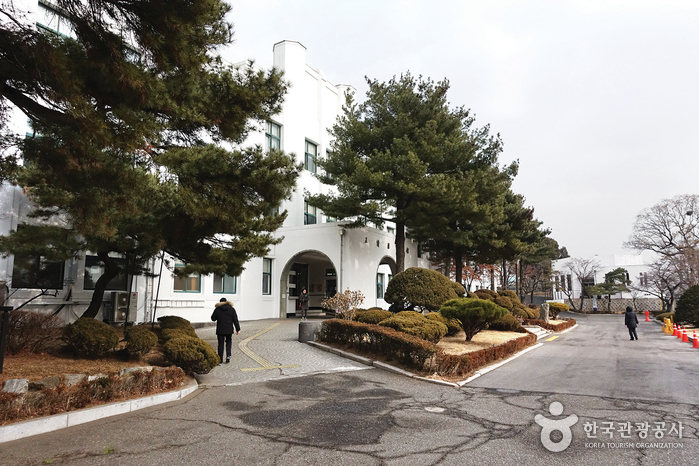
La biblioteca fue fundada en el año 1977 en el antiguo Colegio Secundario Gyeonggi, ubicado en Bukchon de Jongno-gu, Seúl. Conserva aproximadamente 490.000 libros, 16.300 materiales no textuales, etc., y, en el edificio anexo podrá encontrarse con más de 12.000 materiales académicos. Su finalidad es contribuir en la educación y en el desarrollo cultural, ofreciendo información actualizada, fuentes de estudio y cultural a los ciudadanos de Seúl. Más allá de ofrecer el servicio de alquiler de textos y funcionar como un espacio de lectura, también realiza variedad de programas culturales; encuentro con autores, exposición fotográfica, club de lectura, teatro de marionetas, concierto musical, espectáculo de danzas, etc. La otra gran diversión de la biblioteca es la función de películas.
Centro de Arte de Seúl Galería Gongpyeong (서울아트센터 공평갤러리)
5.9Km 2023-01-03
Samil-daero 30-gil 10-3, Jongno-gu, Seúl.
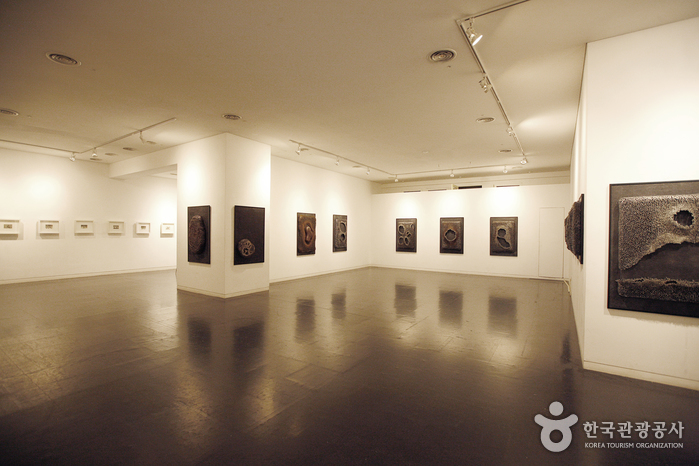
Esta galería, inaugurada en 1992, tiene grandes dimensiones: posee 2 pisos, con 4 salas de exposición. La institución organiza exposiciones de todo tipo: arte oriental, occidental, coreano, de escultura, etc., por lo que es un destino imperdible durante una visita a Insa-dong. Más que ser un espacio destinado únicamente a las exposiciones, trata de desarrollarse como un complejo cultural artístico.
Museo Alive (en Insa-dong) (박물관은 살아있다(인사동점))
6.0Km 2025-08-13
Insadong-gil 12, Jongno-gu, Seúl
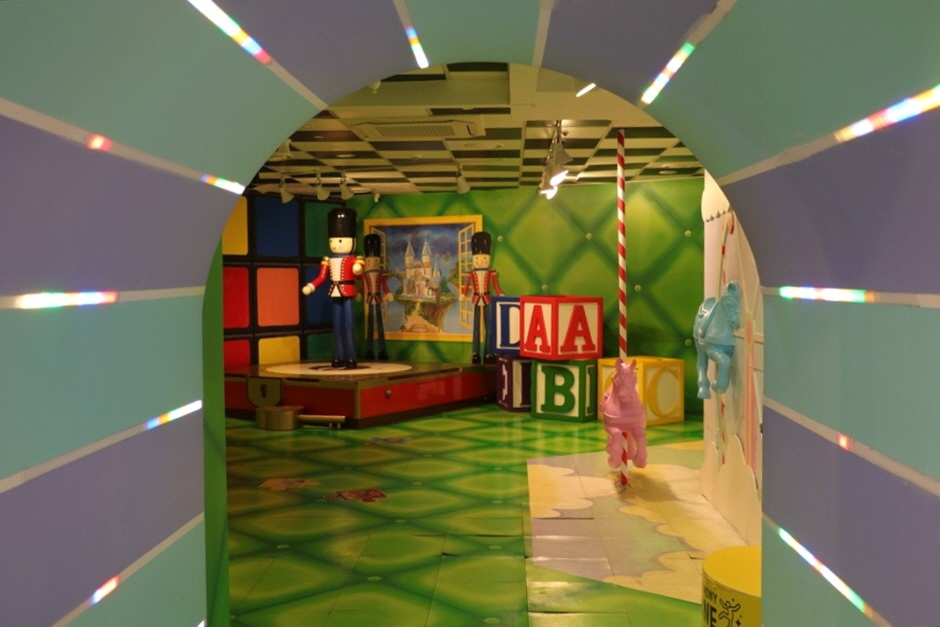
Con una extensión de más de 1.280 ㎡, el Museo Alive, inaugurado el 6 de marzo de 2014, está situado en Insa-dong, un vecindario conocido por su mezcla de ambientes, tanto históricos como modernos. Las exposiciones incluyen obras de efectos ópticos, objetos artísticos y contenido multimedia, entre otros. Más de 100 piezas está expuestas en las salas.
Sieunjae / 시은재
6.0Km 2025-08-13
439, Samil-daero, Jongno-gu, Seoul
+82-10-5355-3029
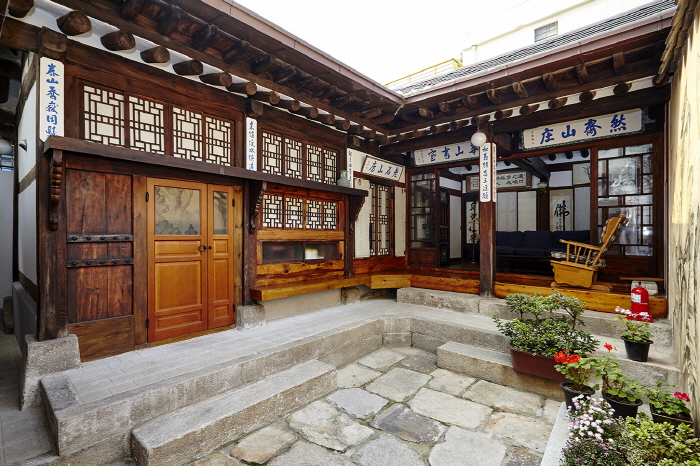
Located in Gyeongun-dong, Jongno-gu at the very heart of Seoul, Sieunjae is a hanok with a longstanding tradition. It has three guestrooms including the anbang (main room), byeolchae (detached building), and jakeunbang (small room). The anbang is the only room with a living room, where various items of old furniture, including a comfortable sofa, create an antique atmosphere. The communal bathroom and toilets are supplied with toiletries, while the communal kitchen is equipped with cooking equipment and a washing machine.
The house can be rented either as individual accommodations or in its entirety. As it is situated in Jongno-gu, at the very heart of Seoul, guests can easily reach many nearby major tourist attractions. Car users are advised to use the public parking lot as the house has no parking spaces. Entering by a small gate, the little flowerbed comes into sight. This old hanok shows traces of repair works on the tiled roof.
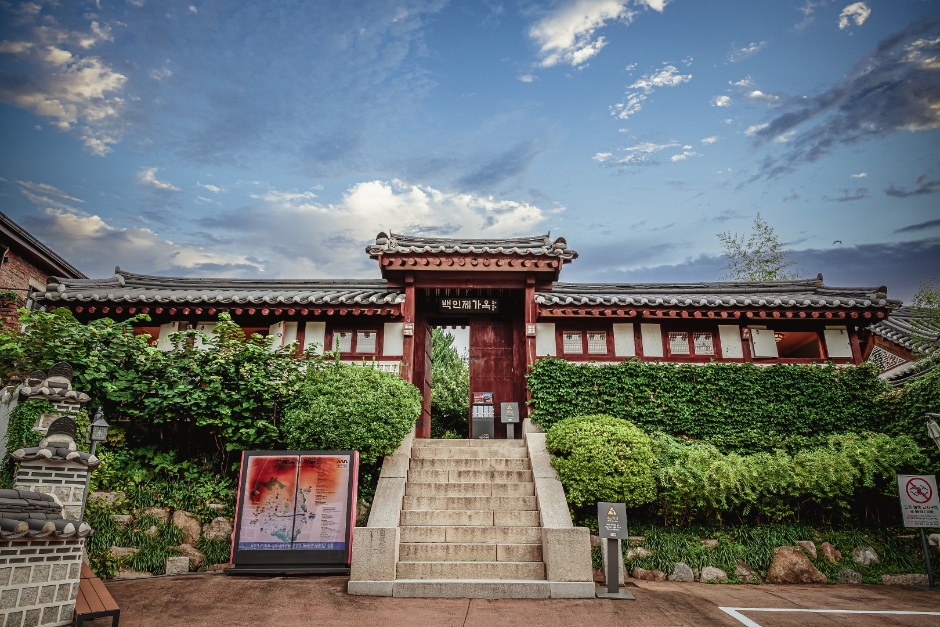
Residencia Baek In-je (백인제가옥)
6.0Km 2025-04-18
Bukchon-ro 7-gil 16, Jongno-gu, Seúl
La Residencia Baek In-je está situada en Gahoe-dong. Este edificio conserva el estilo moderno de hanok diseñado durante la colonización japonesa. En un terreno amplia de 2.460 ㎡, la vivienda cuenta con habitaciones y jardines alrededor del salón principal. También hay un pequeño espacio separado para el descanso. La casa mantiene la belleza tradicional del propio hanok con remodelaciones. Así, es una de las representaciones arquitectónicas más conocidas del barrio de Bukchon, junto con la Residencia Yoon Bo-seon.
Diversas características destacan la casa construida en pino negral, presentado por primera vez en Seúl durante la Exposición de Gyeongseong en 1907. Por ejemplo, la Residencia Baek In-je está compuesta por un pasillo que une el salón y las habitaciones, lo que es peculiar en comparación con el hanok clásico. Por otro lado, el pasillo al estilo japonés, la habitación con esteras, el empleo de ladrillos rojos y ventanas de cristal reflejan el paisaje de la época. Asimismo, el salón suele ser de un piso, pero está dividido en dos plantas en esta construcción. Siendo un patrimonio cultural, este lugar agrupa toda la hermosura de hanok, permitiendo contemplar del jardín al salón, del patio al interior de la casa y del trasero del inmueble separado.
 Español
 한국어
한국어 English
 日本語
日本語 中文(简体)
 Deutsch
 Français
 Русский


