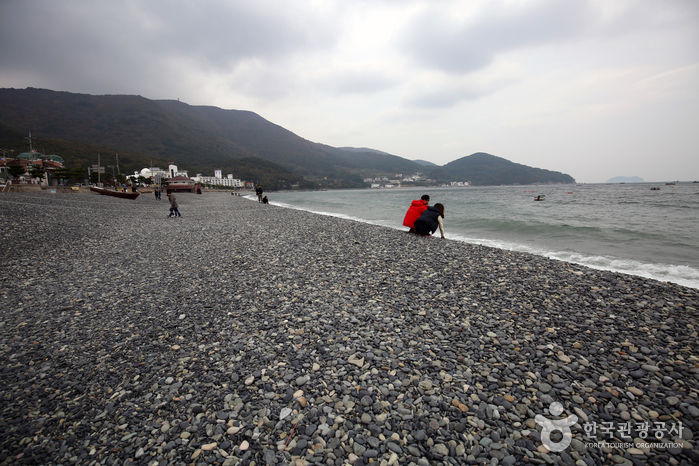
Hakdong Mongdol Beach (학동흑진주몽돌해변)
2026-05-27
18-1, Hakdong 6-gil, Geoje-si, Gyeongsangnam-do
Hakdong Mongdol Beach, filled with small black pebbles, spans a distance of 1.2 kilometers and a width of 50 meters, covering a 30,000 ㎡ area. Walking on the pebbles stimulates acupressure points on the soles of feet, providing health benefits for visitors. Unlike other beaches on the southern part of the country, the water of Hakdong Mongdol Beach is deep with rough waves, but various water activities are available. There are accommodations and restaurants nearby and dock at the beach offers a boat excursion around popular attractions.
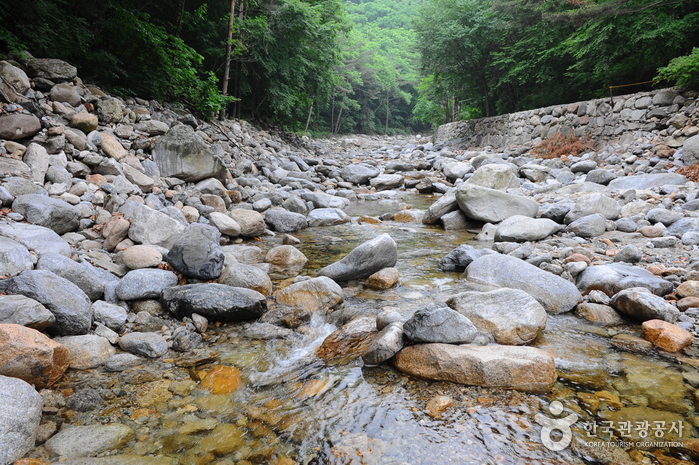
Sibiseonnyeotang (Tangsudonggyegok Valley) (십이선녀탕(탕수동계곡))
2021-02-24
Sibiseonnyeotang-gil, Inje-gun, Gangwon-do
+82-33-462-2554
Sibiseonnyeotang Valley (Valley of the Twelve Angels’ Bath) is a beautiful valley filled with water flowing through a cascade of waterfalls and pools. In the past, there were 12 of each, although the size and shape has changed over time. The valley also features many uniquely shaped rocks and a forest comprised of many types of trees, including maple, pine nut, and pine trees. The path passing through the V-shaped valley crosses the stream often, so visiting after heavy rainfall is not recommended.
![Tongdosa Temple [UNESCO World Heritage] (통도사[유네스코세계문화유산])](http://tong.visitkorea.or.kr/cms/resource/83/1229083_image2_1.jpg)
Tongdosa Temple [UNESCO World Heritage] (통도사[유네스코세계문화유산])
2024-02-08
108 Tongdosa-ro, Habuk-myeon, Yangsan-si, Gyeongsangnam-do
Tongdosa Temple, esteemed for its establishment in 643, is a revered site recognized as a UNESCO World Heritage. This temple proudly houses Buddha's genuine sacred relics. It also boasts an array of significant Buddhist cultural treasures, such as the Daeungjeon Hall, the Gilt-Bronze Vairocana Buddha, and the Buddhist Museum. Additionally, the temple offers a templestay program for visitors.
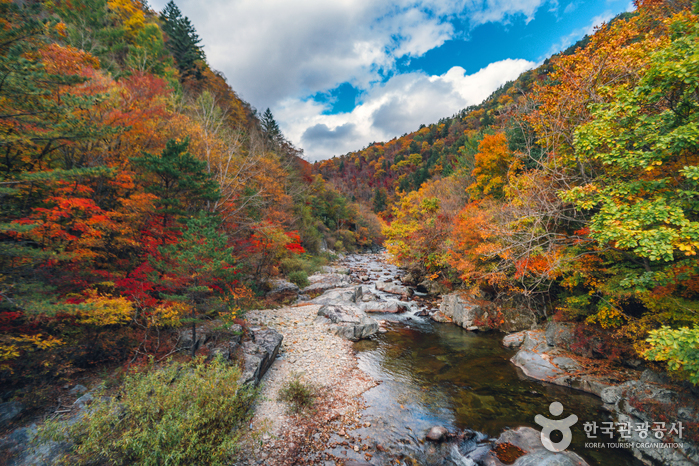
Odaesan National Park (오대산국립공원)
2024-02-28
Odaesan-ro, Pyeongchang-gun, Gangwon-do
Odaesan National Park, home to the towering Birobong Peak at an altitude of 1,563 meters and five other significant peaks, is a treasure trove of natural beauty and cultural heritage. The park is renowned for its attractions including the Sangwonsa and Woljeongsa Temples. It also holds historical significance as the site of the Odaesansago National History Archives, where the Veritable Records of the Joseon Dynasty were once stored. The park's natural scenery is breathtaking, and its ecosystem is meticulously preserved, making it an ideal destination in any season. Visitors can explore various trails across Odaesan Mountain and participate in seasonal festivals.
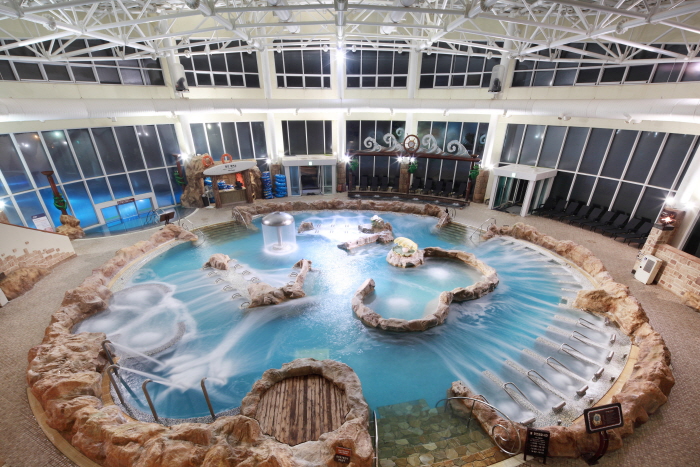
Hanwha Resort Seorak Waterpia (한화리조트 설악 워터피아)
2024-02-28
111 Misiryeong-ro 2983beon-gil, Sokcho-si, Gangwon-do
Hanhwa Resort Seorak Waterpia is a theme park where visitors can enjoy both hot spring baths and water parks. Using natural hot spring water, Seorak Waterpia is divided into a spa zone and a water zone. Its main facilities include indoor saunas, swimming pools, and a rooftop spa, with the outdoor sauna being the most popular. The park is open all year round and offers a variety of attractions.
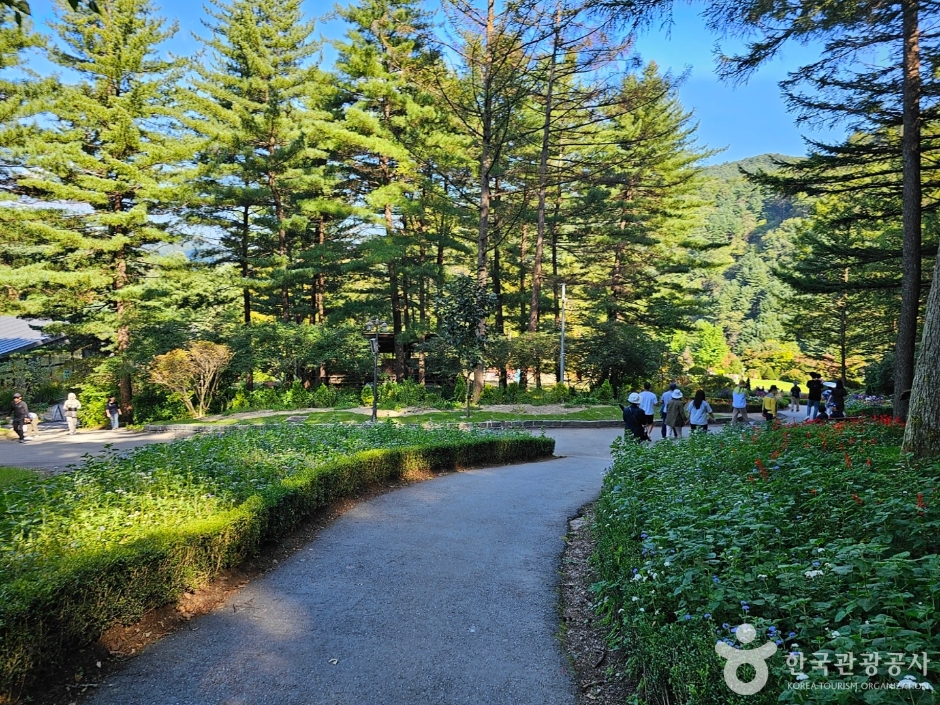
The Garden of Morning Calm (아침고요수목원)
2025-10-23
432 Sumogwon-ro, Sang-myeon, Gapyeong-gun, Gyeonggi-do
The Garden of Morning Calm, nestled against the splendid backdrop of Chungnyeongsan Mountain, is a horticultural haven that blends the essence of Korean beauty with a diversity of themed gardens. Designed by Professor Han Sang-kyeong from Sahmyook University, this arboretum, which opened in May 1996, offers a tranquil retreat with forest paths and a dense pine nut grove for those escaping the bustle of the city. Its twenty thematic gardens are interwoven with well-kept grassy expanses, vibrant flower displays, and inviting nature trails. Among these, the Sunken Garden stands out, artfully representing the Korean Peninsula and its stunning landscapes using a rich array of blooming flowers, capturing the admiration of those who visit. Beyond this, the arboretum is home to an impressive collection of plant life, featuring more than 5,000 different species, including more than 300 varieties native to Baekdusan Mountain.

Jirisan National Park (Sancheong) (지리산국립공원(산청))
2026-03-17
376 Nammyeong-ro, Sicheon-myeon, Sancheong-gun, Gyeongsangnam-do
Jirisan National Park is the first national park established in South Korea, featuring peaks like Cheonwangbong Peak (1,915 m), Banyabong Peak, and Nogodan Peak, which rank as the next highest after Hallasan Mountain. It's a popular destination for mountain enthusiasts, offering beautiful natural landscapes such as Naewonsagyegok Valley. The park also provides convenient facilities like Jirisan Recreational Forest, Naewonsa Temple, mountain lodges, campgrounds, and pensions.

Seoraksan National Park (Outer Seorak) (설악산 국립공원 (외설악))
2024-04-08
1 Daecheongbong-gil, Yangyang-gun, Gangwon-do
Seoraksan Mountain is renowed for its natural splendors and breathtaking views. It holds the distinction of being Korea's first UNESCO Biosphere Reserve and is also listed on the IUCN Green List. The mountain is divided into Inner Seorak, South Seorak, and Outer Seorak, which includes Daecheongbong peak (1,708 meters above sea level), ranking as the third highest peak in Korea. The area is celebrated for its popular hiking trails, with the sunrise and sunset views from the top being particularly spectacular.
Sinheungsa Temple (Seoraksan Mountain) (신흥사(설악산))
2024-03-12
1137 Seoraksan-ro, Sokcho-si, Gangwon-do
Sinheungsa Temple is a temple located in Seoraksan Mountain near Sokcho. It belongs to the Jogye Order of Korean Buddhism. It was originally founded as Hyangseongsa Temple by the monk Jajang in the Shilla dynasty (A.D. 652). Within the temple grounds, cultural heritage sites such as Geungnakbojeon Hall, a wooden structure from the mid-Joseon period, and the Three-story Stone Pagoda at Hyangseongsa Temple Site. The temple offers a templestay program where visitors can experience temple life firsthand. Participants can engage in various activities such as Buddhist ceremonies, Buddhist prayer, 108 prostrations, and lotus lantern and rosary making.
Seopjikoji (섭지코지)
2026-05-27
107 Seopjikoji-ro, Seogwipo-si, Jeju-do
Seopjikoji gets its name from its shape, jutting out to sea, with 'koji' being the Jeju dialect for a cape. Located just south of Seongsan Ilchulbong Tuff Cone, the cape is a popular tourist attraction. The tuff cone along with a beautiful vista of the ocean and fields of canola flowers can easily be seen from the peak of Seopjikoji. On top of the hill stands a beacon fire station, reaching 4 meters in height with a diameter of 9 meters, built using volcanic rocks. Behind the beacon fire station is Bulgeunoreum Volcanic Cone, vibrant with red soil. The white lighthouse atop the cone stands out in contrast. Seopjikoji has been used as a filming site for many Korean movies and dramas.
 English
 한국어
한국어 日本語
日本語 中文(简体)
 Deutsch
 Français
 Español
 Русский


