![Gyeongju Bulguksa Temple [UNESCO World Heritage] (경주 불국사 [유네스코 세계유산])](http://tong.visitkorea.or.kr/cms/resource/03/2678603_image2_1.jpg)
Gyeongju Bulguksa Temple [UNESCO World Heritage] (경주 불국사 [유네스코 세계유산])
2025-03-24
385 Bulguk-ro, Gyeongju-si, Gyeongsangbuk-do
Bulguksa Temple is a representative relic of Buddhist culture from the Silla kingdom. The temple was built during the 15th year of King Beopheung's reign (514-540) to wish for peace and prosperity for all. It was later rebuilt in 751 by Kim Dae-seong. Unfortunately, the temple caught fire during the Imjin War (1592-1598). After the war, the temple suffered serious damage and was often the target of theft.
Starting in 1920, the temple has undergone continual restoration work. The temple now holds seven national treasures and a number of additional important heritages and was designated a World Cultural Heritage Site along with the nearby Seokguram Grotto by UNESCO in December 1995.
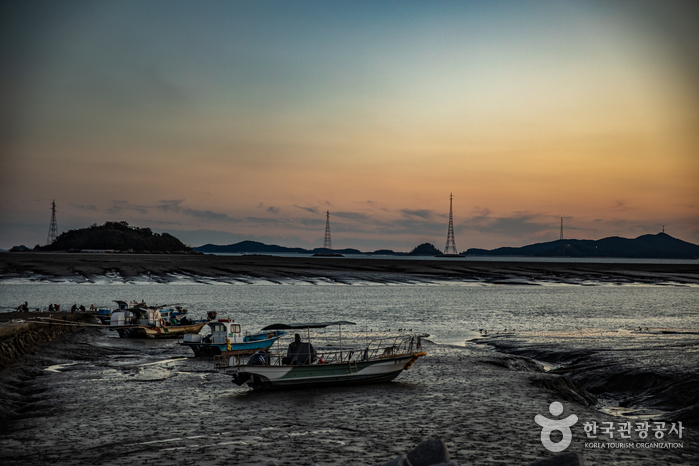
Seongmodo Island (석모도)
2021-05-28
9, Samsanbuk-ro, Ganghwa-gun, Incheon
Seongmodo Island, located 1.2 kilometers west of Ganghwado Island, is a popular destination for families and those looking for relaxation. The island has various mountains as well as a 41.8 kilometer coastal road.
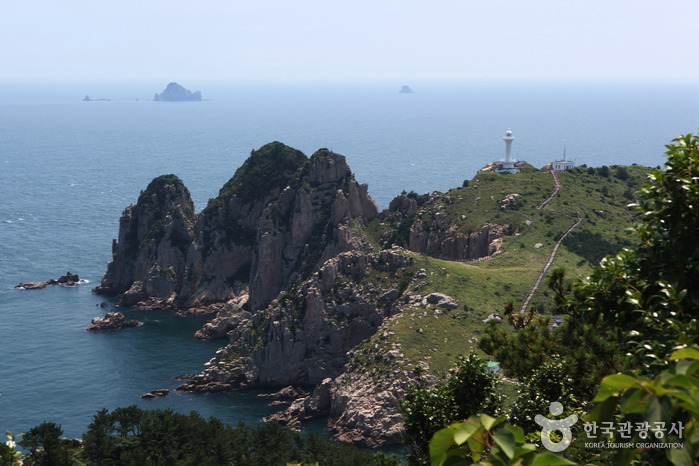
Somaemuldo Island Lighthouse (소매물도 등대)
2021-04-02
246, Somaemuldo-gil, Tongyeong-si, Gyeongsangnam-do
+82-55-650-0580
Deungdaeseom Island, originally called Haeguemdo Island, is known for the lighthouse and beautiful landscape. In 2002, the island was renamed Deungdaedo Island. Somaemuldo Island Lighthouse built in 1917 as an unmanned lighthouse transformed into a manned lighthouse in 1940. The concrete lighthouse is 16 meters in x_height with a light that can reach up to 48 kilometers. The lighthouse is located on Deungdaeseom Island, which is an islet attached to an island named Somaemuldo Island, south of Geojedo Island.
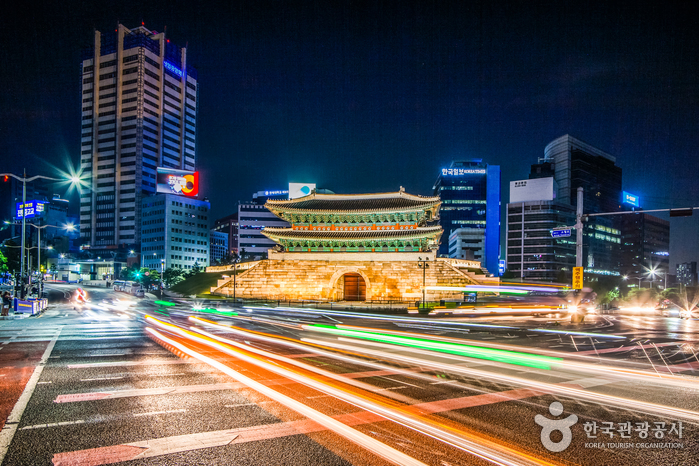
Sungnyemun Gate (숭례문)
2024-11-27
40 Sejong-daero, Jung-gu, Seoul
Sungnyemun Gate is Korea’s National Treasure No. 1, and its unofficial name is Namdaemun Gate. Sungnyemun Gate is the largest castle gate stone structure with an arched entrance in the middle. There’s a column on top of a platform, raising the roof, distinguishing the upper stories and lower stories of the building. Passageways for traffic are located at the east and west ends of the gate. Different from the other gates, Sungnyemun Gate’s tablet has its name written vertically.
On February 10, 2008, Sungnyemun was destroyed by fire. After a 5-year reconstruction work, the gate was re-opened to the public again on May 4, 2013.
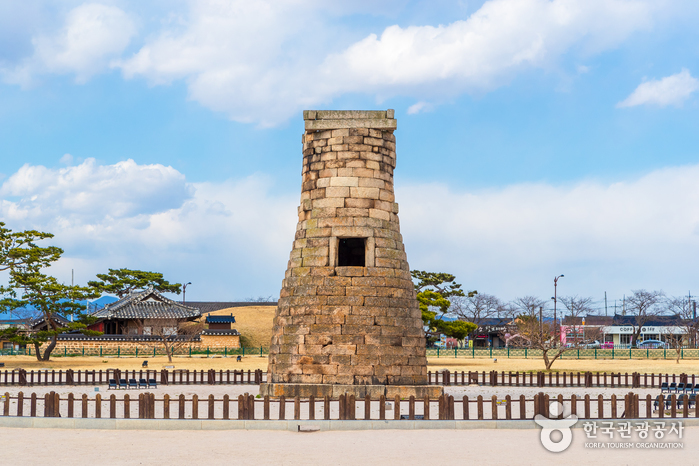
Cheomseongdae Observatory (경주 첨성대)
2026-05-19
140-25 Cheomseong-ro, Gyeongju-si, Gyeongsangbuk-do
Cheomseongdae Observatory, constructed during the reign of Queen Seondeok (r. 632-647), is one of the landmarks of Gyeongju. The observatory was built in a cylinder shape at approximately 9 meters in height. The observatory consists of 365 stones, symbolizing the number of days in a year. The rocks are piled in 27 layers symbolizing the 27th ruler, Queen Seondeok, and the days in a lunar month by adding the of two rock layers on top.◎ Travel information to meet Hallyu’s charm - "A Good Day to Be a Dog"Cheomseongdae Observatory, where Bo-gyeom and Ji-ah, bound by a special fate, encounter each other, is the landmark that represents the city of Gyeongju and one of the oldest astronomical observatories in the world. In addition to its superlative value as a historical site, it is also popular as a tourist destination thanks to flowers and plants that bloom each season.
Gyeongju Poseokjeong Pavilion Site (경주 포석정지)
2020-10-06
816, Namsansunhwan-ro, Gyeongju-si, Gyeongsangbuk-do
+82-54-745-8484
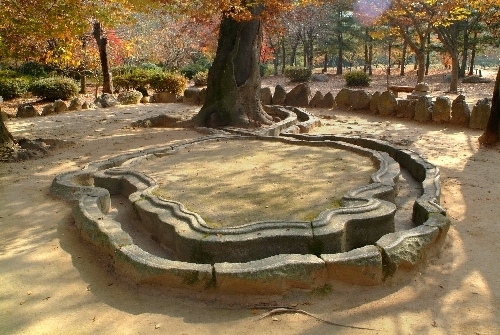
Poseokjeong Pavilion served as a separate palace where kings enjoyed banquets with nobles. The building no longer exists, but the abalone-shaped stone water canal still remains, speculated to have been built during the Unified Silla period although the exact year is unknown. The water canal has an estimated length of 10 meters, with a x_width of approximately 35 centimeters and an average depth of 26 centimeters. Based on Chinese writings from 353, it is said that drinking glasses were floated on the canal. One popular party game had guests creating poems before the glass had passed nine sections of the canel. Guests who could not do this had to drink three glasses. Modern research has shown that the site was not merely a place for fun, but also served as a meeting venue for the royal family, as well as for holding memorial services.
Gangneung Gyeongpo Beach (강릉 경포해수욕장)
2024-05-23
514 Changhae-ro, Gangneung-si, Gangwon-do
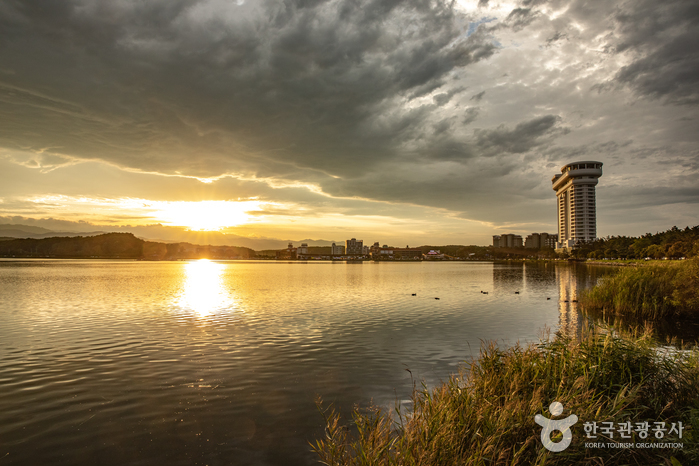
Located 1 kilometer away from Gyeongpodae Pavilion and 6 kilometers from downtown Gangneung, Gyeongpo Beach is a sand bank formed between Gyeongpoho Lake and the ocean. This beach has a beautiful sandy shore that extends to a length of 1.8 kilometers and shallow waters, making it a popular beach attraction. By the beach is a lush pine forest where visitors can enjoy forest bathing. Other activities to enjoy around the area include the cultural art fair that takes place at the beach stage every summer, riding a bike along Gyeongpoho Lake, and hiking the nearby mountains and valleys.
Goseokjeong National Tourist Area (고석정국민관광지)
2023-03-07
1825, Taebong-ro, Cheorwon-gun, Gangwon-do
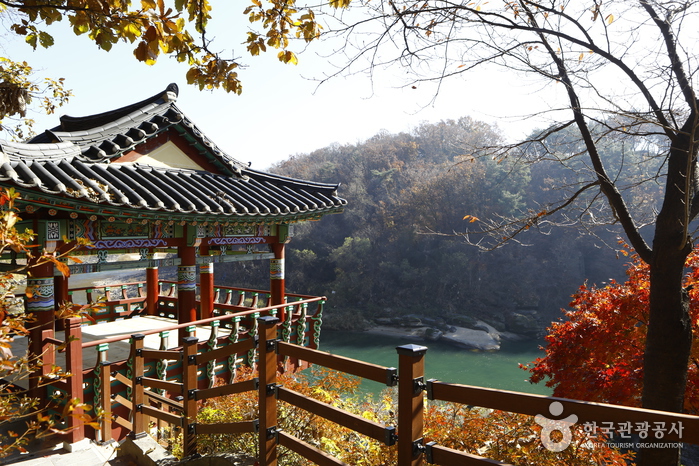
Goseokjeong Pavilion is the most scenic spot among the eight scenic views of Cheorwon. The crystal clear waters of the Hantangang River wind around Goseokbawi Rock, a peculiarly shaped rock about 10 meters tall that stands dominantly in the middle of the river. Goseokjeong Pavilion is a two-story tower-style pavilion that has an area of about 33 square meters, built halfway up the Hantangang River during the reign of King Jinpyeong (r. AD 579-632) of the Silla Kingdom. Today, Goseokjeong refers to the entire area around Goseokjeong Pavilion and the valley surrounding Goseok Rock. Designated as a Monument of Gangwon-do, the pavilion is known to have been one of the most favored places by King Jinpyeong of the Silla Kingdom, and King Chungsuk of the Goryeo dynasty. The area became all the more famous as the arena of Im Kkeok-jeong (?-1562), who was a legendary leader of a peasant rebellion in the early Joseon dynasty.
The pavilion was destroyed during the Korean War and restored in 1971 by community leaders in Cheorwon. Unfortunately, it was damaged once again by flood in 1996 and reconstructed the year after. There is a natural stone chamber inside Goseokbawi Rock that Im Kkeok-jeong used as a hiding place. On the opposite side, there are remains of a stone castle. Jiktang Waterfall is located about 2 kilometers up from this site, while Sundam Valley is situated about 2 kilometers in downstream. Goseokjeong is a year-round tourist attraction with an extensive grass square and recreational facilities. It is also the starting point for DMZ tours as the Iron Triangle Battlefield Conservation Office is located here and in winter, visitors can enjoy migratory bird tours.

Gyeongju Seokguram Grotto [UNESCO World Heritage] (경주 석굴암 [유네스코 세계유산])
2025-06-12
238 Seokgul-ro, Gyeongju-si, Gyeongsangbuk-do
Seokguram Grotto was constructed by Kim Dae-Seong during the reign of King Gyeongdeok (742-765) of the Silla Kingdom. Located 3 kilometers away by hiking trail and 9 kilometers by car from Bulguksa Temple, the grotto was designed very harmoniously with the seated Buddha facing the East Sea. It is a valuable cultural heritage that is preserved and registered as a UNESCO World Heritage on December 6, 1995.
Gyeongpoho Lake (경포호(철새도래지))
2025-12-18
Jeo-dong, Gangneung-si, Gangwon-do
Gyeongpoho Lake is a popular attraction, with beautiful natural scenery and many cultural relics nearby. The view of the moon reflecting off the lake from Gyeongpodae Pavilion is especially stunning. The 1,256,204 m² naturally formed lake is connected to the ocean, and is famous as a destination site for migratory birds in winter. There are also many fish in the lake, but the lake has been designated as a nature protection site and fishing is prohibited.
 English
 한국어
한국어 日本語
日本語 中文(简体)
 Deutsch
 Français
 Español
 Русский


