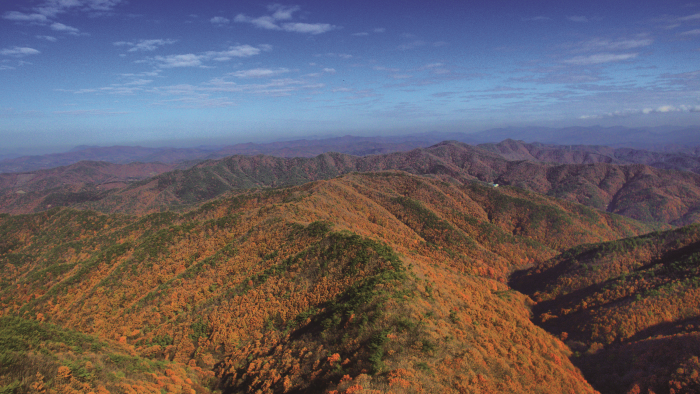
Chilgapsan Provincial Park (칠갑산도립공원)
2021-09-30
241, Janggok-gil, Cheongyang-gun, Chungcheongnam-do
Chilgapsan Mountain, located in Cheongyang-gun, Chungcheongnam-do, was designated as a provincial park in 1973. This mountain, 561 meters above sea level, has been called “The Alps of Chungcheongnam-do.” Chilgapsan Mountain area has many peaks, a thick forest and beautiful valleys. Each season has its own unique atmosphere. There are romantic cherry blossoms in spring, vivid green leaves in summer, autumn tints in fall and a snow-covered landscape in winter. Mountaineers visit all year round and can choose from seven courses.
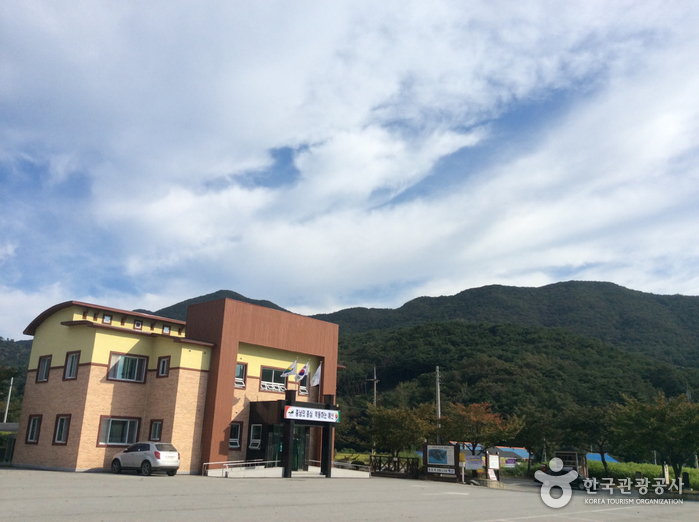
Deoksan Provincial Park (덕산도립공원)
2019-12-18
Deoksan-myeon, Yesan-gun, Chungcheongnam-do
The name “Deoksan” has been shortened from its original name, Deoksungsan Mountain. This mountain area boasts a beautiful valleys and the Sudeoksa Temple, which is unique in that only Buddhist nuns can be found here. The main building of the Sudeoksa Temple, the Daeunjeon, has been preserved in its original condition. This was first constructed in 1308 and has been designated a national treasure. As well as the Deungjeon, the Sudeoksa Temple houses many cultural treasures, such as the Sudeoksa 3-storey stone pagoda.
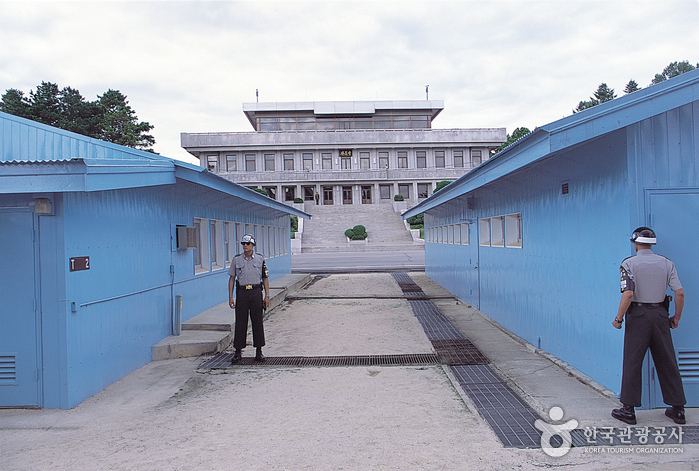
Panmunjeom (Joint Security Area) (판문점)
2024-02-29
148-40 Imjingak-ro, Paju-si, Gyeonggi-do
Panmunjeom is the site of the Armistice Agreement that signaled the ceasefire of the Korean War (1950-1953) and is located in the Demilitarized Zone (DMZ), just 50 kilometers north of Seoul. It remains a venue for talks between South Korea and North Korea, allowing visitors to observe North Korean troops up close. Since it is a civilian-controlled area, individual tours are not permitted; they must be arranged in advance through a tour operator designated by the United Nations Command. Visitors must bring valid identification, such as a passport or alien registration card.
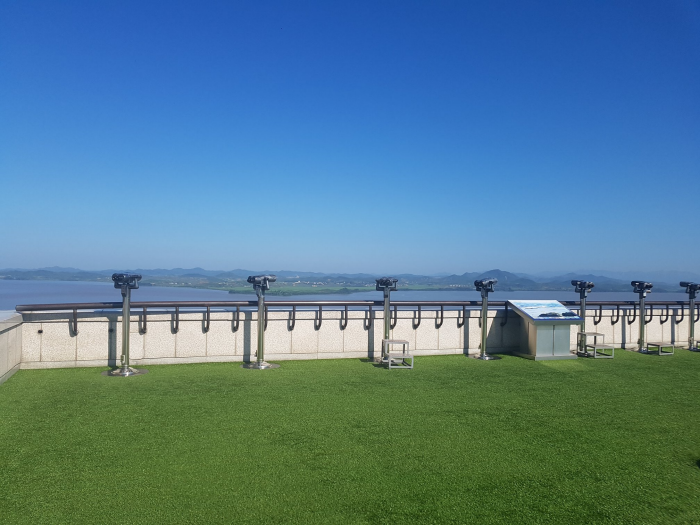
Odusan Unification Observatory (오두산 통일전망대)
2026-02-03
369 Pilseung-ro, Paju-si, Gyeonggi-do
Located in Tanhyeon-myeon, Paju-si, Odusan Unification Observatory was established to console the feelings of dispersed families and provide an educational site for the unification education through 5F to B1 in 1992. The observatory is situated in the northernmost ceasefire line of the western front where the Hangang River and Imjingang River meet. It offers a wide view of Songaksan Mountain in Gaeseong to the north and 63 Building in Seoul to the south. Also, it is a valuable unification security tourist attraction related to Imjingak, the 3rd Tunnel, and Panmunjeom (Joint Security Area) stretching along Jayu-ro Road in the northeast. Since its opening, almost 1,900,000 people have visited the observatory to feel the reality of the division, making this area the best national unification education site.
The 3rd Tunnel (제3땅굴)
2024-02-29
210-358, Je3ttanggul-ro, Gunnae-myeon, Paju-si, Gyeonggi-do
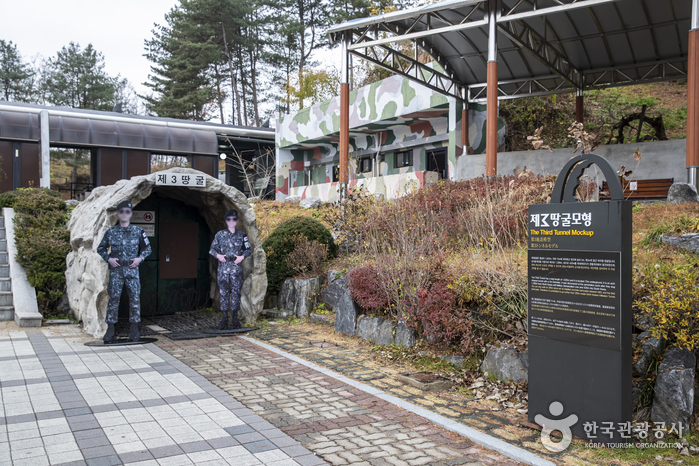
The 3rd Tunnel is the third of its kind built by North Korea for the purpose of invading South Korea. It was discovered in 1978. Among the four tunnels located so far, it is closest to Seoul (about 52 km). It has a total length of 1.6 km and a x_width of 2 m. It is estimated that nearly 30,000 personnel can move through the tunnel every hour. Visitors to the 3rd Tunnel must reserve the tour in advance. The tour starts from the Imjingak Pavilion. All visitors are required to bring their identification, such as passports or Alien Registration Card (ARC).
Imjingak Resort (Pyeonghwa Nuri Park) (파주 임진각(평화누리공원))
2025-09-05
177 Imjingak-ro, Munsan-eup, Paju-si, Gyeonggi-do
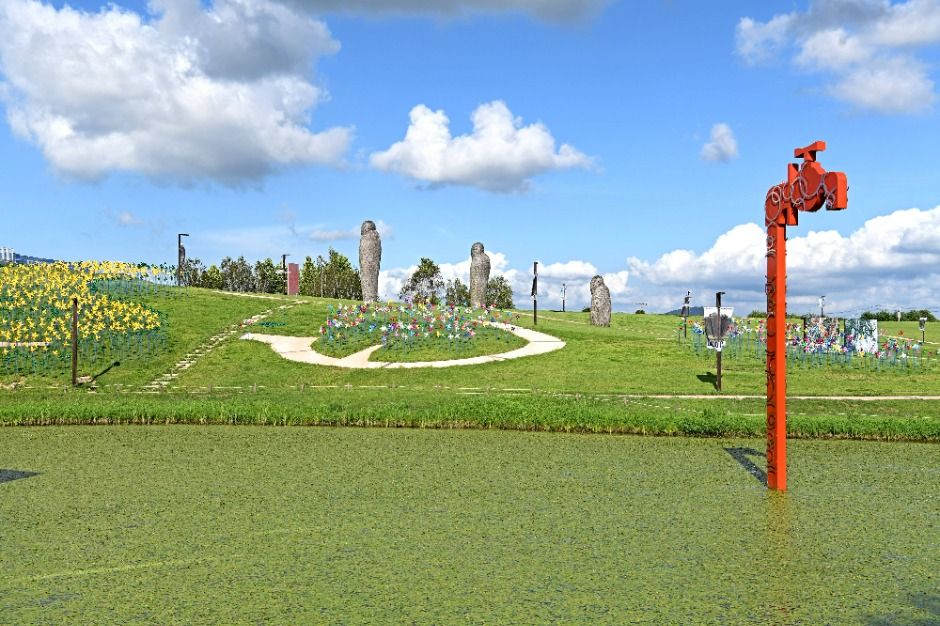
Located approximately 56 kilometers from Seoul City Hall and 7 kilometers from DMZ, the site of Imjingak Pavilion is an important part of Korean history. Imjingak Resort, the main tourist complex, has various war-related artifacts as well as the spacious Pyeonghwa Nuri Park. The resort preserves the Freedom Bridge and Imjingang rail bridge from the Korean War to remind people of the past, along with a Memorial Hall, memorial monuments, and recreational areas.
Cheorwon Korean Workers' Party Headquarters (철원 노동당사)
2023-03-07
265, Geumgangsan-ro, Cheorwon-gun, Gangwon-do
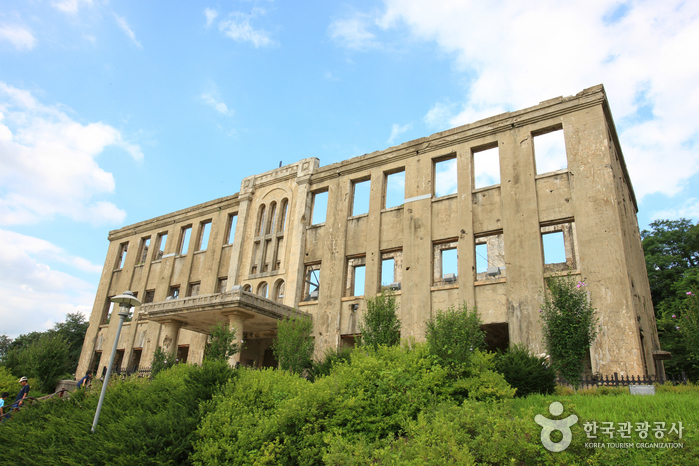
This three-story building located in Cheorwon-eup was constructed in 1946. Used as the headquarters of the Labor Party until the break of the Korean War on June 25, it is now a tourist attraction that still holds onto the vestiges of the Korean War.
Cheorwon Korean Workers' Party Headquarters is under the control of Cheorwon-gun Office as part of the Security Tour Course. Hundreds of thousands of people visit this tourist destination every year.
Woljeong-ri Station (월정리역)
2025-03-15
1882, Durumi-ro, Cheorwon-gun, Gangwon-do
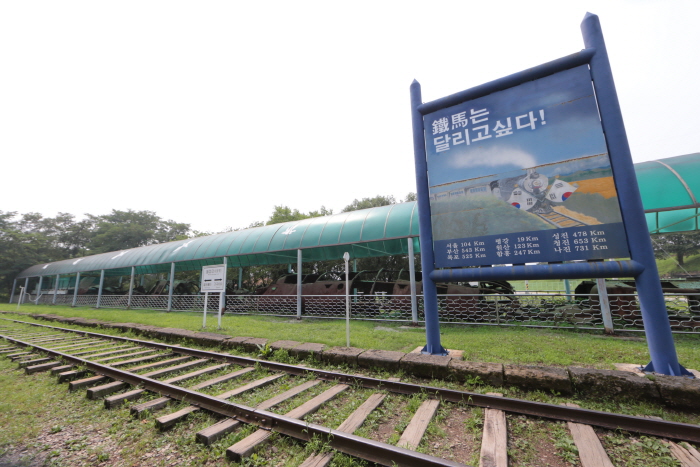
Woljeong-ri Station (Iron Triangle Battlefield) is the last stop before reaching the DMZ. With the sign "The iron horse wants to run again," there stand remains of a train that was used to make frequent trips to North Korea. Located at the spot where the fiercest battle was held during the Korean War, this train marks the partition line of the Korean peninsula. These days Woljeong-ri Station is under the control of the Cheorwon-gun Office and hundreds of thousands of people visit this unique tourist area every year.
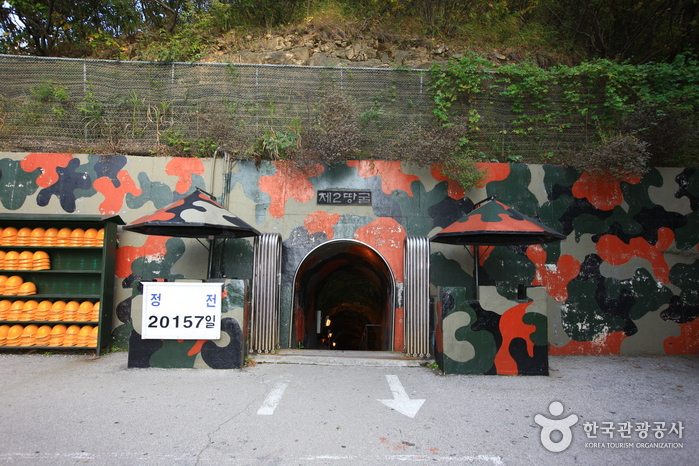
The 2nd Tunnel (제2땅굴(철원))
2024-03-20
Yangji-ri, Dongsong-eup, Cheorwon-gun, Gangwon-do
The 2nd Tunnel, one of several excavated by North Korea for the purpose of infiltrating South Korea, was discovered in 1975. Spanning a total length of 3.5 kilometers, only 500 meters of the tunnel is accessible to civilians. To visit this site, visitors are required to book as part of the DMZ Peace Tours. Additionally, personal identification, such as a passport or Alien Registration Card (ARC), is necessary for access.
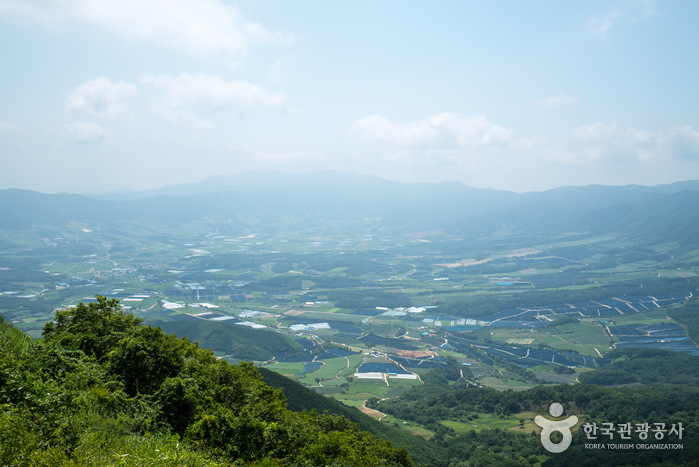
Eulji Observatory (을지전망대)
2022-10-14
621, Hu-ri, Haean-myeon, Yanggu-gun, Gangwon-do
Eulji Observatory, located near the Military Demarcation Line along the ridge of Gachilbong Peak, is now one of the most informative sites dating back to the Korean War. From Eulji Observatory, visitors can see North Korean land from afar as well as Birobong Peak of Geumgangsan Mountain. It is the northernmost DMZ attraction and over 100,000 people visit this observation platform every year.
 English
 한국어
한국어 日本語
日本語 中文(简体)
 Deutsch
 Français
 Español
 Русский


