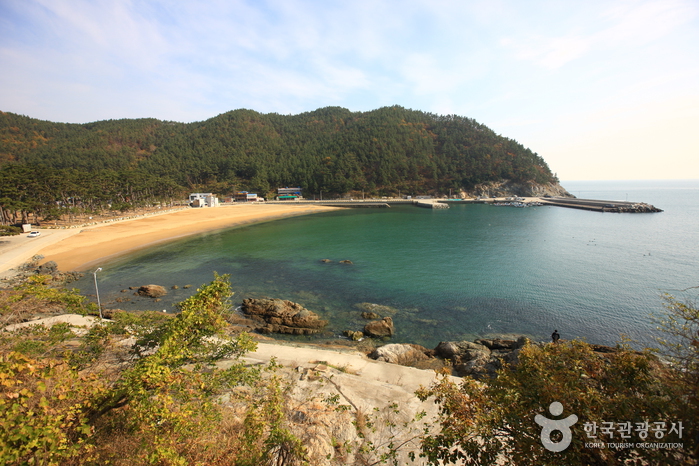
Bangjukpo Beach (방죽포해변)
2026-06-30
804-6, Hyangiram-ro, Yeosu-si, Jeonnam-Gwangju Special Metropolitan City
Nestled on the east coast of Dolsando Island, the tranquil waters have mild waves that lap up on the shiny golden sand along Bangjukpo Beach. Nearby, there is a thick pine grove with trees over 200 years old. This area is blessed with plenty of fresh inland water despite it being on the coast. The myriad of rocks near the sea are great for fishing. The beach is a popular spot to watch the sunrise. It is also situated on the way to Hyangiram Hermitage, one of Korea’s four hermitages where Buddhist followers pray to Avalokitesvara, the Bodhisattva of Great Compassion.
![Jeonnam Jeungdo Island [A Slow City] (전남 신안 증도 [슬로시티])](http://tong.visitkorea.or.kr/cms/resource/67/2026067_image2_1.jpg)
Jeonnam Jeungdo Island [A Slow City] (전남 신안 증도 [슬로시티])
2020-06-11
Jeungdo-myeon, Sinan-gun, Jeollanam-do
+82-61-271-7619
Jeungdo Island was the first city to be designated a ‘slow city’ in Asia thanks to its unspoiled nature and clean waters. It was assigned as a biodiversity conservation area by UNESCO.
Jeungdo Island also has Korea’s largest salt fields. At Taepyeong Salt Field, you can experience real life in a fishing village. There is a tour of the salt museum and hands-on programs for tourists to make the experience more personal. There are some 90 uninhabited islands and islets neighboring the Jeungdo Island. The Wujeon Beach Resort offers a magnificent view of the horizon. The mud hopper bridge, which stands in the mudflats, along with the relic of a historical monument and wetland ecology exhibition hall, are some of the things you can see on the island of Jeungdo.
* Jeungdo Island Mudflats Festival opens in early August each year, offering a mudflat program as well as a drying by the sun salt-making program, among others.
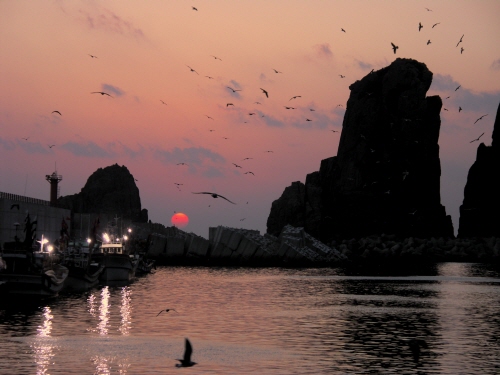
Gageodo Island (Soheuksando Island) (가거도(소흑산도))
2021-02-01
38-2, Gageodo-gil, Sinan-gun, Jeollanam-do
+82-61-275-9300
Gageodo Island is the southwesternmost island in Korea, located rather close to China. The island has rough mountain ridges and consists of cliffs, making a magnificent scenery. With Doksilsan Mountain (alt. 639 m, the highest peak in Sinan-gun) standing in the middle, the island is surrounded by cliffs, creating a mysterious aura. The area is loved by fishers as various fish like anchovy, croaker, hairtail, horse mackerel, sea bream, and others can be found in the surrounding waters, as well as a paradise of unusual migratory birds like the fork-tailed petrel, shearwater, and teal.
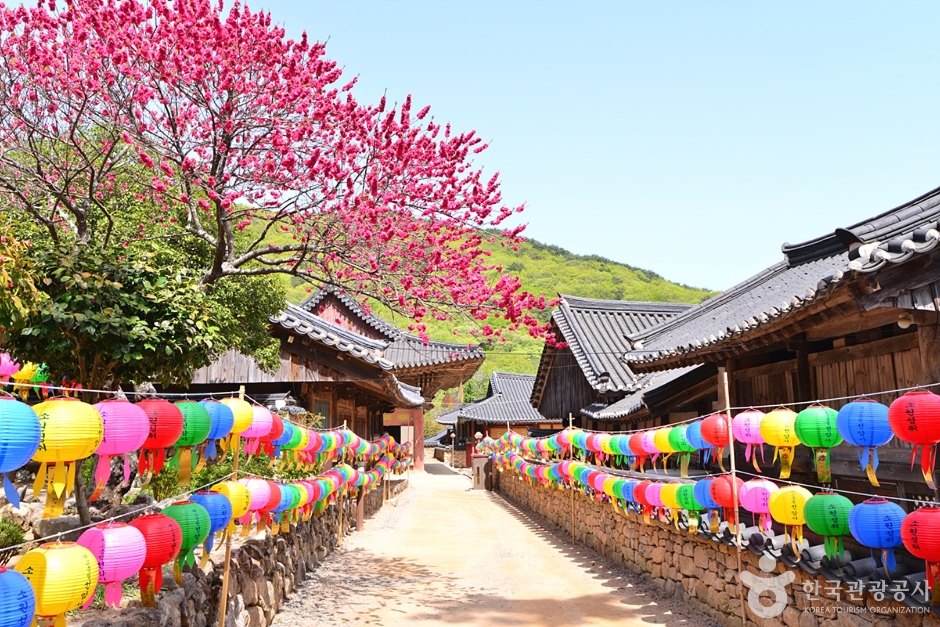
Jogyesan Provincial Park (조계산도립공원)
2026-08-20
Seungjugoemok 1-gil, Suncheon-si, Jeonnam-Gwangju Special Metropolitan City
Located in both Seungju-eup and Songgwang-myeon of Suncheon-si, Jeonnam-Gwangju Special Metropolitan City, Jogyesan Mountain has two famous Buddhist temples on it: Seonamsa Temple and Songgwangsa Temple. It is a relatively low mountain with rounded corners and a soft tranquility. The park is popular year round due to the two temples. Around Seonamsa Temple there are several peaks such as Wolchulbong Peak, Janggunbong Peak and Gitdaebong Peak as well as Ilweolseok Boulder.
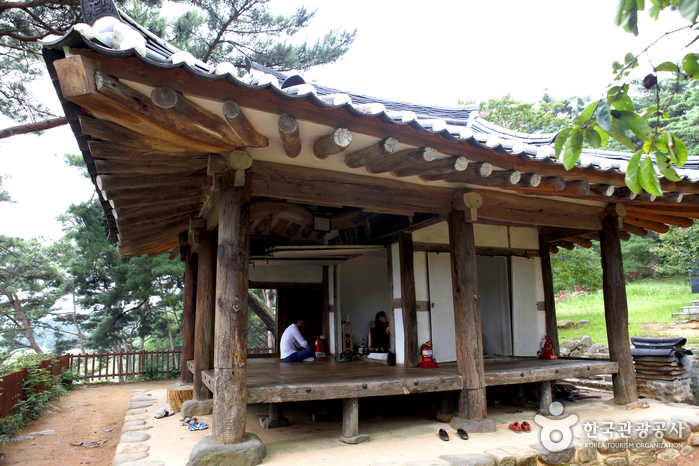
Sigyeongjeong Pavilion (담양 식영정)
2026-08-20
Jigok-ri, Damyang-gun, Jeonnam-Gwangju Special Metropolitan City
Designated as the top monument of Jeonnam-Gwangju Special Metropolitan City, Sigyeongjeong Pavilion means a place where even the shadow of the moon can find a place to rest. As its name suggests, this pavilion is set in a lush and remote forested area. Countless number of scholars and writers have been attracted to this pavilion as a place of profound inspiration. The pavilion gained more fame from the legendary lyrics of Seongsanbyeolgok written by the poet Jeong Cheol. The elegant words of Kim Seongwon, a literary scholar, depict the scenic beauty of Seongsan Mountain as the seasons change. Of all the pavilions situated at the basin of the Yeongsangang River the Sigyeongjeong Pavilion is said to be blessed with a breathtaking view from the side. The current building was restored in the early 1900s. At the Sigyeongjeong Pavilion there is the Buyongdang, a monument with the lyrics to the Seongsanbyeolgok Poem, and next to it an old library building called Jangseogak built to preserve the wooden blocks of Songgangjib, a book of poetry written by Jeong Cheol.
Tommeori Beach (톱머리 해수욕장)
2026-06-30
66, Tommeori-gil, Muan-gun, Jeonnam-Gwangju Special Metropolitan City
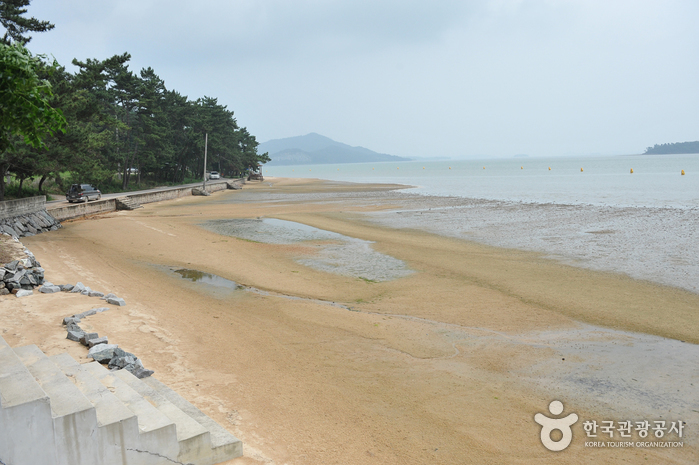
Tommeori Beach can be characterized by the extremes shown at high and low tides. The endless stretch of white sandy beach during the low tide and the dense black pine forest offer a spectacular view. The shallow waters and low slope make it a great vacation destination.
Daenamugol Bamboo Park (대나무골 테마공원)
2020-02-10
148, Binaedong-gil, Geumseong-myeon, Damyang-gun, Jeollanam-do
+82-61-383-9291
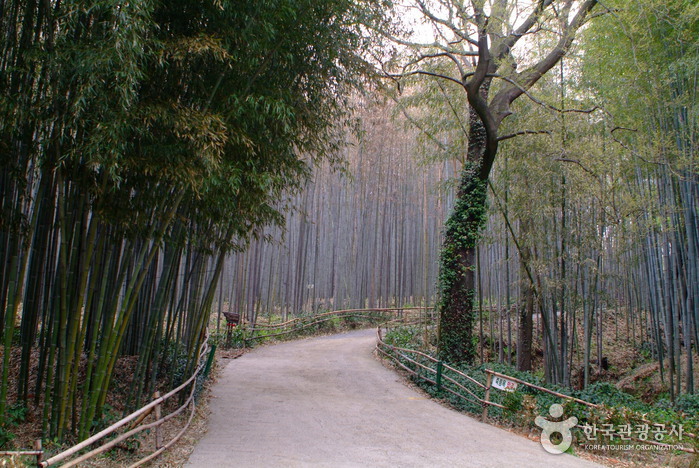
Situated at the basin of the ravine in Gojisan Mountain along the Geumseongsan mountain fortress and the Chuweolsan mountain range, Daenamugol is surrounded by tall bamboo trees. In spring, the soft green bamboo shoots blanket the whole field; it also serves as a habitat for sedentary birds to take care of their eggs.
The landscaping of the Daenamugol Bamboo Park encapsulates the value of bamboo trees. You can enjoy the fresh crisp air walking in the bamboo grove and the thick pine tree forest. You can try the tea from wild bamboo tea trees grown in the bamboo forest. The park also has Green Town; it includes a playground made out of grass, a hall, an outdoor cooking facility, shower booths, sports fields (volley ball, Jokgu, table tennis, badminton). The theme park has appeared as a backdrop for movies like ‘The Last Witness,’ ‘Sword in the Moon’ as well as in the popular TV drama series ‘Hometown Legends,’ ‘Damo’ and in a number of commercials.
Juknokwon (Bamboo Garden) (죽녹원)
2026-06-30
119 Jungnogwon-ro, Damyang-gun, Jeonnam-Gwangju Special Metropolitan City
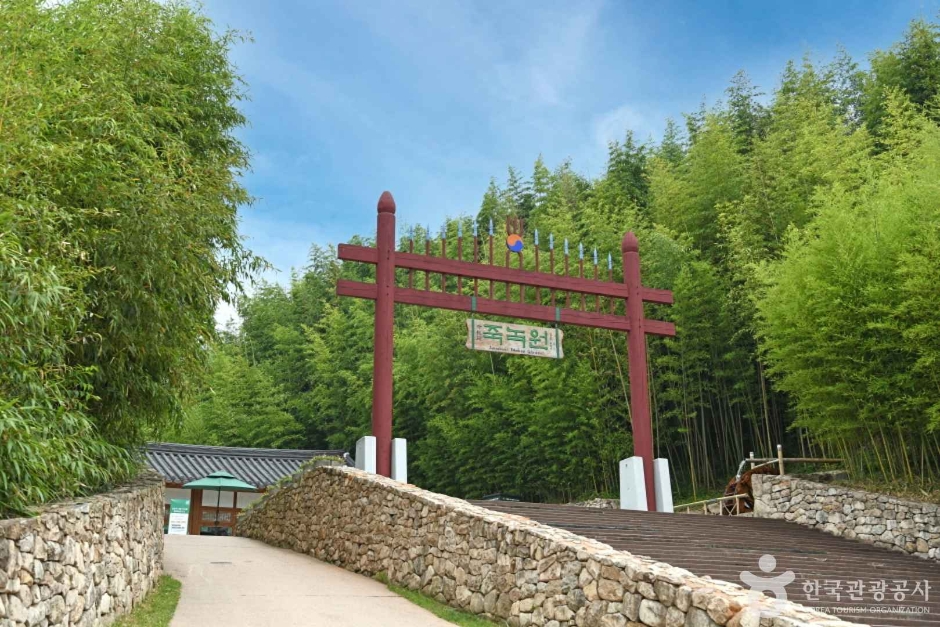
Juknokwon in Damyang is a bamboo forest cultivated by the town of Damyang. This bamboo forest, at approximately 160,000 ㎡ in size, was formed in May 2003. The rock steps and soft breeze blowing between the bamboo trees provide relief from daily stress. Try bamboo leaf tea for a perfect end to one's visit.
Jirisan National Park (Nogodan Peak Section) (지리산국립공원 (지리산 노고단))
2026-06-30
356, Hwaeomsa-ro, Gurye-gun, Jeonnam-Gwangju Special Metropolitan City
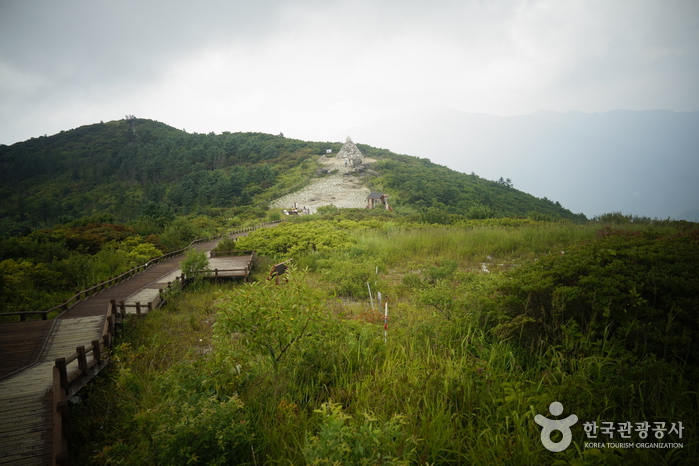
Jirisan National Park covers a vast amount of land in three provinces, including one city and three counties. The countless mountain peaks both large and small blend harmoniously, giving off a comforting ambiance. The valleys feature streams, waterfalls, and more natural attractions beautiful all year round. The mountain is the starting point for the Seomjingang River, which flows into the southern sea.
The park is home to many plants and animals, including the Asiatic black bear. There are many hiking paths crossing the park; it is recommended to make a plan for the courses in advance, checking the lengths and time required. As Jirisan Mountain changes with the different seasons, hikers can enjoy various aspects of the mountain’s terrain. However, some areas will be closed off for hikers' safety in the case of incliment weather or to prevent forest fires in the dry season.

Yudalsan Mountain (유달산)
2026-06-30
San 27-3 Jukgyo-dong, Mokpo-si, Jeonnam-Gwangju Special Metropolitan City
In the past, Yudalsan Mountain was known as Yeongdalsan Mountain, because it was a place where the soul passes. Located in the city's center, Yudalsan Mountain offers a view of Mokpo and Dadohae Sea, constantly inspiring its residents' artistic souls. There are many places to visit, including an orchid park and a sculpture park with 100 sculptures. Visitors can also enjoy a panoramic view by driving along the 2.7 km-long Yudalsan Scenic Road surrounding the mountain. In addition, Albizia Kalkara, a rare plant that will vanish forever from the face of the earth if it becomes extinct on Yudalsan mountain, inhabits this mountain. The view from the top of Yudalsan Mountain is spectacular, and the sight of big and small ships passing between them resembles an oriental painting. Dadohae's sunset and Mokpo Port's night view from the mountain will remain in the hearts of those who visit.
 English
 한국어
한국어 日本語
日本語 中文(简体)
 Deutsch
 Français
 Español
 Русский


