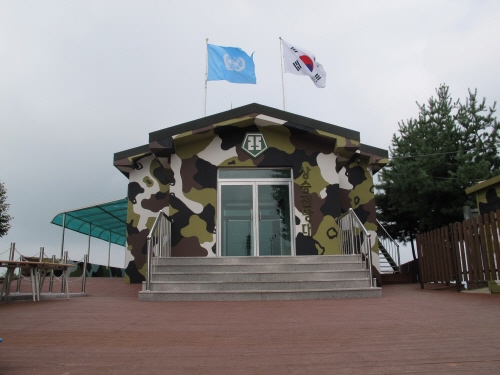
Sangseung Observation Post (First Tunnel) (상승전망대(제1땅굴))
2024-02-06
Baeknyeong-ri, Yeoncheon-gun, Gyeonggi-do
Sangseung Observation Post is a popular security tourism destination, providing a unique vantage point to observe enemy activities near the Demilitarized Zone (DMZ). Due to its location within the DMZ, the actual First Tunnel is inaccessible; however, a full-size model is available at the nearby Sangseung Observation Post. Visitors are required to apply seven days in advance and present identification at the post for access.
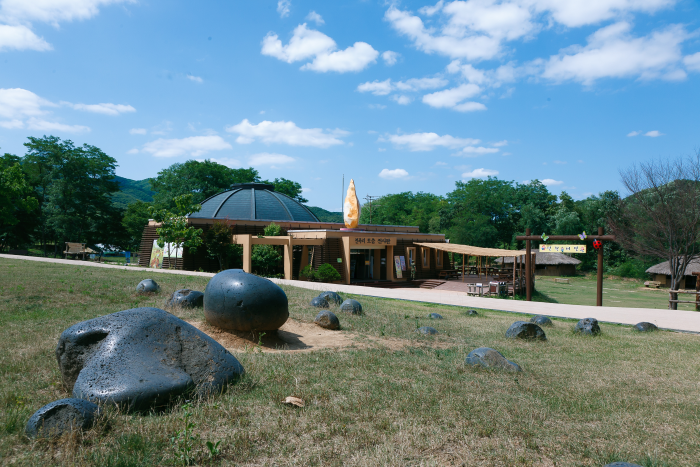
Jeongok-ri Prehistoric Site - Hantangang River Geopark (연천 전곡리 유적-한탄강 국가지질공원)
2021-07-20
1510, Yangyeon-ro, Yeoncheon-gun, Gyeonggi-do
The Jeongok-ri Prehistoric Site is the prime site on the Korean peninsula for the study of Paleolithic relics, and was unearthed after the discovery of a stone implement by an American soldier who was visiting an amusement park near Hantangang River in the winter of 1978. It was identified as an Acheulean Paleolithic stone implement by an expert, and gained the attention of paleontologists from around the world. The Jeongok-ri Prehistoric Site is situated on a basalt deposit that was likely formed during the Precambrian era. With the discovery of soil wedge and tephra indicating the top layer to be estimated at least 20,000 years old, the region is also considered highly valuable among geologists.
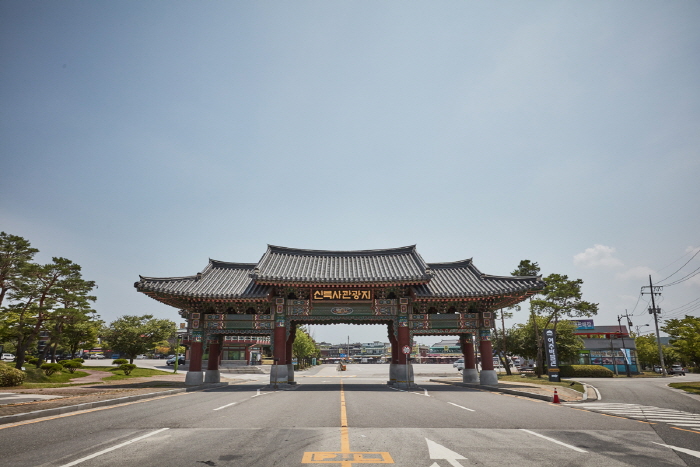
Silleuk Temple Resort (신륵사관광지)
2021-11-05
73, Silleuksa-gil, Yeoju-si, Gyeonggi-do
The Silleuksa Temple Resort features countless relics and remains, awe-inspiring scenery, the Geumeun Sand Zone, and Silleuksa Temple. Silleuksa Temple is also referred to as the byeokjeol (‘walled temple’ because it has a pagoda made entirely of bricks). The pagoda was erected by the renowned Buddhist monk Wonhyo during the Silla Kingdom, and is visited by many who are drawn to the beautiful natural scenery along the banks of the Namhangang River, which is served by convenient transportation.
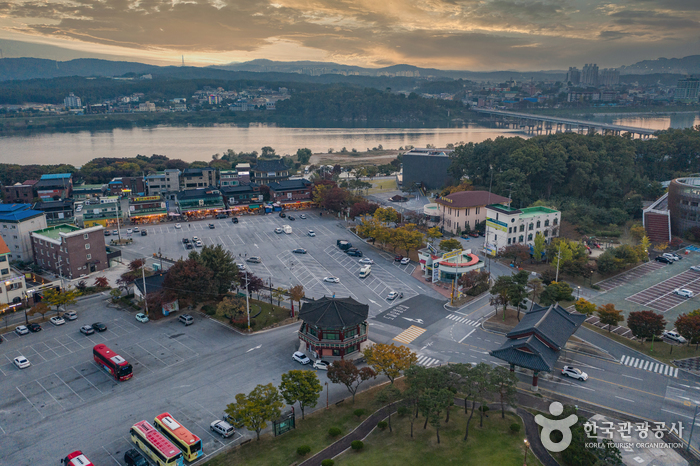
Yeoju Ceramic Art Complex (여주도예단지)
2021-07-21
254, Yeoyang-ro, Yeoju-si, Gyeonggi-do
+82-31-887-2868
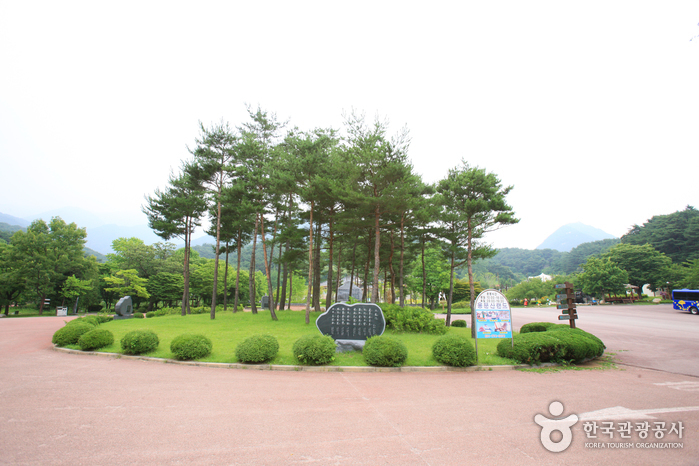
According to historic records, ceramics have been developed here since the early days of the Joseon dynasty, as the nation’s best materials for making ceramics, such as clay, white clay, and Kaolin, were produced around Ssarisan Mountain in Bungnae-myeon. Mid-standing artists here study the process of making traditional ceramics as well as more novel works that utilize unconventional methods. Yeoju Ceramic Art Complex not only provides high quality ceramics, it offers visitors a chance to see the process of making art pieces. There are over 60 personal exhibition halls with various styles of ceremics. Every May, there is a festival for visitors to enjoy.
Yongmunsan Resort (용문산 관광지)
2021-12-06
Sinjeom-ri, Yangpyeong-gun, Gyeonggi-do
Yongmunsan Mountain in Yangpyeong, Gyeonggi-do, is comprised of Doilbong Peak, Baegunbong Peak, and other peaks. The resort shares the area with various cultural relics such as Yongmunsa Temple; Yongmunsa Temple’s gingko tree; a stupa containing a relic of the Buddha, a monument of the reverend monk Jeongji; and the Yongmunsan Mountain area’s war record monument. The resort area is frequented by visitors throughout all four seasons but is especially popular in the fall because of the yellow-tinged gingko tree of Yongmunsa Temple (a Natural Monument).
A 2 kilometers trek through the valley from Yongmunsa Temple will bring you to Yonggakbawi Rock, shaped like a dragon’s horn, halfway up the mountain. 1km away from Yonggakbawi Rock lays a huge boulder, Court Rock, on which 100 people can easily sit at the same time. There is also an amusement park that provides great entertainment for children, consisting of a rapid ride, a Viking-boat, a merry-go-round, bumper cars, a family coaster, and other rides.
Thirty minutes from Yongmunsa Temple is Jungwon Valley that looks small when seen from the outside, but leads to the mountain’s summit where you can enjoy a superb view. And only another fifteen minutes walk will bring you to the three-tiered Jungwon Falls where you can enjoy the sound of crashing waters and feel the cooling mists that rise from the base of the falls.
Ilyeong Herbland (일영허브랜드)
2021-08-17
346-26, Iryeong-ro, Yangju-si, Gyeonggi-do
+82-31-871-4387
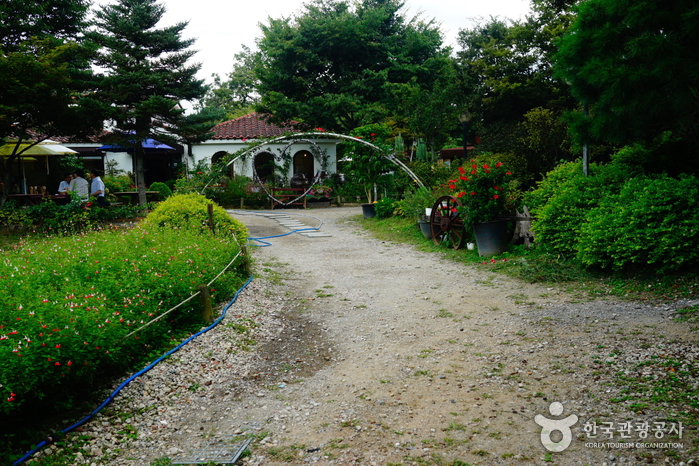
Ilyeong Herbland offers picturesque scenery, combining both natural and man-made beauty with herbal gardens resting on a wide outdoor field. Ilyeong Herbland is comprised of an herbal botanical garden, herbal shop, well-being corner, restaurant, outdoor garden, and walking paths. Visitors can buy herbal plants and can also have various herbal teas and boiled rice with herbal flowers.
Moaksan Provincial Park (모악산 도립공원)
2026-08-24
Moak 15-gil, Geumsan-myeon, Gimje-si, Jeonbuk-do
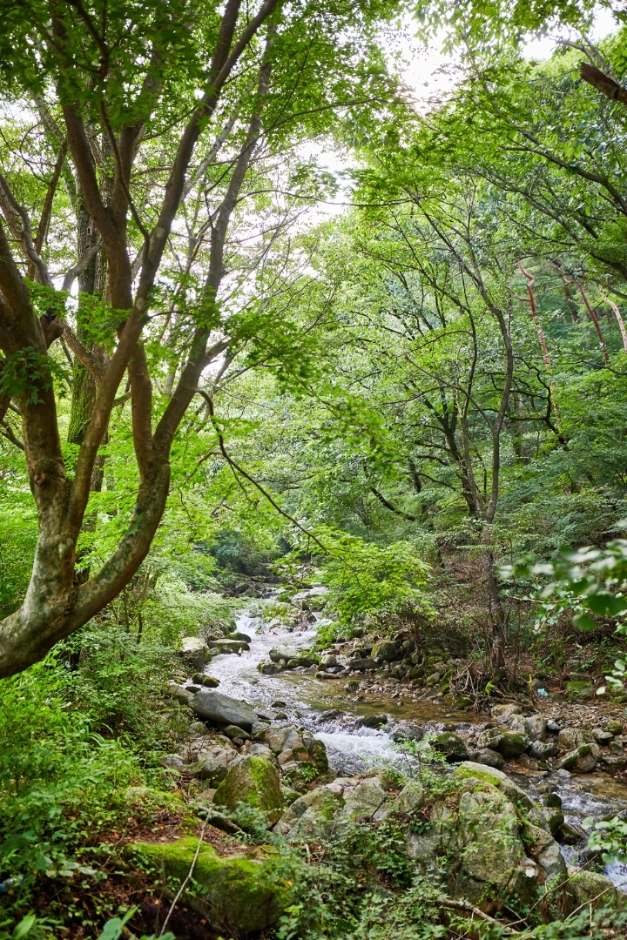
Moaksan Mountain, embracing Geumsansa Temple, Gwisinsa Temple, Suwangsa Temple, and Daewonsa Temple, is 795.2 meters high and stands tall on the east side of the Gimje Plains, offering a panoramic view of the Honam Plains. It was designated as a provincial park in 1971 and is one of the four scenic views in the southern region, with outstanding scenery and many cultural properties, including national treasures. In particular, Geumsansa Temple, built in the first year of King Beop of Baekje (599) and with about ten major cultural properties, is located here, where you can see splendid Buddhist art. If you cross Moaksan Mountain, there are temples such as Daewonsa Temple and Suwangsa Temple on the southeastern slope. Gwisinsa Temple is on the west side. Geumpyeong Reservoir, located near the Geumsansa Temple entrance, is also a suitable fishing spot. Moaksan Mountain has been considered the home of the Maitreya beliefs since ancient times, and along with the headquarters of Jeungsangyo, it also attracted attention as a gathering place for various new religions in the 30s and 40s. According to records, as many as 80 temples are at the foot of Moaksan Mountain. To hike, leave Geumsansa Temple and climb along the ridge behind Simwonam Hermitage. In spring, azaleas are in full bloom all the way to the top. From the summit, the Gimje Plains and the Mangyeonggang River come into view, as well as Jeonju and Unjangsan Mountain. The cherry blossom tunnel from the parking lot to Iljumun Gate is also spectacular.
Dongho Beach (동호해수욕장)
2025-01-08
Dongho-ri, Gochang-gun, Jeonbuk-do
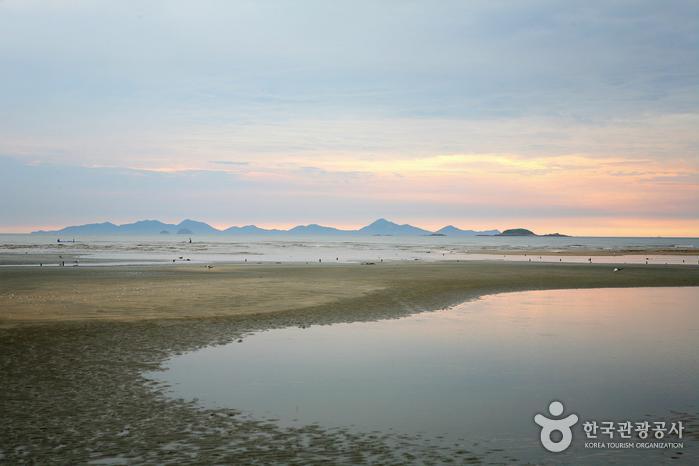
Dongho Beach is located south of Gomsoman Bay, between the Byeonsan Peninsula of Buan and Gochang-gun, Jeollabuk-do. Skirting the 1-kilometer-long white sandy beach lies a green forest with pine trees hundreds of years old. The sunset viewed from the forest is particularly eye-catching as the soft pink from the falling sun covers the sky. The water just offshore is relatively shallow, varying in depth between 0.5 and 1.5 meters. The high salt content in the seawater makes it an ideal place for sea and sand bathing.
On the hill above the forest is Suseongdang, a shrine honoring the god of the seas, where the local fishermen gather each year to pray for big catches.

Yongmunsa Temple (용문사(용문산))
2025-06-30
782 Yongmunsan-ro, Yangpyeong-gun, Gyeonggi-do
Yongmunsa Temple is located about 9 kilometers northeast from Yongmun Station on the Jungang line. It was built during the Silla Kingdom and reconstructed during the reign of King Sejong of the Joseon dynasty. It was badly damaged during the Korean War, but was restored and now consists of three buildings, the main hall, Daeungjeon Hall, and the bell tower. Its courtyard contains the largest ginkgo tree in Asia, which is 1,100 years old, measures 60 meters in x_height and 14 meters in circumference and is designated and protected as a Natural Monument. Legend says the great Buddhist Monk Uisang, who lived during the Silla Kingdom, stuck his staff in the earth, and the tree grew out of the simple staff.
Seonyudo Island (선유도)
2024-04-07
34-22, Seonyunam-gil, Gunsan-si, Jeonbuk-do
Seonyudo Island, one of the most popular tourist destinations on the west coast during the summer, lies in the heart of the Gogunsan Archipelago. The island has an area of 2.12 ㎢, which is only about 1/4 of Yeouido in Seoul. The island's coastal shore is around 12.8 kilometers long and the highest point is Namaksan Mountain, which reaches about 155.6 meters in altitude. Seonyudo is the central point of Gogunsan Archipelago and has even served as the headquarters for the naval army during the Joseon dynasty. It played a vital role during the Imjin War as Admiral Yi spent days on the islands to prepare for the next battle after his victory in the Battle of Myeongnyang.
Visitors can enjoy the island in three ways. First is to look around the neighboring islands. Seonyudo, Munyeodo, Jangjado, and Daejangdo islands are all connected by a bridge, allowing one to move between the islands on foot or a bicycle. Other ways to enjoy the island is to take a walk along the Myeongsa-simni Shore, one of the Eight Scenes of Seonyudo, and to try the clam collecting program at a mudflat.
 English
 한국어
한국어 日本語
日本語 中文(简体)
 Deutsch
 Français
 Español
 Русский


