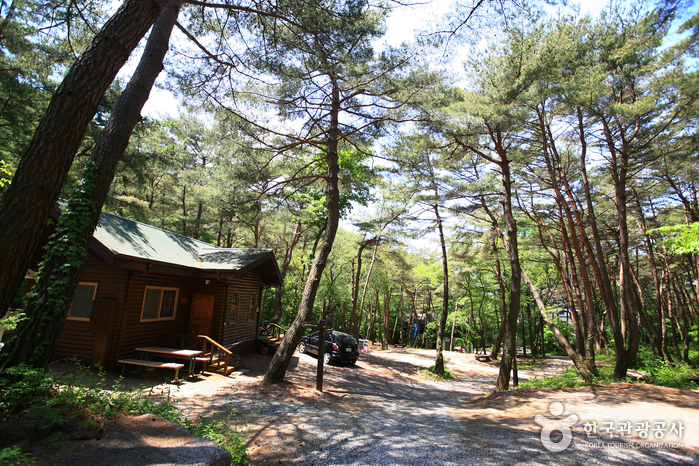
Joryeongsan Mountain (조령산)
2019-11-19
Munyeong-eup, Mungyeong-si, Gyeongsangbuk-do
+82-54-550-6414
Joryeongsan Mountain divides Mungyeong (Gyeongsangbuk-do) and Goesan (Chungcheongbuk-do), and is situated at the far end of Baekdudaegan Mountain Range that connects Baekdusan and Jirisan Mountains. The mountain is picturesque with its surroundings of dense forest, steep rocky areas, strangely shaped peaks and old trees. It has a grand scale of mountain ridge and high altitude. However, as the hiking trail starts at 529 meters on Ihwaryeong, it is not that tough. Nearby locations include Sinseongbong Peak and Mapaebong Peak, as well as Joryeongsan Recreational Forest.
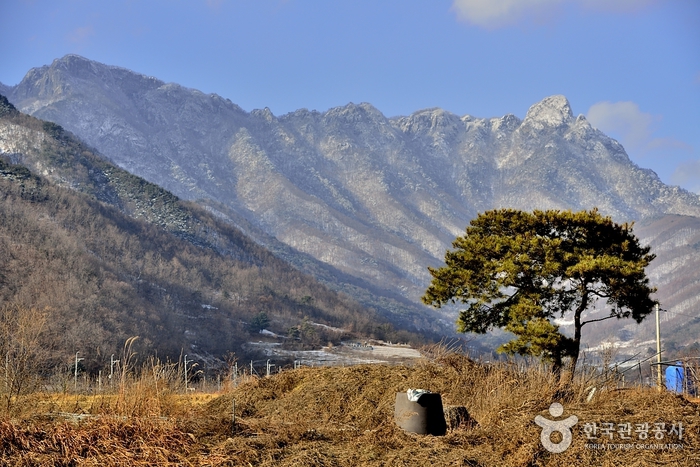
Juheulsan Mountain (주흘산)
2019-07-12
Mungyeong-eup, Mungyeong-si, Gyeongsangbuk-do
+82-54-550-6414
Juheulsan Mountain was once considered to be a sacred place and was the site of annual, royal mountain rituals during the Joseon Dynasty. It is situated in Mungyeong-si, Gyeongsangbuk-do and surrounded by six large villages (Sangcho-ri, Hacho-ri, Sang-ri, Jigok-ri, Palryeong-ri, and Pyeongcheon-ri). The mountain was believed to have produced talented scholars. Meaning “Chief, Majestic Mountain,” Juheulsan Mountain is still seen as the heart of Mungyeong and Mungyeongsaejae.
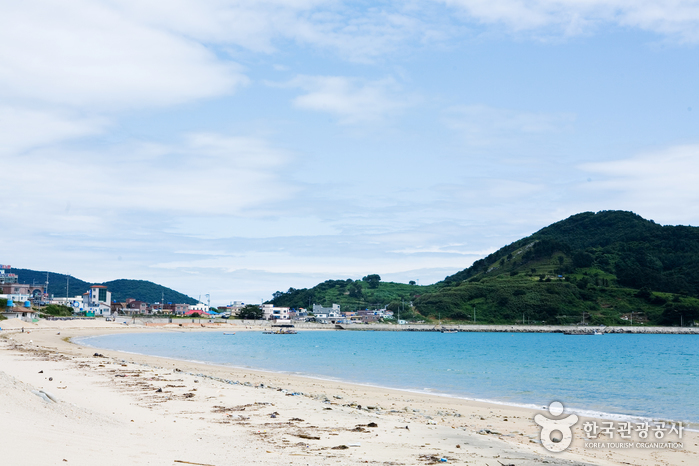
Gujora Beach (구조라해수욕장)
2023-04-06
2056, Geoje-daero, Geoje-si, Gyeongsangnam-do
Gujora Beach is not only known for its natural beauty and crystal clear water, but also as a beach that can be reached conveniently. It was initially used by U.S. soldiers when a prisoner-of-war camp was established in Geoje in the aftermath of the Korean War. After the beach was opened to the public in the 1970s, it became better known for its natural beauty than its military history. The beach is relatively shallow with warm water and stretches 1.1 kilometers long and has a x_width of 30 meters. It has many nearby attractions such as Mangsan Mountain, Sujeongbong Peak, Anseom Island, and Yundolseom Island, creating a beautiful view.
Situated farther inland, partially encircled by the coastline, the water at Gujora Beach is calm and serene. A number of restaurants can be found nearby, mainly selling fresh hoe (sliced raw fish) as well as famous local produce such as anchovies and seaweed. Visitors can enjoy the nearby attractions such as Gujora Fortress as well as Haegeumgang, Naedo, and Oedo Islands by taking a cruise tour.
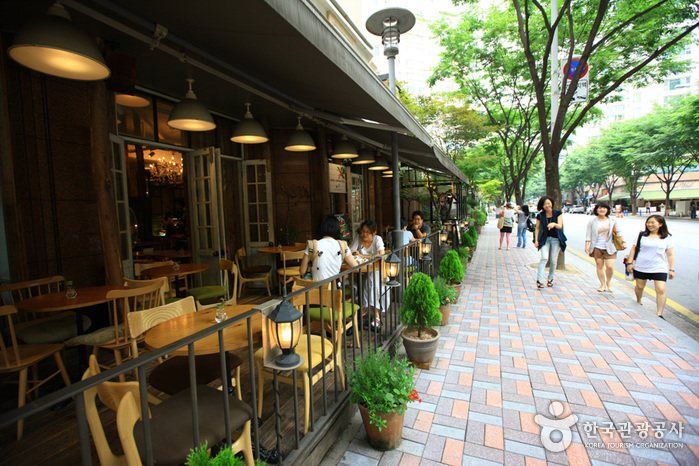
Bundang Jeongja-dong Café Street (분당 정자동 카페거리)
2024-02-29
234 Jeongjail-ro, Bundang-gu, Seongnam-si, Gyeonggi-do
Jeongja-dong Café Street, located in the Geumgok-dong area, boasts 40-50 cafés and restaurants on the ground floor, reminiscent of European street cafés. This street, known for its exotic vibe, attracts visitors who enjoy brunch and reading by day or strolling by night. The nearby Namhansanseong Provincial Park and its scenic valley are also worth exploring.
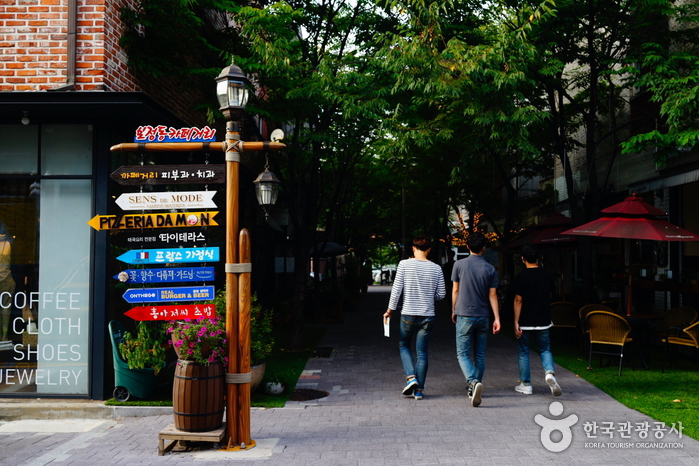
Bojeong-dong Café Street (보정동카페거리)
2021-01-27
Bojeong-dong, Giheung-gu, Yongin-si, Gyeonggi-do
+82-31-321-9393
Bojeong-dong Café Street, also known as Jukjeon Café Street, is located in Bojeong-dong, Yongin in Gyeonggi-do. The neighborhood of Bojeong-dong has gained popularity for its exquisite atmosphere and cute cafes lined up along the alleys. The cafe street is not only filled with unique cafes, but also has nice restaurants and clothing shops. In addition, the trees along the street add a nature-friendly touch, providing a welcoming atmosphere as a hangout place to visit with friends or families. The street was designated as Special Cultural Arts Street due to the street festivals and exhibitions held by the university nearby.
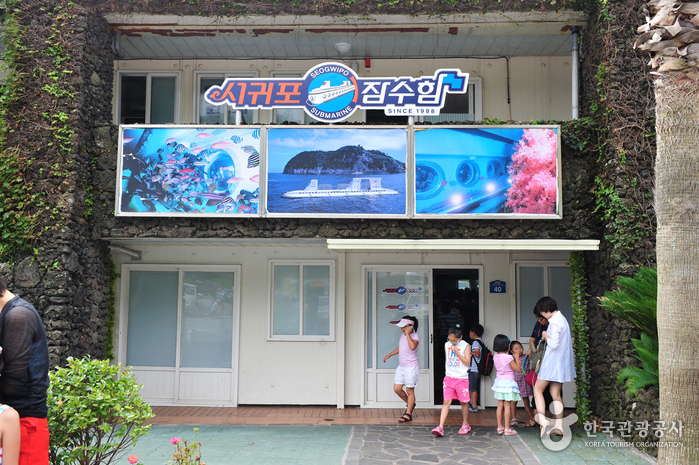
Seogwipo Submarine (서귀포잠수함 )
2024-03-12
40 Namseongjung-ro, Seogwipo-si, Jeju-do
Seogwipo Submarine offers tours to explore Munseom Island, a habitat for soft coral reefs. Operating the 67-passenger tourist submarine, the "Jiah," visitors can enjoy a variety of attractions at different depths. From vibrant schools of fish to diver shows, and even the wreckage of a sunken ship at a depth of 40 meters, there's plenty to see. Munseom Island is a designated natural reserve, renowned globally as a diving hotspot, boasting colorful coral reefs and stunning underwater landscapes teeming with marine life.
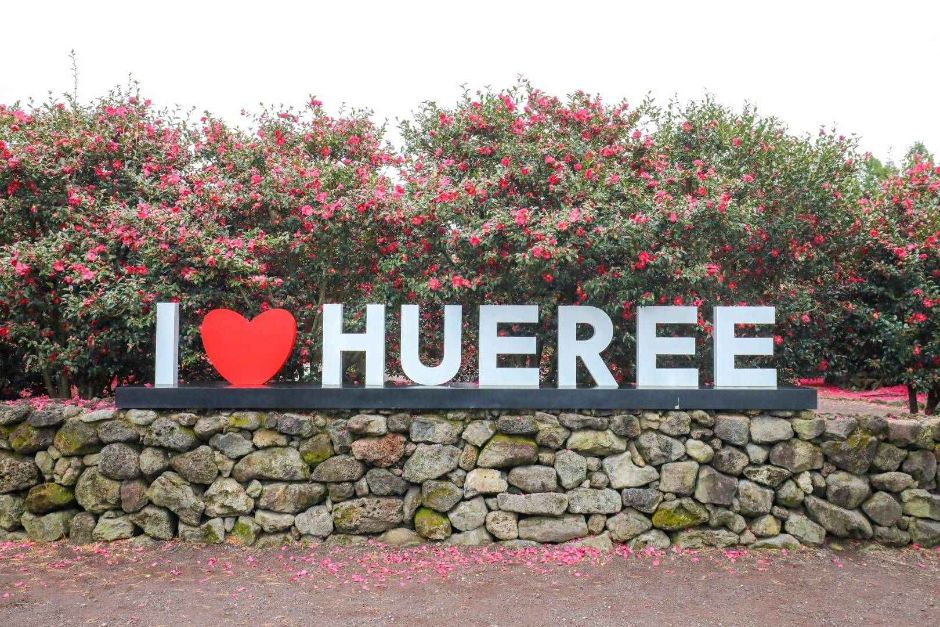
Hueree Natural Park (휴애리자연생활공원)
2024-12-04
256 Sillyedong-ro, Namwon-eup, Seogwipo-si, Jeju-do
Hueree Natural Park is a beautiful flower park boasting year-round flower festivals, highlighting the beauty of diverse seasonal flowers with the stunning backdrop of Hallasan Mountain. In addition, it also offers a series of programs for visitors to get up close and feed animals (such as black pigs), to play traditional games, and to walk barefoot through volcanic cinders. From October to January, the mandarin picking experience is a highlight.
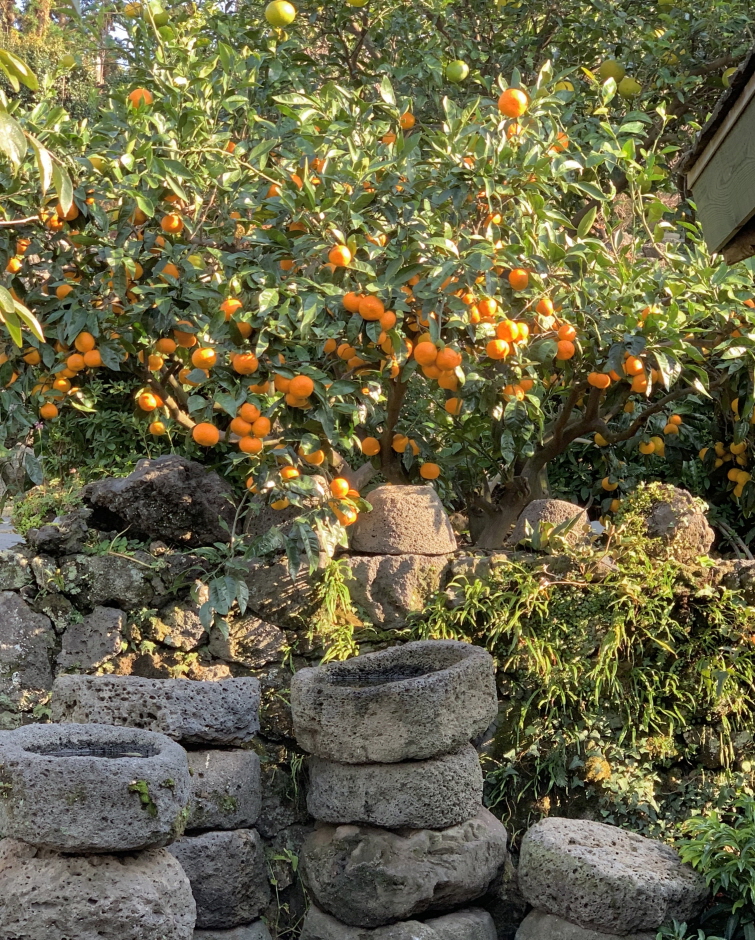
Seokbujak Museum (석부작박물관)
2021-03-25
8941, Iljudong-ro, Seogwipo-si, Jeju-do
+82-64-739-5588
Seokbujak Museum showcases art pieces crafted from the volcanic rocks that are a symbol of Jeju Island and living flora. The pieces change with the seasons, providing a chance to see the beauty of nature throughout the year. The museum is one of the best places to see the unique flora that grows only on Jeju all in one place.

Yongyeon Pond (용연)
2024-10-24
73 Heungun-gil, Jeju-si, Jeju-do
Yongyeon Pond, located where water from Hallasan Mountain meets the sea, is aptly named "where dragons frolic,”reflecting its stunning vistas and crystal-clear waters. The Yongyeon Cloud Bridge, spanning the area's cliffs, is particularly famous for its breathtaking night views. Additionally, the area becomes a cultural hub every summer with the Yongyeon Floating Musical Concert, an event that recreates the ambiance of late Joseon-era musical performances held on boats, offering a uniqe blend of history and entertainment.
Jeju Central Park (제주 센트럴파크)
2025-01-08
606, Bijarim-ro, Jeju-si, Jeju-do
Jeju Central Park is a miniature theme park located in the beautiful scenery of Hallasan Mountain. The park is divided into five different zones, including the World Heritage Land, Fantasy Land, and Dinosaur Land. It serves as a fun education park for children and teenagers where they can explore exotic landscapes without having to travel far. It also has the nation's first and largest outdoor go-kart track.
 English
 한국어
한국어 日本語
日本語 中文(简体)
 Deutsch
 Français
 Español
 Русский


