Bongsan Culture Street (봉산문화거리)
2025-01-09
38, Bongsanmunhwa-gil, Jung-gu, Daegu
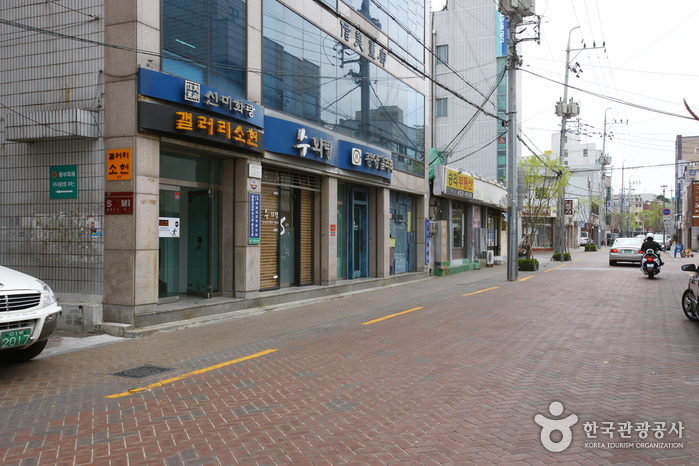
Bongsan Culture Street is a landmark culture & arts place in Daegu. The street, which stretches all the way from Daegu Hakwon to Bongsan Yukgeori (six-way intersection), has over 20 galleries of various sizes.
It was 1991 when the small alley with several art galleries started to turn into a breeding ground for culture and the arts. Soon after, the street was officially designated ‘Bongsan Culture Street’ and subsequently, the roads were neatly paved, artistic street lamps were installed, and streetside gardens were created. With the opening of Bongsan Culture Center and Cultural House for Teens, the street became increasingly frequently by citizens, not just professional artists.
At Bongsan Culture Street, artwork os on display throughout the year and every October (when the Bongsan Art Festival is held) the whole street is filled with artistic passion.
Jungoe Park (중외공원)
2026-06-30
52, Haseo-ro, Buk-gu, Jeonnam-Gwangju Special Metropolitan City
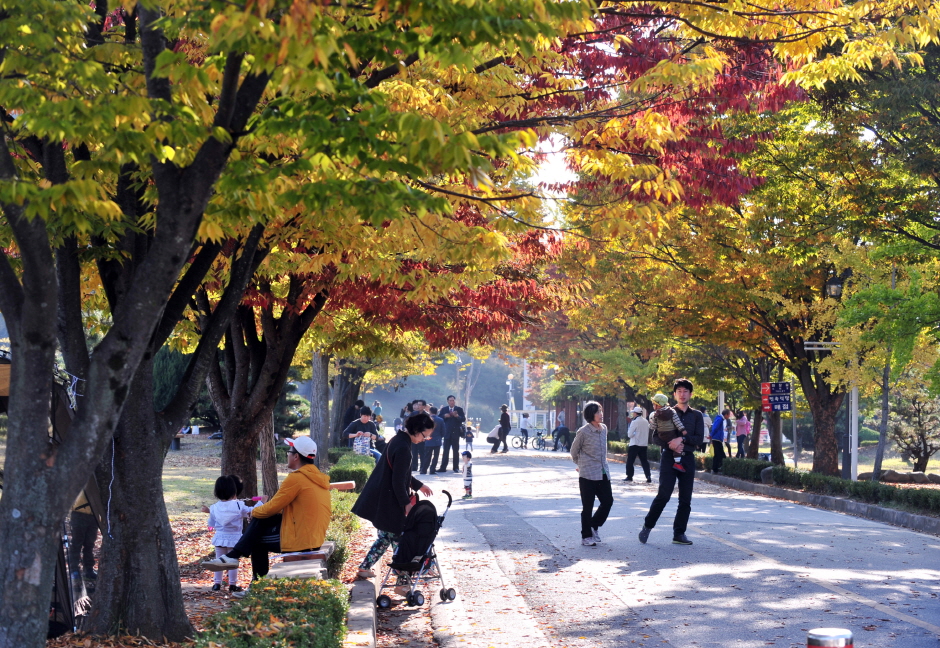
Jungoe Park is one of the nation's most famous leisure spaces. There is a children's grand park, the Olympic Garden, and the Olympic Monument. The children's grand park is especially popular on weekends and holidays.
There is also a folk museum, an education center, and the Biennale Exhibition Hall in the Biennale & Museum section of the park.
The park is most popular during fall for its beautiful foliage. In addition, the Rainbow Bridge is a symbol of the Biennale and was installed during the 1st Gwangju Biennale.
Gunbulo Bisl Resort Tourism Farm (비슬리조트관광농원 군불로)
2021-03-12
51, Naksan 1-gil, Cheongdo-gun, Gyeongsangbuk-do
+82-54-372-0900
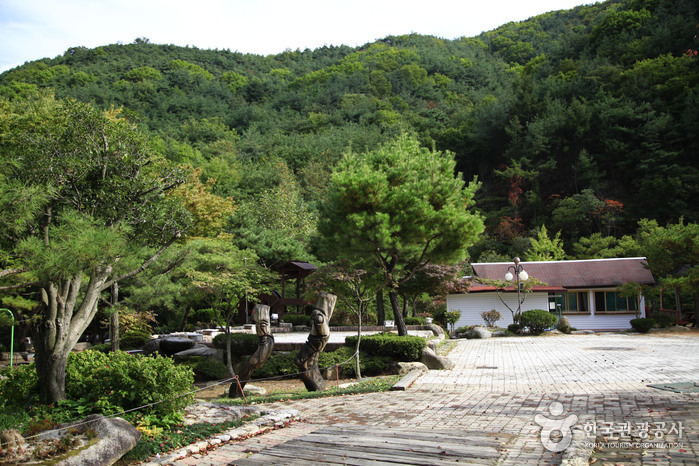
Gunbulo Bisl Resort Tourism Farm is located at the foot of Biseulsan Mountain and is the largest natural farm in the Gyeongsangbuk-do area, spread over 24 acres. The resort's beautiful natural scenery, great facilities, and variety of experience programs make it a popular venue for corporate training, school field trips, conferences, and religious retreats; the youth camp program is especially popular. Visitors are advised to make reservations in advance.
Miryang Yeongnamnu Pavilion (밀양 영남루)
2021-06-21
324, Jungang-ro, Miryang-si, Gyeongsangnam-do
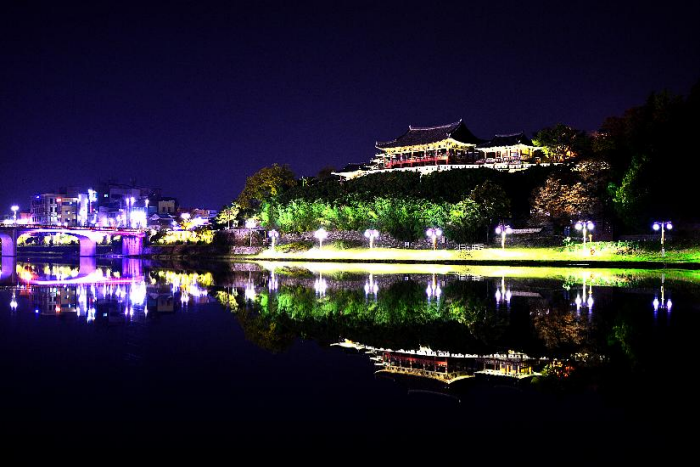
Located within Adongsan Mountain next to the Namcheongang River in Miryang, Yeongnamnu Pavilion (National Treasure No. 147) is one of three great pavilions of Korea together with Choseongnu Pavilion of Jinju and Bubyeongnu Pavilion of Pyeongyang.
A two-story-pavilion with a hip-and-gable roof was constructed at the same site during the Silla period, as part of Yeongnamsa Temple, which was one of the five great temples at the time. The pavilion was torn down and re-constructed during the ruling of King Gongmin in Goryeo dynasty. The current structure was built in 1884 and designed by then-magistrate Yi In-jae.
The pavilion area consists of Neungpagak, Chimnyugak, Sajumum Gate, Iljumun Gate and Cheonjingung. Stone-carved calligraphy from the Joseon period abounds in the pavilion complex, drawing many visitors.
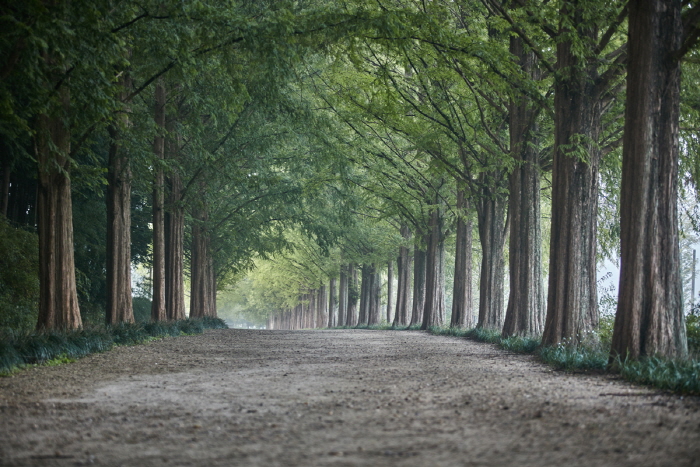
Damyang Metasequoia-lined Road (담양 메타세쿼이아길)
2026-06-30
12, Metasequoia-ro, Damyang-gun, Jeonnam-Gwangju Special Metropolitan City
Damyang Metasequoia-lined Road is one of Korea's most beautiful paths. Metasequoia trees were planted along the street in the early 1970s by the Ministry of Internal Affairs after National Road 24 was rebuilt. At that time, the saplings were only 3 to 4 years old and their branches stretched sparsely out into the sky; now, the trees have grown so high that they seem to block out the sun. Thanks to these stately trees, in 2002 the Korea Forest Service selected the boulevard as one of the most beautiful roads in Korea. The 8.5-kilometer-long boulevard is one of the most popular driving routes in Korea, especially during summer when the trees’ lush green leaves are at their x_height of beauty.
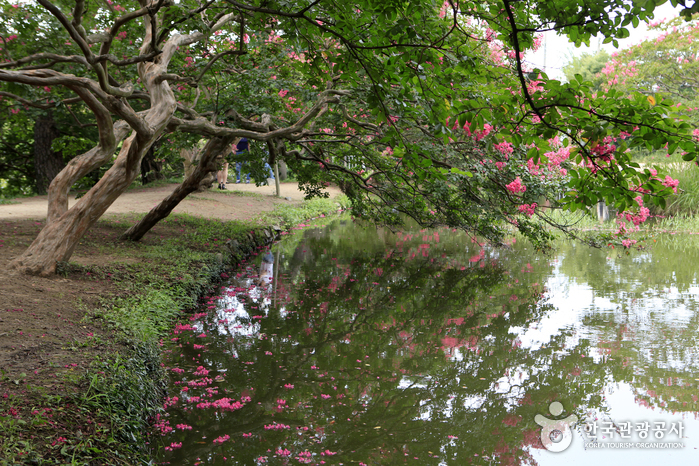
Myeongokheon Garden (담양 명옥헌 원림)
2026-06-30
103 Husan-gil, Goseo-myeon, Damyang-gun, Jeonnam-Gwangju Special Metropolitan City
Located in the eco-village of Husan-ri, Myeongokheon Garden was the garden of Oh Hui-do (1583-1623) of the Joseon dynasty and served as a simple, countryside sanctuary where the scholar read and wrote many books. Main features of the garden are the Myeongokheon Pavilion, where the scholar held lectures, and the square-shaped pond in front of the pavilion that is surrounded with graceful flowering trees. The flowering trees around the pond include red pines and crape myrtles. On the right side of Myeongokheon Garden you’ll see a 300 year-old ginkgo tree, which is where King Injo (1623-1649) of the Joseon dynasty tied his horse when he went to visit Oh Hui-do. ◎ Travel information to experience the charm of Hallyu - Drama A private garden created in the mid-Joseon Dynasty, harmoniously featuring a small pavilion, square pond, flowering trees, and pine trees. Every summer, photographers from across the country gather to capture the 300-year-old crape myrtle trees blooming in soft pink around the pond. It is also the place where Lee Yeong and Ra-on first met in .
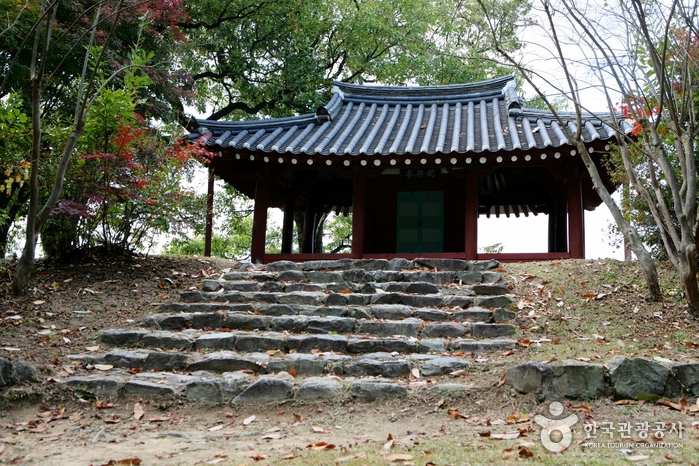
Myeonangjeong Pavilion (면앙정)
2026-06-30
382-11 Myeonangjeong-ro, Damyang-gun, Jeonnam-Gwangju Special Metropolitan City
Myeonangjeong Pavilion is located on the slopes of Jebongsan Mountain in Damyang-gun. The pavilion was constructed in 1533 by Song Sun (1493-1583), who built it as a place for writing poems. After its construction, the pavilion served as a meeting place for scholars and intellectuals and was even frequented by Lee Hwang (1501-1570), a representative Confucian scholar who is pictured on the 1,000 won bill.
The roof of Myeonangjeong Pavilion was originally made of reeds, straw, grass and other materials which could not withstand the elements. After several repairs, the building was developed into the wooden structure that it is today.
From the back of the pavilion, you can see the mountain range and open wide fields; renowned scholars’ poems are engraved on the wooden panels that decorate the pavilion walls.

Dodongseowon Confucian Academy [UNESCO World Heritage] (도동서원 [유네스코 세계문화유산])
2023-01-05
726, Gujiseo-ro, Dalseong-gun, Daegu
Dodongseowon Confucian Academy was first established by Confucian scholars in 1568 at the eastern base of Biseulsan Mountain, but was burnt down during the Imjin War (1592-1598). In 1605, the school was reconstructed on its current site and was renamed Borodongseowon. In 1607, the name was changed to Dongdoseowon. "Dongdo" means that the teachings ("do") of Confucianism come from the East (dong in Korean). Dodongseowon is one of the 47 major Confucian academies that was not affected by Heungseon Daewongun's order to eliminate Confucian academies.
Kook Soon Dang Juhyangro (국순당 횡성공장)
2022-12-26
975, Gangbyeon-ro, Hoengseong-gun, Gangwon-do
Juhyangro, meaning "a path of alcoholic flavor," is the name of the tour route around Kook Soon Dang's Hoengseong distillery. The traditional liquor produced by the distillery captures the clean air and water and the sincere devotion of its producers. The distillery offers tours as well as tasting programs, and product sales.
Gwanbangjerim Forest (관방제림)
2026-06-30
1, Gaeksa-ri, Damnyang-gun, Jeonnam-Gwangju Special Metropolitan City
Located in Damyang, Jellanam-do, Gwanbangjerim Forest (Natural Monument) is a forest that was made along the banks of Damyangcheon Stream. The two-kilometer-long forest stretches from Dongjeong Village in Namsan-ri to Hwanggeum-ri, Subuk-myeon and Gangui-ri, Daejeon-myeon.
Gwanbangjerim Forest is a special manmade forest that was planted to prevent flooding along Damyangcheon Stream. It is comprised of large trees such as muku trees, zelkova trees, nettle trees, and cherry trees that are about 200 to 300 years old.
The forest’s beauty is so well known that it was even selected as “Korea’s Most Beautiful Forest” by the Korean Forest Services. Visitors enjoy this gorgeous natural getaway all year round, with many stopping by the forest Sculpture Park for pictures. Nearby attractions include the Jungnogwon Bamboo Garden and the Metasequoia-lined road.
 English
 한국어
한국어 日本語
日本語 中文(简体)
 Deutsch
 Français
 Español
 Русский


