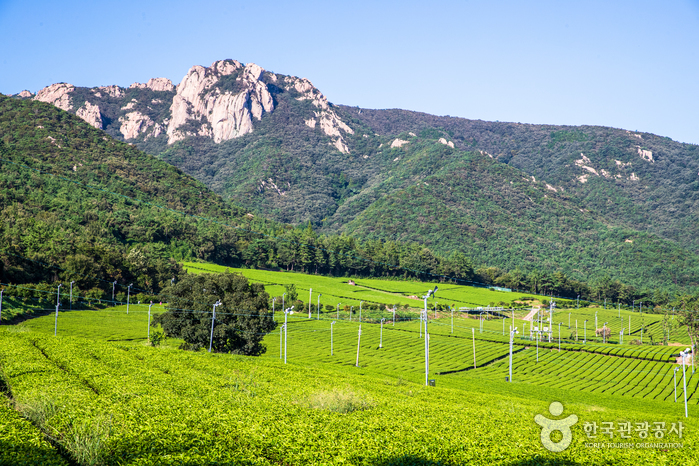
Gangjin Dawon Tea Plantation (전남 강진다원)
2026-08-20
93-25, Baegun-ro, Gangjin-gun, Jeonnam-Gwangju Special Metropolitan City
Gangjin Dawon Tea Plantation is located at the southern foot of Wolchulsan Mountain in Jeonnam-Gwangju Special Metropolitan City. The area’s big temperature difference between day and night and the frequent thick fog provide ideal conditions for tea cultivation. The tea cultivated at Gangjin Dawon has a strong scent and rarely tastes bitter. Gangjin Dawon is the home of the nation’s first green tea product “Baegunokpancha.” Since 1980, an extensive area of mountainous territory has been cultivated for green tea production to become the more than 80 acres of green tea fields that it is today. As Gangjin Dawon is relatively lesser known than the green tea fields in Boseong, visitors can enjoy a relaxing time surrounded by the vastness of the green tea fields. Nearby attractions include Baengnyeonsa Temple, the Birthplace of Yeongnang, Gangjin Goryeo Cheongja kiln site, and Dasan Chodang, the house where the famous scholar Dasan Jeong Yak-yong (1762-1836) lived during his exile.

Muwisa Temple (무위사)
2026-08-20
308, Muwisa-ro, Gangjin-gun, Jeonnam-Gwangju Special Metropolitan City
Muwisa Temple is located on Wolchulsan Mountain in Gangjin-gun, Jeonnam-Gwangju Special Metropolitan City. The temple has at least 1,100 years of history as it was established sometime before the early 10th century under the name Muwigapsa Temple. The temple houses many significant Buddhist treasures.
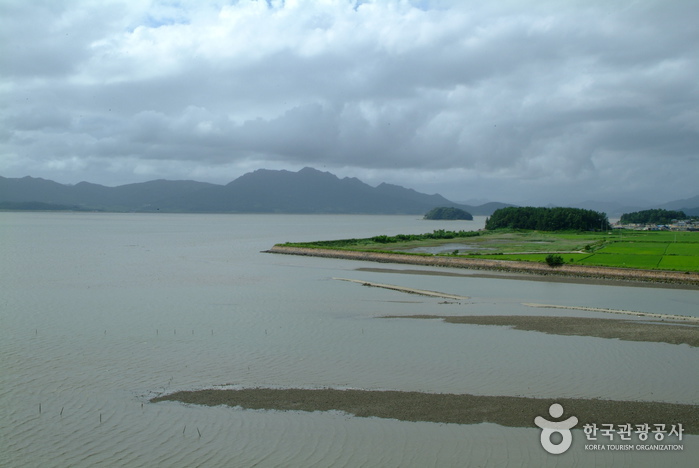
Gangjinman Bay (강진만)
2020-03-27
Beoljeong-ri, Gangjin-gun, Jeollanam-do
+82-61-430-3114
Gangjin has many scenic landscapes with Wolchulsan Mountain to the north and the sea of Gugangpo dotted with numerous islets and wetlands to the south. It is also home to beautiful mountains, rivers, and plains that add to its scenic beauty and natural features. The Baengnyeonsa Temple and Dasan Chodang to the west of Gangjinman Bay, and the reeds along the coastline are a beautiful sight to behold. Also, the National Highway No. 23 that runs along the eastern border of the Gangjinman Bay, past the town of Gangjin-eup to Maryang, is famous for its many spectacular sights. Above all, it is highly recommended to hike up the Cheonilgak Pavilion in front of the Dasan Chodong Dongam (east hermitage) for a panoramic view of Gugangpo’s coastal waters. The hiking trail that traverses Mandeoksan Mountain leads to Baengnyeonsa, which is a temple with breathtaking ocean view.
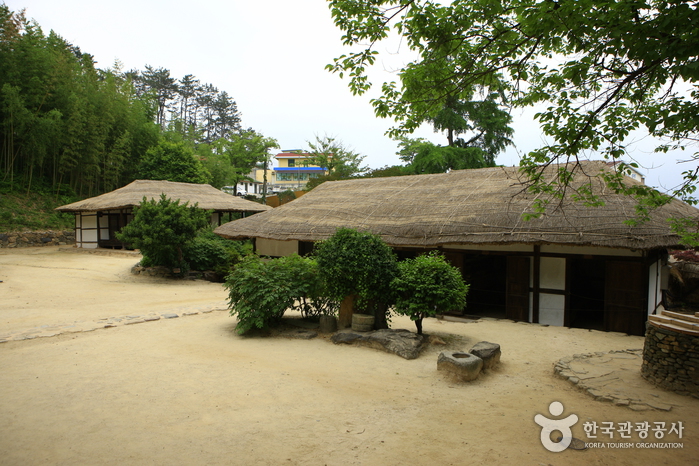
Birthplace of Yeongnang (강진영랑생가)
2019-08-10
15, Yeongnangsaengga-gil, Gangjin-gun, Jeollanam-do
+82-61-430-3185
Kim Yun-sik was born on this site on January 16, 1903 as the first-born of two sons and three daughters. Under the pen name Yeongnang, he was active in literature until his death on September 29, 1950. Among the 80 poems he published, more than 60 were written in this place where he lived a life resisting Japanese imperialism and refusing to change his name to a Japanese name. After he moved to Seoul in 1948, his birthplace was resold several times, but the county of Gangjin-gun bought it in 1985 to restore it to its original state with a thatched-roof. The site features many of the poet’s writing materials and the site has a small well, camellia trees, jangdokdae (a platform where large clay pots used for storing food are kept), persimmon trees, and a peony garden.
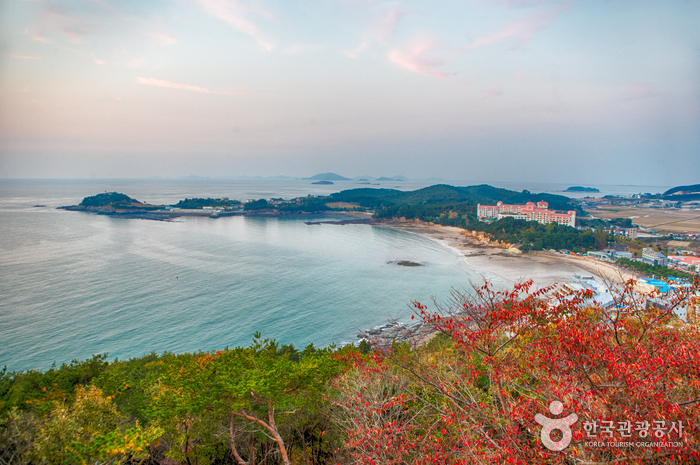
Gyeokpo Beach (격포해변)
2024-04-07
29-14, Byeonsanhaebyeon-ro, Buan-gun, Jeonbuk-do
Gyeokpo Beach, located near Chaeseokgang River, is also called Chaeseokgang Beach. The beach is more famous for the view of Chaeseokgang River and the sunset over the west sea. The beach get popular in summer, full of visitors enjoying the scenery and water activities. Known for its clear waters and gentle slope, the 500 meter long white sand beach is especially popular among families. The pine forest around the beach provides a perfect rest area for those looking for a shade. There are also many accommodations and restaurants nearby.
![Jeokbyeokgang Cliffs [National Geopark] (적벽강 (전북 서해안 국가지질공원))](http://tong.visitkorea.or.kr/cms/resource/30/3025630_image2_1.jpg)
Jeokbyeokgang Cliffs [National Geopark] (적벽강 (전북 서해안 국가지질공원))
2024-04-07
Gyeokpo-ri, Buan-gun, Jeonbuk-do
The area around Jeokbyeokgang Cliffs features great plant distribution value, including a population of Machilus, a designated natural monument. The cliffs are a great location for geological and ecological educational moments when visiting nearby attractions such as Chaeseokgang River and Gyeokgo Beach. The cliff is mostly composed of pepperlite, a unique rock that forms when volcanic rhyolite and sedimentary shale merge together.
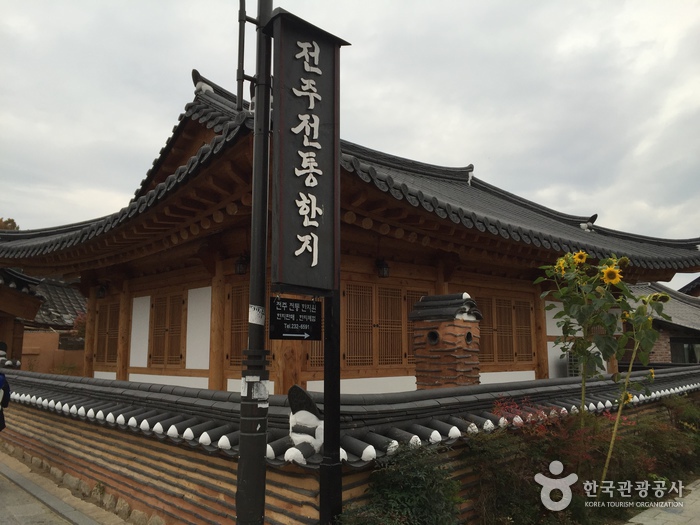
Jeonju Traditional Hanji Center (전주전통한지원)
2024-04-07
100-10, Hanji-gil, Wansan-gu, Jeonju-si, Jeonbuk-do
Jeonju has been a major producer of quality hanji paper for more than a thousand years. In keeping with this proud tradition, the Jeonju Traditional Hanji Center aims to preserve traditional paper-making techniques and become a mainstay in the hanji industry. More than 80 percent of the paper produced at the center is exported to Japan while the rest is used in Korea. The center produces, exhibits, and sells hanji used for calligraphy, Oriental paintings, and crafts, as well as special “yellow earth” wallpaper hanji and charcoal hanji, said to provide certain health benefits. Visitors can also sign up for crafting classes, including first-hand experience at making hanji, imprinting patterns and drying the paper.
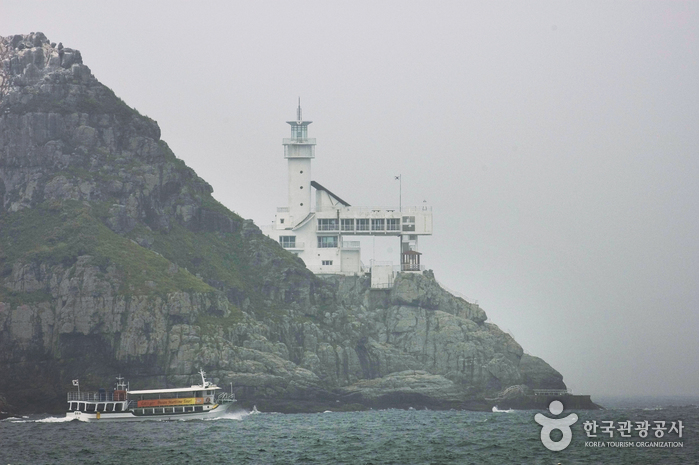
Oryukdo Lighthouse (오륙도 등대)
2020-02-26
130, Oryukdo-ro, Nam-gu, Busan
+82-51-607-6395
Oryukdo is a rocky island located in the oceanside of the Yongho-dong neighborhood. Depending on the tides, Oryukdo (“O” meaning “5”, “Yuk” meaning “6”) sometimes looks as if it is made of five or six islets. Several decades after the Busanhang Port opened (1876), a lighthouse was built (November 1937) in Batseom Island of Oryukdo to guide ships traveling to and from the island. Initially only 6.2 meters high, the lighthouse underwent renovations (completed in December 1998) and now stands tall at 27.5 meters. The lighthouse is home to an exhibition room showing photos of major lighthouses in Korea and boasts a stunning view of Busanhang Port as well as an unforgettable nightscape.
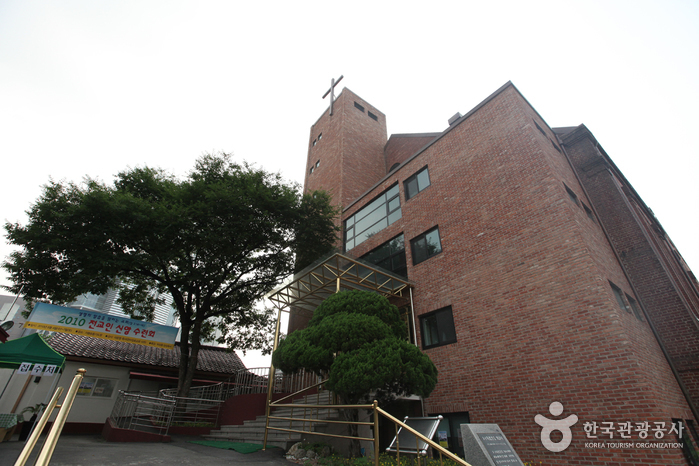
Seungdong Church (승동교회)
2020-04-02
7-1, Insadong-gil, Jongno-gu, Seoul
+82-2-732-2340
Seungdong Presbyterian Church was designated Tangible Cultural Asset No. 130 by the Seoul Metropolitan Government on April 6, 2001. Originally known as “Gondanggol Church,” the church was established by Samuel Foreman Moore (1860-1906) in 1893. In those days, the church was known as a “baekjeong church” since it primarily drew Korea’s social underdogs such baekjeong (the butchers), the untouchable class of Joseon society.
Following a number of relocations and name changes (called “Gondanggol,” “Jungang,” and finally “Seungdong”) the church was moved to its current location in Insadong. After Moore died in 1906, Charles Allen Clark became the pastor of the church and Mongyang Yuh Woon-hyung, a key figure in the political history of Joseon, became active in the church. The church was attended by many other activists as well. In fact, the large student demonstration that took place during the March 1st Independence Movement in 1919 was organized by a group of young church members. The church once again made its mark on history with the establishment of the Joseon Theological Seminary in 1939.
Seungdong Church (B1-2F) covers a total of 660 square meters. No record has been found on its architect or builder, but the building is said to have been one of the more magnificent buildings in the area before its beauty was obscured by newer structures.

Roe Deer Observation Center (제주 노루생태관찰원)
2020-12-03
520, Myeongnim-ro, Jeju-si, Jeju-do
+82-64-728-3611
Roe Deer Observation Center opened on August 3, 2007 to offers a place where visitors may observe and watch roe deer and other creatures in their natural habitat. Guests can watch the deer from the forest trails, or feed them at the experience enclosure. The exhibition hall offers information on Hallasan Mountain and the animals and plants that live around it, including a video room teaching about the life of a roe deer. The observation center grounds also include walking paths up Geochinoreum Volcanic Cone.
 English
 한국어
한국어 日本語
日本語 中文(简体)
 Deutsch
 Français
 Español
 Русский


