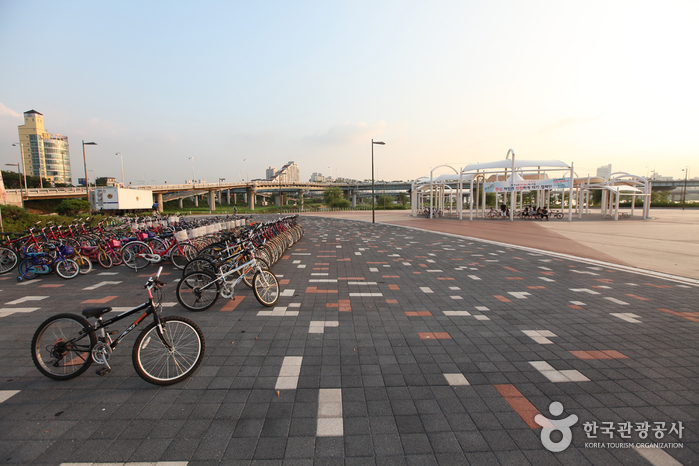
Gwangnaru Hangang Park (광나루한강공원)
2021-12-25
83-66, Seonsa-ro, Gangdong-gu, Seoul
Hangang Citizen's Park, composed of 12 areas including Jamsil, Ttukseom and Jamwon, is an eco-friendly park providing areas for sports and leisure. The park is equipped with various cultural and recreational facilities and also has an ecological park. Gwangnaru Hangang Park formed naturally through rich silt that flowed in from the upper Hangang River that was then filled with reeds, creating an ideal habitat for groups of migratory birds.
Baeksajang Beach (백사장해수욕장)
2021-07-01
Changgi-ri, Taean-gun, Chungcheongnam-do
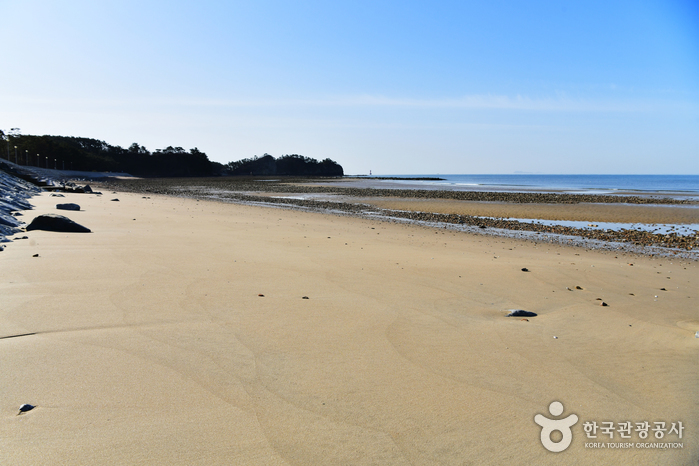
Baeksajang Beach is located near Baeksajangpogu Port which is just 4 kilometers southwest of Anmyeon-do Yeonyukgyo Bridge, the bridge connecting the mainland to the island. The beach has a long stretch of shimmering white sand and the ebbing tide creates a different view of the horizon. Though the water level has a large tidal range, the beach's moderate water temperature makes it suitable to swim even in late summer. The beach is 1.2 kilometers long and 300 meters wide, and is made up of fine silica sand.
Baeksajang Beach and the nearby Sambong Beach is one of the major sources of jumbo shrimp. During autumn, crowds come to enjoy the taste of fresh jumbo shrimp. The beach even holds a prawn festival every fall when jumbo shrimp production peaks.
Mongsanpo Beach (몽산포해수욕장)
2022-08-03
65-27, Mongsanpo-gil, Taean-gun, Chungcheongnam-do
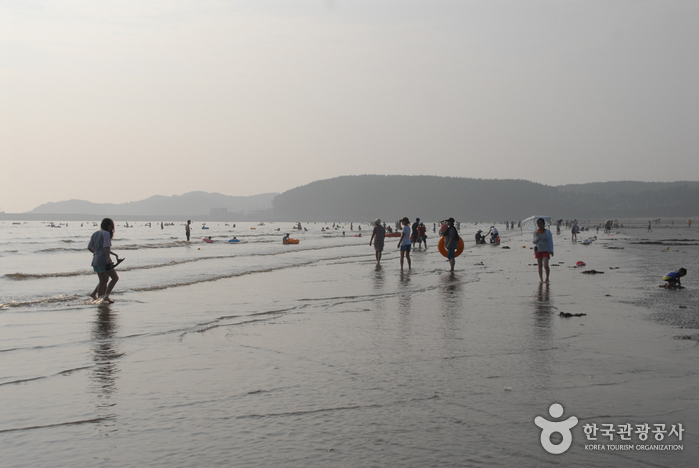
Mongsanpo Beach, part of Taeanhaean National Park, stretches 18 kilometers southwest of Seosan, 9 kilometers south of Taean and along the west coast of the Nammyeon Peninsula. Mongsanpo's white sand beach is around 3 kilometers long and has a 5 degree tilt. The water is 1~2 meters deep with an average temperature of 22 degrees Celsius.
The beach is surrounded by a dense forest of pine trees. The pine tree forest along the beach serves as a good auto-camping location to enjoy some fresh air and the natural beauty of the surroundings. During low tide, the muddy sediments deposited by the tide provide a place where people come to catch clams and mud crabs or as a field trip for children to learn the mudflat ecosystem.
A 1-kilometer drive in the western direction while passing through the spectacular pine tree tunnel brings visitors to Mongdaepogu Port where a number of fishing boats are docked. Near the port, there are a number of small seafood eateries to enjoy freshly sliced raw fish at reasonable prices.
Mageompo Beach (마검포해수욕장)
2021-07-01
Sinon-ri, Taean-gun, Chungcheongnam-do
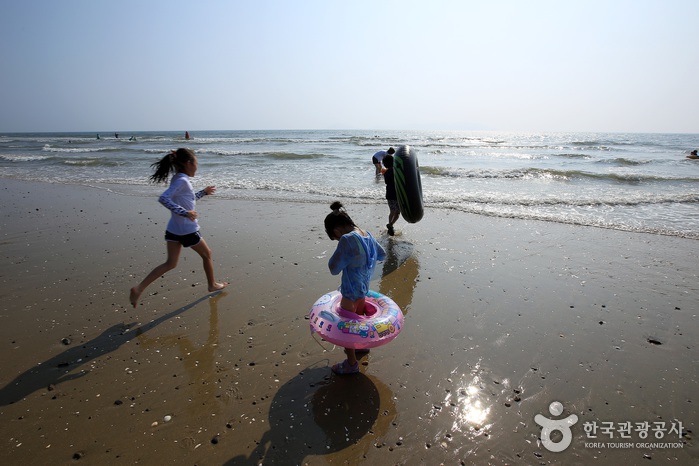
Mageompo Beach in Nam-myeon, Taean-gun is located right before the bridge that leads to Anmyeondo Island. As the beach is not widely popular among tourists, one can spend a quiet and tranquil vacation here. Near the beach is a dense pine tree forest where one can enjoy camping. The white sand and shallow waters also make it a good place for kids to swim. In the evening, the beach is a great spot to watch the breathtaking sunset.
This beach is famous for silchi-hoe, a dish consisting of freshly sliced raw fish. The ocean near the beach is one of the biggest natural sources of fresh seafood such as anchovy, sand eel and short arm octopus.
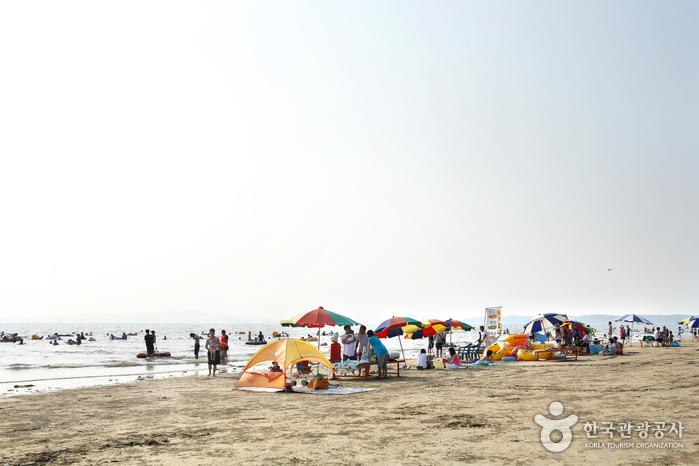
Cheongpodae Beach (청포대해수욕장)
2021-06-24
57-2, Cheongpodae-gil, Taean-gun, Chungcheongnam-do
Cheongpodae Beach is located just south of Mongsanpo Beach. Its gently curved shoreline, unique rock formations, pine trees, and migratory birds all combine to make one spectacular scenery. The sand is white, the waves are not too high, and the water temperature is just right - all these are reasons to make this the next family vacation destination. Visitors can enjoy fresh seafood at nearby Mageumpo Port with a view of various islands.
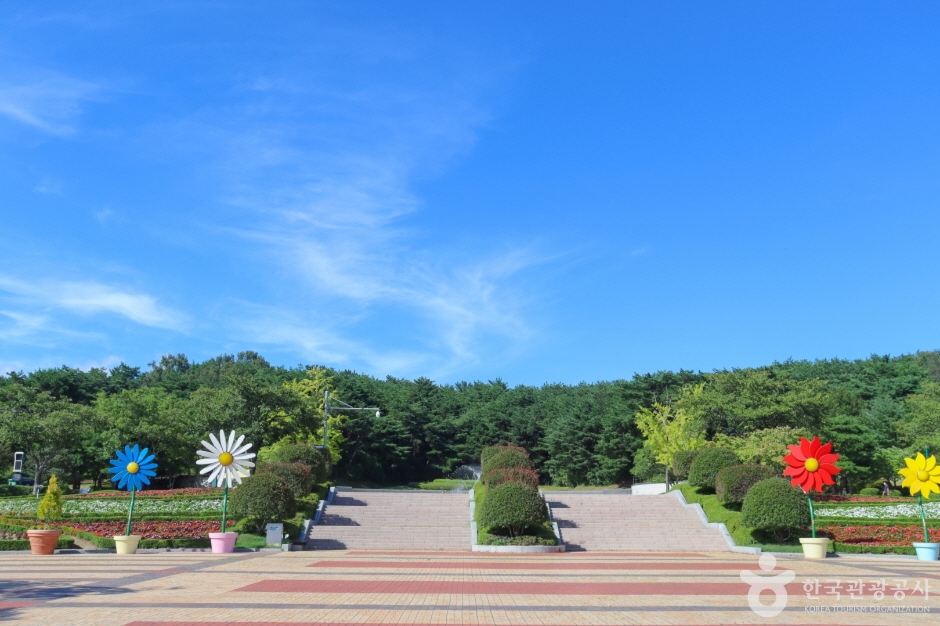
Ulsan Grand Park (울산대공원)
2024-11-11
94 Daegongwon-ro, Nam-gu, Ulsan
Ulsan Grand Park, located in Namgu Ok-dong, is an ecotype city park with multiple attractions. The park offers huge swimming pool, a theme park, an outdoor concert area, multipurpose sports field and more. The outdoor theme park offers 4 different size ponds, a walking trail, playgrounds, outdoor concert hall, squares, multipurpose sports field and picnic areas. Also near the South gate, you can find a butterfly field, rose garden, and a small zoo.
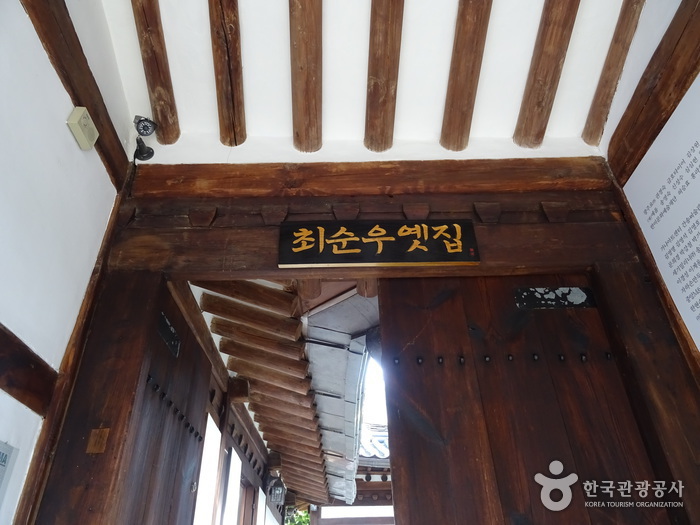
Choi Sunu House (최순우 옛집)
2021-12-21
9, Seongbuk-ro 15-gil, Seongbuk-gu, Seoul
The Choi Sunu House is the old residence of Hyegok Choi Sunu (1916-1984), who lived in this house from 1976 until the day he passed away. The house is designated as Korea’s Registered Cultural Property. Choi Sunu was a leading art historian who served as the director of the National Museum of Korea. He devoted his life to rediscovering the beauty of Korean art and made many academic accomplishments in the areas of Korean ceramics, traditional woodcraft, and the history of painting.
The house has been open to the public as the Hyegok Choi Sunu Memorial Hall since 2004. The memorial hall displays Choi Sunu’s relics as a permanent exhibition and holds special exhibitions in the fall as well as cultural programs every spring and fall.
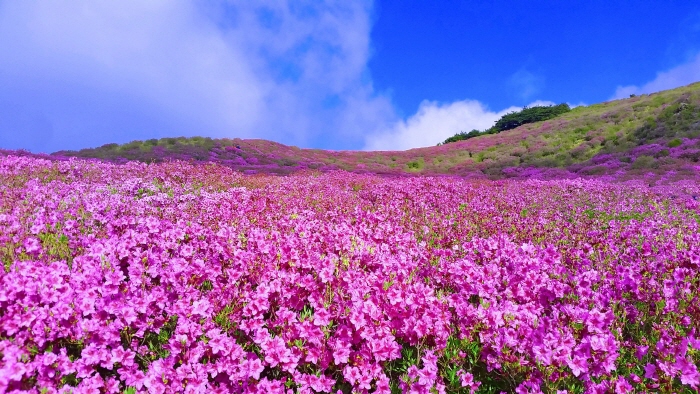
Hwangmaesan County Park (황매산군립공원)
2025-01-13
4, Hwangmaesangongwon-gil, Hapcheon-gun, Gyeongsangnam-do
Located at the border between Gahoe-myeon and Daebyeong-myeon of Hapcheon, Hwangmaesan Mountain has long been considered a guardian mountain of Hapcheon, but was rarely ever featured in hiking or tourist publications. Thanks to this, the mountain's natural environment has been kept in pristine condition. In 1983, the mountain was designated as a county park and now, along with Gayasan Mountain, it is regarded as one of the major mountains in Hapcheon. Hwangmaesan Mountain is one of the last mountain peaks of the Taebaek Mountain Range, and reaches an altitude of 1,113 meters. Pine trees and royal azalea decorate the rocky mountain. From the summit, hikers can see Hapcheonho Lake and Jirisan, Deogyusan, and Gayasan Mountains.

365 Safe Town (365세이프타운)
2024-02-22
15 Pyeonghwa-gil, Taebaek-si, Gangwon-do
365 Safe Town is the largest comprehensive safety experience center in the country, integrating education and entertainment facilities under the theme of safety. It features five main 4D experience zones covering earthquakes, forest fires, storm and flood damages, snow disaster, and terrorism, along with Escape from Singing Room and Airplane experience zone. Visitors can learn CPR, descending health line use, fire and smoke escape technique, fire extinguisher use through hands-on experiences.
Naganeupseong Walled Town (순천 낙안읍성)
2026-06-30
30, Chungmin-gil, Nagan-myeon, Suncheon-si, Jeonnam-Gwangju Special Metropolitan City
Naganeupseong Walled Town is located in Jeollanam-do, and contains a fortress town that is over 59,504 ㎡ in size. The fortress walls were built using square-shaped stones to reach 4 meters in height, 3 to 4 meters in width, and 1,410 meters in total length. The town consists of three neighborhoods along the east, south and west of the fortress walls. The village is overall well preserved, allowing visitors to observe houses and lifestyles that have all been passed down from the past. The town is highly valued as a historical and cultural resource for studying traditional folk customs. ◎ Travel information discovering the charm of Hallyu - Drama This traditional village offers visitors a glimpse into the lives of Koreans from the Joseon Dynasty to the present day. Clusters of thatched-roof houses create a warm atmosphere, while the earth-and-stone walls and beautifully curved roofs add a simple yet elegant charm. Walking along the fortress wall offers a panoramic view of the village filled with traditional thatched-roof houses. The village is also known as the filming location of the home where Min Jae-yi lived in the drama .
 English
 한국어
한국어 日本語
日本語 中文(简体)
 Deutsch
 Français
 Español
 Русский


