Jangsado Sea Park (장사도해상공원)
2024-02-27
55 Jangsado-gil, Hansan-myeon, Tongyeong-si, Gyeongsangnam-do
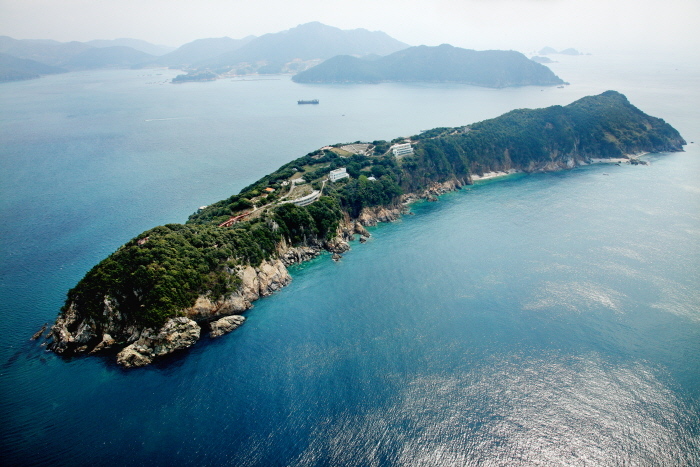
Jangsado Sea Park, located approximately 21km (about 50 minutes) from Donam Port in Tongyeong, is an island within the Hallyeohaesang National Park, boasting over 100,000 camellia and silver magnolia along with natural monuments like the fairy pitta, sickle neofinetia, and seongnan orchids. Resembling a silkworm with a x_width of 400m and a length of 1.9km, it was formerly known as Jangsado Island, and it was called as 'Jamsado' in that time. The island features attractions such as the Camellia Tunnel Trail, Maze Garden, Herb Garden, Rainbow Bridge, and Seungni Observatory.
Onemount Water Park (원마운트 워터파크)
2026-03-11
300 Hallyu world-ro, Ilsanseo-gu, Goyang-si, Gyeonggi-do
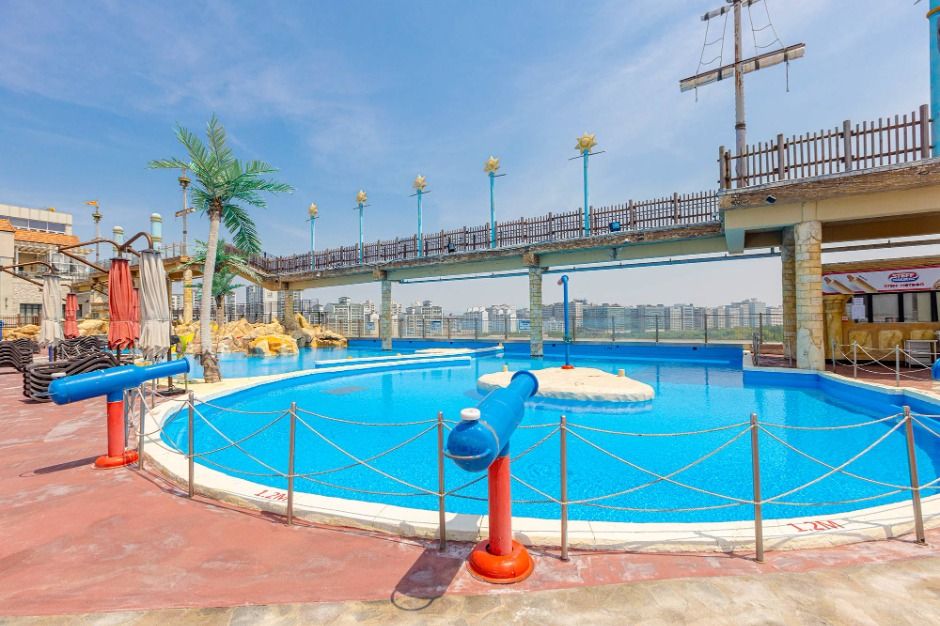
Situated near Hallyu World and KINTEX in Ilsan, Onemount is the largest multi-cultural space in the northwest metropolitan region. It is housed in three buildings with two underground floors and nine above-ground floors, for a total surface area of 161,602 square meters. Aiming to be the best playground in the world, Onemount features a shopping mall, snow park, water park, and a members-only luxury sports club, and also organizes various performances, events, and parties throughout the year. Onemount Water Park is a huge urban water park that offers an array of both indoor and outdoor attractions. The water park offers spaces for sun tanning and enjoying the natural sunlight, and also hosts special poolside parties. It has nine water amusement facilities, with recreational facilities including a thrilling slide reaching 40 meters in height, a wave pool, a waterplay facility, and a running-water pool. Water also regularly splashes throughout the park, adding an element of excitement.
Haepungbuwongun Yun Taekyeong's Jaesil (해풍부원군윤택영댁재실)
2021-11-10
28, Toegye-ro 34-gil, Jung-gu, Seoul
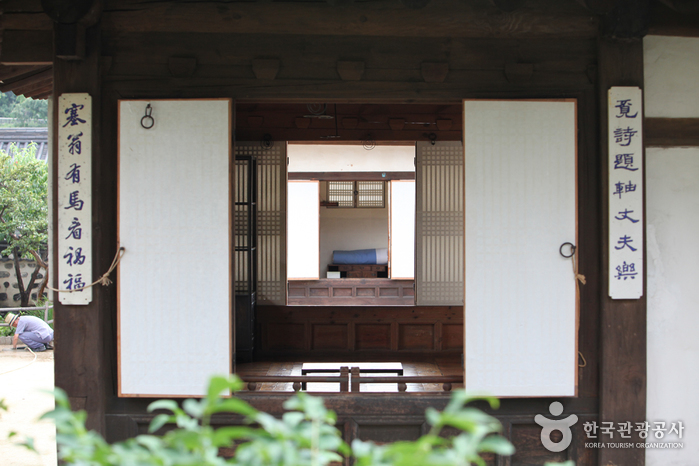
Haepungbuwongun Yun Taekyeong's Jaesil is a shrine house built by the father-in-law of King Sunjong of Joseon dynasty in 1906 when his daughter was proclaimed the crowned princess of Joseon and entered Changdeokgung Palace to later become Queen Sunjeong. Red pine trees salvaged from the demolition of Gyeongungung Palace were used to construct the house. It was originally located in Jegi-dong, Dongdaemun-gu, but was later restored and moved to its present location. The shrine of the house that was destroyed in 1960 was also restored.
Because the house is more of a shrine rather than residential living quarters, it has many unique features. For example, unlike other houses, it has the anchae (women’s quarters) located across from sarangbang (men’s quarters) with daecheong (living room) positioned between them.
Wangsan Beach (왕산해수욕장)
2026-06-30
Eulwang-dong, Yeongjong-gu, Incheon
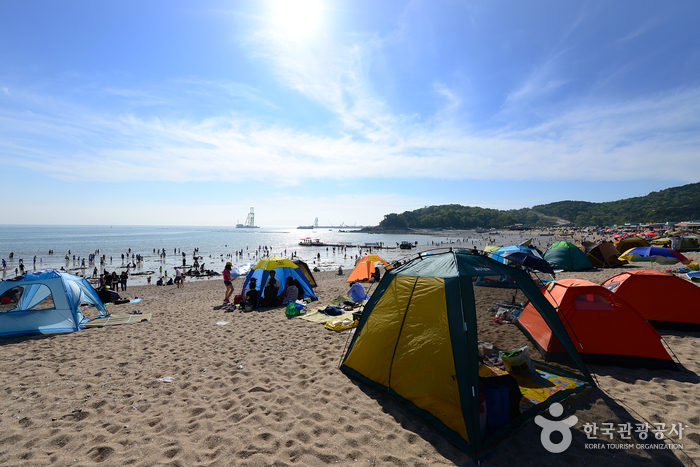
Wangsan Beach is famous for its view of the setting sun, being designated the first of the Eight Sites of Yongyu. The red glow fading into the ocean is truly breathtaking, drawing in crowds throughout the year. The beach is also beautiful during the day, with a clean sandy shore backed by a lush pine forest. Wangsan Beach also has a more relaxed atmosphere compared to the nearby Eurwang-ri Beach. A campground is located near the beach, complete with autocamping, glamping, and caravan rental facilities.
Jamjindo Island (잠진도)
2026-08-20
144, Jamjindo-gil, Yeongjong-gu, Incheon
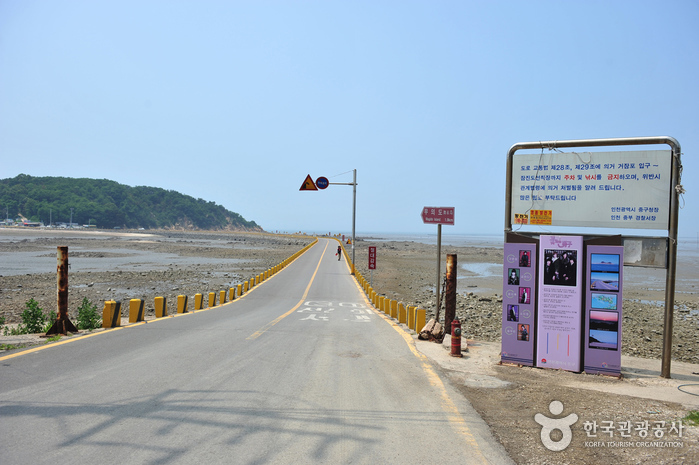
Located in Yeongjong-gu, Incheon, Jamjindo Island is a small island connected with Yeongjongdo Island. A road from the mainland to the island makes access to Jamjindo much more convenient. Its sunset views of mud flats dyed fantastic shades of red by the setting sun attract many visitors to take pictures and to dig out clams at low tide. There are also crowds of visitors waiting to take the short (just 5 minute) ferry ride to Muuido Island (famous for connecting to Silmido Island) at the ferry dock in Jamjindo Island. Visitors should check the schedule of the ferry in advance as the ferry may not run to Muuido Island at low tide. Eurwangni Beach, Hanagae Beach, and Deokgyo Beach are easily accessible to the island.
Geojampo Beach (거잠포해변)
2026-06-30
11, Jamjindo-gil, Yeongjong-gu, Incheon
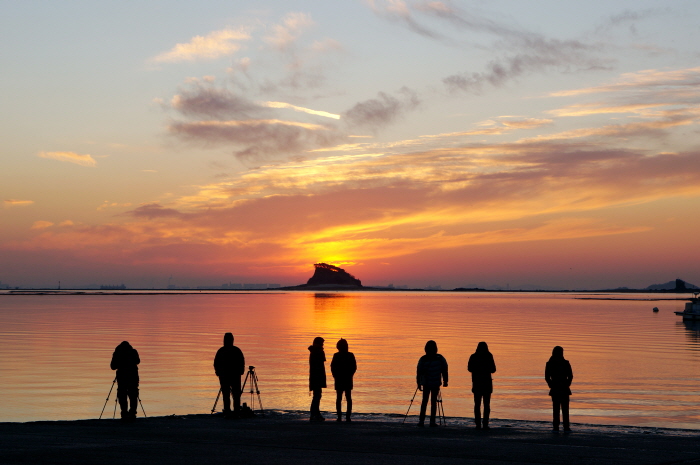
Although Geojampo beach is on the west coast, the estuary is facing the east allowing for a great view of the sunset and sunrise. The nearby Maedo Island is also called Sharkseom Island because it creates the shape of a shark's fin. The sunlight along the ocean creates a beautiful view during sunrise and sunset. The beach is lined with pine trees and has white sand, making it a popular family vacation destination. There are plans to develop the area to an international vacation destination.
Daejeonghyanggyo Confucian School (대정향교)
2019-12-26
165-17, Hyanggyo-ro, Andeok-myeon, Seogwipo-si, Jeju-do
+82-64-742-8866
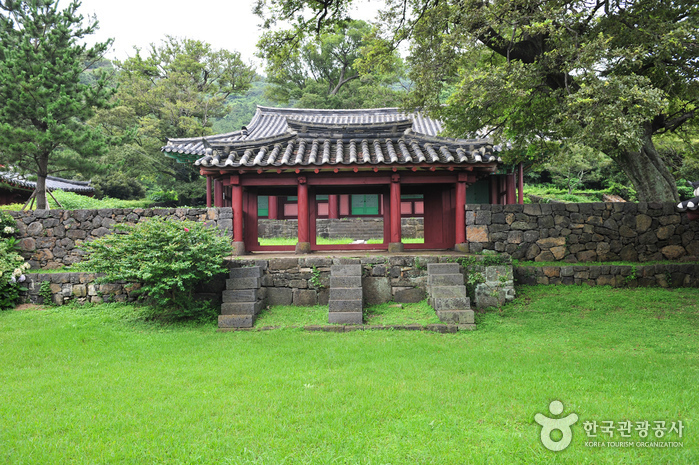
Daejeonghyanggyo was a Confucian school during Joseon Dynasty. Although the exact date of construction is uncertain, it is estimated that the building was built around the same time as Daejeonghyeon in 1416.
The school was originally located inside Bukseong but it was once moved outside of Dongmun and then again to the site of Seoseong. It was finally moved to Dansan Oreum where it remains to this day. At present, Daejeonghyanggyo Confucian School consists of Daeseongjeon, Myeongryundang, Dongjae, Seojae Shinsammun, Daeseongmun, Dongmalmun and Dongjeongmun. Daeseongjeon was remodeled in 1669, 1688, and 1752. Myeongryundang was rebuilt in 1772. After several instances of remodeling and rebuilding, Daeseongjeon was remodeled again in 1993. The Confucian school was designated as the Jeju Tangible Cultural Asset No. 4 in August 1971.
Andeokgyegok Valley (안덕계곡)
2021-01-27
Seoangol-ro, Seogwipo-si, Jeju-do
+82-64-740-6001
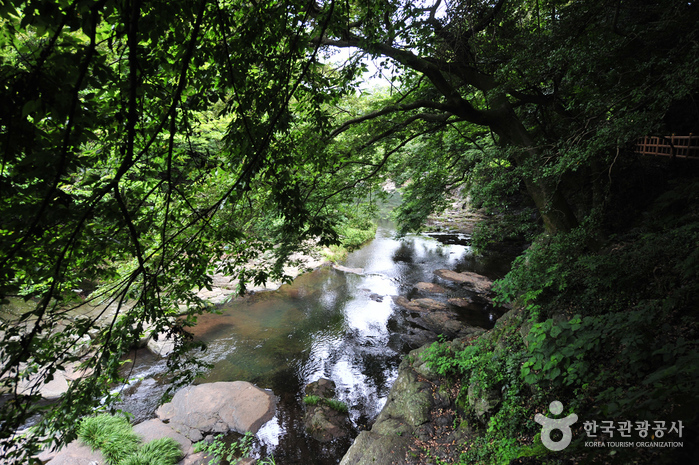
Andeokgyegok Valley in Gamsan-ri Village is located 2 kilometers east of Hwasun-ri. The valley is filled with many species of pine trees that make up the Evergreen Forest, designated as Natural Monument No. 377. The road from the entrance to the waterfall offers a picturesque scenery. The view at night, when lit by nothing but the stars in the sky, is nothing short of spectacular.
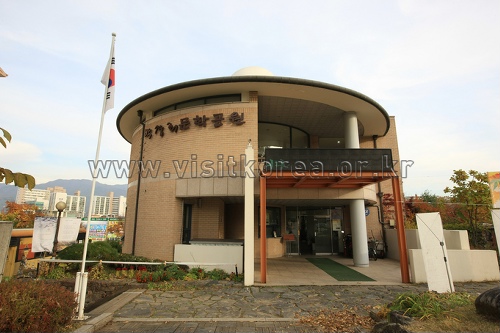
Pak Kyongni House (박경리문학공원)
2021-09-29
1, Toji-gil, Wonju-si, Gangwon-do
Pak Kyongni House is a place to explore the life and works of prominent novelist Pak Kyongni. The house's theme was based on Pak Kyongni's well-known novel "Toji" (The Land).The site used to be her old house before it was converted into a park. Covering an area of 10,578.51 ㎡, the garden and the house have been maintained in their original state. The park also features three themed areas recreated from the book: Hongi Dongsan, Pyeongsa-ri Madang, and Yongdurebeol.
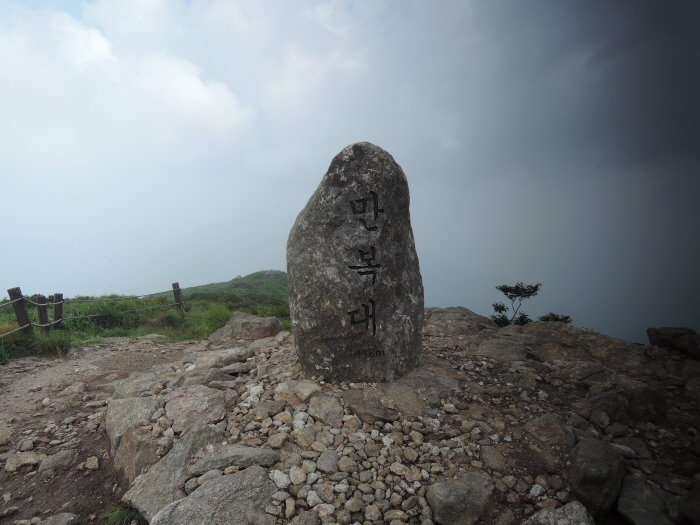
Jirisan Manbokdae Peak (지리산 만복대)
2021-02-05
Sandong-myeon, Gurye-gun, Jeollanam-do
+82-61-780-7700
Manbokdae Peak in the west soars at the boundary between Sandong-myeon, Gurye-gun and Namwon-si at 1,433.4 meters above sea level. ”Man” means “full of something” and “bok” means “fortune.” Like the name, Manbokdae is considered as a fortunate mountain with great views as it is surrounded by smooth hills. According to an old story, Manbokdae Peak was chosen as one of the 10 scenic areas, where people come to receive good fortune.
 English
 한국어
한국어 日本語
日本語 中文(简体)
 Deutsch
 Français
 Español
 Русский


