OME Cooking Lab (오미요리연구소)
2020-03-18
35-1, Yangnyeongjungang-ro, Dongdaemun-gu, Seoul
+82-10-5060-5250
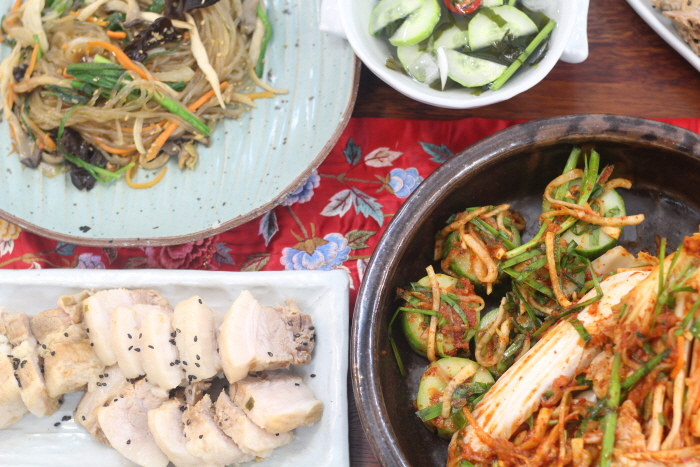
OME Cooking Lab offers a one-day class where participants can learn to cook Korean food. The participants will be able to learn from scratch, starting from choosing the right ingredients at Korea's local markets and interacting with the market's vendors. After the cooking session, participants can enjoy the meal in a hanok (traditional Korean house). Participants mostly consist of foreigners, and the class is offered in Korean, English, and Chinese.
Typhoon Observatory (태풍전망대)
2022-12-23
Hoengsan-ri, Yeoncheon-gun, Gyeonggi-do
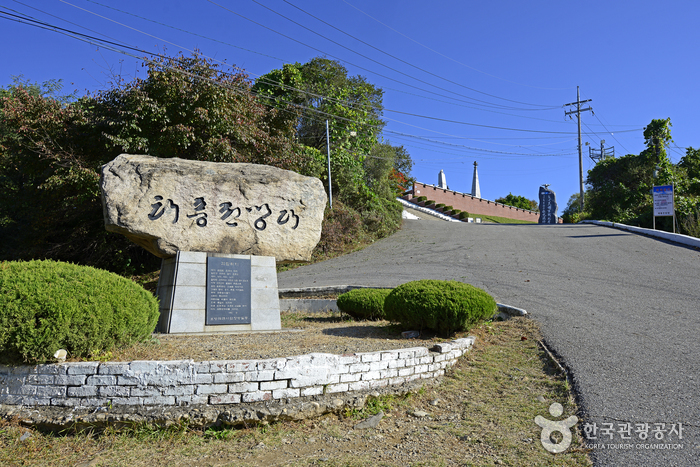
Typhoon Observatory was built on December 3, 1991 by Invincible Typhoon Korean Army. The observatory is situated on Suribong Peak, the highest point of Bikkisan Mountain. It is located 65 kilometers and 140 kilometers from Seoul and Pyeongyang respectively. It is famous in that the location is the closest to the Military Demarcation Line, being only 800 meters and 1,600 meters away from the MDL and North Korean checkpoint respectively.
The observatory houses a Christian church, Catholic church, statue of the Virgin Mary, Buddhist sanctum, belfry and other facilities where soldiers are able to participate in religious ceremonies. Also, Manghyangbi Monument for displaced person, Monument for Korean War, and Boy’s Tank Corps Memorial can be seen in the area. The Exhibition Hall presents daily necessities collected from Pilseunggyo Bridge of Imjingang in North Korea and some detection equipment that armed espionage agents used when they did infiltration after the ceasefire.
Tomb of Seven Hundred Patriotic Martyrs (Geumsan) (금산 칠백의총)
2022-09-13
50, Uichong-gil, Geumsan-gun, Chungcheongnam-do
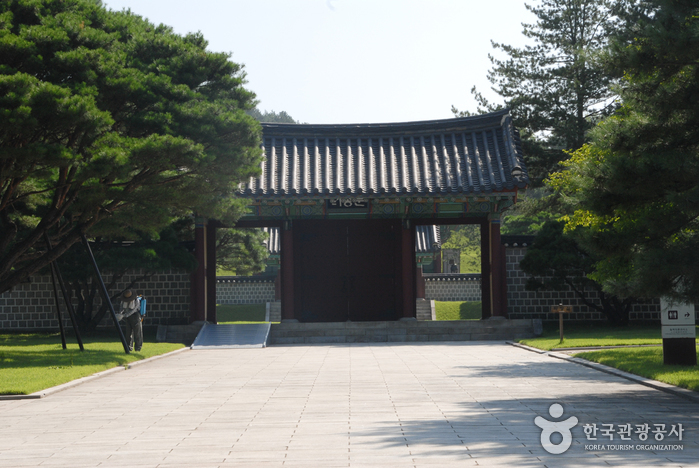
The Tomb of Seven Hundred Patriotic Martyrs is a renowned historical attraction located in Geumsan, Chungcheongnam-do. This holy site is interred with 700 patriots who died in a battle against 15,000 Japanese soldiers in Geumsan during the Imjin War in 1592. Among the deceased is the leader, Jo Heon.
Shrines and monuments were built in memory and respect of the patriotic spirit of those who died in the battle. The site is especially popular among families with children as an attraction as visitors can learn a valuable history lesson as well as enjoy a relaxing walk around the area. In addition, the Cultural Heritage Administration of Korea hosts an annual ceremonial rite every year on September 23 at 15:00, offering more to see for visitors.
Archaeological Site in Seokjang-ri, Gongju (공주 석장리 유적)
2025-01-14
990, Geumbyeok-ro, Gongju-si, Chungcheongnam-do
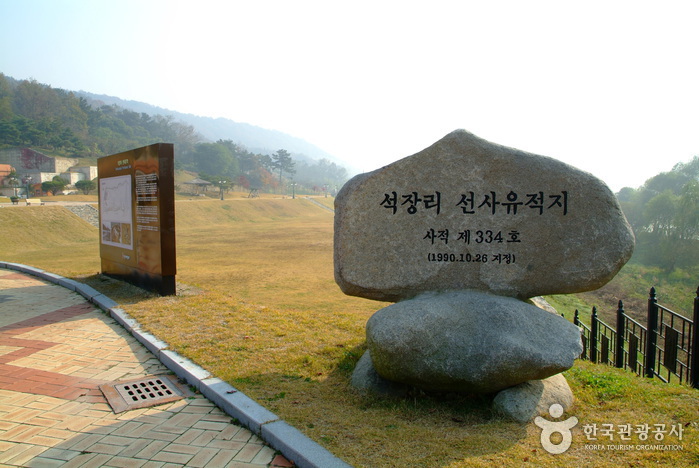
The Archaeological Site in Seokjang-ri, Gongju is located approximately 6 kilometers out of the city of Gongju, on the northern banks of the Geumgang River. The site is one of Korea's representative relic sites of the Old Stone Age, and is designated Historic Site No. 334. The site was excavated 10 times between 1964 and 1974 by teams from Yonsei University Museum. The excavation of 27 layers of stratum produced relics proving people lived in the area through 11 cultural eras. The area was excavated again in 1990 and 1993, producing even more cultural artifacts and helping to create a clearer image of the people living in that time.
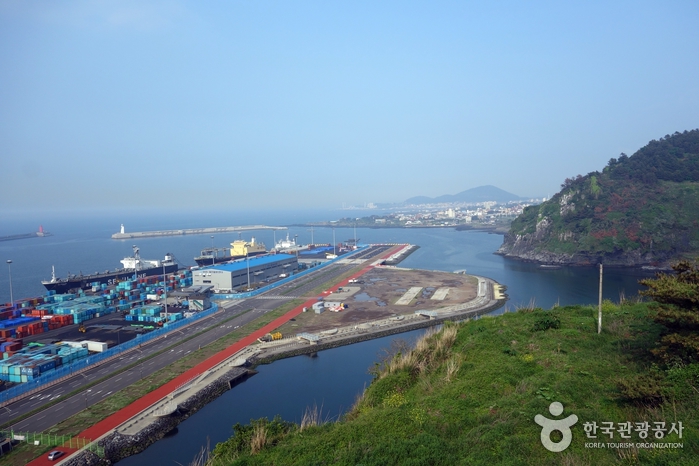
Sanji Lighthouse (산지 등대)
2021-03-18
108-1, Sarabongdong-gil, Jeju-si, Jeju-do
+82-64-740-6000
The name Sanji derives from the area being recorded as Sanjichon Village, literally translated as the mountainous village, in Tamna Sullyeokdo, a book of paintings showing life in Jeju. This record was created in 1702 by painter Kim Nam-gil, under the command of the Jeju Province governor, Lee Hyeong-sang.
Sanjicheon Stream originates from Hallasan Mountain and empties itself into the sea. Sitting halfway up Sarabong Peak, one of the signature parks on Jeju-do island, Sanji Lighthouse overlooks the port of Jeju.

Sinseonam Hermitage Rock-carved Bodhisattva in Namsan Mountain of Gyeongju (경주 남산 신선암 마애보살반가상)
2020-04-04
Namsan-dong, Gyeongju-si, Gyeongsangbuk-do
+82-54-779-6100
This 1.4 m-high rock-carved Bodhisattva was carved on the southern rock standing right above Chilburam Rock on Namsan Mountain, which may be regarded as a repository of relics and artifacts including Buddha statues spanning the Three Kingdoms Period to the late Unified Silla Period.
Judging from the three-sided bejeweled crown he’s wearing on his head, this is clearly a Bodhisattva statue. He looks as if he is sitting on a cloud, while the closed eyes on the plump face give the impression that he is lost in deep thought. He seems to be watching mankind from his world above the clouds. He is holding a flower in his right hand and his left hand is held up to his chest as if he is preaching.
His robe is very thin, revealing the curves of the body, and hangs down to the base of the pedestal. The mandorla (Buddhist halo of light), which consists of both the dugwang (light radiating from the head) and hte singwang (light emanating from the Buddha’s body), is also the shrine for the statue, so the image of the Bodhisattva looks more prominent. It is presumed that this rock-carved Bodhisattva was made during the late eighth century during the Unified Silla dynasty.
Hambyeongnu Pavilion (함벽루)
2024-02-02
80 Jukjuk-gil, Hapcheon-gun, Gyeongsangnam-do
Included in Hapcheon's Eight Scenic Views, Hambyeongnu Pavilion was built in 1321, during the 8th year of Goryeo King Chungsuk by Hapcheon County Lord Kim. The location at the base of Daeyaseong Fortress, the pavilion offers views of Jeongyangho Lake on the Hwanggang River. The pavilion was visited by many poets, with writings from Toegye Yi Hwang, Nammyeong Josil, and Wooam Song Si-yeol hanging from tablets inside, and a rock engraved with "Hambyeongnu" in the handwriting of Song Si-yeol behind the pavilion.
Hambyeongnu is a 3-pillar wide by 2-pillar deep, 2-story pavilion, with an octagonal roof connected with a frame of five parts. The roof of the pavilion is famous in that when it rains, the water drips straight off the eaves and into the river below.
Hapcheon Okgyeseowon Confucian Academy (옥계서원(합천))
2021-03-17
3078-13, Seobu-ro, Hapcheon-gun, Gyeongsangnam-do
+82-55-930-3178
Hapcheon Okgyeseowon Confucian Academy was built to store Yulgok Yi I's writings, "Gyeokmongyogyeol" and "Haedongyeonwonnok." Okgyeseowon was originally founded approximately 4 kilometers away from Hyangok-dong on the third year of Yeongjo's reign (1725) before it was closed due to the seowon abolishment policy by Heungseon Daewongun. On the sixth year of King Gojong’s reign, it was re-built about 200 meters away from the east side of the village. The academy is composed of a lecture hall, Sowonsa, Naesammun, Oesammun, Gwallisa and more.
Yeonhosa Temple (연호사)
2021-08-12
80, Jukjuk-gil, Hapcheon-gun, Gyeongsangnam-do
Yeonhosa Temple is located in Hapcheon-gun, Gyeongsangnam-do. With its back to Hwangusan Mountain, the temple faces the Hwanggang River. Designated as one of the Eight Great Views of Hapcheon, the temple is surrounded by mountains with a cliff on its back. The view of the gently flowing river from Hambyeongnu Pavilion is relaxing, even on rainy days when raindrops fall into the river.
Invention Education Center (발명교육센터 창의발명체험관)
2020-07-06
82, Gwahak-ro, Yuseong-gu, Daejeon
+82-42-601-4458
The Invention Education Center offers an experience room, experience hall, lecture rooms, and various other facilities throughout four floors. Visitors can learn about top inventors and their inventions in each area. The education programs are conducted by researchers from Daedeok Innopolis, members of the board of examiners of the Korea Industrial Property Office, professors from top universities and more. With their vast knowledge and experience, the lecturers help to cultivate students' ingenuity and competitive spirit.
The Invention Education Center aims to help students understand inventions better through the use of fun and playful experiences. The experiences are divided into four themes, including "Click, Imagination Icon," "View Imagination's Strength," "The Fruit of Imagination," and "Imagination is Reality."
 English
 한국어
한국어 日本語
日本語 中文(简体)
 Deutsch
 Français
 Español
 Русский


