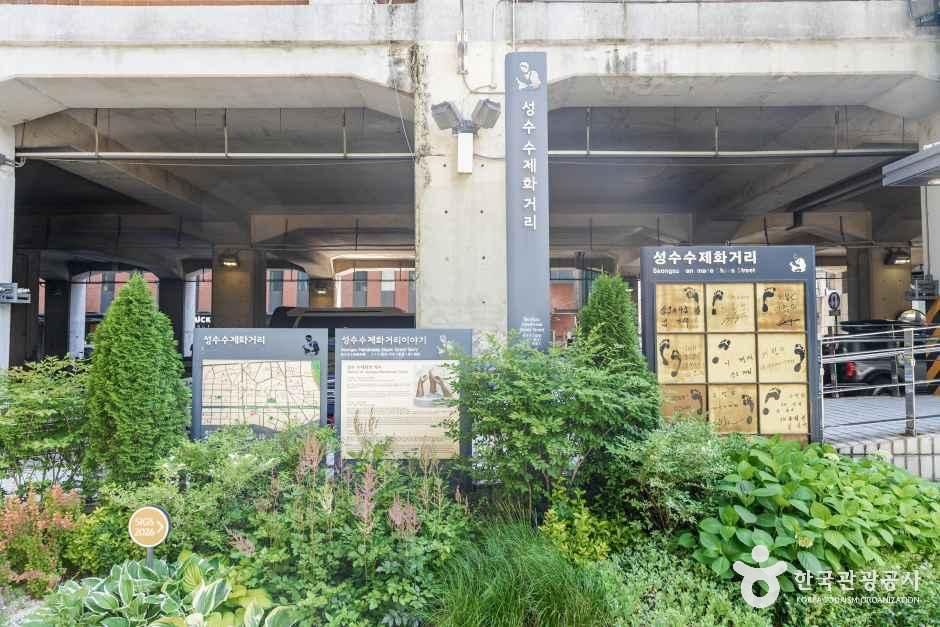
Seongsu-dong Handmade Shoes Street (성수동 수제화거리)
2026-08-19
289-30 Seongsu-dong 2(i)-ga, Seongdong-gu, Seoul
Handmade shoe manufacturers began to gather in the 1970s to form a street and make history. Today, there are some 350 handmade shoe manufacturers, 100 intermediate processing and raw materials companies, and new cafes with unique vibes opening up one after another. Thanks to its vintage appeal, many people visit on dates.

Hanbyeok Tunnel (한벽터널)
2025-11-05
2 Girin-daero, Wansan-gu, Jeonju-si, Jeonbuk-do
A number of romanic and heartwarming scenes were filmed in the Hanbyeok Tunnel surrounded by ivy in the drama series "Twenty-Five Twenty-one." This place often appeared in scenes where to two main protagonists encouraged each other or soothed pain. It also appeared in the scene where the two broke up.
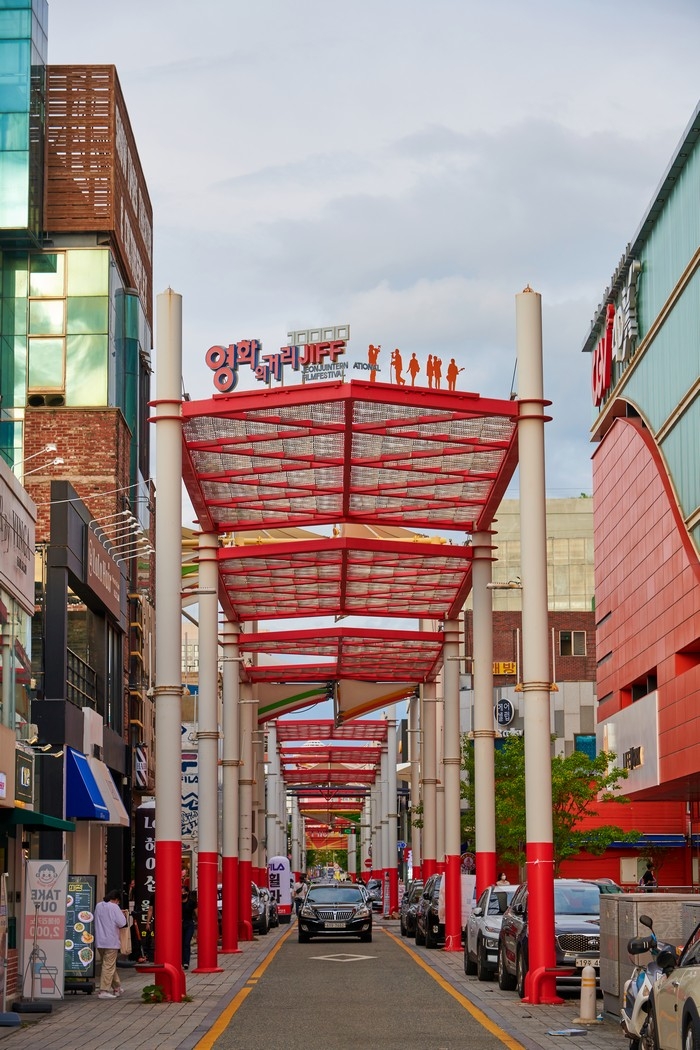
Jeonju Movie Street (전주 영화의 거리)
2025-11-05
Gosa-dong, Wansan-gu, Jeonju-si, Jeonbuk-do
Jeonju Movie Street is the venue of Jeonju International Film Festival that is connected to Gaeksa Street, a representative shopping street in the original downtown of Jeonju. Gaeksa Street has a unique atmosphere where various shops and cute cafes are combined with buildings showing traces of time. When the Jeonju International Film Festival is held, the red-colored streets become more dynamic with crowds from all over the country to watch movies.

Penguin Village
2023-11-22
7 , Cheonbyeonjwa-ro 446beon-gil, Nam-gu, Gwangju
BTS mural and penguin bread
Since the 1970s and 1980s, 4 to 5 elderly people who lived in old villages started to decorate with scrap metal works, and it turned into a craft street and reached what it is today. There are two murals of j-Hope, whose hometown is Gwangju, and they are the only murals in the village that depict a specific person. It was produced with the support of Chinese fans in commemoration of his birthday in 2020. There is a mural near the village cooperative society cafe, so buying penguin bread at the cafe after viewing the mural is popular.
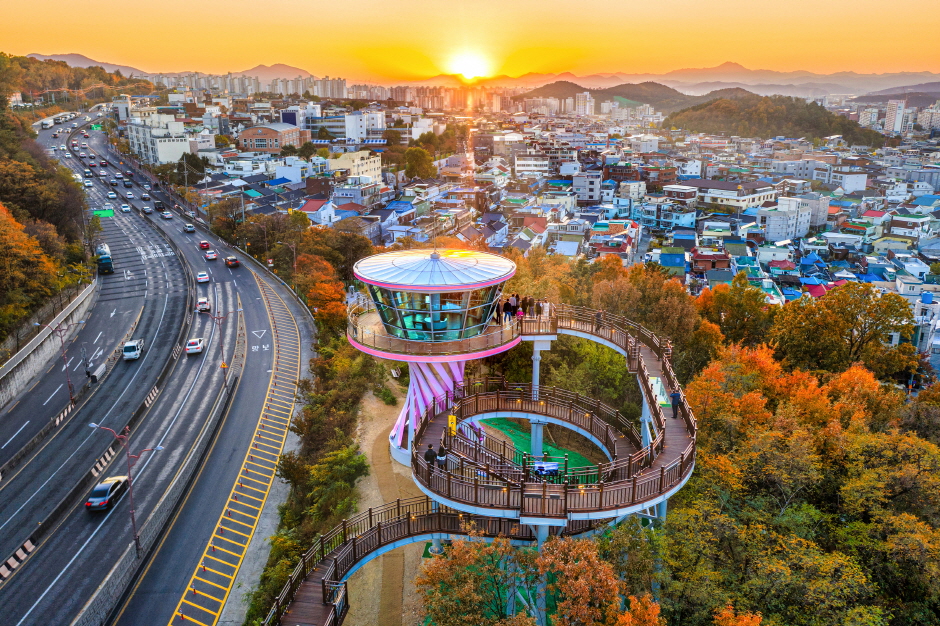
Apsan Mountain Haeneomi Observatory (앞산 해넘이전망대)
2023-08-28
Daemyeong-dong, Nam-gu, Daegu
Apsan Mountain Haeneomi Observatory, where you can see the scenery of Daegu along with the sunset, is located in Apsan Ppallaeteo Park in Nam-gu. Incorporating the history and symbolism of Apsan Ppallaeteo Park, the observatory's design embodies laundry wring. The ramp leading to the observatory is perfect for walking as you can see the panoramic view of Apsan Mountain and the surrounding landscape.
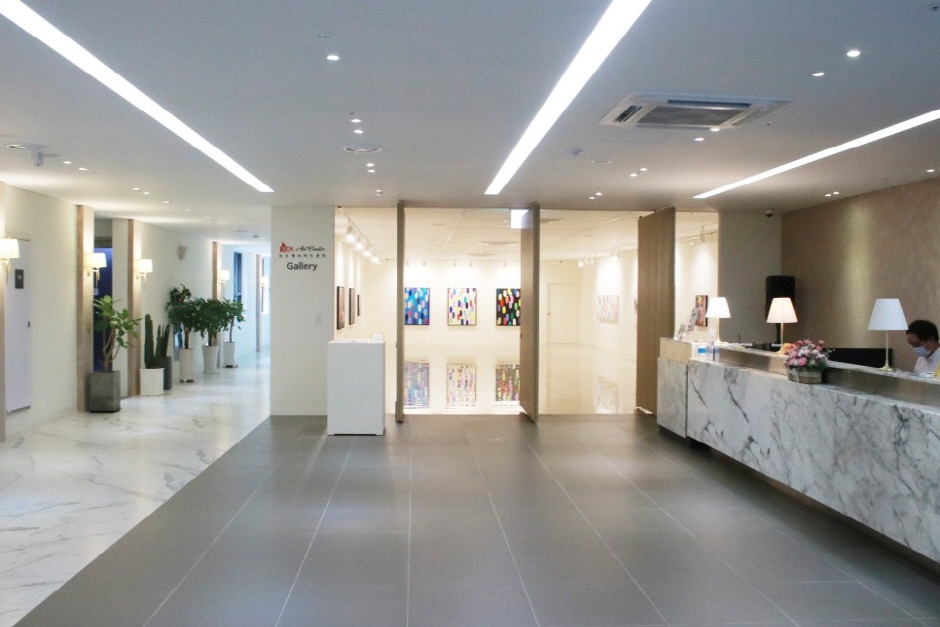
BOK Art Center (비오케이아트센터)
2025-05-20
12, Gukchaegyeonguwon 3-ro, Sejong-si
BOK Art Center is located in Bangok-dong, Sejong-si. It was opened in 2019 with the management philosophy of CEO I Gyu-sun, 'Let's create a happier living space.' The center is equipped with a performance hall where various performances are held, a gallery where various exhibitions are held, a hobby factory specialized for kidults, a Ccume Baking Class where you can enjoy baking, a bookstore, and a cafe.

Sejong National Arboretum (국립세종수목원)
2026-02-03
136 Sumogwon-ro, Sejong-si
The Sejong National Arboretum, designed as the first urban arboretum in Korea, was built adjacent to the Sejong Government Complex, where several government ministries are located. It is largely divided into three sections: the community program center, the educational center, and the garden exhibition center. Each center consists of different themed gardens that exhibit a variety of plant species that align with the center's purpose.

Seongsu-dong Cafe Street (성수동 카페거리)
2024-10-28
Seongsu-dong, Seongdong-gu, Seoul
Yeonmujang-gil in Seongsu-dong, known for old factories and a shoe workshop street, has been reborn as a place of trendy cafes and culture. The energy of car repair shops, printing factories, and handmade shoes street still exist today but, as global restaurant brands, select shops, and cafes have set up amidst busily operating factories, an atmosphere unique to Seongsu-dong has been created. "Daerim Warehouse" led to the change in the Seongsu-dong streets and can be said to be the originator of all warehouse-style cafes that are popular throughout Cafe Street today. The red-brick structure, antique signboards, and a vast indoor space of an old warehouse have been maintained and, with the addition of a sensuous interior design, it has become a space suitable for fashion shows and exhibits, thus showing new potential for old Seongsu-dong architecture. Every day, new cafes, bakeries, restaurants, and cultural complexes open their doors and are busy welcoming visitors.
Dinosaur Park (공룡공원)
2023-01-25
43, Yongdu 2-gil, Nam-gu, Daegu
At the Dinosaur Park, located in Gosangol of Apsan Mountain, Nam-gu, Daegu, you can see life-size dinosaur models such as Tyrannosaurus, Spinosaurus, Stegosaurus, and Brachiosaurus. In addition, there is a photo zone with dinosaur eggs and baby dinosaurs where you can take pictures freely. Also, if you use the augmented reality app on your smartphone, you can see the dinosaur fossil creation process in a video for a more vivid dinosaur experience.
Hwawon Park (화원동산)
2024-04-08
40-14 , Samunjin-ro 1-gil, Dalseong-gun, Daegu
Hwawon Park, a vast park beside the Nakdonggang River, is steeped in history. The river, once bustling with Samunjin Quay, where ships laden with goods frequented, now features Samunjin Ferries. Visitors can access Dalseong Marsh Ecological Park via a floating walkway across the river. In the vicinity, the Samunjin Jumakchon Village offers traditional beverages and delicacies, including makgeolli (unrefined rice wine) and pajeon (green onion pancake). With well-maintained walking trails, cafés, and picnic spots, the park serves as an ideal destination for family outings.
 English
 한국어
한국어 日本語
日本語 中文(简体)
 Deutsch
 Français
 Español
 Русский


