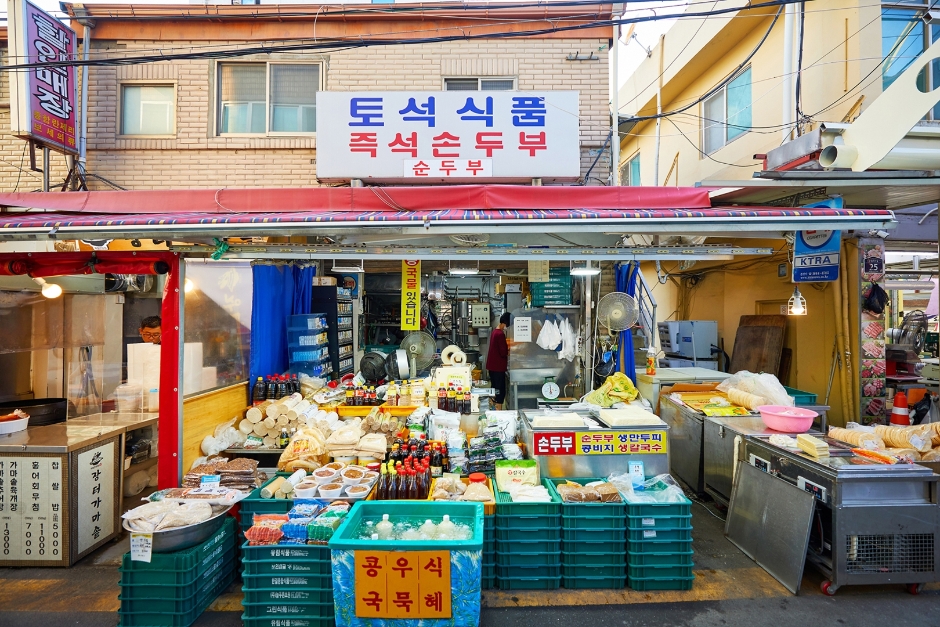
Daerim Market (대림시장)
2024-03-15
300-10 Eungam-dong, Eunpyeong-gu, Seoul
The oldest traditional market in Eunpyeong-gu, Seoul, is also the capital’s only fifth-day market (held on 5th, 10th, 15th, 20th, 25th, and 30th of the month). It is divided into indoor and outdoor spaces. The former offers a comfortable space for shopping regardless of the weather. Like any good traditional market, Daerim Market offers vegetables, fruits, meat products, seafood, grain, and clothing at affordable prices. Visitors are recommneded to visit the restaurants hidden throughout the market, such as Halmaejip, a 50-year-old restaurant serving excellent banquet noodles, japchae, and tteokbokki; and Wooyirak, which serves pancakes with cream makgeolli (unrefined rice wine). Because the food is affordable and delicious, the market sees a lot of visitors throughout the day.
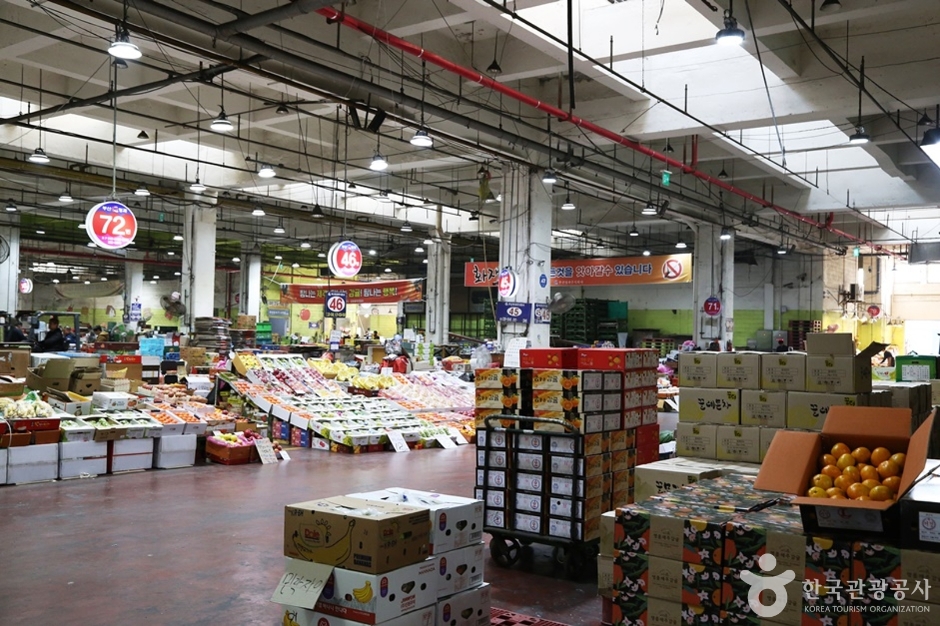
Busan Eomgung Agricultural Wholesale Market (부산 엄궁농산물도매시장)
2024-02-27
9 Nongsanmulsijang-ro, Sasang-gu, Busan
Eomgung Agricultural Wholesale Market is a large-scale agricultural distribution center established in 1993. General consumers and tourists can explore various products and experience the scenery of Korea's agricultural and seafood markets at the retail market. It handles various fruits, Western vegetables, root vegetables, salted seafood, and dried seafood. Visitors can also witness the scenery of the auction market if they visit early in the morning.
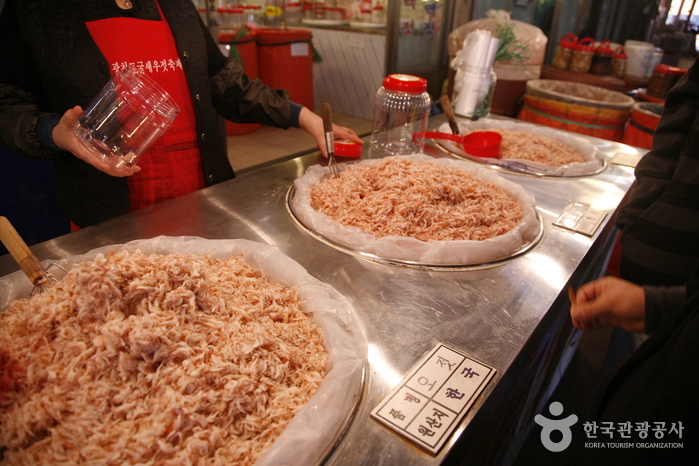
Gwangcheon Cave Salted Shrimp Market (광천 토굴새우젓시장)
2024-02-26
8-20, Gwangcheon-ro 285beon-gil, Gwangcheon-eup, Hongseong-gun, Chungcheongnam-do
Gwangcheon Cave Salted Shrimp Market is a traditional market located in Gwangcheon, between Hongseong and Boryeong. Gwangcheon’s proximity to the Yellow Sea makes it a famous place for jeotgal (salted seafood), made using seafood and shrimp caught from the Yellow Sea, and laver seaweed. Gwangcheon’s saeujeot (salted shrimp) is stored and aged in a cave tunnel, so it has great quality. The market also offers agricultural goods, seafood, clothing, and sundry items.
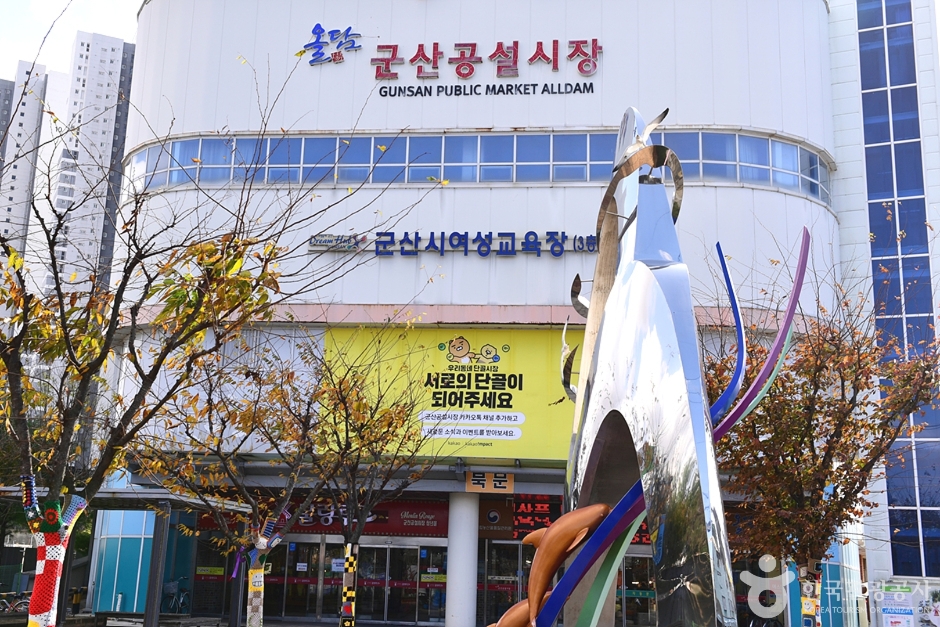
Gunsan Gongseol Market (군산 공설시장)
2024-04-06
18 Singeum-gil, Gunsan-si, Jeonbuk-do
Gunsan Gongseol Market is a traditional market in Gunsan, established in 1918, bears historical significance. With the opening of Gunsan Port, modern influences began to permeate, and the establishment of a train station attracted crowds, leading to the formation of this market. It stands out with its blend of traditional market vibes within a structure resembling a typical mart. Nearby attractions such as the Gunsan Modern History Museum and the Modern Art Museum offer additional exploration opportunities for visitors.
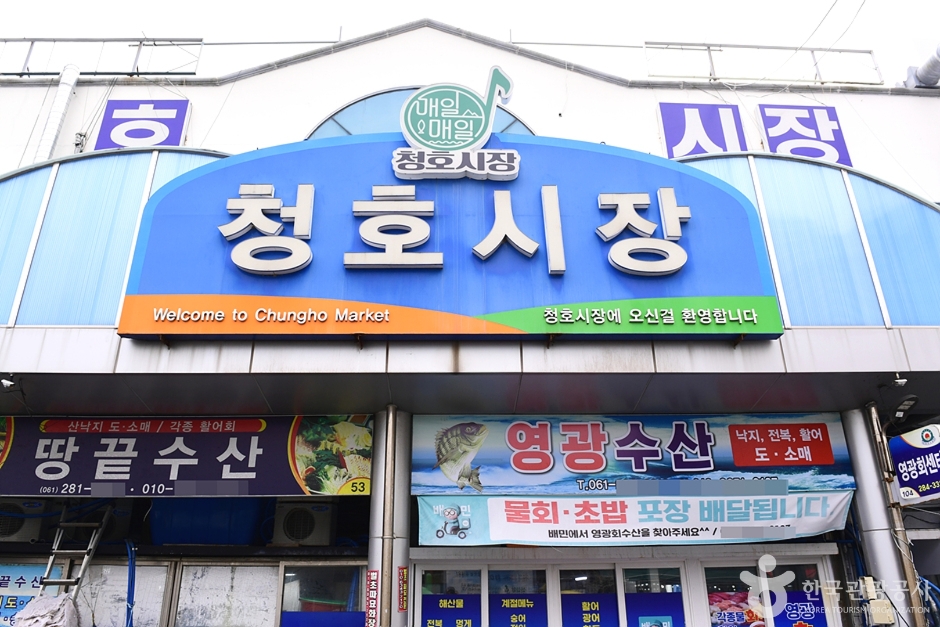
Mokpo Cheongho Market (목포 청호시장)
2024-05-30
28 Seokhyeon-ro, Mokpo-si, Jeollanam-do
Cheongho Market is located in Mokpo, an area known for its thriving fishing industry, thus offering a wide variety of fresh seasonal seafood. With over 160 shops, most specializing in octopus and seafood, Cheongho Market is a bustling hub for seafood enthusiasts. Additionally, visitors can explore various shops offering different ingredients, as well as seafood restaurants and eateries, making it a lively destination for food lovers.

Uiseong Garlic Market (Uiseong Traditional Market) (의성마늘장터 (의성명품마늘영농조합법인))
2024-02-27
215-10 Gubong-gil, Uiseong-eup, Uiseong-gun, Gyeongsangbuk-do
The Uiseong Garlic Market takes place annually from July to September at the Uiseong Traditional Market, coinciding with the garlic harvest season. During this period, vendors from across the country gather to sell directly at the market. Uiseong garlic is renowned for its small yet firm size, long shelf life due to its antimicrobial properties, distinct aroma, and strong pungency. The traditional market operates regularly, with market days typically falling on dates ending in 2 or 7 each month. On these days, a variety of agricultural products such as onions, peppers, sesame seeds, along with other daily necessities, are available for purchase.
Daemyeonghang Fishery Market (대명항수산물직판장)
2024-02-26
109 Daemyeonghang 1-ro, Daegot-myeon, Gimpo-si, Gyeonggi-do
Daemyeonghang Fishery Market specializes in selling only natural, freshly caught seafood, brought directly by local fishermen. In spring, the market offers shaggy sea raven filled with roe and webfoot octopus. Summer brings a selection of sea bass and flatfish, while autumn features an abundance of blue crabs. Continuously attracting visitors seeking the freshest seafood, the market also includes a dedicated section for salted and dried seafood products.
Gosan Miso Market / Gosan Market (고산미소시장/고산시장 (4, 9일))
2024-04-06
134 Nambong-ro, Gosan-myeon, Wanju-gun, Jeonbuk-do
Gosan Miso Market encompasses both the Gosan Market (five-day market), which was established in 1964, and the Gosan Miso Market (daily market), which opened in 2013. It houses shops selling Korean beef, Gosan local foods, agricultural products, and dairy products. One of the highlights is the Korean-style meat restaurant located on the second floor, where customers can purchase Korean beef on the first floor and have it grilled right away. The five-day market operates on days containing the numbers 4 and 9.
Cheonan Jungang Market (천안 중앙시장)
2024-02-21
7, Sajik-ro, Dongnam-gu, Cheonan-si, Chungcheongnam-do
The Cheonan region has been a transportation hub connecting the southern areas of Korea with Seoul. Such a concentration in traffic and goods naturally led to the formation of the market. Cheonan Jungang Market, which continues the history of Cheonan's traditional market, today handles Cheonan specialties like Byeongcheon sundae, Seonghwan pear, Ipjang grape, and hodu gwaja (walnut cakes), along with plenty of food and agricultural goods.
Yesan Market & Yesan Fifth-day Market (5th & 10th) (예산시장 / 예산오일장(5, 10일))
2024-06-05
967 Hyeongjegogae-ro, Yesan-eup, Yesan-gun, Chungcheongnam-do
The city of Yesan is home to two notable markets: Yesan Fifth-day Market, which dates back to the 1920s, and Yesan Market, a permanent traditional market. Yesan has historically been a prolific producer of agricultural and livestock products, and the market served as a central point of regional specialties. In fact, Yesan apples are famous across Korea. On days ending with 0 and 5, a fifth-day market is held, which makes the market far larger and livelier. Yesan Rice Soup Street can also be found here.
 English
 한국어
한국어 日本語
日本語 中文(简体)
 Deutsch
 Français
 Español
 Русский


