
LOTTE Department Store – Busan Main Store (롯데백화점 (부산본점))
2023-08-30
772, Gaya-daero, Busanjin-gu, Busan
+82-2-2200-0111
The LOTTE Busan Main store, located in the bustling downtown area of Seomyeon, is a cultural landmark and a multifaceted complex that offers a cinema, duty-free shop, and Avenuel building. Shoppers can immerse themselves in a variety of signature services and experiences at this one-of-a-kind destination.
Dongwha Duty Free Shop (동화면세점)
2021-06-04
149, Sejong-daero, Jongno-gu, Seoul
+82-2-399-3000
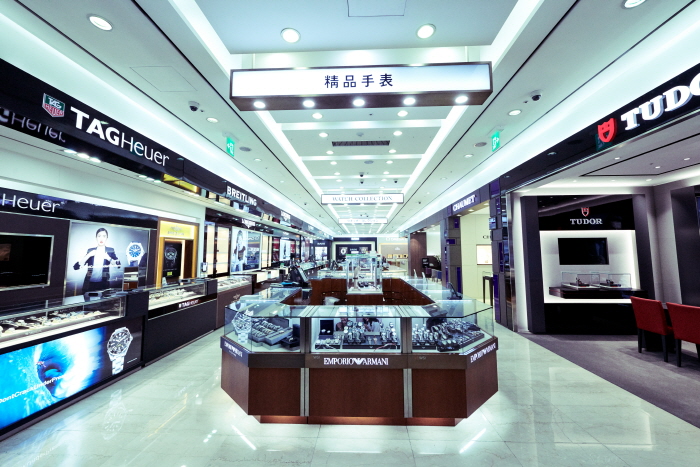
Dongwha Duty Free offers only the world’s best brands for sale. Visitors can shop for the latest popular brands in perfume, cosmetics, accessories, leather goods, and more. Apart from Korean brands and popular imported brands, visitors can also shop for specialty Korean products and folk crafts from all around the world.

Hyundai Department Store Trade Center (현대백화점 무역센터점)
2025-12-19
517 Teheran-ro, Gangnam-gu, Seoul
Hyundai Department Store focuses on achieving customer satisfaction by exceeding expectations and reshaping the lifestyle culture to suit each individual's needs and wants. Connected to Samseong Station on Seoul Subway Line 2, Hyundai Department Store Trade Center is easily accessible and among the most sought-after shopping destinations in Seoul along with the nearby COEX Mall.

Lotte World Shopping Mall (롯데월드 쇼핑몰)
2021-06-01
240, Olympic-ro, Songpa-gu, Seoul
+82-2-411-2111
Lotte World Shopping Mall has various attractions and entertainment facilities including Lotte World, Lotte World Folk Museum, indoor ice rink, indoor swimming pool, bowling alley, sports center and more. The shopping mall also has a department store and Lotte Mart, providing visitors with leisure and shopping all in one place.
Gwangjang Market (광장시장)
2026-03-23
88, Changgyeonggung-ro, Jongno-gu, Seoul
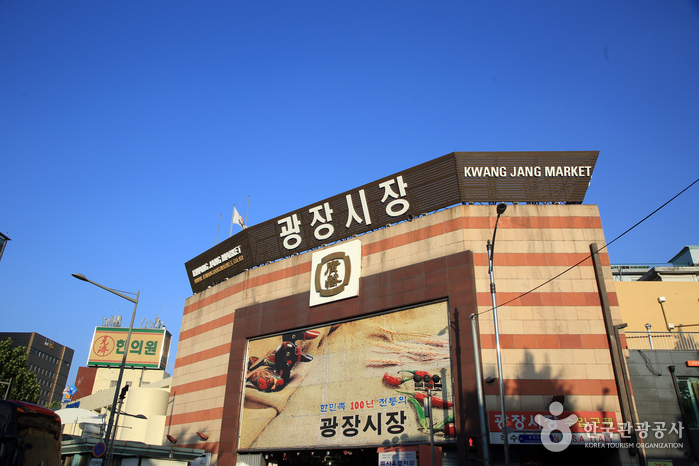
Gwangjang Market was the first permanent market in Korea and continues to thrive as a popular tourist destination today. The name Gwangjang means "to gather from afar and keep altogether." The market began as a small trading center that brought in goods from nearby regions, but has now grown into a large wholesale market selling a variety of goods, including upholstery, imported goods, groceries, dried fish, traditional goods, and more. The most popular section of the market is the food street connected to the East Gate, North Gate 2, and South Gate 1. The food street caters to a wide range of patrons due to the plethora of menus available. It is also one of the most recommended tourist attraction for international travelers.
Namdaemun Market (남대문시장)
2024-05-17
21, Namdaemunsijang 4-gil, Jung-gu, Seoul
+82-2-753-2805
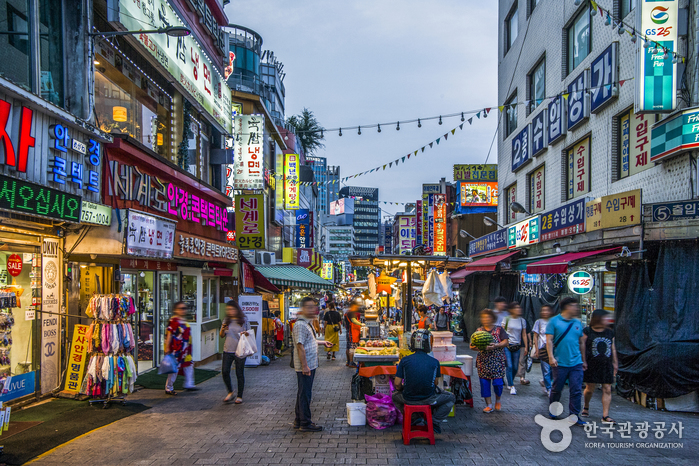
Opened in 1964, Namdaemun Market is the largest traditional market in Korea with shops selling various goods. All products are sold at affordable prices and the stores in this area also function as wholesale markets.
Most of the goods are made directly by the storeowners. Namdaemun Market is even open overnight, from 23:00 to 04:00, and is crowded with retailers from all over the country. When day breaks, the site of busy shoppers bustling around the market creates a unique scene that attracts tourists worldwide. Namdaemun Market sells a variety of clothes, glasses, kitchenware, toys, mountain gear, fishing equipment, stationery, fine arts, accessories, hats, carpets, flowers, ginseng, and imported goods.
The Shilla Duty Free Shop - Seoul Branch (신라면세점 (서울점))
2022-08-05
249, Dongho-ro, Jung-gu, Seoul
+82-1688-1110
The Shilla Duty Free Shop Seoul Store is located inside The Shilla Seoul Hotel. The duty free shop has over 400 brand stores that sell perfume, cosmetics, clothes, bags, watches, and jewelry, all of which can be purchased at discounted prices. Convenient amenities and services such as the rooftop cafe, free valet parking, and an outdoor sculpture park are also prepared so that customers can enjoy a carefree shopping experience.
Galleria Department Store - Main Branch (갤러리아 백화점(명품관) 본점)
2020-05-12
343, Apgujeong-ro, Gangnam-gu, Seoul
+82-2-3449-4114
The Galleria Department Store is well known as the most popular luxury-brand fashion mall in Seoul. Located in the wealthy district of Apgujeong-dong, the Galleria Department Store plays a leading role in today’s fashion industry, as it offers a wide variety of high-class brands.
The Galleria Department Store is located on Rodeo Street, a popular destination among youth looking for entertainment and fashion. In this area, you can see many young people styled in the latest fashions having a cup of coffee in one of the many cafes or grabbing a bite to eat at one of the areas wide selection of restaurants.
Hyundai Department Store - Apgujeong Branch (Main store) (현대백화점 (압구정본점))
2020-12-30
165, Apgujeong-ro, Gangnam-gu, Seoul
+82-2-547-2233
Hyundai Department Store aims to achieve customer satisfaction by providing a wide selection of goods that are designed to create a luxurious lifestyle as well as express one's self and individuality.
Seoul Yangnyeongsi Market (서울 약령시장)
2021-06-09
10, Yangnyeongjungang-ro, Dongdaemun-gu, Seoul
+82-2-969-4793
"Yangnyeongsi," which literally means medicine city district, refers to a central Oriental medicine district formed near major cities where medicinal herbs are collected and produced. Yangneongsi were first established by royal order during the Joseon dynasty for the purpose of effective production, distribution and management of medicinal products and herbs.
Seoul Yangnyeongsi Market history is relatively short, having formed naturally in the mid-1960s by medicinal herb merchants who gathered here seeking to sell their products with the city bus terminal and Cheongnyangni Station as their central base. Originally, these merchants came to Seoul through the old Seongdong Station and Chyeongnyangni Station after the Korean War, seeking to sell medicinal herbs and vegetation products that were cultivated and collected in the Gyeonggi-do and Gwangwon-do regions. This small market that was once open on an empty plot of land was later authorized as an official market establishment. Road and railroad developments between Gangwon-do and Seoul were followed and by the 1970s, the market grew into what is now seen today. The name Seoul Yangnyeongsi Market was given by the Seoul mayor in 1995.
 English
 한국어
 日本語
 中文(简体)
 Deutsch
 Français
 Español
 Русский


