
Haeparang Trail Course 1 (해파랑길 1코스)
7.2Km 2023-02-03
137, Oryukdo-ro, Nam-gu, Busan
The first course of Haeparang Trail is a coastal road connecting Yongho-dong, Nam-gu and Jung 2-dong, Haeundae-gu in Busan, starting from Oryukdo Sunrise Park, passing Gwangallihaebyeon Beach and APEC Beach, to Mipo. Not only can visitors enjoy the sea cliffs and the natural scenery of the East Coast, but also the splendid and bustling Gwangalli and Haeundae tours.
Yeon-San Dangdang Korean Medicine Hospital (연산당당한방병원)
7.2Km 2025-10-23
82 World cup-daero, Yeonje-gu, Busan
Yeonsan Dangdang Korean Medicine Hospital is a 98-bed hospital located in central Busan, near Yeonsan Station. The hospital offers traditional Korean medicine treatments, internal medicine, orthopedic care, and health screenings. It also has staff who speak English, Chinese, Japanese, and Vietnamese, ensuring that international patients can receive care in a comfortable and welcoming environment.
Central Hotel (부산 센트럴호텔)
7.7Km 2024-08-01
1122 , Jungang-daero, Yeonje-gu, Busan
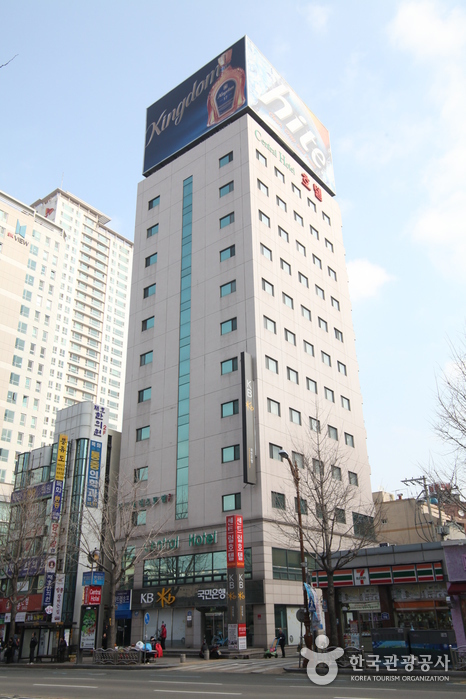
The Central Hotel in Yeonje-gu, Busan is conveniently located for travellers just 50m away from Yeonsan-dong subway station, while and Busan Station, Gimhae Airport, and Busan Port Passenger Terminal just 30 minutes away by car. The first floor lobby is equipped with bank, coffee shop, and restaurant facilities. Pay-for breakfast is available, and English, Japanese and other foreign languages are spoken.
Nambusan Church (남부산교회)
7.8Km 2025-10-29
300 Jinnam-ro, Busanjin-gu, Busan
The movie <Broker> - A meaningful place with a baby box
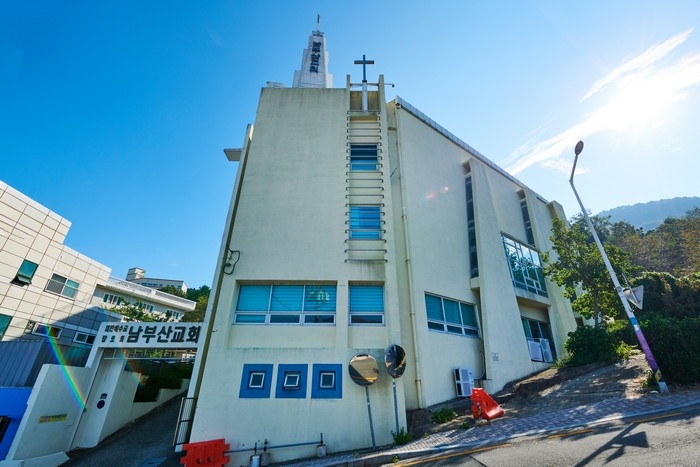
It is the location where the church scene with the baby box was filmed, and is impressive enough to be the starting point of the story. The name in the play was Busan Family Church. It shows the hilly terrain of Busan well, and the exterior with more than 40 years of history matches the mood of the movie. If you walk down the road, you can see the murals that appeared in the film and the friendly townscape.
Site of Dongnaeeupseong Walled Town (동래읍성지)
7.8Km 2024-09-26
48-2 Myeongnyun-dong, Dongnae-gu, Busan
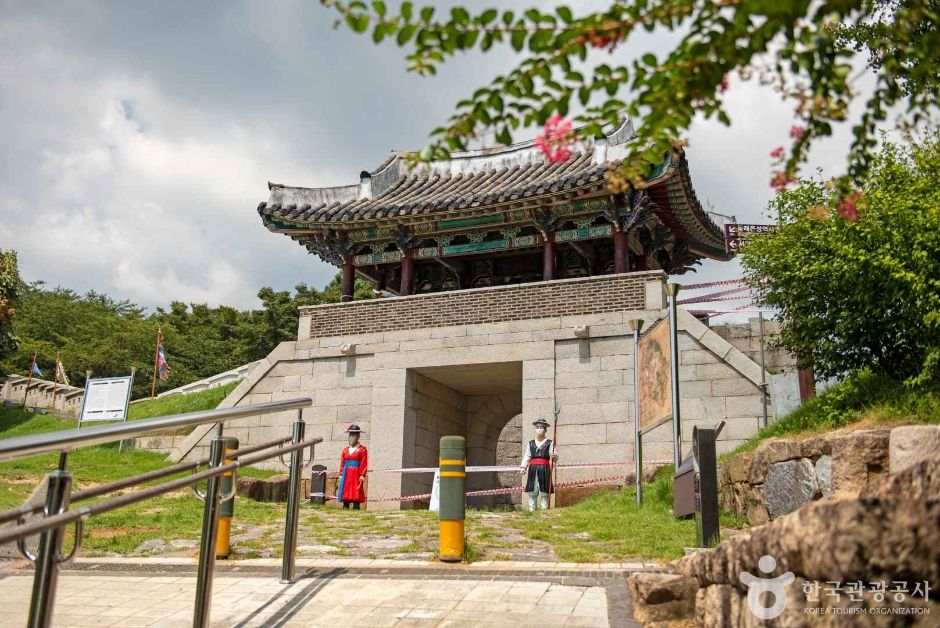
Site of Dongnaeeupseong Walled Town, built towards the end of the Goryeo dynasty and the early Joseon dynasty, was a significant fortress during the Imjin War in 1592. It served as the main battleground where civilians, officials, and soldiers united to resist the Japanese forces. Recognizing the strategic importance of the Dongnae area, a much larger fortress was constructed in 1731, replacing the original structure from one built during war. Today, only traces of the fortress remain, with the Bukmun Gate, Insaengmun Gate, Dongjangdae Command Post, Seojangdae Command Post, and Bukjangdae Command Post having been restored.

Jeonpo Samgeori (전포 삼거리)
7.9Km 2025-10-29
320 Jinnam-ro, Busanjin-gu, Busan
The movie <Broker> - The bus stop where IU was standing
In the trailer, the bus stop where singer and actress IU stood with a depressed look is the Jeonpo Samgeori bus stop. Right in front of the bus stop, there are two public phone booths where she used to call the police. Red bricks, faded murals, slanted electric poles, and narrow sidewalks make it a photo spot as it is undecorated.
Gamman Creative Community Space (감만창의문화촌)
8.3Km 2024-02-26
84-1 Uam-ro, Nam-gu, Busan
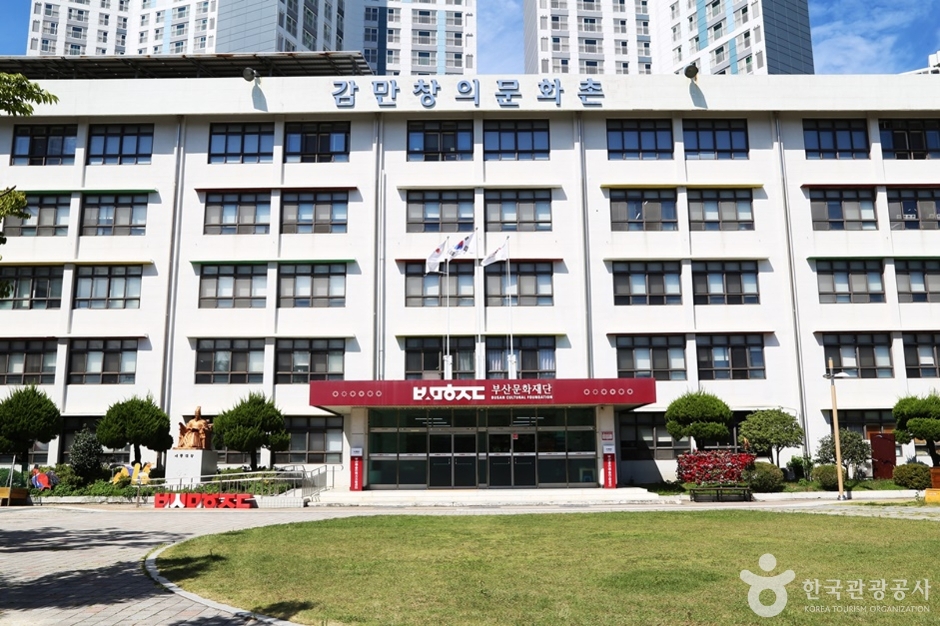
Gamman Creative Community Space, transformed from a former school, mirrors modern Korea's vibrant culture with elements like playground equipment and classroom hallways. This unique venue hosts a variety of events all year round, including movie screenings, classical music festivals, diverse activities and performances, fairy tale photo zones, open studio events, and food trucks, making it a dynamic hub for community engagement and cultural experiences.
Medid (메디드)
8.5Km 2025-10-23
#110, 14th Floor, 133 Jeonpo-daero, Nam-gu, Busan
MEDID is a company operating a medical tourism platform for foreign patients.
We provide multilingual interpretation and translation services, and support hospital consultations and reservations quickly and easily.
In addition, through VIP hospital reservation benefits, accompanying interpretation services, and customized concierge booking, you can conveniently enjoy accommodations and restaurants.
Experience trusted healthcare and a special journey together in Busan.
For any questions or reservation inquiries, please feel free to contact us anytime.
Uam-dong Urban Forest (우암동 도시숲)
8.5Km 2025-04-10
6-6 Donghang-ro 106beonga-gil, Nam-gu, Busan
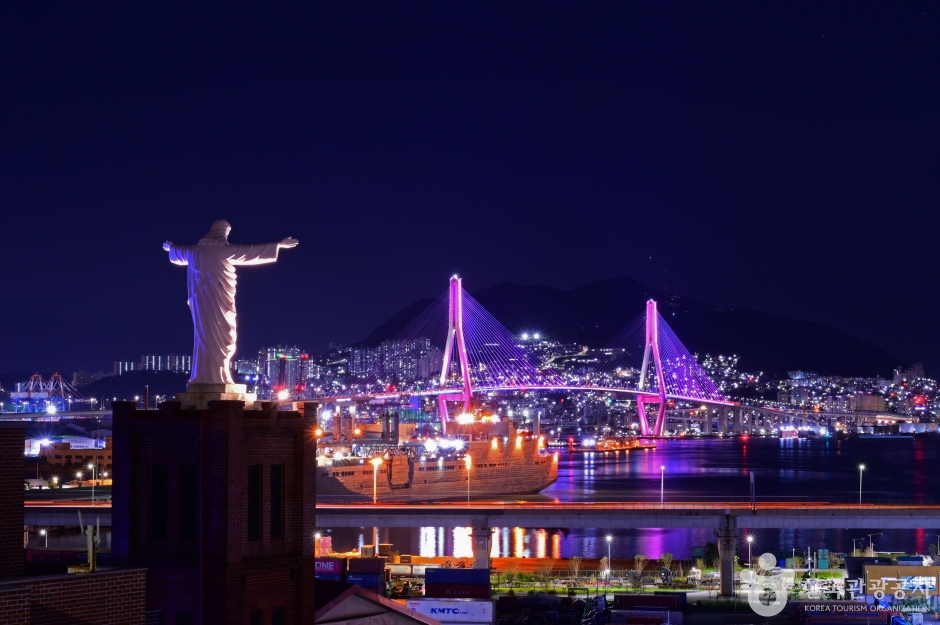
Uam-dong Urban Forest is famous for its exotic view of the Jesus Christ statue of Donghang Cathedral, which resembles the Christ the Redeemer statue in Rio de Janeiro. It offers a stunning panoramic night view of Busan, spanning the Yeongdo Sea and Busan Harbor Bridge, along with a moon installation photo zone where visitors can take striking silhouette pictures. It is a perfect place to enjoy the beautiful views, snap memorable photos, and relax in the small green forest.
Jeonpo Gonggu Street (전포공구길)
8.5Km 2024-03-29
20 Seojeon-ro 37beon-gil, Busanjin-gu, Busan
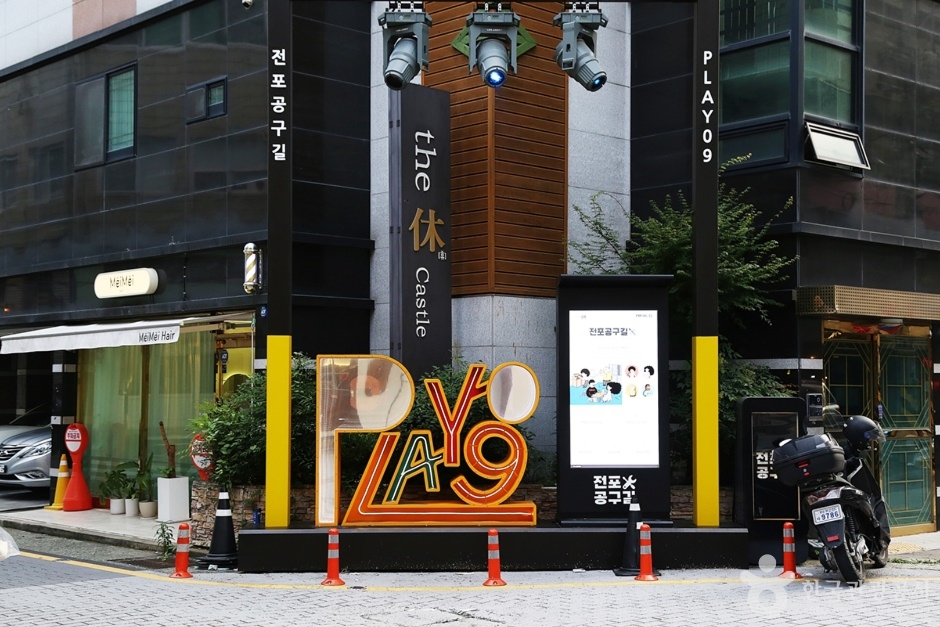
Jeonpo Gonggu Street used to have many tool shops, but they fell into decline over the years. Recently, however, there have been small shops that renovated old tool shops with a touch of modern aesthetics. They transformed into unique cafes, restaurants, and gift shops, and became popular on social media. Because it is near Seomyeon Station, Busan's most crowded area, it is easily accessible by subway. The unique atmosphere makes it a popular location for wedding photos as well as tours.
 English
 한국어
한국어 日本語
日本語 中文(简体)
 Deutsch
 Français
 Español
 Русский


