
Yangsanjip (양산집)
797.8M 2024-12-26
부산광역시 중구 중구로47번길 30
A long-standing dwaeji gukbap restaurant beloved by both vendors and visitors of the Kkangtong Market. The restaurant is small, so it’s often necessary to wait for a seat. Despite this, it remains popular among regulars, who are more than willing to wait. The popular menu item is the suyuk baekban (boiled pork slices set menu), which includes soup, rice, and separately served boiled pork.
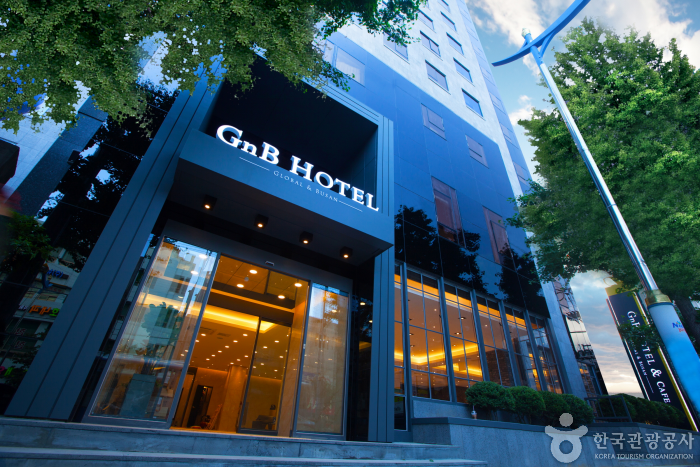
GnB HOTEL (지엔비호텔(GNB호텔))
903.8M 2024-10-30
19 , Heukgyo-ro, Jung-gu, Busan
GnB Hotel is a large-scale hotel located 10 minutes' walk from Jagalchi Station on the Busan Subway. It offers a wide range of room types, including Standard, Deluxe, Suite, and Penthouse. Specifically, the Penthouse and Penthouse+ rooms, which are the pride of the hotel, feature whirlpool spas where you can relax after a long journey while taking in the scenery of downtown Busan. They are also equipped with an induction cooktop and kitchenware. The restaurant on the B1 floor serves breakfast. The business center on the first floor provides guests with free access to a printer and scanner.
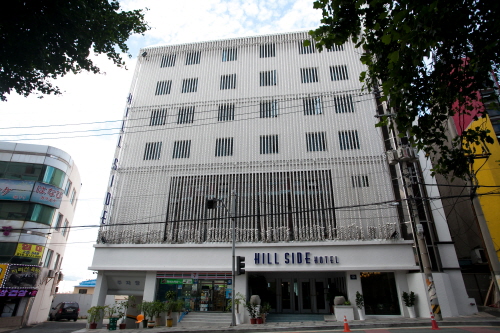
HILLSIDE HOTEL / 힐사이드호텔
1.0Km 2025-03-05
160 , Junggu-ro, Jung-gu, Busan
Hillside Hotel in Busan is about 7 minutes by car from Busan Station, making it super-convenient for those arriving by train. Rooms are modern and comfortable, bedding is cozy and toilets are clean. A simple breakfast is provided free of charge, and there’s a convenience store on the hotel’s 1st floor. For those wanting to explore Busan, Yongdusan Park, Yeongdodaegyo Bridge, Jagalchi Market, PIFF Street, and the Movie Experience Museum are 5-7 minutes away by car.
Samjin Fish Cake History Museum · History Hall (삼진어묵체험·역사관)
1.1Km 2023-01-10
36, Taejong-ro 99beon-gil, Yeongdo-gu, Busan
Fish cakes are one of the most popular snacks in Busan. Among many fish cake makers in the city, Samjin Fish Cake is the oldest fish cake producer. Its main store in Yeongdo looks like a bakery shop. Visitors can choose among a variety of fish cakes and there is a separate space in the store where they can eat purchased fish cakes. The experience hall on the second floor provides a chance for visitors to make their own fish cake.
AREA6 (AREA6)
1.1Km 2023-02-03
37-3, Taejong-ro 105beon-gil, Yeongdo-gu, Busan
AREA6 is a multipurpose cultural space made to promote the artisans and artists of Busan as a part of an urban regeneration project. On the first floor, there are a total of nine spaces, including F&B brands, select shops, and information centers. The second floor is a co-working space and lounge, and the third floor consists of a rooftop and seminar room that anyone can freely use. It was designed sensibly by keeping the existing buildng's shape without compromising volume and scale. Each space, such as a small alley that leads from the yard like a maze, is full of individuality and is fun to look around. Busan's local brands, such as Ineoajimae, Busan Drinks, and Samjin Fish Cake are located here, and a flea market is also held irregularly.
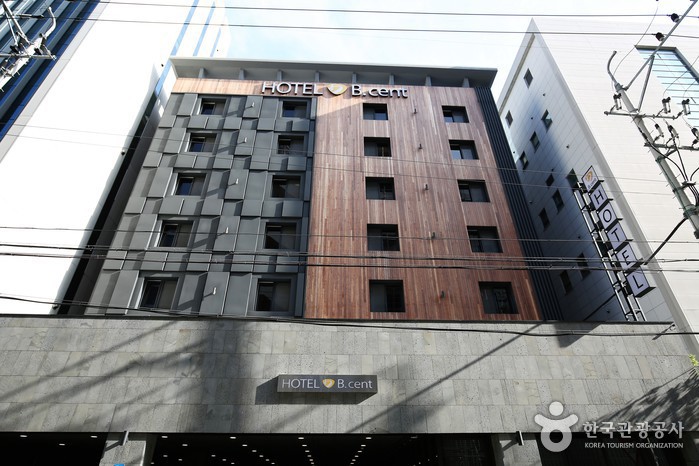
Bcent Hotel (비센트호텔)
1.2Km 2024-12-22
64 , Chungjang-daero 9beon-gil, Jung-gu, Busan
B.cent Hotel in Jungang-dong, Jung-gu, Busan, is a modern hotel offering sophisticated design and high-quality service. Rooms are spacious and pleasant with high-quality furniture and bedding. The hotel is adjacent to Busan Station, Busan Port Passenger Terminal and Gimhae Airport, making it convenient for both domestic and international travellers. The location also offers easy access to Busan shopping, culture, and tourist attractions.
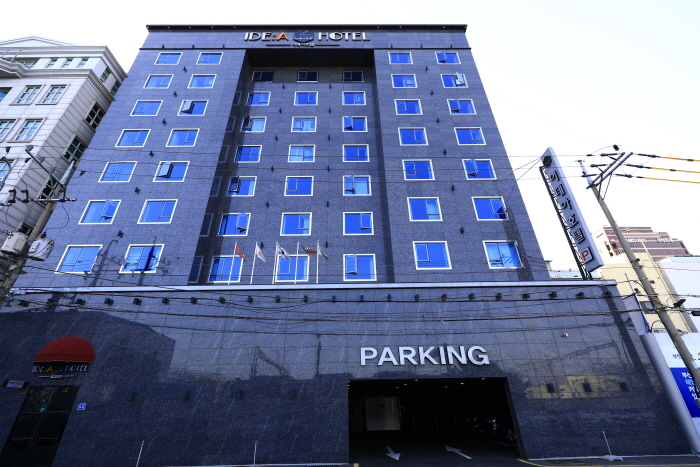
Le IDEA Hotel Busan Station (르이데아호텔)
1.4Km 2024-12-22
16-10 , Jungang-daero 180beon-gil, Dong-gu, Busan
Leidea Hotel is a boutique hotel in Dong-gu, Busan. It has spacious rooms with large beds - some equipped with jacuzzis, and some with personal safes and closets for the convenience of long-stay residents. Rooms on the 5th floor and higher offer fine views of Hangdaegyo Bridge and the sea. The location is convenient for both transport - Busan station is nearby - and for visiting downtown Busan attractions such as Gukje Market, Jagalchi Market, Yongdusan Park and Taejongdae.
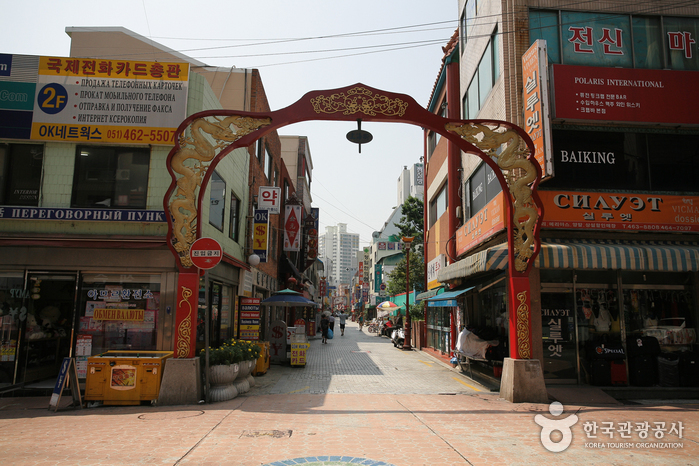
Busan Chinatown Special Zone (부산 차이나타운특구(상해문.상해거리))
1.5Km 2022-10-24
1, Jungang-daero 179beon-gil, Dong-gu, Busan
Busan Chinatown, also known as Shanghai Street, offers visitors a chance to experience the past with old fashioned streets and Chinese songs playing from restaurants. Travelers can experience little China in the middle of Busan.
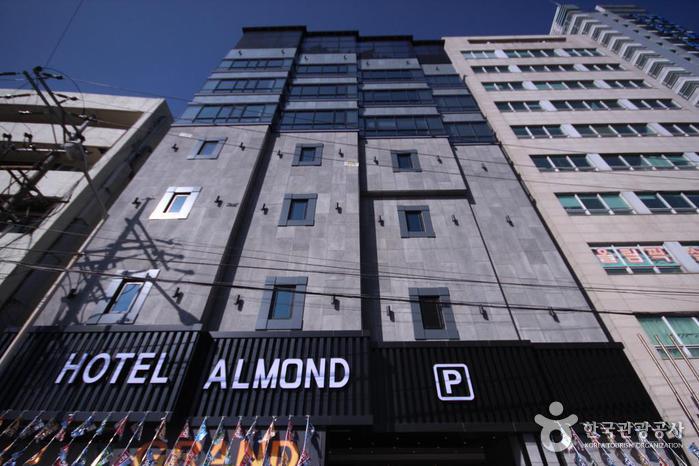
Almond Hotel (아몬드호텔)
1.6Km 2024-12-22
12-5 , Jungang-daero 196beon-gil, Dong-gu, Busan
A five-minute walk from Busan Station and 1 km from the Busan Port Passenger Terminal, Hotel Almond is highly convenient for public transport and particularly popular with business travelers. Its spacious guestrooms are divided into ondol type and bedroom type rooms, and most of them come with a large bathtub. The hotel provies photocopying, printing, faxing and luggage storage services. Nearby tourist attractions include Choryangibagu-gil, Yongdusan Park, Bosu-dong Bookstore Alley, and Jagalchi Market.
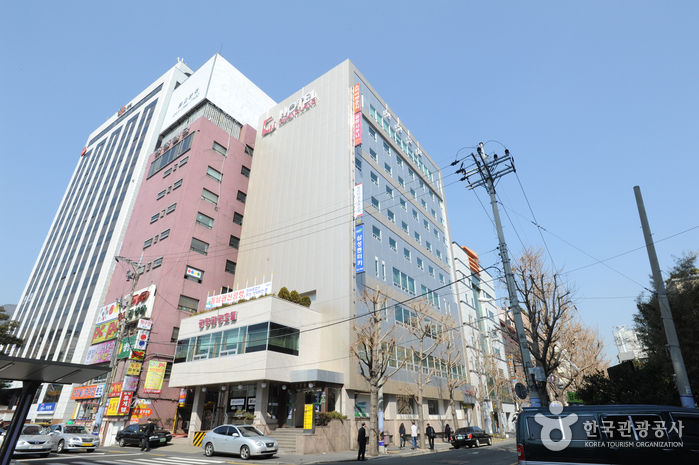
Hotel Gwangjang (광장호텔)
1.9Km 2025-01-07
7, Jungang-daero 214beon-gil, Dong-gu, Busan
Hotel Gwangjang is located near Busan Station Plaza in the heart of the port city Busan. The hotel underwent a major reconstruction work in 2002 to provide better quality rooms that offer both comfort and convenience. The hotel continues to provide excellent service to accommodate guests' needs.
 English
 한국어
한국어 日本語
日本語 中文(简体)
 Deutsch
 Français
 Español
 Русский


