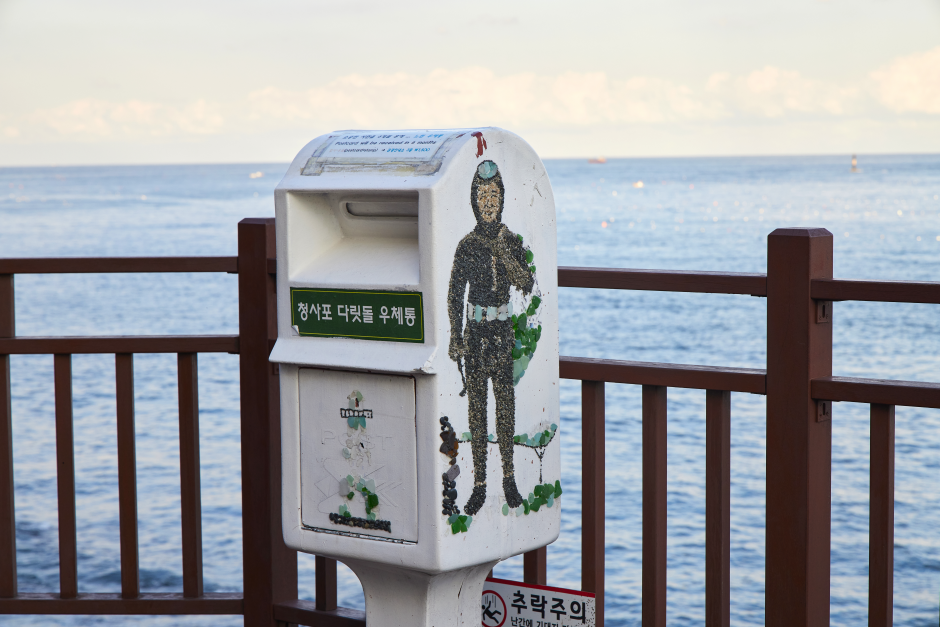
Cheongsapo Daritdol Observatory (청사포 다릿돌전망대)
18.0Km 2025-07-02
167 Cheongsapo-ro, Haeundae-gu, Busan
Cheongsapo Daritdol Observatory, which opened on September 17, 2017, is located in the middle of the closed railroad of the Donghae Nambu Line from Mipo to Songjeong. It is 20 meters high from the sea level, 72.5 meters long toward the sea, and 3 to 11.5 meters wide. A half-moon-shaped transparent floor is installed at the end of the observatory, allowing visitors to feel the thrill of walking on the sea. From right in front of the observatory to the marine lighthouse, visitors can enjoy the beautiful coastal scenery of Cheongsapo and as well as the view of sunrise and sunset while looking at Daritdol, which refers to five neatly lined up reefs.
[Source: Haeundae-gu Office Cultural Tourism]
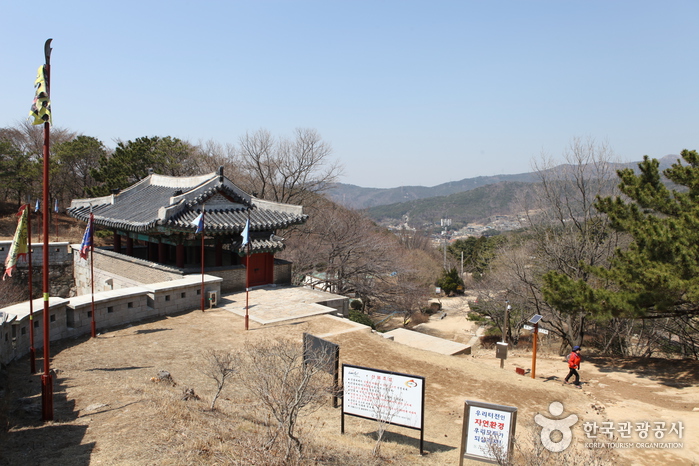
Geumjeongsanseong Fortress (금정산성)
18.4Km 2024-03-05
78-5 Bungmun-ro, Geumjeong-gu, Busan
+82-51-519-4092
Geumjeongsanseong Fortress, with a circumference of 18,845 meters along the ridges and valleys of Geumjeongsan Mountain, is a large-scale fortress built during the Joseon dynasty between 1701 and 1703. The fortress is accompanied by Geumjeongsanseong Village and is known for producing Sanseong makgeolli (unrefined rice wine), a traditional Korean alcoholic beverage. Additionally, there are numerous restaurants, cafés, and attractions, making it a place where nature, history, cuisine, and sightseeing coexist.
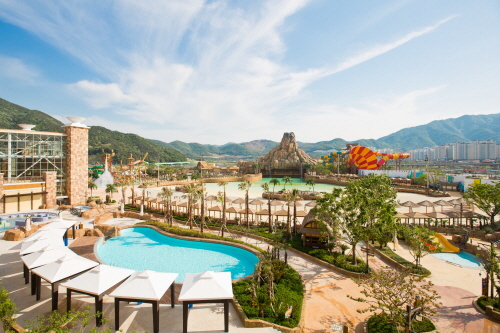
Gimhae Lotte Water Park (김해 롯데워터파크)
18.6Km 2025-05-19
555 Jangyu-ro, Gimhae-si, Gyeongsangnam-do
Gimhae Lotte Water Park is the largest water park in Korea, featuring a Polynesian theme with 17 types and 43 water attractions. It includes a giant volcano-shaped structure called Giant Volcano, along with indoor and outdoor water parks that can be enjoyed year-round, as well as Rapids River Zone and Torrent River Zone. Facilities include wave pool, lazy river pool, spa pool, swing slide, and more, making it a must-visit leisure destination in Busan.
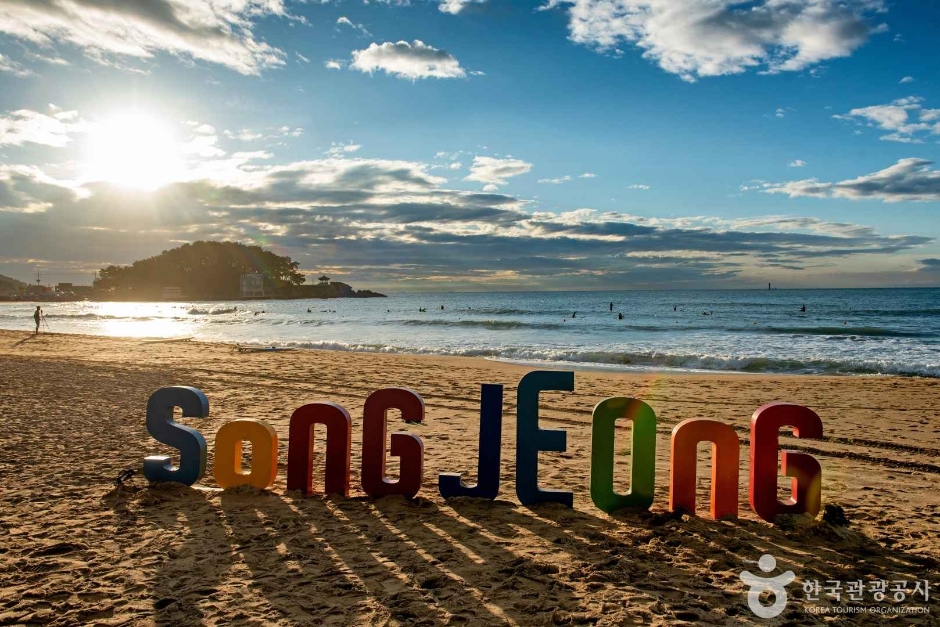
Songjeong Beach (송정해수욕장)
19.1Km 2024-11-11
62 Songjeonghaebyeon-ro, Haeundae-gu, Busan
+82-51-749-5800
Songjeong Beach stretches for 1.2 kilometers with a x_width ranging from 30 to 60 meters. The white sandy beach is ideal for families with young children because of its shallow waters. The beach is very popular as a photography venue for pre-wedding photoshoots. The area around the beach offers many hoe (sliced raw fish) restaurants. Jukdo Park is located north of the beach at the entrance to Songjeonghang Port. The white and red lighthouses of the harbor are a popular photo spot, as well as the view of the beach from Songiljeong Pavilion at the peak of Jukdo Park. The path leads through a grove of evergreens. Fishermen often line the breakwaters to the lighthouses.
Dongsang Market (동상시장)
19.1Km 2025-10-23
25 Guji-ro 180beon-gil, Gimhae-si, Gyeongsangnam-do
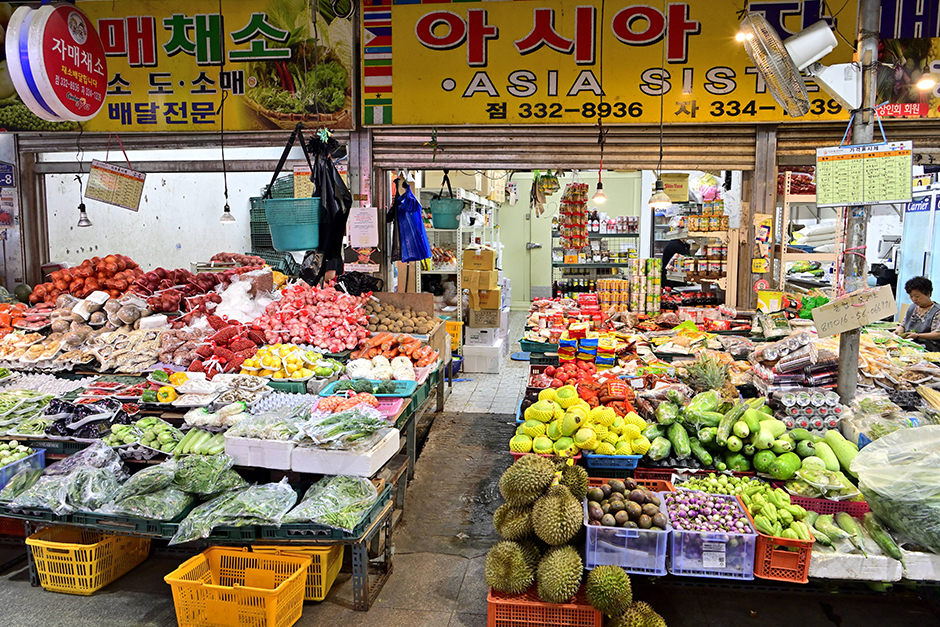
Formed in 1945, Dongsang Market is a lifestyle-centric traditional market that offers a slew of daily necessities like vegetables, fruits, rice cakes, fishery products, and side dishes, as well as a popular alley specializing in Kalguksu (noodle soup). Designated as a cultural tourism market in 2017, it has since evolved into a vibrant space where traditional Korean culture harmoniously coexists with diverse global cultures. As more foreign workers have begun frequenting the market in recent years, a number of Asian grocery stalls have opened. In particular, vegetables favored by Southeast Asian customers, ritual foods, and Kalguksu (noodle soup) have become local specialties.
Ttangmoesan Mountain (땅뫼산)
19.1Km 2024-02-26
260-1 Oryundae-ro, Geumjeong-gu, Busan
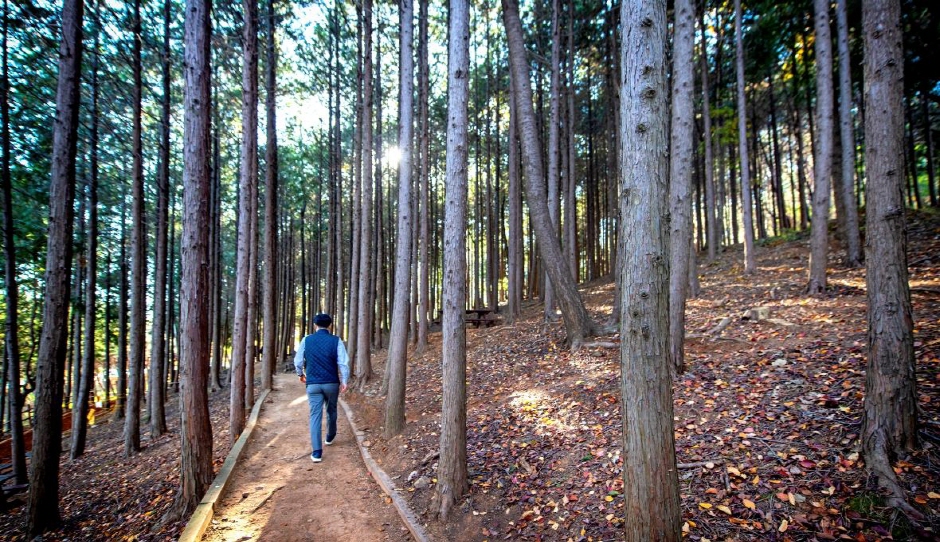
The Ttangmoesan Mountain Forest Trail, wrapping around the Hoedong Reservoir, is distinguished by its red clay path. This trail spans 1.7 kilometers and can be comfortably completed in approximately thirty minutes at a relaxed pace. As you stroll through the lush cypress forest, the cool sensation of the red clay is enjoyable under bare feet. The journey along forest paths and wooden deck walkways also reveals a variety of trees native to the lake marsh environment.

Tomb of King Suro (수로왕릉)
19.3Km 2024-01-23
26 Garak-ro 93beon-gil, Gimhae-si, Gyeongsangnam-do
+82-55-332-1094
King Suro founded the Garak Kingdom in AD 42 and married Heo Hwang-ok, a princess from the Indian country of Ayuta, in AD 48. He was the founder of the Gimhae Kim family. Heo Yeop, a Yeongnam governor, gave the tomb its current look in the 13th year of the reign of King Seonjo (1580). The tomb compound includes various buildings, including the Sungseonjeon (where the ancestral tablets of King Suro and his queen are kept), Anhyanggak, Jeonsacheong, and Jegigo, as well as stone structures, such as a sindobi (tombstone) and gongjeokbi (monument established to pay homage the deceased). The tombstone in front of the royal tomb was built in the 25th year of the reign of King Injo (1647) of the Joseon dynasty. The name Sungseonjeon was bestowed on the tomb by King Gojong in the 21st year of his reign (1884).
Sureungwon Garden (수릉원)
19.3Km 2024-01-23
35 Bunseong-ro 261beon-gil, Gimhae-si, Gyeongsangnam-do
Sureungwon Garden is a place themed around the meeting between King Suro, the founder of Gaya, and Queen Heo, who was the princess of Ayuta Kingdom, known as India. The name Sureungwon Garden also contains the meaning of an elegant forest where King Suro and Queen Heo walked together. An ecological park measuring 39,600 m2 has been created along a low ridge that connects the Tomb of King Suro, an important cultural heritage of the Gaya period; the Ancient Tombs in Daeseong-dong, the tombs of the Gaya kings; and the Bonghwang-dong Historic Site. It was created by representing the maritime kingdom of Gaya, imagining a pond of the garden where King Suro and Queen Heo used to walk, and planting prickly waterlilies and yellow floating hearts that are believed to have inhabited wetlands in the Gaya period. Trails along the cozy forest and pond make it easy to look around comfortably.
Bunsanseong Fortress (김해 분산성)
19.6Km 2023-01-18
210-162, Gaya-ro 405beon-gil, Gimhae-si, Gyeongsangnam-do
+82-55-330-3925
Bunsanseong Fortress was constructed in the 3rd year of the reign of Goryeo's King U (1377) by Magistrate Park Wi to defend against foreign enemies, but it was destroyed during the Japanese invasion of 1592. The fortress we see today was reconstructed by Magistrate Jeong Hyeon-seok in the 8th year of the reign of Joseon's King Gojong (1871). However, it is estimated that it was first built during the days of Gaya. It is a temoe-style fortress with rocks piled up like a long band at the peak of Bunsan from which downtown Gimhae, Gimhae Plains, the Nakdonggang River and the South Sea are all in a single, panoramic view. Today, fortress walls remain stretching for some 900 meters on the slope towards the city and, inside the fortress, there are two gate sites in the south and north, an auxiliary gate on the west, a well site and several other building sites. The exact length of the remaining fortress walls is 929 meters and the average x_width is about 8 meters.
Inside the fortress lies Haeeunsa Temple, which was built to pay respects to Queen Heo of Garak who had come from the sea, according to stories. The temple also enshrines portraits of King Suro and Queen Heo that were painted during the Joseon dynasty. During the Japanese invasion of 1592, monk soldiers were stationed at this temple.
The fortress is more popularly called "Manjangdae" by Gimhae locals, and this name originated from the description, "A tall tower 10,000 (man) gil in x_height," granted by Daewongun in the Joseon dynasty for this advanced base that defeats Japanese invaders. A writing of "Manjangdae" written by Daewongun himself as well as his stamp are engraved on a rock behind a beacon that was restored in 1999.
Museum of the ancient tombs in Daseong-dong (대성동고분박물관)
19.6Km 2023-01-02
126, Gayaui-gil, Gimhae-si, Gyeongsangnam-do
+82-55-350-0401
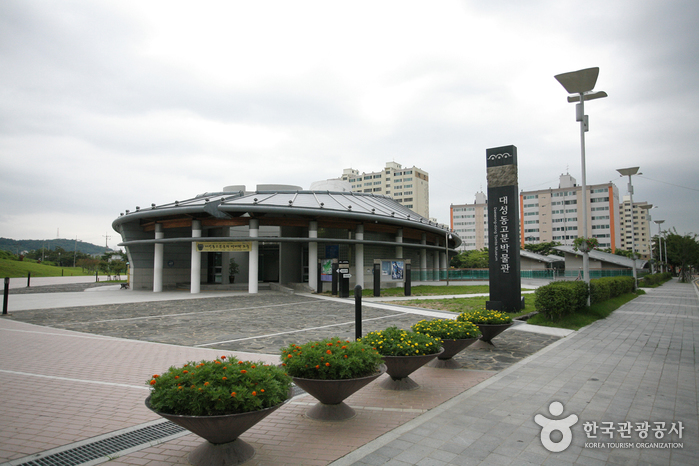
The Museum of the ancient tombs in Daseong-dong displays artifacts unearthed from the four excavations of the Daeseongdong Tumuli. Highlighting often overlooked relics of the Geumgwan Gaya, the museum has three ground-floor exhibit halls and several underground auxiliary facilities. The main exhibits include a life-sized statue of a mounted soldier and a warrior statue, both recreated based on bones excavated from the tumuli of Yean-ri. The museum relies heavily on videos and dioramas to help visitors explore all the museum has to offer.
 English
 한국어
한국어 日本語
日本語 中文(简体)
 Deutsch
 Français
 Español
 Русский


