
Tomb of King Suro (수로왕릉)
15.6Km 2024-01-23
26 Garak-ro 93beon-gil, Gimhae-si, Gyeongsangnam-do
+82-55-332-1094
King Suro founded the Garak Kingdom in AD 42 and married Heo Hwang-ok, a princess from the Indian country of Ayuta, in AD 48. He was the founder of the Gimhae Kim family. Heo Yeop, a Yeongnam governor, gave the tomb its current look in the 13th year of the reign of King Seonjo (1580). The tomb compound includes various buildings, including the Sungseonjeon (where the ancestral tablets of King Suro and his queen are kept), Anhyanggak, Jeonsacheong, and Jegigo, as well as stone structures, such as a sindobi (tombstone) and gongjeokbi (monument established to pay homage the deceased). The tombstone in front of the royal tomb was built in the 25th year of the reign of King Injo (1647) of the Joseon dynasty. The name Sungseonjeon was bestowed on the tomb by King Gojong in the 21st year of his reign (1884).
Sureungwon Garden (수릉원)
15.6Km 2024-01-23
35 Bunseong-ro 261beon-gil, Gimhae-si, Gyeongsangnam-do
Sureungwon Garden is a place themed around the meeting between King Suro, the founder of Gaya, and Queen Heo, who was the princess of Ayuta Kingdom, known as India. The name Sureungwon Garden also contains the meaning of an elegant forest where King Suro and Queen Heo walked together. An ecological park measuring 39,600 m2 has been created along a low ridge that connects the Tomb of King Suro, an important cultural heritage of the Gaya period; the Ancient Tombs in Daeseong-dong, the tombs of the Gaya kings; and the Bonghwang-dong Historic Site. It was created by representing the maritime kingdom of Gaya, imagining a pond of the garden where King Suro and Queen Heo used to walk, and planting prickly waterlilies and yellow floating hearts that are believed to have inhabited wetlands in the Gaya period. Trails along the cozy forest and pond make it easy to look around comfortably.
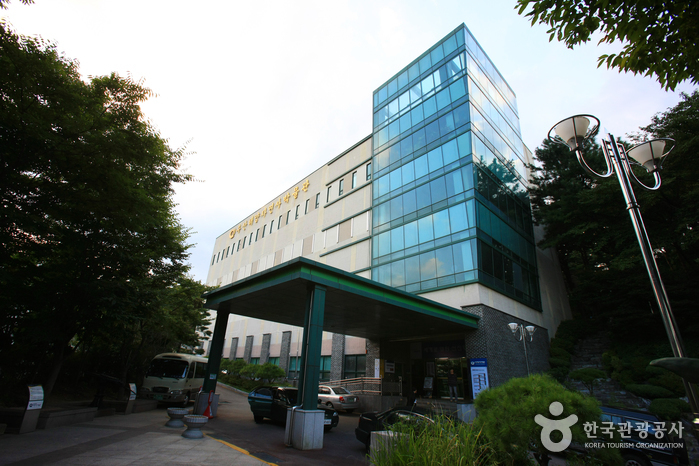
Busan Marine Natural History Museum (부산해양자연사박물관)
15.7Km 2021-06-09
175, Ujangchun-ro, Dongnae-gu, Busan
+82-51-553-4944
Opened on June 10, 1994, the Busan Marine Natural History Museum is the first and largest museum of its kind in Korea. The museum features some 25,000 marine specimens from over 100 countries around the world, including rare living species and those native to Korea. The museum opened a second exhibition hall in April 2003, and launched the Busan Fishing Village Folk Museum on February 23, 2007.
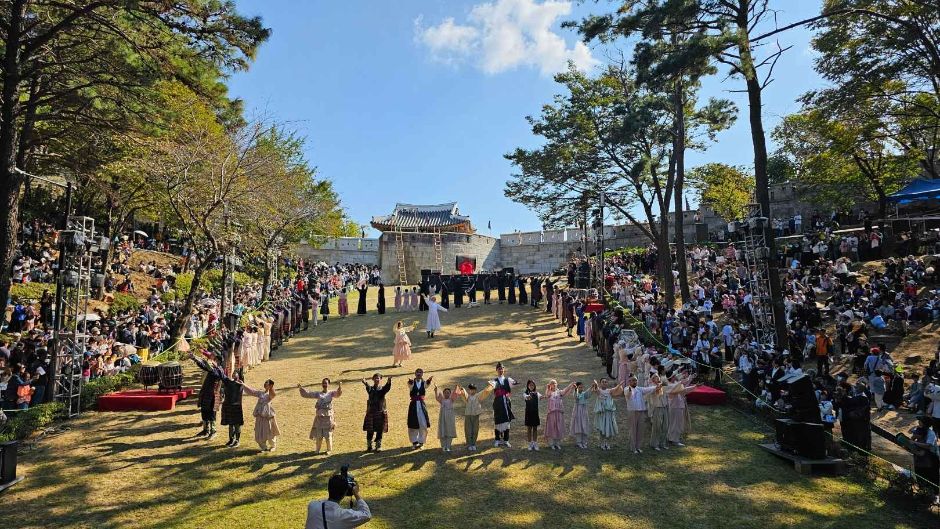
Dongnaeeupseong History Festival (동래읍성역사축제)
15.7Km 2025-07-11
80 Munhwa-ro, Dongnae-gu, Busan
+82-51-550-4092
The Dongnaeeupseong History Festival offers an immersive experience of the history and culture of Dongnaeeupseong Walled Town, where the Battle of Dongnaeseong Fortress took place against the Japanese army during the Imjin War in 1592. Highlights include a musical dramatizing the patriotic spirit of the Dongnae Governor during the battle and various hands-on experiences, such as participating as Dongnae citizens using traditional Joseon-era coins.
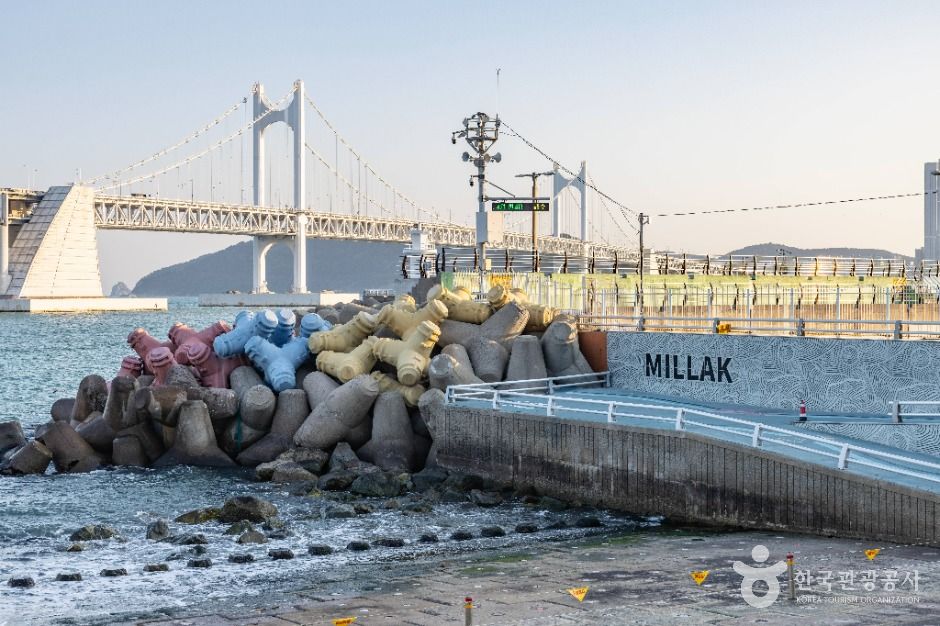
Millak Waterfront Park (민락수변공원)
15.8Km 2025-08-11
Millak-dong, Suyeong-gu, Busan
Suyeong-gu is well known for its long history and traditions, and has beautiful scenery. Geumnyeonsan Mountain has a lush forest and Gwangalli Beach is located in the front. During the Joseon dynasty, this location was a strategically important region. The Millak Waterfront Park was built between August 1992 and May 1997. The park is 543 meters long and 60 meters wide. Located between Haeundae Beach and Gwangalli Beach, it is the first park in Korea to combine the oceanfront with public rest and leisure facilities. The park (about 33,000 ㎡) can accommodate up to 40,000 people and boasts convenience facilities such as gardens, shaded rest areas, and benches. The 3,040 ㎡ platform from which visitors can overlook the beach also serves as a place where people can dip their feet in the ocean when the tide is high.
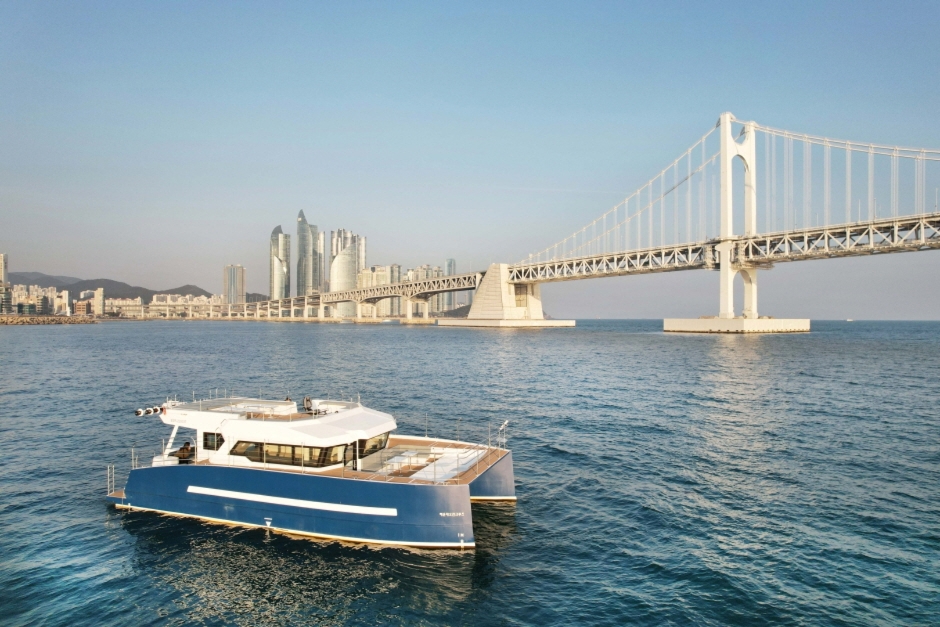
Haeundae River Cruise (해운대리버크루즈)
15.8Km 2024-03-29
85 Suyeonggangbyeon-daero, Haeundae-gu, Busan
Haeundae River Cruise is the first urban cruise ship in Busan that allows passengers to see both rivers and the sea from APEC Naru Park to Marine City and Gwangandaegyo Bridge. Cruises run weekdays, sunset and night time, and late-night, so you passengers can enjoy the the view of Suyeonggang River, Haeundae, and Gwangallihaebyeon Beach both day and night. There is a cafe where passengers in queue can relax before boarding, a kiosk photo print, and a gift shop. The cruise takes about an hour, and indoor shoes, blankets, cell phone charging cables, water, tea, beverages, and snacks are available for passengers.
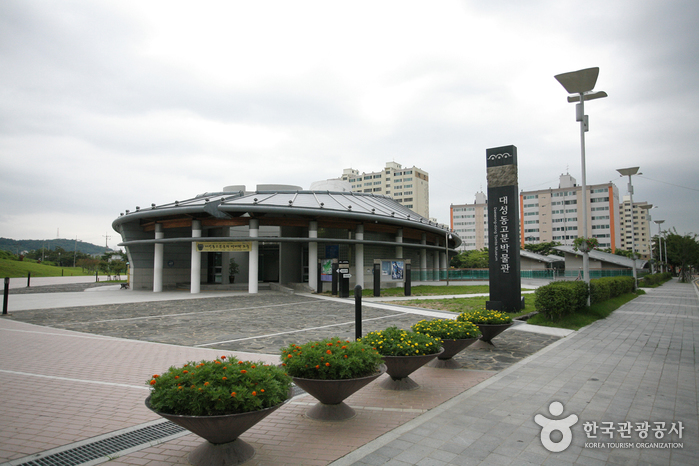
Museum of the ancient tombs in Daseong-dong (대성동고분박물관)
15.9Km 2023-01-02
126, Gayaui-gil, Gimhae-si, Gyeongsangnam-do
+82-55-350-0401
The Museum of the ancient tombs in Daseong-dong displays artifacts unearthed from the four excavations of the Daeseongdong Tumuli. Highlighting often overlooked relics of the Geumgwan Gaya, the museum has three ground-floor exhibit halls and several underground auxiliary facilities. The main exhibits include a life-sized statue of a mounted soldier and a warrior statue, both recreated based on bones excavated from the tumuli of Yean-ri. The museum relies heavily on videos and dioramas to help visitors explore all the museum has to offer.
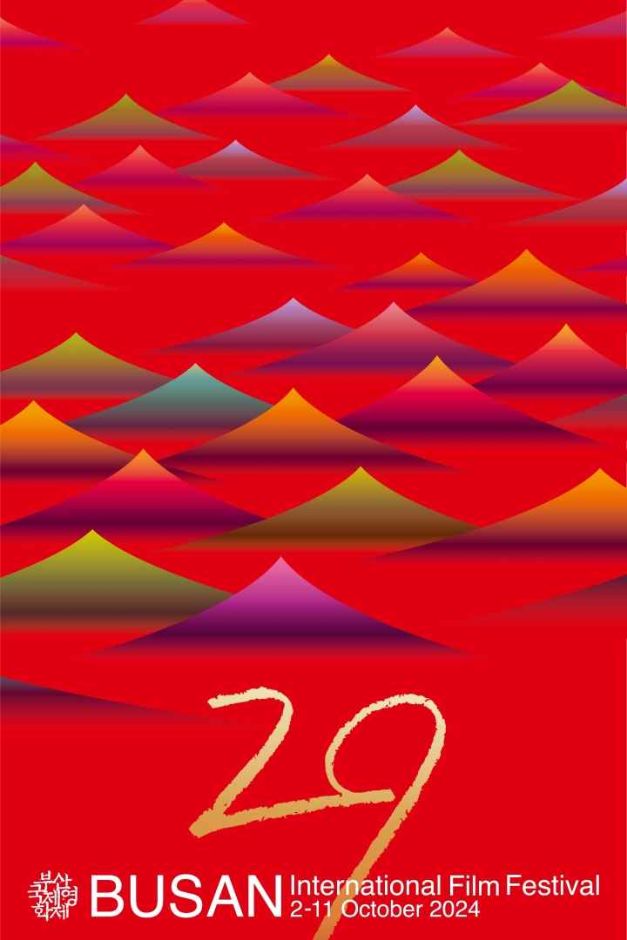
Busan International Film Festival (BIFF) (부산국제영화제)
15.9Km 2025-08-08
120 Suyeonggangbyeon-daero, Haeundae-gu, Busan
+82- 688-3010
Busan International Film Festival (BIFF) was the first international film festival in Korea that is now considered one of the biggest in Asia.
The festival boosted Busan as a city of culture and art, while helping the Korean film industry by improving production and distribution. The festival also helps search for talented movie directors and unknown movies through previewing various film genres.
The festival plans to continue its work of making Busan the heart of the film industry, increasing the market and investment to improve the film industry.
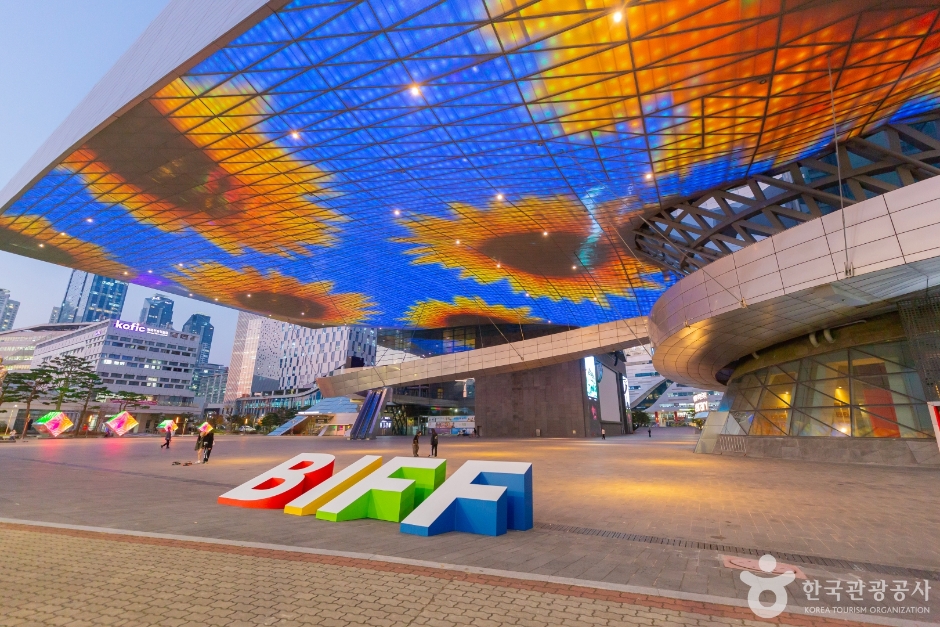
Busan Cinema Center (부산 영화의 전당)
15.9Km 2025-10-23
120 Suyeonggangbyeon-daero, Haeundae-gu, Busan
+82-51-780-6000
Busan Cinema Center serves as both the venue of the Busan International Film Festival (BIFF) and a cultural space hosting film screenings, performances, and exhibitions. It has BIFF Theater with nearly 4,000 seats, Cinema I, Cinema II, Cinematheque, Haneulyeon Theater, Indieplus, and Library.
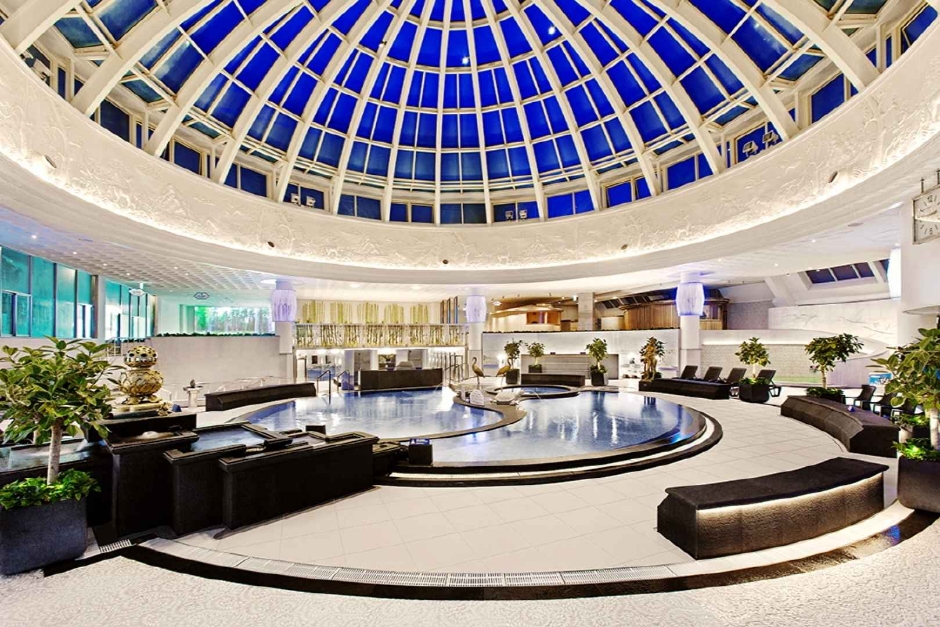
Hurshimchung (허심청)
15.9Km 2024-07-05
23 Geumganggongwon-ro 20beon-gil, Dongnae-gu, Busan
+82-51-550-2200
Hurshimchung is a large-scale hot spring facility using natural hot spring water and lit by natural lighting through the ceiling. Known for its magnesium-rich hot spring water, it is believed to be beneficial for conditions such as neuralgia, cut wounds, back pain, and muscle aches. The facility includes large hot spring baths, saunas, restaurants, cafés, convenience stores, and massage shops. The hot spring baths feature various event baths using natural bathing ingredients and medicinal herb depending on the season. There are also various types of saunas, including charcoal sauna and red clay sauna.
 English
 한국어
한국어 日本語
日本語 中文(简体)
 Deutsch
 Français
 Español
 Русский


