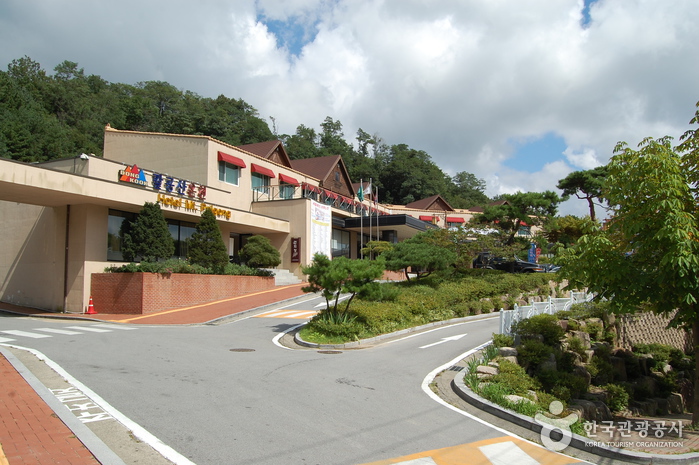
Mt. Palgong Hot Spring Tourist Hotel (팔공산온천관광호텔(온천))
17.4Km 2024-02-28
11 Palgongsan-ro 185-gil, Dong-gu, Daegu
Mt. Palgong Hot Spring Tourist Hotel is nestled near Birobong Peak of Palgongsan Mountain. It features a hot spring bath with sodium chloride alkaline water (pH 8.0), sourced from 687 meters below the granite surface of a nearby valley. The spring water, at a temperature of 28.9 ℃, is renowned for its properties that soothe the skin, enhance blood circulation, and relieve fatigue. The facility includes hot and cold baths, jet benches for water massages, a sauna, and open-air baths. Additionally, the surrounding Palgongsan Mountain area boasts numerous tourist attractions, including Donghwasa Temple, a cable car, and various hiking trails.

Palgongsan Cable Car (팔공산 케이블카)
17.4Km 2025-08-12
51 Palgongsan-ro 185-gil, Dong-gu, Daegu
Palgongsan Cable Car takes visitors a ride on an ascending slope, offering both thrill and beautiful views. The cable car's landing platform is at the top of Sinnimbong Peak of Palgongsan Mountain. This peak is considered one of the most famous prayer spots, together with the ritual alter on Birobong Peak and the Buddha statue on the eastern Gatbawi Rock.
Daegu Donghwasa Temple (동화사(대구))
17.4Km 2025-08-11
1 Donghwasa 1-gil, Dong-gu, Daegu
Donghwasa Temple is located on the south side of Palgongsan Mountain, about 22 km northeast of Daegu. It was built by Monk Geukdal in the 15th year of King Soji’s reign (AD 493). The original name of the temple was Yugasa Temple, but Simjiwangsa rebuilt the temple under King Heungdeok (r. AD 826-836) and named it Donghwasa Temple, which means "the paulownia tree blooms even in winter," in reference to the blooming trees around the temple. Most of the present temple buildings were constructed between 1723 and 1732.
Hwawon Park (화원동산)
17.5Km 2024-04-08
40-14 , Samunjin-ro 1-gil, Dalseong-gun, Daegu
Hwawon Park, a vast park beside the Nakdonggang River, is steeped in history. The river, once bustling with Samunjin Quay, where ships laden with goods frequented, now features Samunjin Ferries. Visitors can access Dalseong Marsh Ecological Park via a floating walkway across the river. In the vicinity, the Samunjin Jumakchon Village offers traditional beverages and delicacies, including makgeolli (unrefined rice wine) and pajeon (green onion pancake). With well-maintained walking trails, cafés, and picnic spots, the park serves as an ideal destination for family outings.
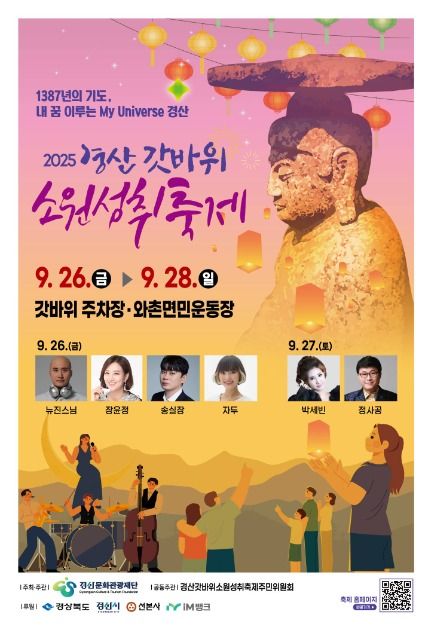
Gyeongsan Gatbawi Wish Fulfillment Festival (경산 갓바위소원성취축제)
17.5Km 2025-10-23
Wachon-myeon, Gyeongsan-si, Gyeongsangbuk-do
+82-53-819-0332
Gyeongsan Gatbawi Wish Fulfillment Festival is a healing and participatory festival that blends traditional culture with modern performances. Various events and hands-on activities are offered during the festival, including tea ceremony programs, temple stay, wish pagoda stacking, meditation, and yoga. Visitors can also explore various regional products such as fresh Wachon plums and enjoy opening performances.
Keimyung University Dongsan Hospital (계명대학교 동산병원)
17.6Km 2025-10-23
1035 Dalgubeol-daero, Dalseo-gu, Daegu
Established in 1899 as Daegu's first Western medical institution, Keimyung University Dongsan Hospital is a cutting-edge, eco-friendly facility offering 37 specialties. It features top centers for cancer, robotic surgery, cardiocerebrovascular diseases, and organ transplants. In 2023, it won the Medical Korea Award for cancer care. The International Healthcare Center has been providing personalized services to international patients since 1967.
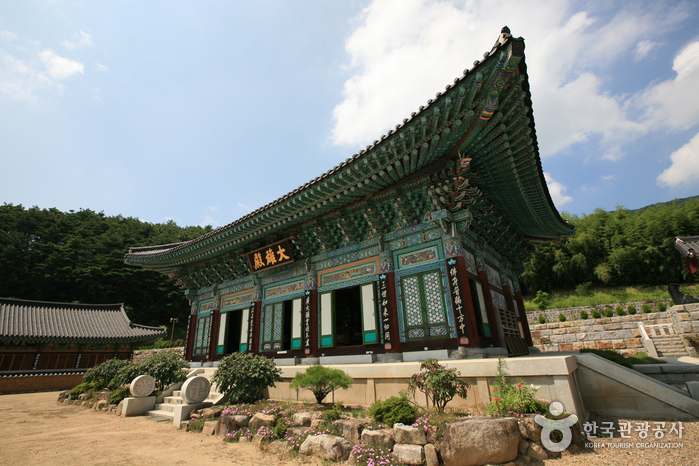
Buinsa Temple (Daegu) (부인사(대구))
17.7Km 2024-02-23
967-28 Palgongsan-ro, Dong-gu, Daegu
Buinsa Temple is a temple nestled on the southern slopes of Palgongsan Mountain, with a deep historical connection to Queen Seondeok of Silla (580–647). The temple is renowned for preserving the woodblocks of the First Tripitaka Koreana, a collection of Buddhist scriptures carved in the 11th century. The current Buinsa Temple encompasses significant structures, including Daeungjeon Hall, Queen Seondeok's Memorial Hall, and Samseonggak Shrine. Visitors have the opportunity to appreciate the scenic beauty of nature while exploring the cultural and architectural heritage from the Silla and Goryeo periods.
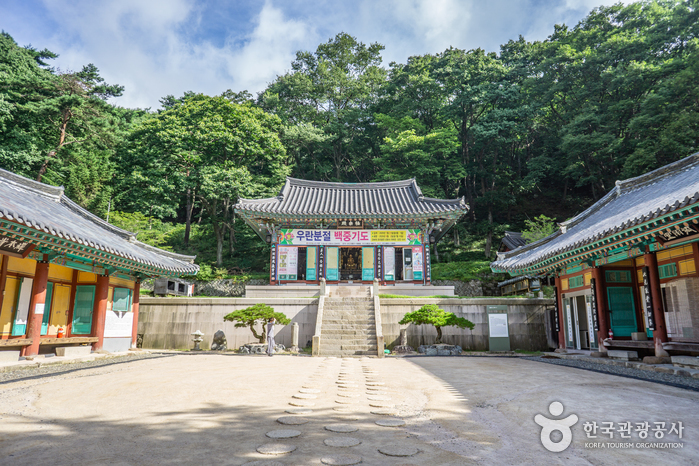
Gyeongsan Seonbonsa Temple (선본사(경산))
17.8Km 2021-12-02
699, Gatbawi-ro, Gyeongsan-si, Gyeongsangbuk-do
Seonbonsa Temple is a centrally administered temple of the Jogye Order. It was originally built in 491 by Geukdal, and later repaired in 1641. The temple is home to many important cultural treasures, including the Stone Seated Buddha at Gwanbong Peak (Treasure), Three-story Stone Pagoda (Gyeongsangbuk-do Cultural Heritage), and stone lanterns.
Samunjin Jumakchon Village (사문진 주막촌)
17.8Km 2023-11-09
40-12 Samunjin-ro 1-gil, Hwawon-eup, Dalseong-gun, Daegu
Samunjin was the location of a ferry dock on the Nakdonggang River in the past. During the Japanese occupation, the area was turned into a recreation ground, which saw many people coming to enjoy leisure strolls. In November 2013, three hanok jumak (traditional dining establishment) were built at the site of the old dock and the current Samunjin Jumakchon Village was opened. The jumak serve a range of foods that were enjoyed in the past, such as makgeolli, gukbap, and buchujeon (chives pancake). The village is well-known as a place to enjoy the sunset.
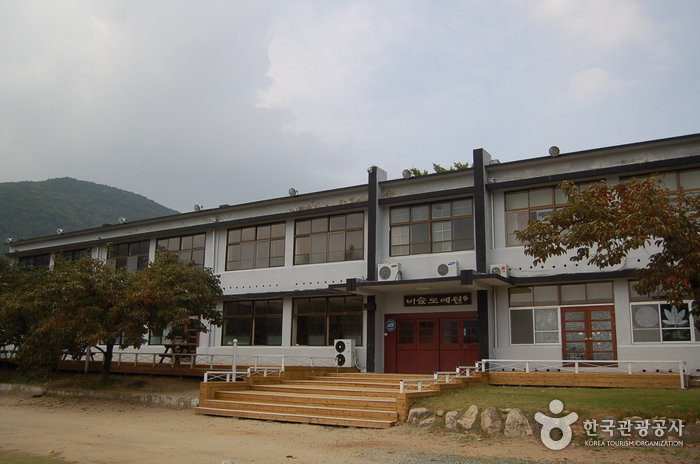
Bisl Pottery Studio (비슬도예원)
18.2Km 2025-01-09
787, Heolti-ro, Cheongdo-gun, Gyeongsangbuk-do
Located in Cheongdo-gun, Gyeongsangbuk-do, the Bisl Pottery Studio is run by potter Kim Byeong-Yeol. An old abandoned school was renovated into a serene studio where you can make your own pottery while taking in the beauty of the surrounding mountains.
Through the teaching of Byeong-Yeol, you'll be able to make your own cup, plate, or ornament. There are also hands-on programs such as natural dyeing and seasonal produce harvesting (potatoes, sweet potatoes, persimmons, strawberries).
The studio exhibits artwork such as Gyeoljeongyujagi, a type of pottery decorated with a mixture of glaze and gold powder. Other works of art include those painted with persimmon juice!
In summer, the Bisl Pottery Studio is especially popular among families as a vacation destination since there are accommodations and an outdoor swimming pool providing relief from the summer heat. There is also a large playground, where visitors can play sports and make campfires.
 English
 한국어
한국어 日本語
日本語 中文(简体)
 Deutsch
 Français
 Español
 Русский


