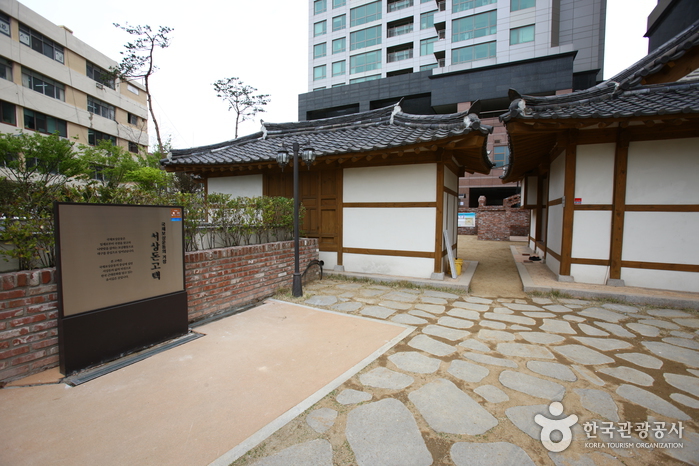
House of Seo Sang-don (서상돈 고택)
9.0Km 2021-07-01
6-1, Seoseong-ro, Jung-gu, Daegu
The house of entrepreneur and activist Seo Sang-don is located in the heart of Daegu. In 1907, in an effort to repay national debt and to gain independence from Japan, Seo launched the National Debt Repayment Movement as well as a nationwide campaign calling for people to quit smoking.
In celebration of Seo's leadership, the City of Daegu restored Seo's old house and opened it to the public. The City also built the National Debt Repayment Park and erected a statue of Seo in his honor.
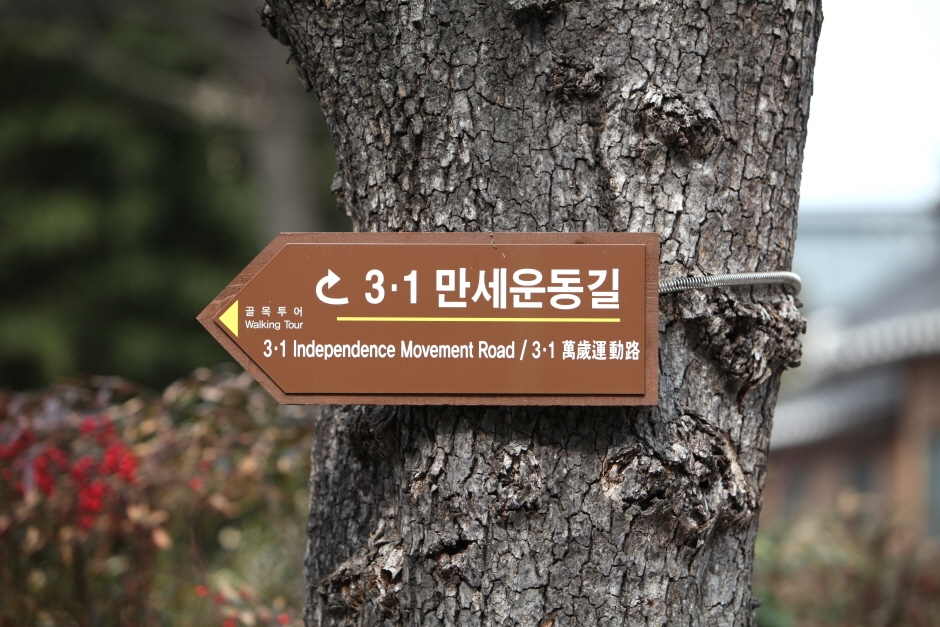
March 1st Independence Movement Road (3·1만세운동길)
9.0Km 2023-01-20
Dongsan-dong, Jung-gu, Daegu
March 1st Independence Movement Road is a historical location where Daegu citizens gathered for the independence movement on March 8, 1919, and the midpoint of Daegu Modern Alley Tour Course 2. Passing Cheongna Hill Missionary's House and Jeil Church, you will come to a road with murals of the independence movement. The March 1st Independence Movement Road is a hilly road leading to Gyesan Cathedral. It is also called 90 Stairs because there are 90 steps. On the wall of the stairs, there is an augmented reality (AR) experience zone along with site photos from history. By scanning the QR code is a 3D video that vividly reproduces the independence movement, enabling a realistic experience of history. Follow the signs of the Daegu March 8th Independence Movement marching road to reach the main road and it will lead to the the 100th anniversary monument of the March 1st Movement and the starting point of the March 8 Movement. A guided alley tour is available for free with an online reservation on the official website.

Dongsan Cheongna Hill (동산청라언덕)
9.2Km 2025-10-24
2029 Dalgubeol-daero, Jung-gu, Daegu
Cheongna Hill is the place where Christian missionaries resided during the early 20 century, planting many ivies along the site. It is also called Dongsan Cheongna Hill for being on the eastern side of Daegu's center. There are many attractions in this beautiful garden including Chamness’ House, Switzer’s House, Blair’s House, 90 stairs, Daegu 3.1 Independence Movement Road, Daegu's first western apple tree, a memorial stone inscribed with the song "Thinking of My Friend” , and the cemetery of the missionaries and their family. Cheongna Hill is also the starting point of Daegu's Street Tour Course 2 as well as a popular drama film location.
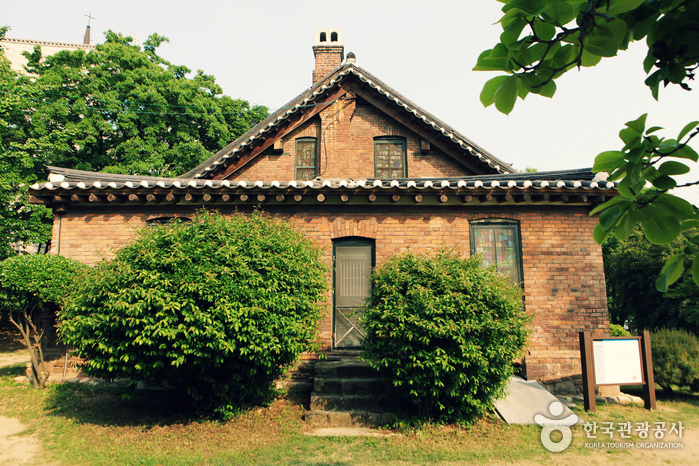
House of Missionary Switze (선교사스윗즈주택)
9.2Km 2024-08-05
2029 Dalgubeol-daero, Jung-gu, Daegu
The House of Missionary Switze served as home for a host of American missionaries. Built between 1906 and 1910, the home is a Western-style structure with two above-ground floors and one basement level. In 1981, the house was used as company housing for doctors at the nearby Dongsan Hospital, at which point changes were made to the interior and exterior of the house. It was later changed into a missionary museum, displaying items used by the missionaries who lived in.
House of Missionary Chamness (선교사챔니스주택)
9.2Km 2022-09-06
2029, Dalgubeol-daero, Jung-gu, Daegu
House of Missionary Chamness was the home of American Christian missionary Chamness and his family. It was built in the Western-style and provides a glimpse into the daily life of American missionaries in Korea. The house, a simple building in comparison with the houses of America at the time, is now considered a very important treasure of Korea's modern history. The building has been converted into a small museum using artifacts from the missionaries to bring the past to life.
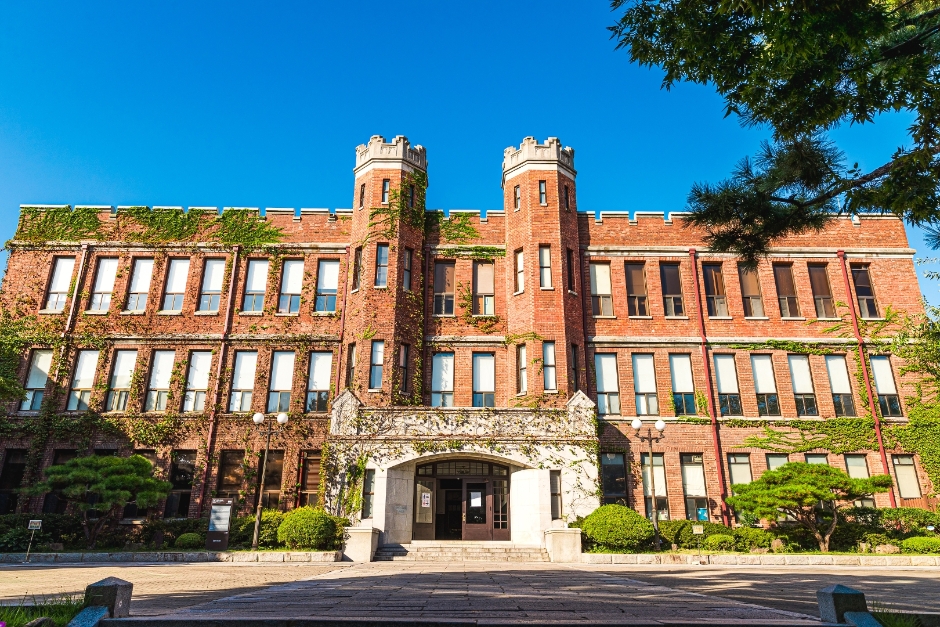
Keisung Middle School (계성중학교)
9.3Km 2025-11-06
35 Dalseong-ro, Jung-gu, Daegu
The hit song “DITTO” by NewJeans encapsulates a nostalgic old camcorder sentiment in its music video. The place that contributed to this feeling is one of the primary filming locations: Keisung Middle School. It’s a functioning school where students regularly attend, but it’s also renowned for its historical cultural buildings, making it a tourist attraction. Why not go on a NewJeans music video tour at the historically rich Keisung Middle School?
Daegu Seomun Market & Seomun Night Market (대구 서문시장 & 서문시장 야시장)
9.3Km 2025-08-11
45 Keunjang-ro 26-gil, Jung-gu, Daegu
Seomun Market opened in its current location in the 1920s after reclaiming the Cheonhwangdangji Reservoir, but it has a much longer history. In the Joseon dynasty, Seomun Market was one of three major markets in the nation. It was called Seomun Market because it was located on the west side of the Daegu Fortress. Despite relocating, the alleyways of the original market still feature names of the items available there, such as Hongdukkae Pancake and Chicken Pancake Alley. Textile-related goods are the main products available now, but they also offer a little bit of everything else, including silk goods, dry goods, undershirts, crafts, dishes, clothes, and dried seafood.
Puruncha Tea Culture Research (사단법인 푸른차문화연구원)
9.4Km 2024-04-23
41 Universiad-ro 11-gil, Suseong-gu, Daegu
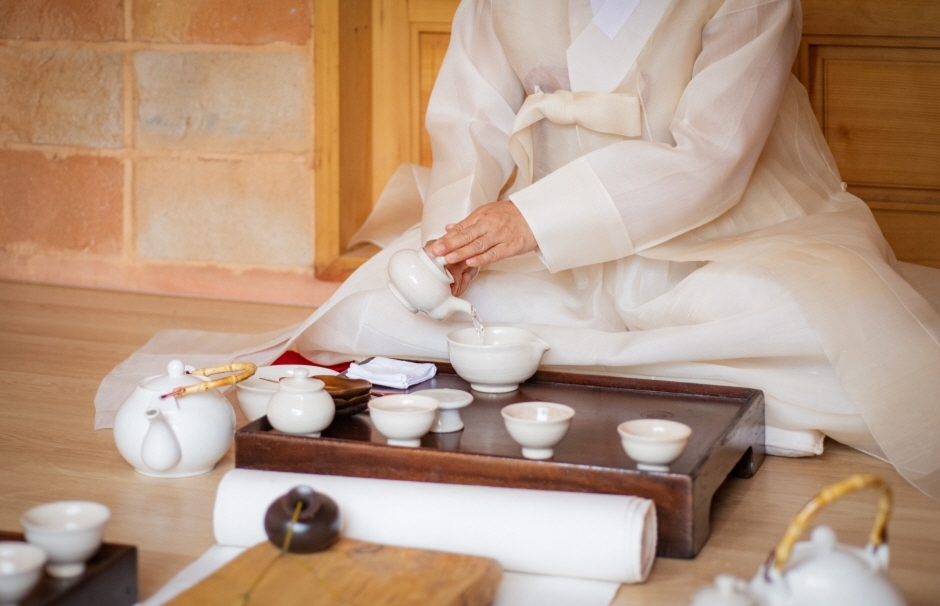
Puruncha Tea Culture Research opened in 1996 to promote Korea's traditional culture and etiquette through tea ceremonies and other programs related to tea. The center uses 100% Korean tea in all programs, supporting local farmers and the local economy.
Daegu Dalseong Park (대구 달성공원)
9.4Km 2023-11-14
35 Dalseonggongwon-ro, Jung-gu, Daegu
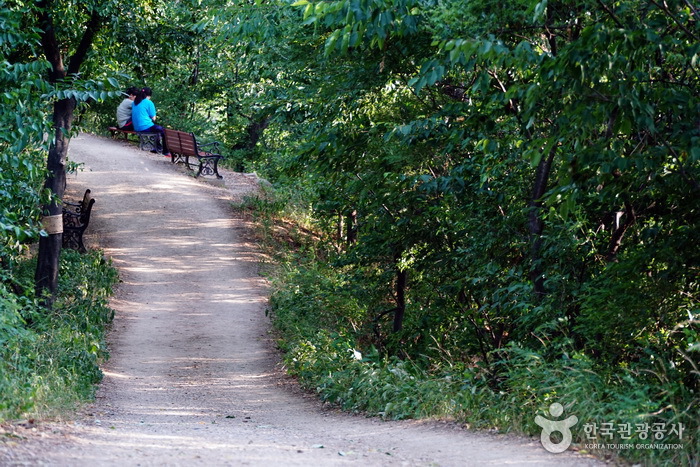
Daegu Dalseong Park is the oldest outdoor leisure place in Daegu. The park was once a fortress location of Dalgubeol, a tribal country of the Three Kingdoms Era. The area was established as a park in 1905, and in 1965, the city of Daegu transformed the park into the well-organized leisure area loved by citizens and visitors today. Within the park is Historical Monument Gwanpungnu Pavilion, built in 1601 and moved from the entrance of Gyeongsanggamyeon to the park in 1906.
Palgongsan National Park (Pagyesa Temple District) (팔공산국립공원(파계사지구))
10.0Km 2025-04-08
741 Pagye-ro, Dong-gu, Daegu
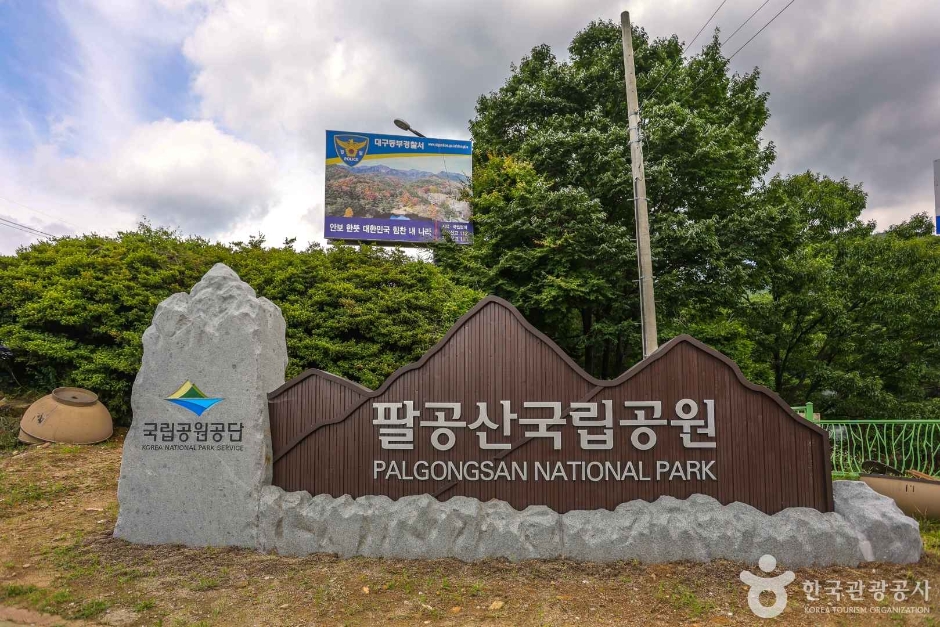
Palgongsan National Park is located close to Palgongsan Mountain, one of the larger mountains in the Taebaek Mountain Range. Palgongsan Mountain is located 20 kilometers northeast from downtown Daegu, where Nakdonggang River and Geumhogang River meet. The mountain has three peaks in a row: Birobong Peak in the center and Dongbong Peak (aka Mitabong, 1,155 m) and Seobong Peak (aka Samseongbong, 1,150 m) on each side.
The park is within the administrative district of Dong-gu, Daegu and has four towns along its border including Yeongcheon-si, Gyeongsan-si, and Chilgok-gun. A number of Buddhist temples including Donghwasa Temple, the headquarters of the 9th Buddhist Parish, are located in the area.
The park has numerous rocks and valleys and is carpeted with azaleas in the spring. In autumn, many visitors flock to the park to admire the fall foliage on the trees lining the 16.3 kilometer-long roadway that runs through the park. With vibrant green leaves in spring and a delicate snowscape in the winter, Palgongsan Mountain is an attractive destination for visitors throughout the year.
 English
 한국어
한국어 日本語
日本語 中文(简体)
 Deutsch
 Français
 Español
 Русский


