
Neungpohang Port (능포항)
9.9Km 2025-02-03
Neungpo-dong, Geoje-si, Gyeongsangnam-do
Neungpohang Port, located in Geoje, spans 1.7 km until Yangjiam and is connected to Jangseungpo by road. Designated as a national port in 1971, it was revamped in 2016 into a multifunctional port. Today it serves not only as an infrastructure for fisheries industries, but is also gaining popularity for marine leisure, cultural activities, and tourism. Its breakwaters and waterside park make it a favored destination, attracting families and other tourists alike.
Geojedo Island (거제도)
10.0Km 2024-12-04
Geoje-si, Gyeongsangnam-do
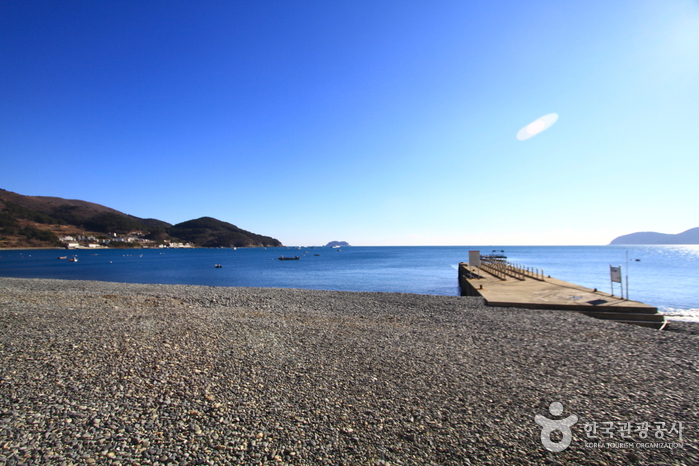
Geojedo Island is the second-largest island in South Korea, connected to Tongyeong-si by the Geojedaegyo Bridge and to Busan-si by the Geogadaegyo Bridge. It boasts numerous tourist attractions such as Haegeumgang Islets, Oedo Botania, Maemiseong Fortress, and Geoje P.O.W. Camp Historic Park. Famous for its local cuisine like sea pineapple bibimbap and sea urchin and seaweed soup, Geojedo Island is also known for its pebble beaches including Hakdong, Yeocha, Mangchi, and Nongso Pebblehaebyeon Beach.
Geoje Maengjongjuk Theme Park (거제맹종죽테마공원)
10.5Km 2022-03-24
700, Geojebuk-ro, Geoje-si, Gyeongsangnam-do
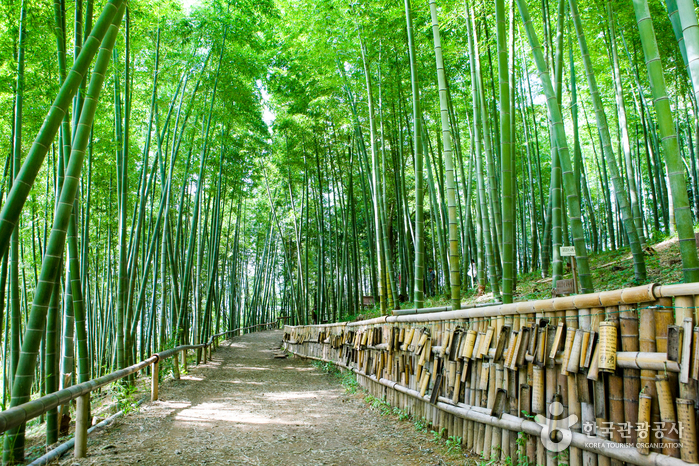
Maengjongjuk is a type of a thick bamboo that grows up to 20 meters in x_height and 20 centimeters in diameter. Geoje Maengjongjuk Theme Park uses maengjonjuk bamboos to create a therapy theme park that is both nature-friendly and relaxing. The trees are preserved and used to provide forest bathing experience as well as a splendid scenery by blending environmental art and ocean views. The park also offers exciting programs such as Adventure Forest and thrilling activities.
Hakdong Auto Campging Site (학동자동차야영장)
11.0Km 2024-03-20
981 Geoje-daero, Dongbu-myeon, Geoje-si, Gyeongsangnam-do
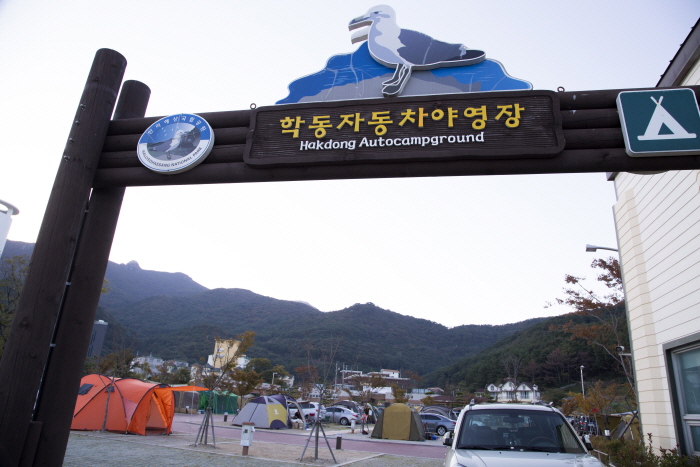
Hakdong Auto Camping Site was established by Korea National Park Service to promote a healthy camping culture. It includes a total of 105 facilities, comprising eighty-nine auto campsites and six caravan sites. Convenient amenities such as shower rooms, dishwashing areas, electricity, and eco-friendly experiential facilities are available. Nearby attractions include Hakdongmongdolhaebyeon Pebble Beach, Oedo Island, and Windy Hill.
Heungnam Beach (흥남해수욕장)
12.2Km 2024-03-20
46 Heungnam-gil, Jangmok-myeon, Geoje-si, Gyeongsangnam-do
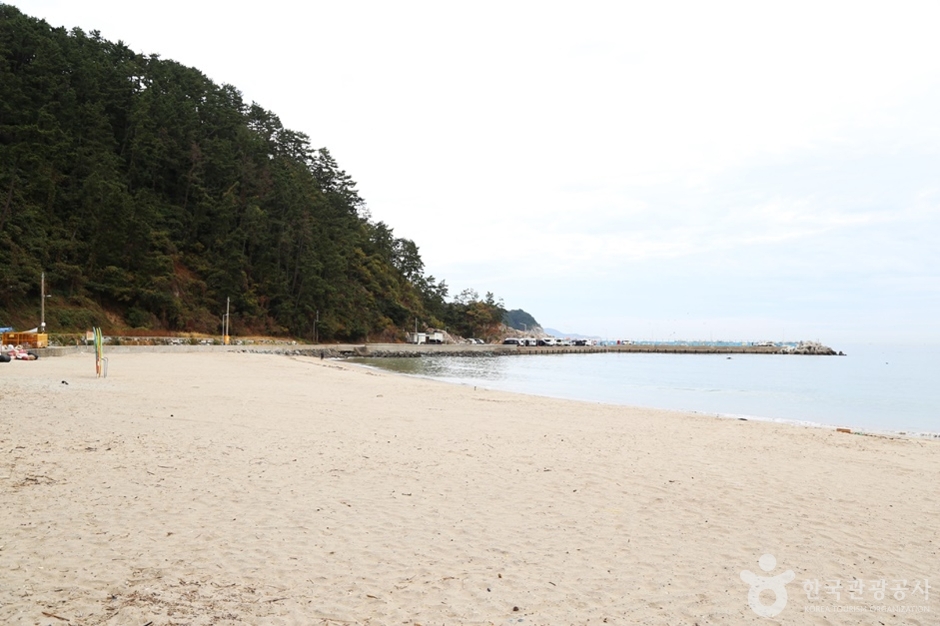
Heungnam Beach is located in Jangmok-myeon, Geoje-si. The beach boasts a fine sandy shore in the front and pebble stones covering the southern part of the coast. With a gentle slope and shallow waters, it is an ideal family-friendly vacation spot. Nearby is Isudo Island, an island covered with pine trees, allowing visitors to enjoy the surrounding landscape while swimming. During low tide, one can collect hard clams and pink butterfly shells in the shallow seawater.
Maemiseong Fortress (매미성)
12.3Km 2022-08-10
Bokhang-gil, Geoje-si, Gyeongsangnam-do
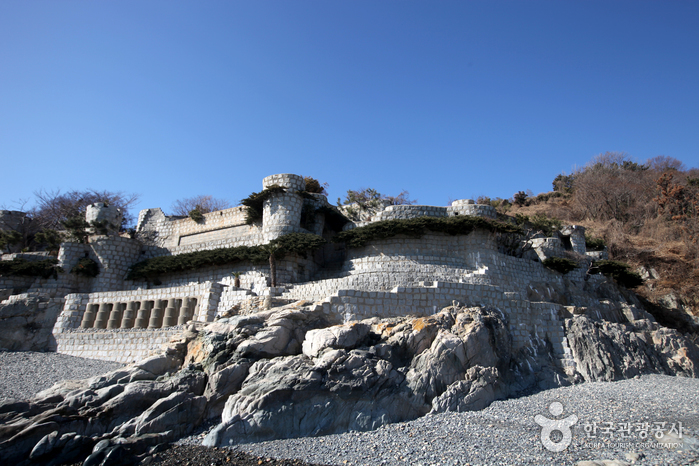
Maemiseong Fortress is a wall that was built alone by citizen Baek Soon-sam to protect crops from natural disasters, who lost arable land to Typhoon Maemi in 2003. Repeatedly stacking square stones near the beach and filling them with cement has now become a castle reminiscent of medieval times in Europe. Its scale and design are so great that it is hard to believe that it was built without a single blueprint.
Jisimdo Island (지심도)
12.5Km 2021-09-24
31-2, Jisimdo-gil, Geoje-si, Gyeongsangnam-do
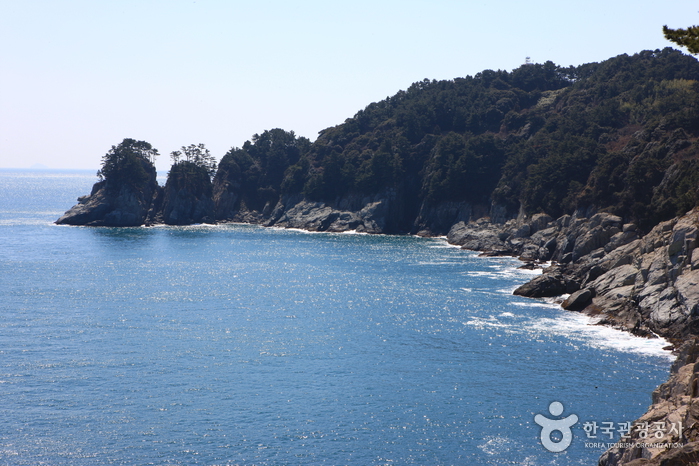
Located 1.5 kilometers away to the east side of Irun-myeon, Geoje, Jisimdo Island is a very small island covering an area of just 0.338 ㎢ with a 3.5-kilometer long coast line. From Jangseungpohang Port, it takes approximately 15 minutes by ferry and visitors can tour the entire island within 2 hours.
The name of the island comes from its appearance resembling the Chinese character ‘sim (心).’ The island is home to abundant and old camellia trees more than any other islands in the southern sea, earning the nickname "Dongbaek (camellia) Island."
Ssanggeun Auto Campground (쌍근오토캠핑장)
12.9Km 2024-02-13
539-1 Tappo-ri, Nambu-myeon, Geoje-si, Gyeongsangnam-do
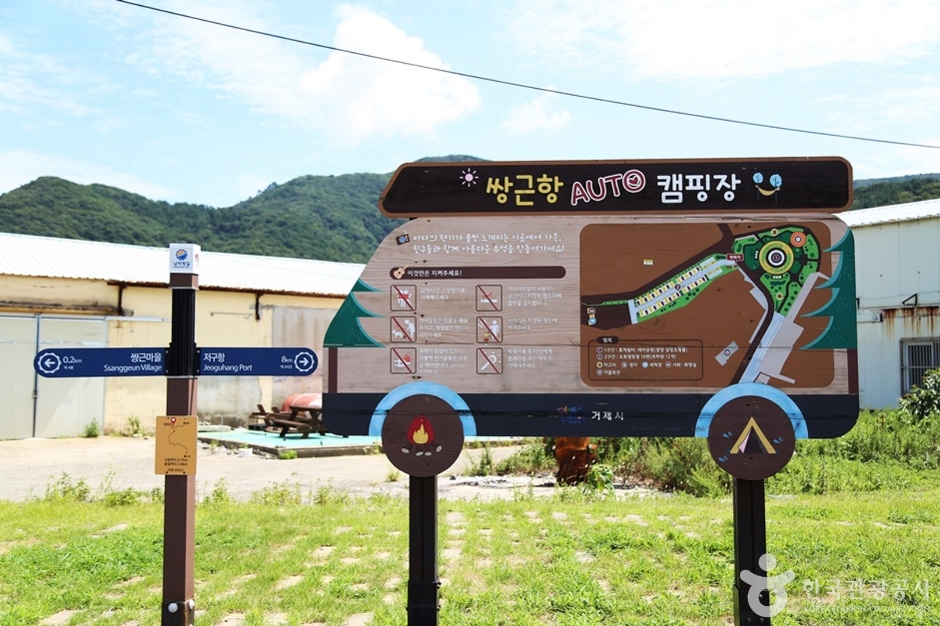
Ssanggeun Auto Campground, located near Ssanggeun Port, features a total of sixteen camping sites equipped with facilities such as showers, restrooms, and sinks. A caretaker is on-site to ensure safety, with fire extinguishers and fire hoses available. Conveniently, a market just five minutes away provides firewood, camping, and fishing supplies. In addition to camping, visitors can enjoy sea bathing, fishing, and tidal flat experiences at the beachfront right in front of the campground.
Oedo-Botania (외도 보타니아)
13.9Km 2025-12-16
17, Oedo-gil, Geoje-si, Gyeongsangnam-do
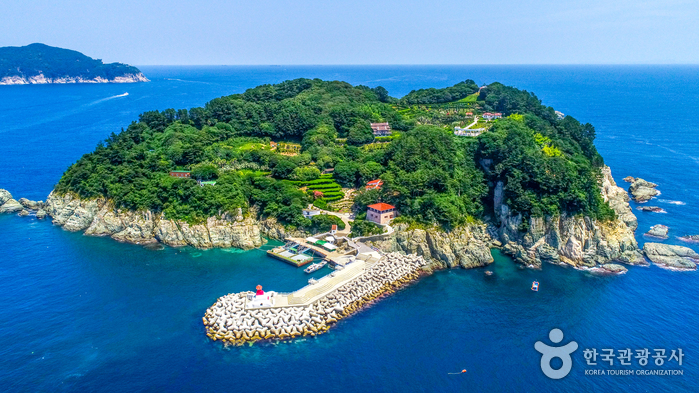
“Botania” is a portmanteau of "botani-" (plants) and "utopia" (paradise), and Oedo-Botania represents a paradise for plants on the sea. It is surrounded by the blue and clear seas of Geoje, and you can see the Haegeumgang Islets, Hongdo Island, and Tsushima Island in the distance. The total area is 148,760㎡ (45,000 pyeong), divided into Seodo Island and Dongdo Island. The former was developed into Oedo-Botania, while the latter (22,017㎡) is preserved in its natural state, home to 64 native plant species and over 1,000 rare subtropical plants from around the world.
Oedo-Botania was designed with Buckingham Palace Garden as its motif, and the Venus Garden—the signature attraction of Oedo-Botania—features twelve Venus statues harmoniously integrated with the plants.
The second Hill of Love observatory is home to a 300-year-old guardian tree where residents once held ceremonies for the village’s well-being and bountiful fishing. From here, you can enjoy panoramic views of the Venus Garden, Lee House, and the Flower Garden.
The “Stairway to Heaven” was originally created by planting 3,000 tangerine trees on land where residents once cultivated fields, along with 8,000 cypress trees planted as windbreaks against the fierce sea winds. However, due to damage from Typhoon Maemi, it is now composed of various ornamental trees, including pagoda trees, arranged in a tapestry-like pattern.
The lighthouse, designed to resemble the shape of Oedo Island, is the only one of its kind to allow visitors to explore its maze-like interior, adding to the fun of exploration.
◎ Travel Information to Discover Hallyu’s Charm
Oedo-Botania appears as the island that Jun-sang, who had lost his sight after a traffic accident, created for his first love, Yoo-jin, in the final episode of the K-Drama "Winter Sonata(2002)." The “Lee House” in particular—the place where the two leads meet in the show—appears as a Mediterranean-style house when viewed from the Venus Garden, but is actually built in the traditional Korean style, divided into anchae and sarangchae.
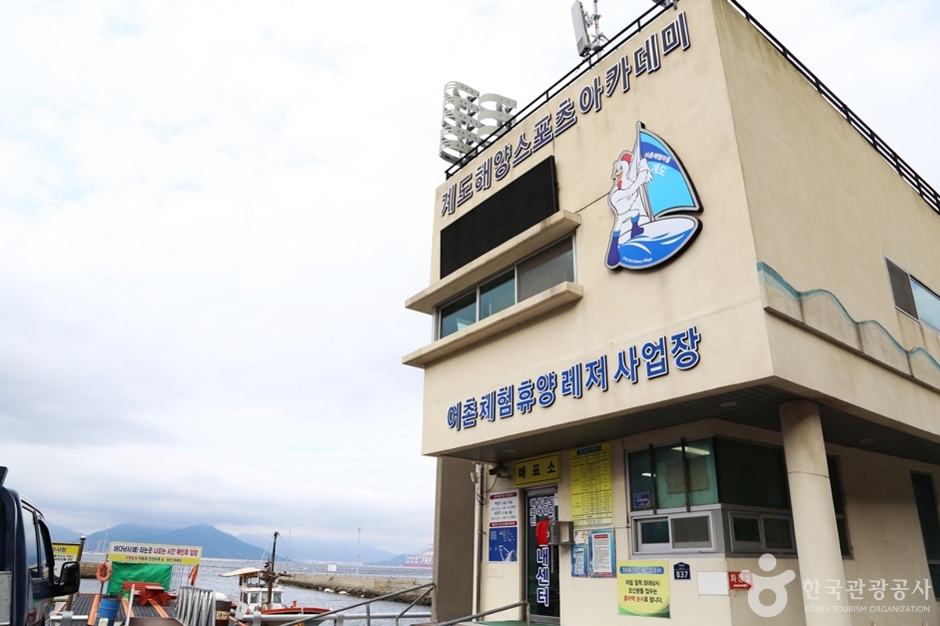
Geoje Gyedo Fishing Village (거제 계도어촌체험마을)
14.7Km 2024-03-20
837 Gajo-ro, Sadeung-myeon, Geoje-si, Gyeongsangnam-do
Geoje Gyedo Fishing Village offers a variety of fishing village experiences. The village, named Gyedo because the hill behind the village resembles a chicken, offers family-friendly activities such as fishing from a deck built over the sea and pedestal fishing. Additionally, it is known as a beautiful spot for sunsets, offering picturesque coastal views.
 English
 한국어
한국어 日本語
日本語 中文(简体)
 Deutsch
 Français
 Español
 Русский


