
Korea Medical Institute Daegu Branch ((재)한국의학연구소 대구분사무소)
3.2Km 2025-10-23
B1-B2, 20 Jungang-daero 66-gil, Jung-gu, Daegu
Korea Medical Institute (KMI), a leader in 'K-health checkups,' operates health checkup centers across eight locations nationwide, from Seoul to Jeju. KMI has been striving to prevent and detect diseases early. It has led the popularization of comprehensive medical examinations in Korea. Based on 43 years of accumulated data and expertise, KMI has enhanced its capabilities in health checkups, services, and brand value.
By utilizing its diagnostic data accumulated over the years, KMI provides accurate test results and follow-up care promptly.
KMI will stay committed to becoming a lifetime health management partner and 'K-health checkup' leader by leveraging its excellence in Korean medicine, beyond health checkups for foreign patients.
Daegu Gyesan Cathedral (대구 계산동성당)
3.2Km 2024-07-31
10 Seoseong-ro, Jung-gu, Daegu
+82-53-254-2300
Daegu Gyesan Cathedral is one of Daegu's main churches, designed by Father Poisnel, who also designed Myeongdong Cathedral and imported stained glass for the windows directly from France. Being located in the city center, the cathedral is especially beautiful when seen at night.
House of Yi Sang-hwa (이상화 고택)
3.2Km 2023-01-06
6-1, Seoseong-ro, Jung-gu, Daegu
+82-53-256-3762
Yi Sang-hwa was a nationalist poet, who resisted the Japanese colonialism. This was his house from 1939 until his death in 1943. His house was neglected after he died, until a citizens' movement in 1999 to preserve the house urged the Military Mutual Aid Association to purchase it, and donate it to the City of Daegu on October 27, 2005. It has been restored and opened to the public, serving as the center for education of the poet's brave spirit and work.
House of Seo Sang-don (서상돈 고택)
3.3Km 2021-07-01
6-1, Seoseong-ro, Jung-gu, Daegu
+82-53-256-3762
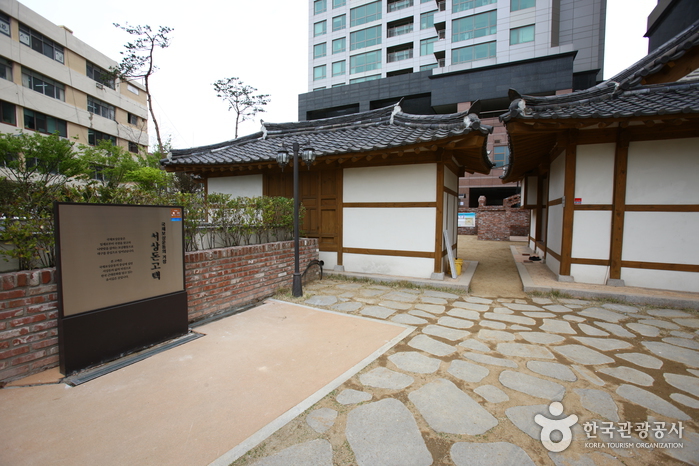
The house of entrepreneur and activist Seo Sang-don is located in the heart of Daegu. In 1907, in an effort to repay national debt and to gain independence from Japan, Seo launched the National Debt Repayment Movement as well as a nationwide campaign calling for people to quit smoking.
In celebration of Seo's leadership, the City of Daegu restored Seo's old house and opened it to the public. The City also built the National Debt Repayment Park and erected a statue of Seo in his honor.
Modern History Experience Hall Gyesanyega (근대문화체험관 계산예가)
3.3Km 2021-04-27
6-1, Seoseong-ro, Jung-gu, Daegu
+82-53-661-3323
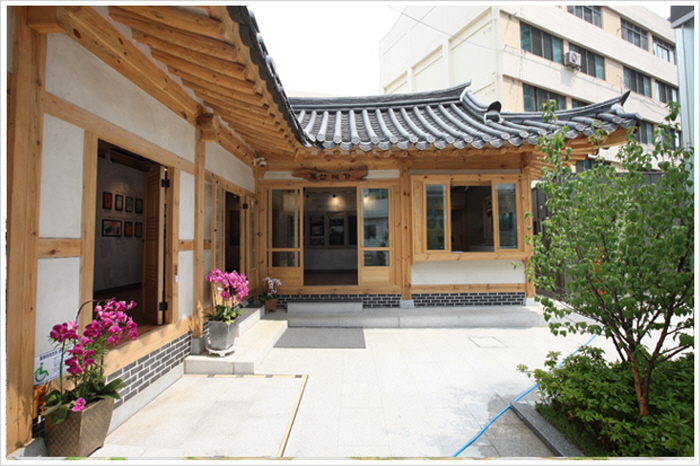
Modern History Experience Hall Gyesanyega opened in 2012 is a public space designed for rest and education. Visitors can enjoy a moment of relaxation while touring Daegu Modern Culture Alley, as well as learn more about the history of the area through the video hall and about the houses featured along the way, such as House of Yi Sang-hwa and House of Seo Sang-don, at the hanok exhibition hall.
Suchang Youth Mansion (수창청춘맨숀)
3.3Km 2025-08-11
27 Dalseong-ro 22-gil, Jung-gu, Daegu
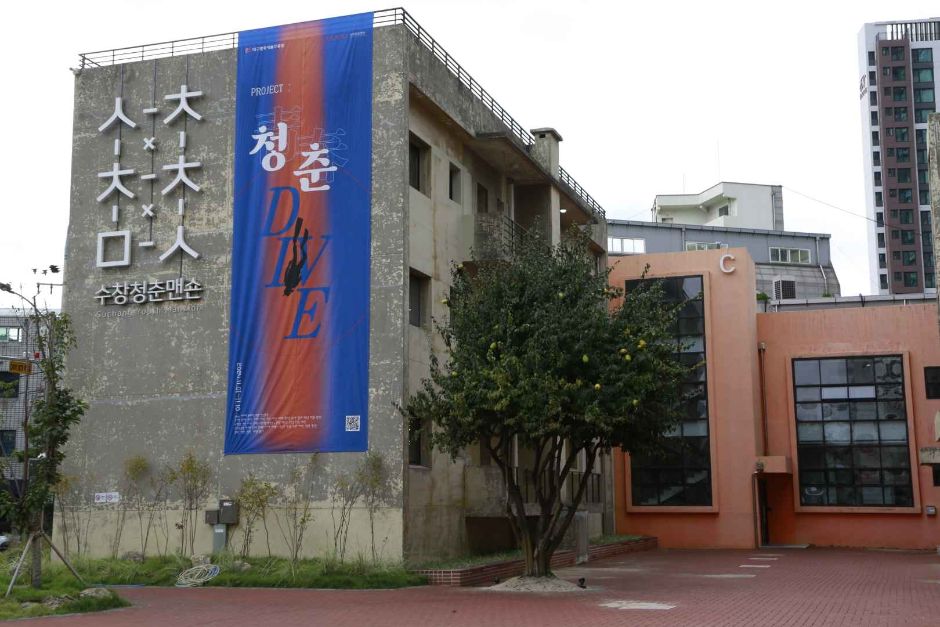
Once a derelict space and an eyesore, this facility was reborn as an art and cultural space. The building preserves its 50-year history with its old facade and houses an area dedicated to young artists in its interior, thus reborn as a space where the old coexist with the new. Suchang Youth Mansion, named so as a retro-style throwback to the old days when such English loanwords were not as common as today, opened its doors in December 2017. Today, it functions as a space for Daegu’s young artists. The first floor of Building A houses a cafe, while the second floor houses the art and cultural space, in which visitors can get a glimpse into Daegu’s unique identity through works of art, including those created by young artists of the region.
Hanok 1957 (한옥1957)
3.3Km 2024-12-13
20-2 , Gukchaebosang-ro 101-gil, Jung-gu, Daegu
+82-53-214-1957
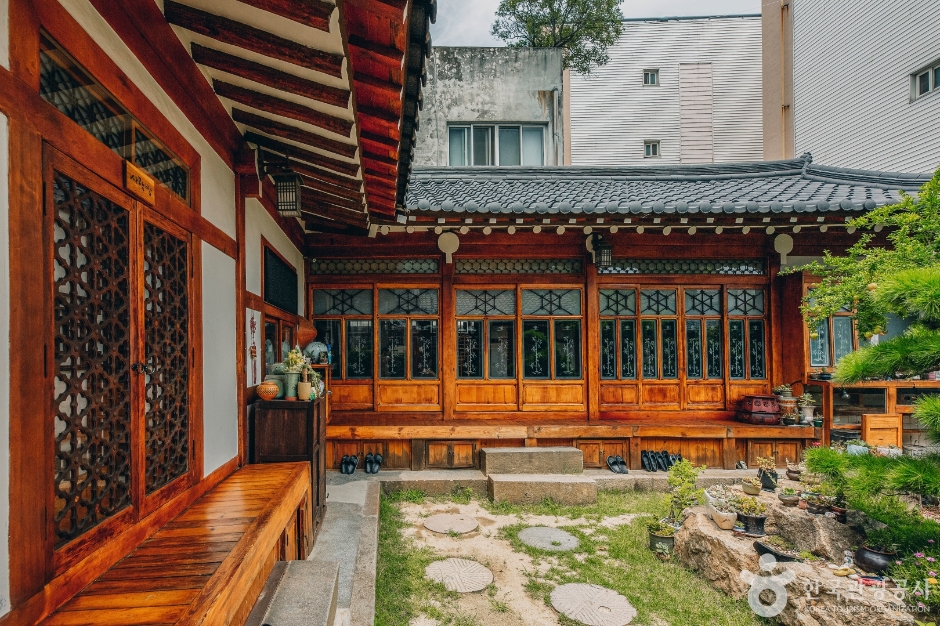
Located downtown Daegu, Hanok 1957 is a traditional Korean hanok built with red pine and woven with clay and straw roof tiles. The rafters, beams, and cabinets inlaid with mother-of-pearl add comfort and tranquility to the interior. There are five guest rooms, all of which are ondol (underfloor heated) rooms with bathrooms. There is a shared kitchen where you can cook simple meals. Seomun Market Station and Daegu Station are within walking distance, and nearby attractions include Dalseong Park and Seomun Market are also nearby.
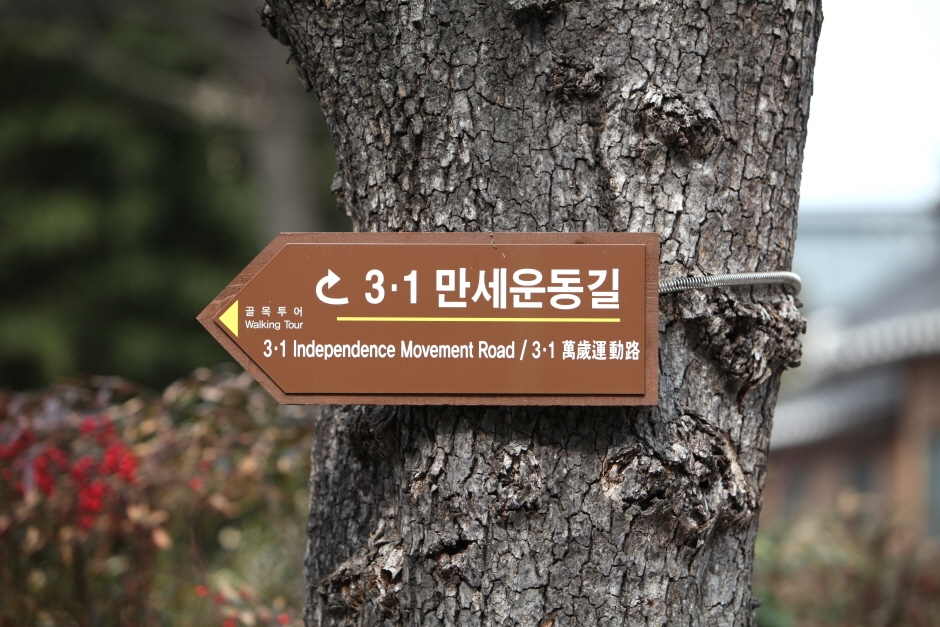
March 1st Independence Movement Road (3·1만세운동길)
3.3Km 2023-01-20
Dongsan-dong, Jung-gu, Daegu
March 1st Independence Movement Road is a historical location where Daegu citizens gathered for the independence movement on March 8, 1919, and the midpoint of Daegu Modern Alley Tour Course 2. Passing Cheongna Hill Missionary's House and Jeil Church, you will come to a road with murals of the independence movement. The March 1st Independence Movement Road is a hilly road leading to Gyesan Cathedral. It is also called 90 Stairs because there are 90 steps. On the wall of the stairs, there is an augmented reality (AR) experience zone along with site photos from history. By scanning the QR code is a 3D video that vividly reproduces the independence movement, enabling a realistic experience of history. Follow the signs of the Daegu March 8th Independence Movement marching road to reach the main road and it will lead to the the 100th anniversary monument of the March 1st Movement and the starting point of the March 8 Movement. A guided alley tour is available for free with an online reservation on the official website.
Dongsan Cheongna Hill (동산청라언덕)
3.5Km 2025-10-24
2029 Dalgubeol-daero, Jung-gu, Daegu
+82-53-627-1337
Cheongna Hill is the place where Christian missionaries resided during the early 20 century, planting many ivies along the site. It is also called Dongsan Cheongna Hill for being on the eastern side of Daegu's center. There are many attractions in this beautiful garden including Chamness’ House, Switzer’s House, Blair’s House, 90 stairs, Daegu 3.1 Independence Movement Road, Daegu's first western apple tree, a memorial stone inscribed with the song "Thinking of My Friend” , and the cemetery of the missionaries and their family. Cheongna Hill is also the starting point of Daegu's Street Tour Course 2 as well as a popular drama film location.
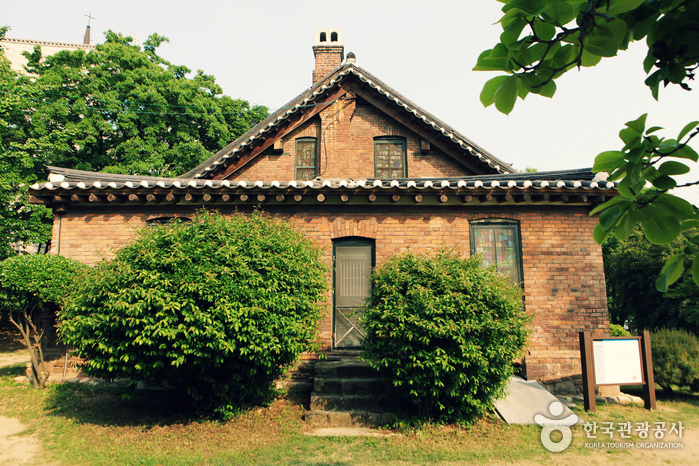
House of Missionary Switze (선교사스윗즈주택)
3.5Km 2024-08-05
2029 Dalgubeol-daero, Jung-gu, Daegu
The House of Missionary Switze served as home for a host of American missionaries. Built between 1906 and 1910, the home is a Western-style structure with two above-ground floors and one basement level. In 1981, the house was used as company housing for doctors at the nearby Dongsan Hospital, at which point changes were made to the interior and exterior of the house. It was later changed into a missionary museum, displaying items used by the missionaries who lived in.
 English
 한국어
한국어 日本語
日本語 中文(简体)
 Deutsch
 Français
 Español
 Русский


