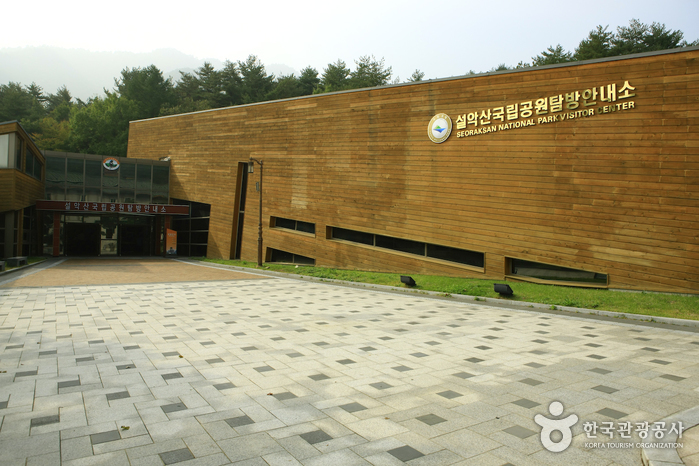
Seoraksan National Park Visitor Center (설악산 탐방안내소)
6.6Km 2022-09-08
833, Seoraksan-ro, Sokcho-si, Gangwon-do
Seoraksan National Park Visitor Center provides comprehensive information on the national park for visitors, and serves as a cultural center. Themed exhibits are presented throughout the building to promote environmental awareness about the park’s special ecology.

EL Hotel (이엘호텔)
7.3Km 2024-12-19
3347 , Donghae-daero, Yangyang-gun, Gangwon-do
El Hotel on Jeongam Beach in Yangyang, Gangwon-do, has a great view over the beach and the East Sea. All guestrooms have beds and the Premier Suite and Family Suite also come with spacious living rooms. Each room has a vista, but the ocean view rooms are understandably the most popular. The 7th floor lounge restaurant also has a great sea view; breakfast is served here in the morning, while in the evening it becomes a pub. Nearby tourist sites include Naksansa Temple, Naksan Beach, and Sokcho Daepo Port.
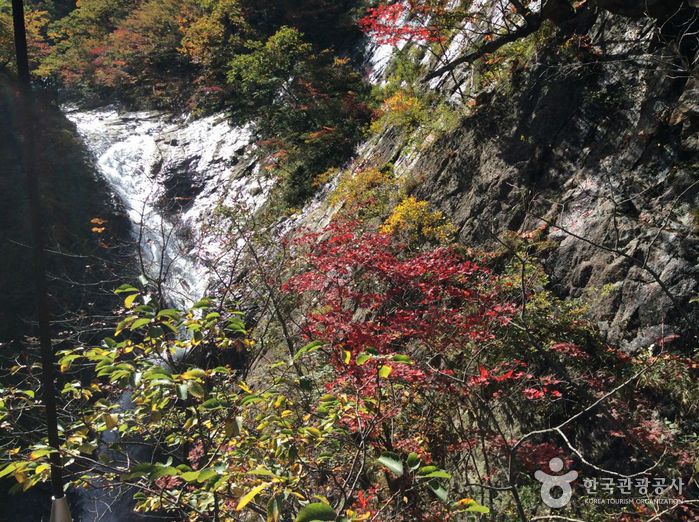
Yukdampokpo Falls (육담폭포)
7.8Km 2021-07-14
Seoraksan-ro, Sokcho-si, Gangwon-do
If you begin at Seorak-dong in Oeseorak, cross the Biryonggyo Bridge and pass by the Biryongpokpo Falls, you will reach Yukdampokpo Falls, which actually consist of six waterfalls and a pond.
Despite the fact that only a small amount of water actually flows in these waterfalls today, what is interesting, is how they came into existence: a slow-flowing stream of water eroded the rocks, creating dips and puddles at various levels, which later became a series of cascading waterfalls. The splendid scenery around the waterfalls is always a pleasing sight to the eyes of visitors.

Cheongganjeong Pavilion (청간정)
7.8Km 2024-03-18
5110 Donghae-daero, Toseong-myeon, Goseong-gun, Gangwon-do
Cheongganjeong Pavilion, located atop a cliff, was built during the mid-Joseon period. It is situated at the point where Cheonggancheon Stream, originating from Seoraksan and Cheonhusan Mountains, flows into the East Sea. The view of the pine forest and the East Sea draws many visitors. Nearby attractions include Cheongganhaebyeon Beach, Cheonjinhaebyeon Beach, Ayajinhaebyeon Beach, as well as Bongpo Port and Ayajin Port.
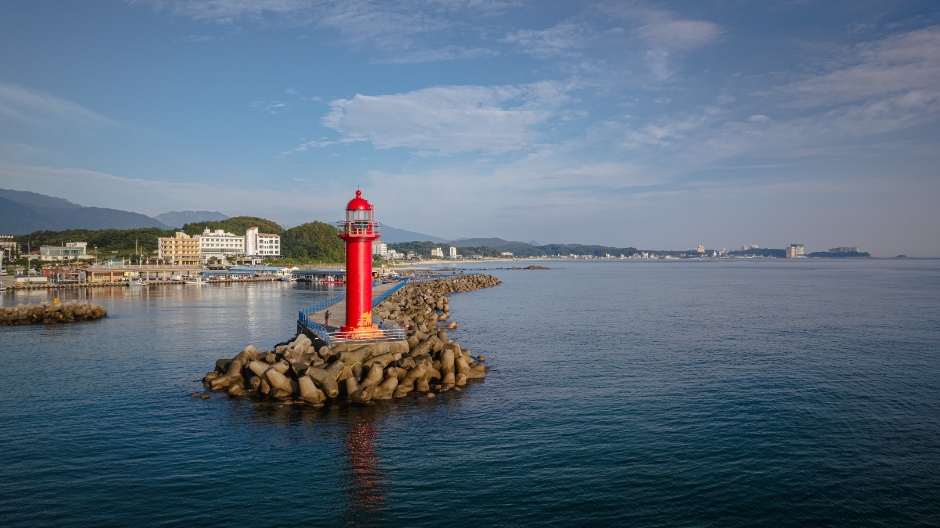
Hujin Harbor (후진항)
8.0Km 2025-10-28
4-13Yongho-ri, Ganghyeon-myeon, Yangyang-gun, Gangwon-do
The first attraction Lee Know strolled to after unpacking. It's charmingly picturesque with its quaint view of red lighthouse overlooking the sea, anchored small boats, and a line of fresh seafood centers. On the second and fourth weekends, Beach Market attracts many visitors. Try to find the red chair where Lee Know sat in his vlog.
Del Pino Hotel & Resort Ocean Play (델피노호텔&리조트 오션플레이)
8.0Km 2024-02-22
1153 Misiryeongyet-gil, Toseong-myeon, Goseong-gun, Gangwon-do
Del Pino Hotel & Resort Ocean Play is a themed water park where visitors can enjoy water playground and spa treatments with hot spring water all year round. It features indoor and outdoor zones, hot springs, and open-air baths. For children, there are Kids' Play Pools, a Kids' River, and an Outdoor Infinity Pool with shallow depths. The indoor area offers panoramic views of the Sokcho coastline through expansive floor-to-ceiling windows.
Seoraksan National Park (Outer Seorak) (설악산 국립공원 (외설악))
8.3Km 2024-04-08
1 Daecheongbong-gil, Yangyang-gun, Gangwon-do
Seoraksan Mountain is renowed for its natural splendors and breathtaking views. It holds the distinction of being Korea's first UNESCO Biosphere Reserve and is also listed on the IUCN Green List. The mountain is divided into Inner Seorak, South Seorak, and Outer Seorak, which includes Daecheongbong peak (1,708 meters above sea level), ranking as the third highest peak in Korea. The area is celebrated for its popular hiking trails, with the sunrise and sunset views from the top being particularly spectacular.
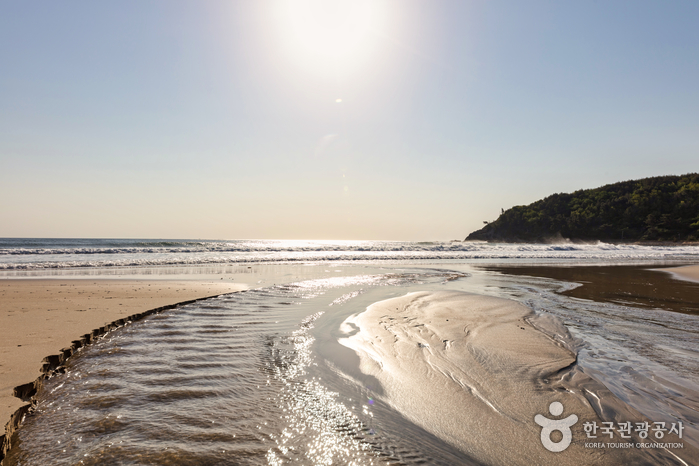
Seorak Beach (설악해수욕장)
8.3Km 2025-10-27
Dwinnaru 2-gil, Ganghyeon-myeon, Yangyang-gun, Gangwon-do
Known for its shallow waters and clean white sand, this beach is a sanctuary for surfers. It is conveniently located near famous tourist sites such as Seoraksan Mountain and Naksansa Temple, making it ideal for sightseeing. Just a five-minute walk from Hujin Harbor, go for a walk during sunset period like Lee Know and enjoy the beautiful sunset in the background.
Seoraksan Gwongeumseong Fortress (설악산 권금성)
8.6Km 2024-02-28
1091 Seoraksan-ro, Sokcho-si, Gangwon-do
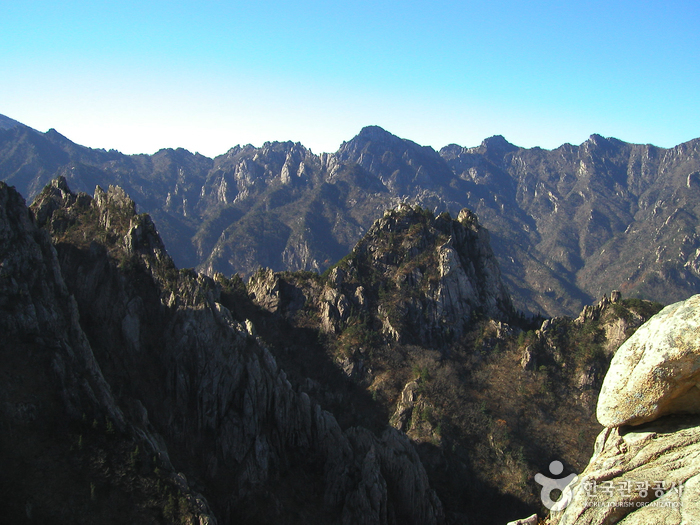
Gwongeumseong Fortress is a stone castle from the Goryeo dynasty and is located 800 meters above sea level in Seoraksan National Park. From a distance, Gwongeumseong Fortress looks like a rising peak, while up close, the expansive stone floor and remnants of castle walls become visible. Visitors can access the fortress via hiking trails or by taking a cable car. From the fortress, visitors can enjoy the majestic view of Seoraksan Mountain and the blue waters of the East Sea.
Seoraksan Cable Car (설악산 케이블카)
8.7Km 2024-04-08
1085 Seoraksan-ro, Sokcho-si, Gangwon-do
A ride on the Seoraksan Cable Car is the best way to enjoy the unexplored regions of Seoraksan Mountain. The cable car station is located in Seoraksan National Park, and it takes about 10 minutes to reach Gwongeumseong Fortress, which is 700 meters above sea level. Since one-way tickets are not available, passengers must purchase a round-trip ticket. From the cable car window, passengers can see famous attractions like Ulsanbawi Peak and Manmulsang Rocks. From Gwongeumseong Fortress, passengers can take in a panoramic view of Seoraksan Mountain. Seoraksan Mountain, seen from the top of Gwongeumseong Fortress, is majestic and mysterious with unique rock formations. Upon reaching the top of the mountain, the entire scenery of Outer Seorak unfolds before one's eyes. Visitors will be amazed by the Allak Hermitage from the Silla dynasty and the Muhagsong Pine Tree, which has survived for hundreds of years just below Gwongeumseong Fortress. There are many tourists on weekends, public holidays, and fall foliage season, so visitors are advised to plan ahead.
 English
 한국어
한국어 日本語
日本語 中文(简体)
 Deutsch
 Français
 Español
 Русский


