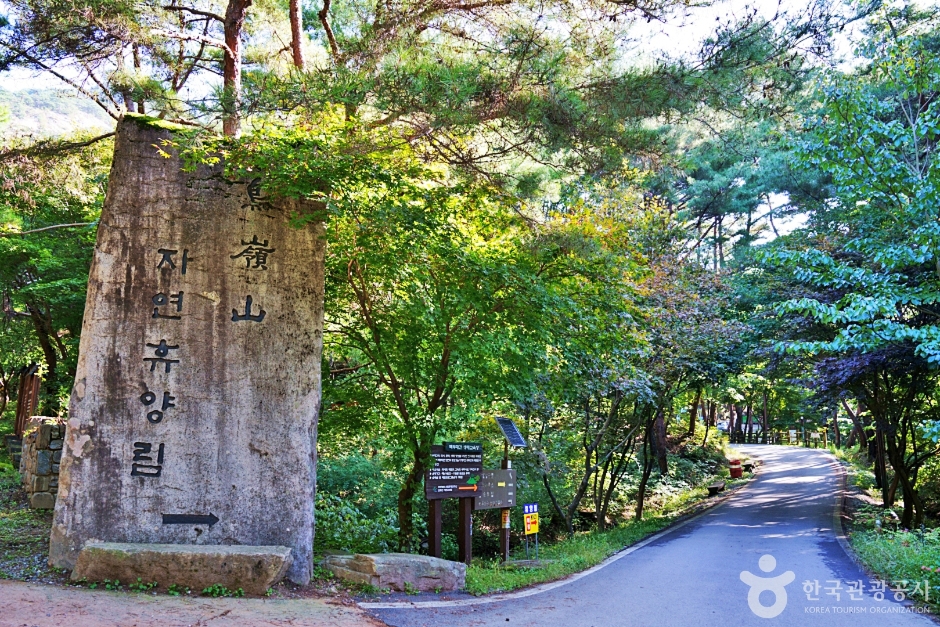
Joryeongsan Recreational Forest (조령산자연휴양림)
11.7Km 2024-02-26
1795, Saejae-ro, Yeonpung-myeon, Goesan-gun, Chungcheongbuk-do
Joryeongsan Recreational Forest is located in Joryeongsan Mountain, a part of Sobaeksanmaek Mountain Range. Joryeongsan Mountain is home to groves of old pine and oak trees. Hiking trails weave throughout the forests. Amenities include accommodations, forest park, pavilion, outdoor stage, playground, and remains of a fortress. The water park is open to the public between July and August. The Baekdudaegan Ecological Education Center has educational exhibits on forest ecologies and offers woodcraft experiences.
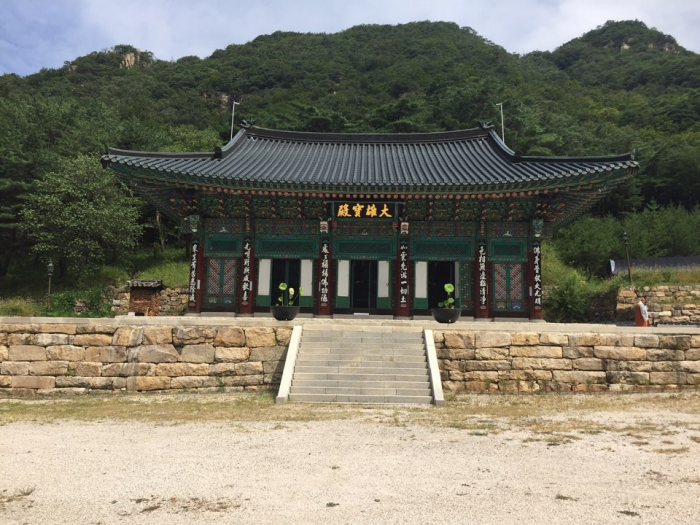
Jecheon Deokjusa Temple (덕주사(제천))
13.0Km 2021-12-03
87, Mireuksonggye-ro 2-gil, Jecheon-si, Chungcheongbuk-do
+82-43-653-1773
Deokjusa Temple is a branch temple of Beopjusa Temple, the head temple of the 5th district of the Jogye Order. The temple is believed to have been established in 597 AD by Princess Deokju, the last princess of the Silla Kingdom. According to legend, Princess Deokju stayed at the site with Prince Ma-ui and built the temple, naming it after herself, along with the cave nearby. However, there are no records to confirm or refute these claims.
The temple once stood in front of the Rock-carved Standing Buddha of Deokjusa Temple (a Treasure), but was burned down during the Korean War. The present temple building stands about 1.7 kilometers from the original temple site and is the result of reconstruction efforts conducted in the 1970s.

Chungjuho Lake (충주호)
13.5Km 2024-03-08
Jodong-ri, Dongnyang-myeon, Chungju-si, Chungcheongbuk-do
+82-43-850-5114
Chungjuho Lake is the nation’s largest lake, and was formed after the construction of Chungju Dam. When constructing the dam, an area of approximately 66.48 ㎢ was submerged throughout three regions in Chungju, Danyang and Jecheon. Even though nearly 50,000 people lost their hometown, the lake became a famous regional tourist spot, along with Woraksan National Park, Songgye Valley, Cheongpung Culture Center, Eight Sceneries of Danyang, Gosu Cave, Guinsa Temple, Suanbo Hot Springs, Nodong Cave and other spots.
Tourists can enjoy the scenic area on five ferry docks from Chungjunaru, main ferry dock of Chungju Dam, Cheongpungnaru, Janghoenaru where Gudambong Peak and Oksunbong Peak are located, Danyangnaru in Danyang-eup, and Woraknaru located near the beautiful scenery of Woraksan Mountain. From Chungju Dam to Janghoenaru, it takes approximately 1 hour 30 minutes, making it a long-distance course and offers special sightseeing on board. This course also holds great views of Chungjuho Lake and Yeongbong Peak of Woraksan Mountain, the surrounding scenery of Woraknaru, and two scenic spots of Danyang which are Gudanbong and Oksunbong Peak featuring uniquely-shaped rocks and peaks. This course is the most attractive among Chungjuho ferry excursion routes.

Yeonpung Sanctuary (연풍성지)
14.2Km 2024-02-26
14, Jungang-ro hongmun 2-gil, Yeonpung-myeon, Goesan-gun, Chungcheongbuk-do
After the nationwide repression of Catholicism in 1791, a group of Catholics came to what is today known as Yeonpung Sanctuary to practice their religion in secret before they were discovered and executed in 1801. Today, Yeonpung Sanctuary is a Catholic sanctuary dedicated to the martyrs. Yeonpung Sanctuary has a Catholic church, a crucifix, and a sculpture and tomb of Hwang Seokdu (Luke; 1813-1866), a saint born in Yeonpung and martyred as a Catholic.
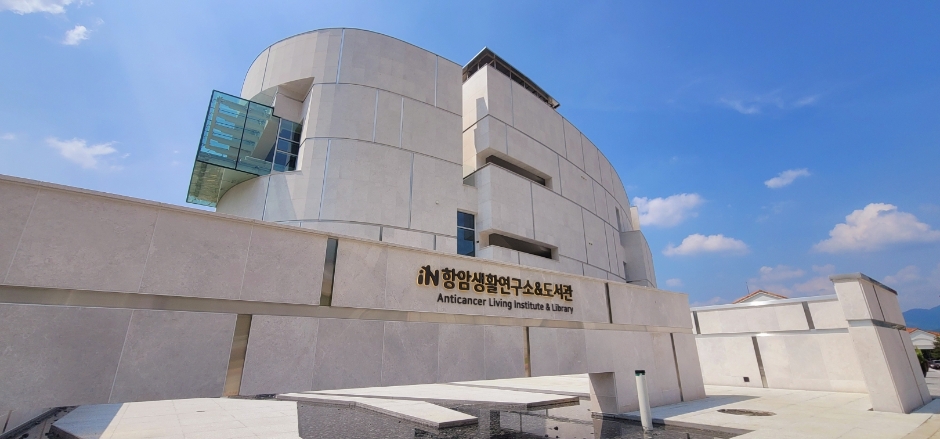
Goesan Natural Dream Park (자연드림파크(괴산))
15.4Km 2025-10-24
240 Jayeondream-gil, Chilseong-myeon, Goesan-gun, Chungcheongbuk-do
Featured in movie "Honey Sweet," where V&B Research Center, a place Researcher Chiho worked, was filmed. The park features an eco-friendly agricultural restaurant, cafe, beer bar, singing room, sauna, bowling alley, arcade, billiards, movie theater, and hotel. It's a cultural hub that offers craft workshop tours, inspection center tours, and experience programs such as healing culinary sessions and crafting your own souvenirs.
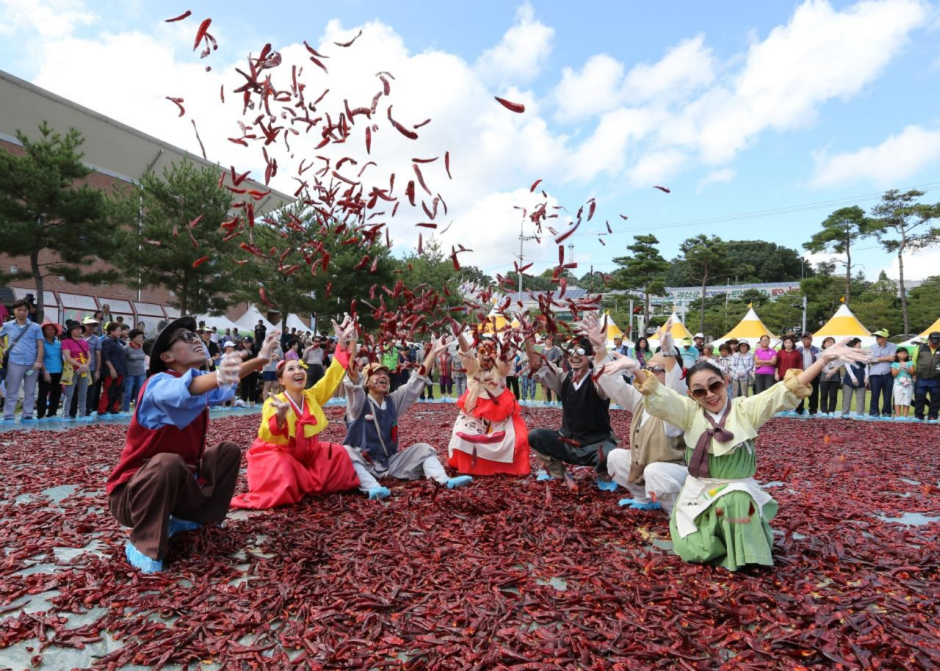
Goesan Red Pepper Festival (괴산고추축제)
17.3Km 2025-07-11
113 Imkkeokjeong-ro, Goesan-gun, Chungcheongbuk-do
+82-43-830-3463
The Goesan Red Pepper Festival celebrates Goesan’s specialty red peppers and other agricultural products, offering a variety of experiences and food. Held at the Goesan Organic Expo Plaza, the festival features creative pepper-themed programs, the Organic Goesan Singing Contest, and the Hot Chimac Festival.
Museum of Old Roads (옛길박물관)
17.5Km 2023-07-28
944, Saejae-ro, Mungyeong-si, Gyeongsangbuk-do
+82-54-550-8372
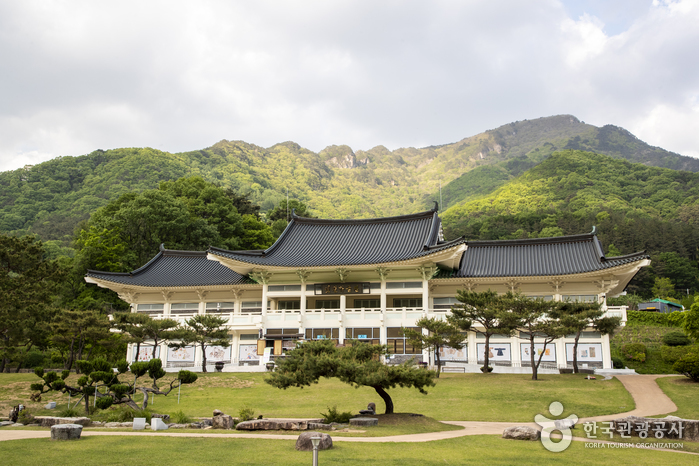
The Museum of Old Roads offers the history of traditional roads and routes in Korea. In the past, Mungyeongsaejae was a transportation hub for the people of Korea, particularly during the Joseon Period. Mungyeongsaejae is home to Haneuljae (one of the oldest roads in Korea, first established in 156 AD), Tokkibiri (a famous trade route), and Yugok Station (a transport hub in the Yeongnam area).
Even though the importance of the roads as travel routes has diminished over time, they continue to increase in cultural significance, conveying the area’s rich traditional heritage to visitors. The Museum of Old Roads was opened in 2009 after having been remodeled from the Mungyeongsaejae Museum, which mainly dealt with local history.
Sanmagi Old Trail (산막이옛길)
17.5Km 2024-02-15
88 Sanmagiyet-gil, Chilseong-myeon, Goesan-gun, Chungcheongbuk-do
+82-43-832-3527
Sanmagi Old Trail in Oesa-ri, Chilseong-myeon, within Goesan-gun of Chungcheongbuk-do, stretches over a picturesque 3.93 km. It connects to the serene Sanmagi Village, nestled in the mountains. This trail has been thoughtfully restored, tracing contour of an ancient road, a faint remnant of times gone by. Offering stunning vistas of mountainous terrain, flowing waters, and lush forests, the trail represents one of the most enchanting aspects of Goesan’s landscape. Its true value lies in the unspoiled natural ecosystem preserved around the dam. The old mountain path, gently redeveloped with eco-friendly techniques alongside the Goesan Dam, harmoniously complements the tranquil waters of the dam’s lake, presenting a glimpse of Korea’s natural splendor. A walk along this trail, with the scent of the forest and the soft caress of a river breeze, invites a profound connection with nature in its purest form..
Mungyeongsaejae Provincial Park (문경새재도립공원)
17.7Km 2023-02-13
932, Saejae-ro, Mungyeong-si, Gyeongsangbuk-do
+82-54-571-0709
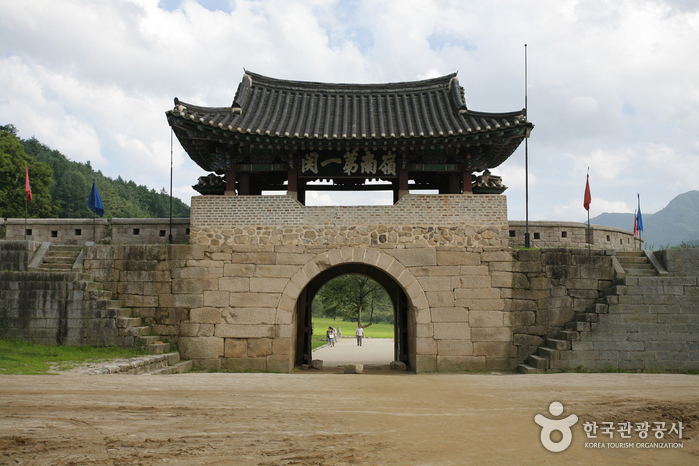
Mungyeongsaejae Pass, which crosses Joryeongsan Mountain, has always been the highest and most dangerous mountain pass in Korea, being reputed to be too tall for even birds to fly over. The three gates of Juheulgwan, Jogokgwan, and Joryeonggwan were built for national defense after the Imjin War (1592-1598). These three gates are designated collectively as Historic Site No. 147. The area between the three gates was designated a provincial park in 1981. The path from the first gate to the last passes through beautiful forests and takes roughly four hours round-trip. Also located within the park boundaries is Mungyeongsaejae Open Set, used for filming historical dramas.
Mungyeong Chasabal Festival (문경찻사발축제)
17.7Km 2025-07-11
932 Saejae-ro, Mungyeong-si, Gyeongsangbuk-do
+82-54-571-7677
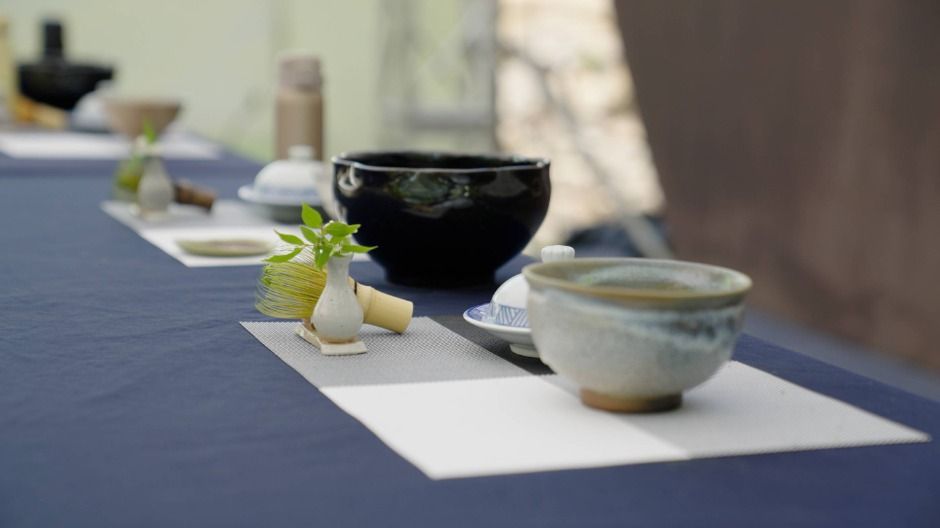
Home to many ceramic masters and artisans, Mungyeong holds the Mungyeong Chasabal (Tea Bowl) Festival every year to honor and develop traditional Korean pottery and ancestral craftsmanship. The festival holds an exhibit with more than 200 kinds of high-quality and high-end ceramics and an online auction of luxury tea bowls. There is also a performance, “A Day of a Mungyeong Potter,” in which craftsmen tell stories and provide explanations behind their tea bowls to add fun and content to the festival. Visitors can mold their own clay and make tea bowls, and children can partake in various programs, such as playing with clay and performing a tea ceremony.
◎ Chasabal
Chasabal, also known as dawan, is a bowl used for drinking tea. Mungyeong’s traditional tea bowl is made in a firewood kiln called “Mangdaengi,” which uses wood rather than modern gas or electric kilns to make a fire.
 English
 한국어
한국어 日本語
日本語 中文(简体)
 Deutsch
 Français
 Español
 Русский


