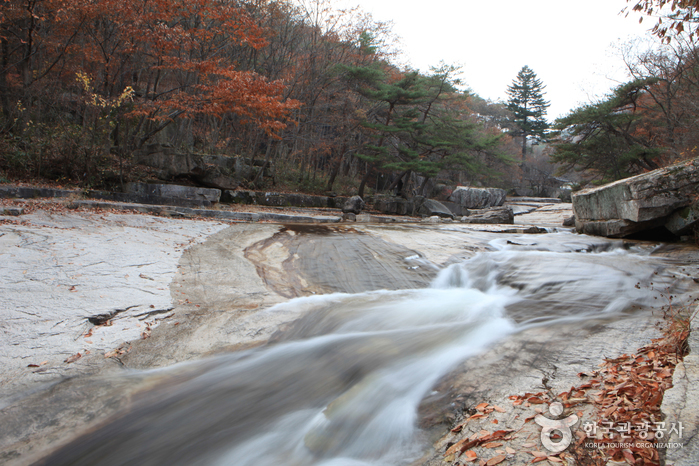
Mungyeong Seonyudonggyegok Valley (선유동계곡(문경))
12.8Km 2025-10-23
Wanjang-ri, Mungyeong-si, Gyeongsangbuk-do
Seonyudonggyegok Valley in Mungyeong is longer and more beautiful than the valley of the same name in Goesan. Daeyasan Mountain (931 meters) runs across both valleys, which are 10 kilometers apart from each other. The valley is relatively untouched as it is not yet well known to the public. At the beginning and the end of the trail are Hakcheonjeong and Chirujeong Pavilions, respectively. Both sides of the valley are lined with thick forests of ancient pine trees. A number of stone carvings can be found in the forest, and the most famous one reads “Seonyugyegok.” It was written by Choi Chi-won, a leading scholar of the Silla kingdom.
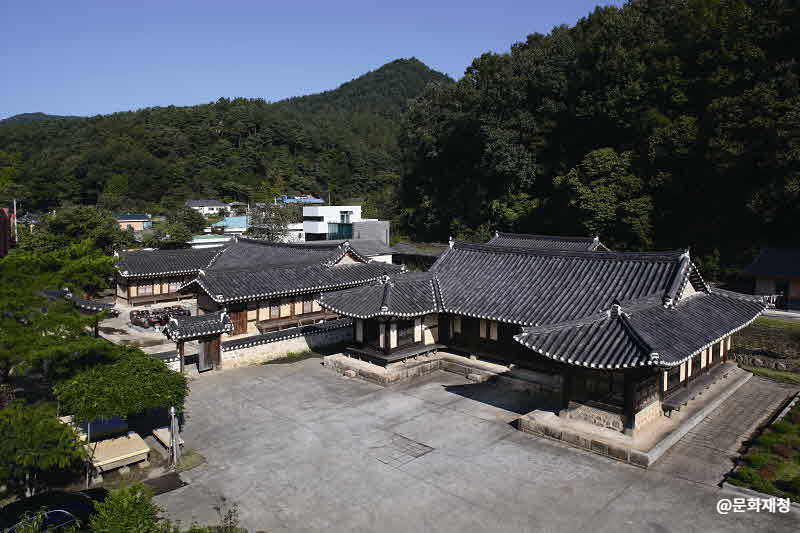
Goesan Historic House of Song Byeong-il (괴산 송병일 고택)
13.0Km 2024-02-15
17 Cheongcheon 4-gil, Cheongcheon-myeon, Goesan-gun, Chungcheongbuk-do
This dwelling is a well-preserved example of a traditional Korean house built in the late 19th century, a relic from the era of the Joseon dynasty. It offers insight into the architectural design of the period as well as the domestic life of the Joseon aristocracy. The house also bears historical significance as the residence of the descendants of Uam Song Siyeol, a prominent Neo-Confucian scholar of the dynasty. The layout features distinct sarangchae (the men's quarter) and anchae (the women's quarter), with a gate and a storage facility for essential supplies situated between them. This set up offers visitors an authentic experience of the Joseon dynasty’s traditional household structures. Encircled by a tranquil forest, this old house transports visitors to a time long past..

Gubyeongsan Mountain (구병산)
13.8Km 2024-02-26
Jeogam-ri, Maro-myeon, Boeun-gun, Chungcheongbuk-do
Gubyeongsan Mountain is an 876 m-high mountain located on the southern side of Songnisan National Park. It is also known as "Gubongsan Mountain" because it is said to have nine (gu) peaks (bong). There is a lush forest with plenty of beautiful rocky cliffs. Visit in the fall to enjoy the true beauty of the place. Boeun’s basin geographical feature can be seen from the summit.
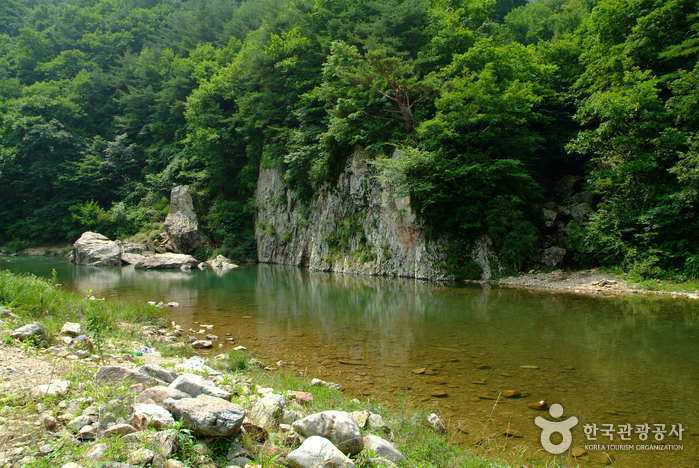
Seowongyegok Valley (서원계곡)
14.3Km 2024-02-26
491-4, Jangan-ro, Jangan-myeon, Boeun-gun, Chungcheongbuk-do
Seowongyegok Valley is fed by the Samgacheon Stream, which originates from Songnisan Mountain and flows through Samga Reservoir in an S-shaped curve. It is relatively gentle in slope, and the stream is quite wide. The area is home to the 600-year-old Seowon-ri Pine Tree. Aside from enjoying the beautiful view of the area, one can also swim in the valley in summer.
Cheongseokgul Cave (옥화1경 청석굴)
15.3Km 2025-02-04
12-16 Unam 3-gil, Miwon-myeon, Sangdang-gu, Cheongju-si, Chungcheongbuk-do
Cheongseokgul Cave is a natural cave where prehistoric humans lived, with artifacts from the Paleolithic era, such as choppers and chopping tools (hammers), points, and hand axes, discovered inside. The place stays cool even during hot summer, and is currently home to bats and golden-capped fruit bats. Nearby attractions are an artificial waterfall and a sky observatory with a valley in front of the cave available for water activities and kayaking.
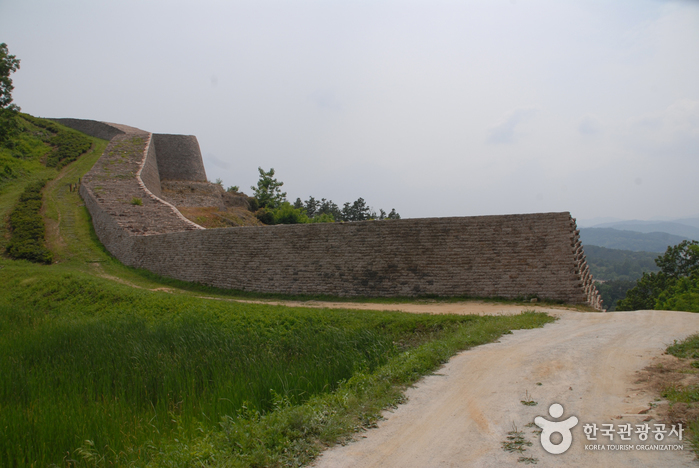
Boeun Samnyeonsanseong Fortress (보은 삼년산성)
15.4Km 2025-01-09
104, Seongju 1-gil, Boeun-gun, Chungcheongbuk-do
Samnyeongsanseong Fortress was built during the Silla dynasty. The sprawling stone walls stretch 1.7 kilometers in length with x_heights and x_widths of 13-20 and 8-10 meters respectively. The name of the fortress comes from the time it took to complete the construction, three years ("sam nyeon" in Korean). The fortress was the site of many battles between Silla and Baekje during the Three Kingdoms Period.
Gallongyegok Valley (갈론계곡)
15.6Km 2024-02-26
547, Chilseong-ro 10-gil, Chilseong-myeon, Goesan-gun, Chungcheongbuk-do
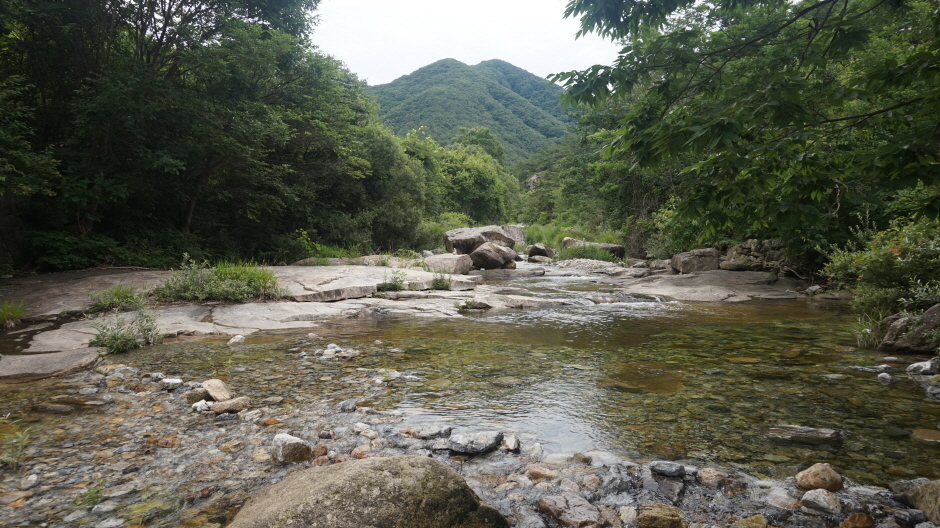
속리산국립공원 북부에 있는 깊은 계곡이다. 신선이 내려왔다는 전설과 7마리의 학이 산다는 전설의 바위가 있고, 숲이 우거져 있다. 유리알같이 맑은 계곡이 곳곳에 비경을 만들고 있으며 물놀이하기에도 좋은 곳이다. 입구에 있는 산촌체험관에서는 숙박이 가능하다.
Ssanggok Valley (쌍곡구곡)
16.0Km 2022-08-31
242, Ssanggok-ro, Chilseong-myeon, Goesan-gun, Chungcheongbuk-do
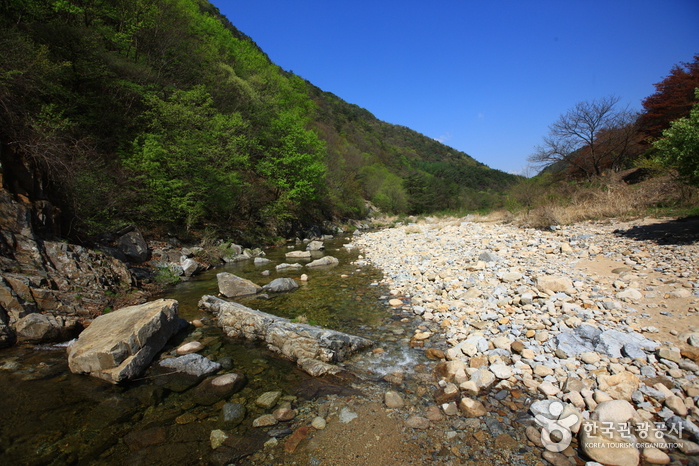
Ssanggok Valley, which is located in Chilseong-myeon, Goesan-gun, is 10.5km long stretching from Ssanggok village to Jesurijae.
The valley is surrounded by Bobaesan Mountain, Gunjasan Mountain and Bihaksan Mountain and clear water flows all year down the walls of a series of unique rock formations.
Thanks to its scenic beauty, many Confucian scholars used to visit here to enjoy literature and nature.
Ssanggok Valley is composed of nine valleys and each has its own unique atmosphere.
The first valley, Holongso, flows into a swamp area with many old pine trees nearby creating a picturesque view. The second valley is called Sogeumgang and it is said that its appearance changes with every season. Tteokbawi (rice cake rock) Valley gets its name from the shape it takes on, which is like a sliced rice cake. Similar to the first valley, Munsuam Valley, the fourth valley also has water flowing over uniquely shaped rocks with many old pine trees and flora. The fifth valley has quite a view of parallel rocks on both sides, while the sixth valley offers magnificent vistas of water flowing into a pool formed by the rocks. The water cascading down a huge boulder is said to look like the pleats of a woman’s skirt unfolding at the seventh valley. The eighth valley gathers water into a pond shape from the waterfall; legend says that fairies bathe here. The ninth valley is wide and refreshingly cool even during the hottest summer months.
Seongjubong Recreational Forest (성주봉자연휴양림)
17.6Km 2022-09-07
3, Seongjubong-ro, Sangju-si, Gyeongsangbuk-do
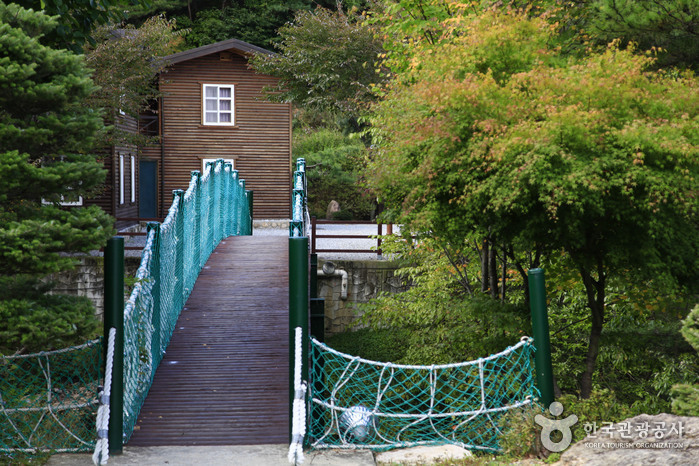
Seongjubong Recreational Forest is located in the foothills of Seongjubong Peak (alt. 606 m), and filled with a lush forest, clean water, and beautiful surroundings. The forest is equipped with basic facilities to maintain the natural environment and ambience for relaxation. Accommodation facilities include forest cabins, a training center, and camping sites. Additional amenities include seminar halls, a forest education center, pavilions, a water playground, and more. The forest also has walking trails of varying levels for all to enjoy.
Sanmagi Old Trail (산막이옛길)
18.6Km 2024-02-15
88 Sanmagiyet-gil, Chilseong-myeon, Goesan-gun, Chungcheongbuk-do
Sanmagi Old Trail in Oesa-ri, Chilseong-myeon, within Goesan-gun of Chungcheongbuk-do, stretches over a picturesque 3.93 km. It connects to the serene Sanmagi Village, nestled in the mountains. This trail has been thoughtfully restored, tracing contour of an ancient road, a faint remnant of times gone by. Offering stunning vistas of mountainous terrain, flowing waters, and lush forests, the trail represents one of the most enchanting aspects of Goesan’s landscape. Its true value lies in the unspoiled natural ecosystem preserved around the dam. The old mountain path, gently redeveloped with eco-friendly techniques alongside the Goesan Dam, harmoniously complements the tranquil waters of the dam’s lake, presenting a glimpse of Korea’s natural splendor. A walk along this trail, with the scent of the forest and the soft caress of a river breeze, invites a profound connection with nature in its purest form..
 English
 한국어
한국어 日本語
日本語 中文(简体)
 Deutsch
 Français
 Español
 Русский


