Nangchugol Learning Park (낭추골 현장체험학습원)
.0M 2025-01-17
1890 Danjae-ro, Nangseong-myeon, Sangdang-gu, Cheongju-si, Chungcheongbuk-do
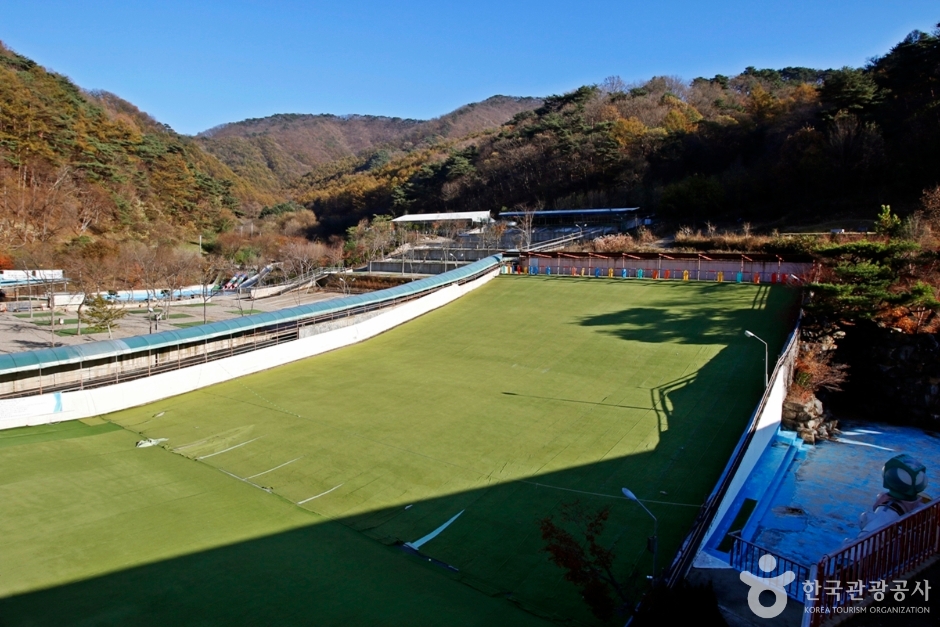
Nangchugol is a mountain village located in the eastern part of Cheongju, offering children the chance to observe and experience nature through play and a variety of activities. It boasts a goblin trail, four-season sledding options (grass sled, water sled, and snow sled), swimming pools, a nature learning center focusing on wild plants, valleys, and animals, a traditional game ground, an adventure playground, an insect experience center, and guided forest tours. Additionally, the village includes a campground for visitors.

Cheongseokgul Cave (옥화1경 청석굴)
6.3Km 2025-02-04
12-16 Unam 3-gil, Miwon-myeon, Sangdang-gu, Cheongju-si, Chungcheongbuk-do
Cheongseokgul Cave is a natural cave where prehistoric humans lived, with artifacts from the Paleolithic era, such as choppers and chopping tools (hammers), points, and hand axes, discovered inside. The place stays cool even during hot summer, and is currently home to bats and golden-capped fruit bats. Nearby attractions are an artificial waterfall and a sky observatory with a valley in front of the cave available for water activities and kayaking.
Cheongju Sangdangsanseong Fortress (청주 상당산성)
10.0Km 2025-10-23
70 Seongnae-ro, Sangdang-gu, Cheongju-si, Chungcheongbuk-do
Sangdangsanseong Fortress in Cheongju, Chungcheongbuk-do is a fortress built along the natural slopes close to downtown Cheongju. It was comprehensively improved in 1596 (29th year of King Seonjo’s reign) during Imjinwaeran (Japanese invasion of Korea in 1592) and later remodeled into a stone fortress during the 42nd year of King Sukjong’s reign.
This 4.2km-long, 3-4m-tall fortress was built with stones of various sizes, earth and sand. The fortress has three gates, located in the east, west and south respectively. The three gates remain almost intact, and all still have their gate towers. The front gate in the south, named ‘Gongnammun Gate,’ is crescent-shaped while the East and West gates are square. The East and West Command Posts also stand within the confines of the fortress itself. This fortress was designated as Historic Site No. 212 in 1970. Additionally, visitors can sample Jujube Wine (Korean traditional wine) as well as a variety of local cuisine.
Cheongju Zoo (청주동물원)
10.4Km 2024-02-22
224 Myeongam-ro, Sangdang-gu, Cheongju-si, Chungcheongbuk-do
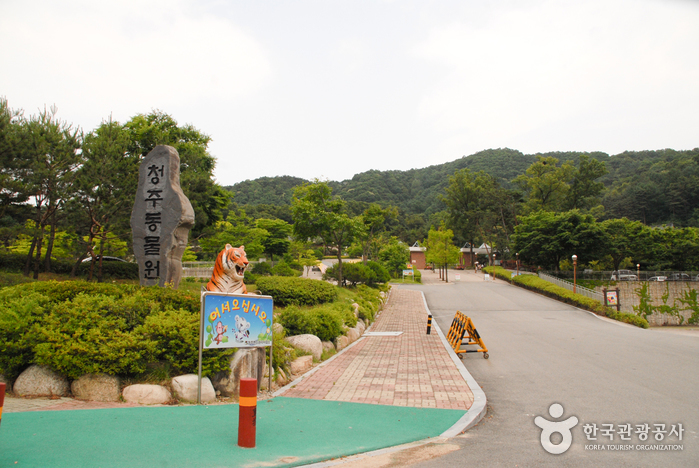
Cheongju Zoo houses mammals, birds, and reptiles as its main attractions, featuring iconic animals such as tigers, lions, elephants, giraffes, zebras, penguins, seals, and monkeys. Visitors can engage in animal classrooms to learn about the ecology and characteristics of various species. Guided tours by zookeepers offer insights into wildlife ecology and unique stories exclusive to Cheongju Zoo.
Cheongjuhyanggyo Confucian School (청주향교)
11.6Km 2025-02-04
81, Daeseong-ro 122beon-gil, Sangdang-gu, Cheongju-si, Chungcheongbuk-do
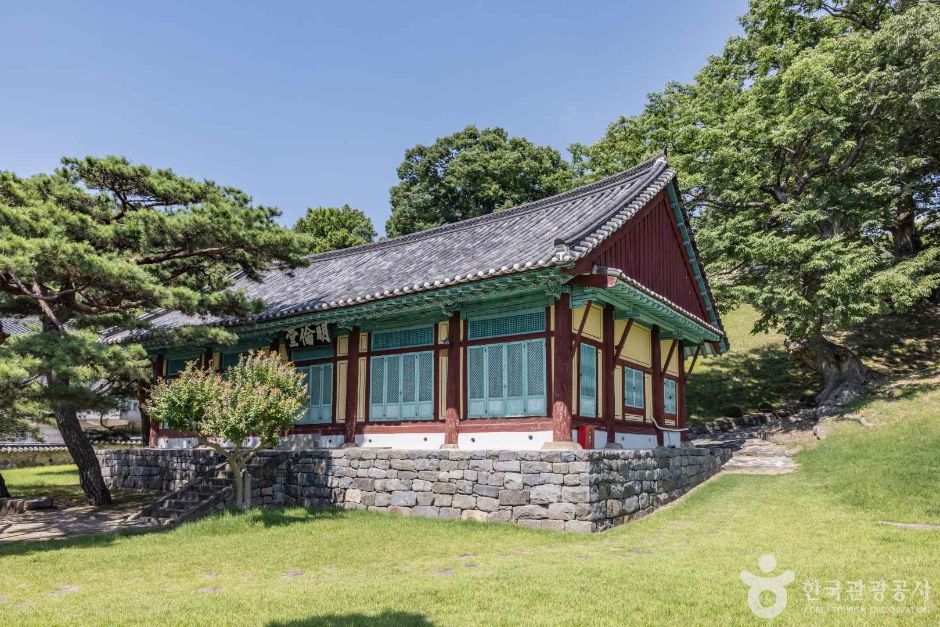
Hyanggyo is a national educational institution from the Joseon dynasty that housed the tablets of esteemed Confucian scholars and held rituals in their honor. It consists of six hanok buildings, including the Daeseongjeon Hall, a space for rituals, and Myeongnyundang Hall, the space for education. Today, various Confucian cultural experience programs, such as Confucian student experiences, tea ceremonies, and calligraphy classes, are offered. They also provide accommodations for guests wishing to experience a "Hyanggyo Stay."

Boeun White Dandelion Eco-Village (보은 하얀민들레한옥마을)
11.8Km 2025-07-11
111-2 Busu-gil, Hoein-myeon, Boeun-gun, Chungcheongbuk-do
Boeun White Dandelion Eco-Village is located in Boeun-gun. The hanok building comprises two floors. The upper part of the hanok is used for accommodation and dining, while the lower part of the building serves as both a gallery and lodging. In addition to accommodation, visitors can enjoy various hands-on experience programs, including embroidery, natural dyeing, printmaking, puffed grain making, and a Joseon-era lifestyle experience. It has recently gained popularity after being featured in a variety show with K-pop idols.
OHJI (오지)
12.2Km 2024-07-05
13 Suam-ro 36beon-gil, Sangdang-gu, Cheongju-si, Chungcheongbuk-do
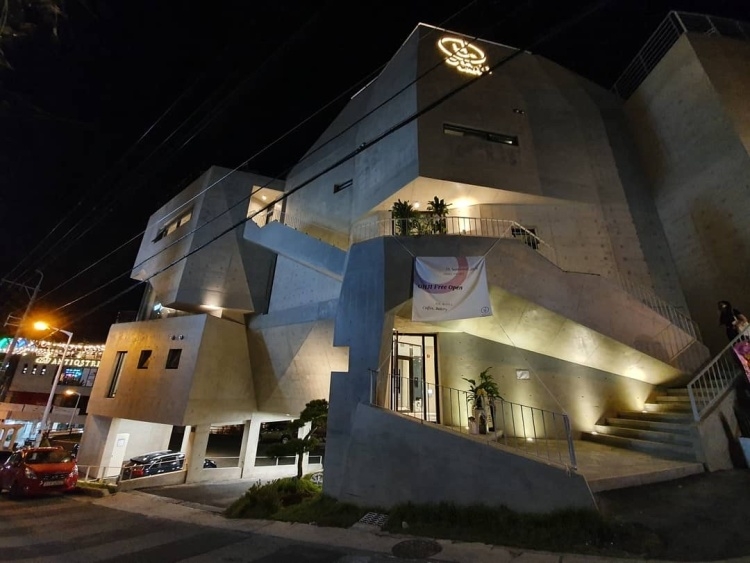
OHJI is a large café located on Suamgol Café Street. It is located on the way up to Suamgol Observatory, making it a great place to drop by on the way. It has three floors, with seating on the second and third floors, so one can enjoy the view of Cheongju city center in a comfortable ambience. Due to its location, it is also a great place to enjoy the view of the sunset through the floor-to-ceiling windows on a clear evening and enjoy the view of Cheongju at night after dark. The café offers a variety of cakes and other desserts that go well with coffee, so make sure to sample them as well. The interior design tends toward industrial chic, with an emphasis on modern sensibilities.
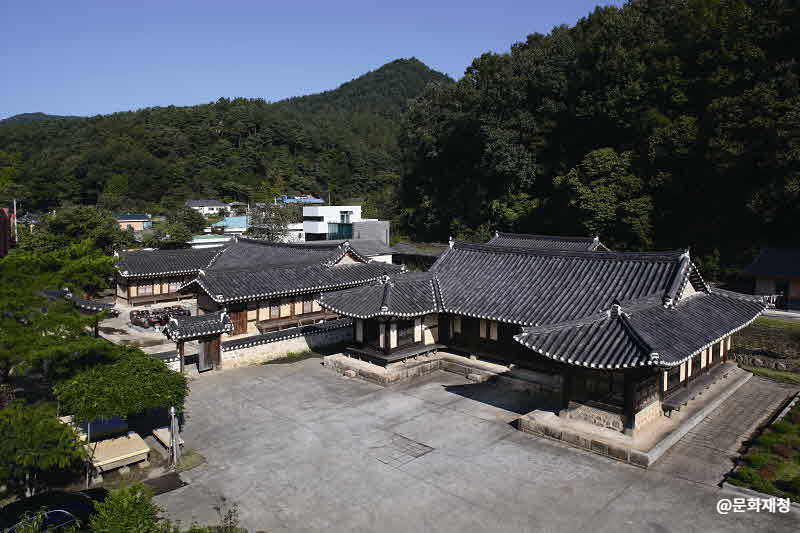
Goesan Historic House of Song Byeong-il (괴산 송병일 고택)
12.8Km 2024-02-15
17 Cheongcheon 4-gil, Cheongcheon-myeon, Goesan-gun, Chungcheongbuk-do
This dwelling is a well-preserved example of a traditional Korean house built in the late 19th century, a relic from the era of the Joseon dynasty. It offers insight into the architectural design of the period as well as the domestic life of the Joseon aristocracy. The house also bears historical significance as the residence of the descendants of Uam Song Siyeol, a prominent Neo-Confucian scholar of the dynasty. The layout features distinct sarangchae (the men's quarter) and anchae (the women's quarter), with a gate and a storage facility for essential supplies situated between them. This set up offers visitors an authentic experience of the Joseon dynasty’s traditional household structures. Encircled by a tranquil forest, this old house transports visitors to a time long past..
Dongbu Warehouse (동부창고)
12.9Km 2023-01-17
314, Sangdang-ro, Cheongwon-gu, Cheongju-si, Chungcheongbuk-do
Dongbu Warehouse, once a tobacco leaf warehouse of an old tobacco manufacturing factory, was recreated as a cultural and art space through the cultural regeneration project by the Ministry of Culture, Sports and Tourism. It currently maintains the original form of the factory warehouse and has great preservation value as a modern cultural heritage built with red bricks and wooden truss. This attractive cultural space, which contains the modern and contemporary looks of the 1900s, provides various programs such as planned performances and festivals, as well as a space rental.
Cheongju Yonghwasa Temple (용화사(청주))
13.0Km 2024-03-15
565 Musimseo-ro, Seowon-gu, Cheongju-si, Chungcheongbuk-do
This temple was founded in 1902. Yonghwasa Temple can be found about 2 kilometers down the small road from a National Road connecting Judeok-eup, Cheongju, with Eumseong. Unlike other Buddhist temples, which tend to be located in secluded places, Yonghwasa Temple is easily reachable from the city, attracting many visitors. Set against a backdrop of green lawns and forests, the temple's stupas, stelae, three-story stone pagodas, and guardian trees bring Buddhist culture to life. A Goryeo-era Standing Stone Buddha, a cultural heritage, can be found in the complex. Its elegant and full body, round face, and delicate expression of folds in the Buddha’s clothing all showcase the unique qualities of Goryeo-era Buddhist sculptures. The Buddha holds a medicine bowl in the left hand, which heals all diseases and eliminates all distractions in pursuit of truth.
 English
 한국어
한국어 日本語
日本語 中文(简体)
 Deutsch
 Français
 Español
 Русский


