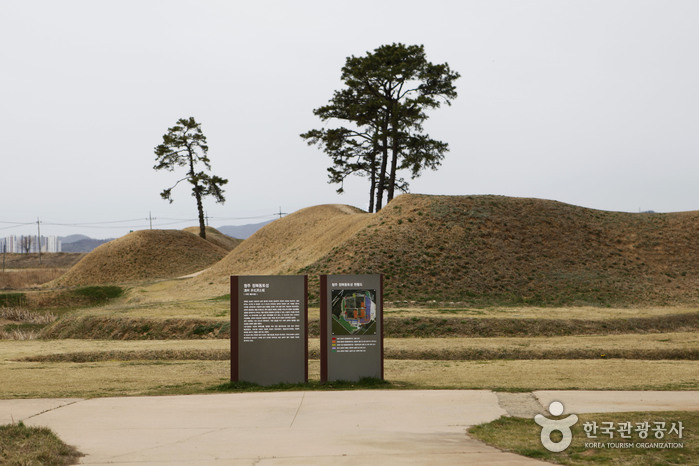
Earthen Fortification in Jeongbuk-dong (청주 정북동 토성)
7.2Km 2025-02-04
353-2 Jeongbuk-dong, Cheongwon-gu, Cheongju-si, Chungcheongbuk-do
The Earthen Fortification in Jeongbuk-dong was built around the third century BC on a flat land next to the Mihogang River. Its original square shape, with a perimeter of 650 meters, remains well-preserved, featuring gate remnants on the east, west, south, and north sides. The south and north gates include offset walls, designed to prevent enemies from entering directly. The protruding sections at the four corners and midpoints of the walls were strategically built for attacking and monitoring enemies from the sides.
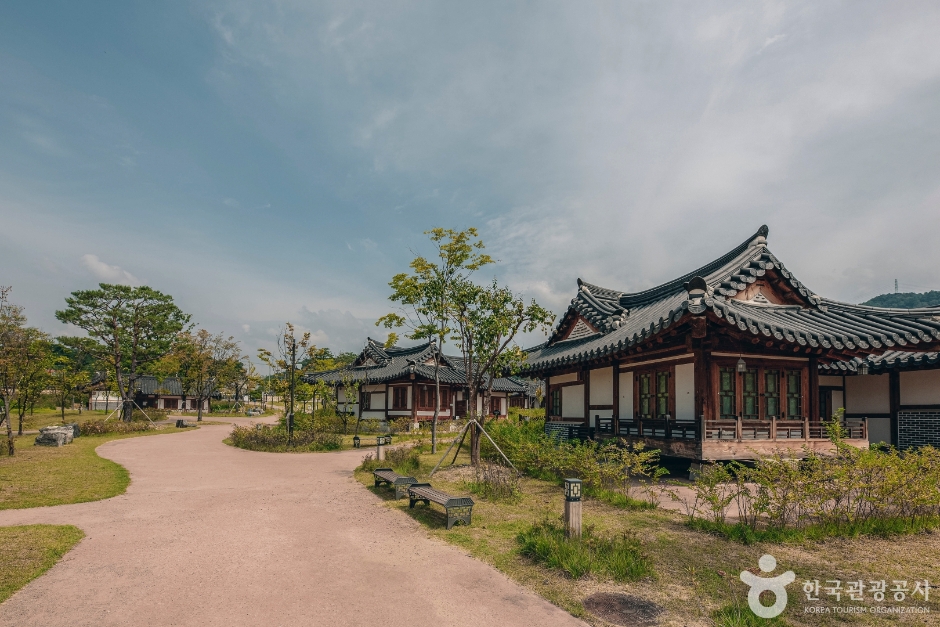
Chojeong Haenggung (초정행궁)
10.4Km 2024-12-23
851 , Chojeongyaksu-ro, Cheongwon-gu, Cheongju-si, Chungcheongbuk-do
Chojeong Haenggung is a hanok stay and hanok experience center in Chojeong Culture Park, Cheongju, Chungcheongbuk-do. The house has a historic royal connection, as King Sejong stayed here for some months in 1444 while being treated for an eye problem. There are 12 guestrooms, all with an underfloor-heated ondol room and either a daecheongmaru (large wood-floored hall) or a numaru (raised wooden floor space). All rooms have a bathroom and toilet. Cooking is not possible, but there’s a microwave oven and kettle for preparation of instant meals. There are discounts for Cheongju residents.
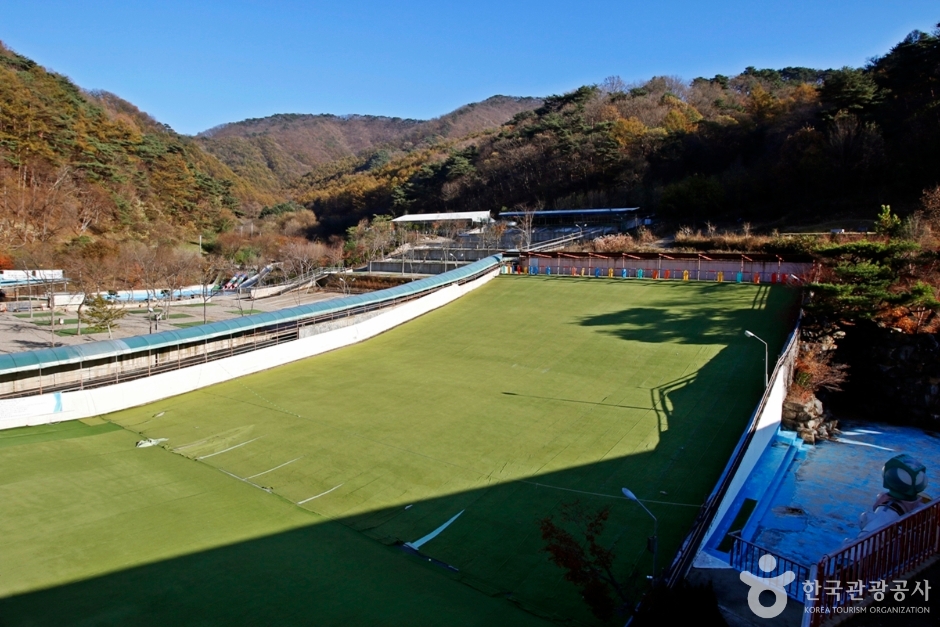
Nangchugol Learning Park (낭추골 현장체험학습원)
10.4Km 2025-01-17
1890 Danjae-ro, Nangseong-myeon, Sangdang-gu, Cheongju-si, Chungcheongbuk-do
Nangchugol is a mountain village located in the eastern part of Cheongju, offering children the chance to observe and experience nature through play and a variety of activities. It boasts a goblin trail, four-season sledding options (grass sled, water sled, and snow sled), swimming pools, a nature learning center focusing on wild plants, valleys, and animals, a traditional game ground, an adventure playground, an insect experience center, and guided forest tours. Additionally, the village includes a campground for visitors.
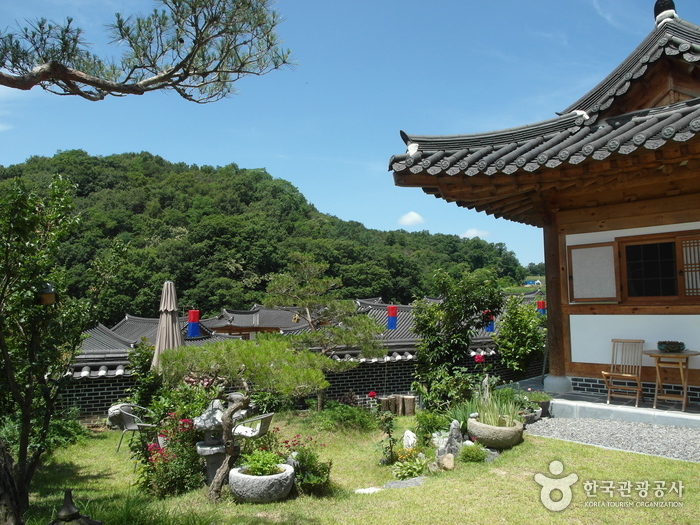
Gayeongdang, Cheongju (가영당)
13.9Km 2024-12-23
71-54 , Miraeji-ro, Cheongwon-gu, Cheongju-si, Chungcheongbuk-do
Gayeongdang is a hanok stay in Ochang Hanok Village ( part of Ochang Miraeji Agricultural Theme Park) in Cheongju-si, Chungcheongbuk-do. The hanok was built by flower-tea master Kim Byeong-hee, using only Korean pinewood - and the rich pine scent still fills the rooms. The rooms are all ondol style. Guests staying in the main building have access to a living room and tea room, while guests in the annexe can enjoy barbecues in the yard. Visitors can talke part in a tea ceremony and enjoy flower tea and sweets while conversing with the master. The hanok can also be rented as a space for seminars, small concerts, and weddings.

Cheongseokgul Cave (옥화1경 청석굴)
15.2Km 2025-02-04
12-16 Unam 3-gil, Miwon-myeon, Sangdang-gu, Cheongju-si, Chungcheongbuk-do
Cheongseokgul Cave is a natural cave where prehistoric humans lived, with artifacts from the Paleolithic era, such as choppers and chopping tools (hammers), points, and hand axes, discovered inside. The place stays cool even during hot summer, and is currently home to bats and golden-capped fruit bats. Nearby attractions are an artificial waterfall and a sky observatory with a valley in front of the cave available for water activities and kayaking.
Munui Cultural Properties Site (문의문화재단지)
16.2Km 2022-12-27
721, Daecheonghoban-ro, Sangdang-gu, Cheongju-si, Chungcheongbuk-do
Munui Cultural Properties Site, overlooking the Daecheongho Lake, attracts many visitors. The site was created to preserve and promote the local traditional culture of Cheongwon (Chungcheongbuk-do); it is a great place to learn about local history, culture, and arts.
The spacious complex (132,232m²) is a home to ten traditional houses (Munsangwan, aristocrat houses, a museum, and a tavern), showing a form of a traditional village. It is also full of dolmen stones (symbolizing abundant procreation), Jangseung (totem poles at the entrance of villages or temples), and Yeonjabanga (millstones worked by horses or oxen), providing visitors with opportunities to learn about traditional culture and life.
With a theme of roof tiles, a relics gallery in the complex boasts over 774 local items, categorized by historical period (e.g. the Silla Period, Baekje Period, etc.). Munsan-ri Stone Bridge, believed to have been built during the Goryeo Period, was restored in front of the gallery.
The complex also offers a wide array of amenities including mineral spring sites, playgrounds, and Munui Movie Village (a drive-in movie theatert). Nearby notable attractions include artificial falls, Yangseongsan Mountain, Jakdusan Mountain, Daecheongho Lake, Nosan Pine Forest, Donghwasa Temple, and Bugang Mineral Springs.
Chopyeong Reservoir (초평저수지)
18.5Km 2024-02-23
Chopyeong-ro, Chopyeong-myeon, Jincheon-gun, Chungcheongbuk-do
Chopyeong Reservoir, formed by damming the Mihocheon Stream, is a renowned fishing spot, especially popular for ice fishing. It hosts species such as carp, crucian carp, and snakehead. Fishing bungalows are scattered across the lake, resembling islands. This spot is perfect for those looking to enjoy trail trekking around the lake and take in the picturesque scenery.

Bugangok (부강옥)
18.7Km 2025-05-20
103, Bugangoecheon-ro, Sejong-si
It is a restaurant that’s featured a lot in various media. This Korean restaurant is located in Sejong-si. The representative menu is blood sausage and rice soup.
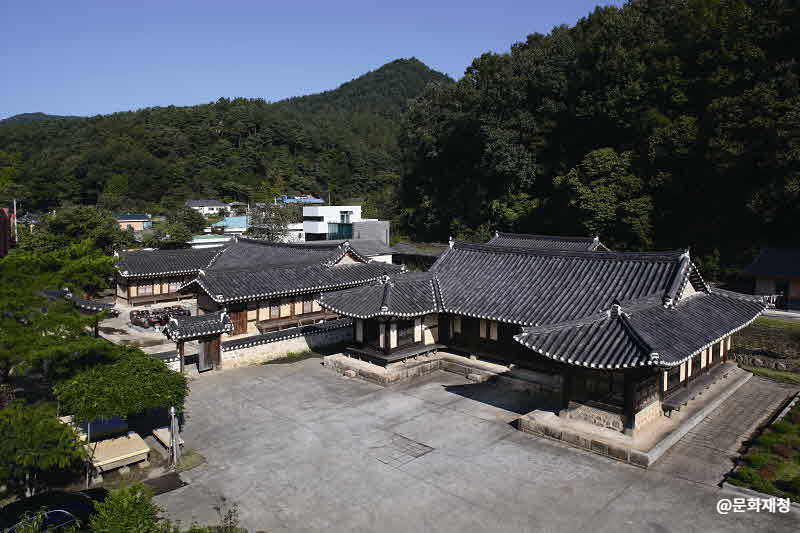
Goesan Historic House of Song Byeong-il (괴산 송병일 고택)
19.3Km 2024-02-15
17 Cheongcheon 4-gil, Cheongcheon-myeon, Goesan-gun, Chungcheongbuk-do
This dwelling is a well-preserved example of a traditional Korean house built in the late 19th century, a relic from the era of the Joseon dynasty. It offers insight into the architectural design of the period as well as the domestic life of the Joseon aristocracy. The house also bears historical significance as the residence of the descendants of Uam Song Siyeol, a prominent Neo-Confucian scholar of the dynasty. The layout features distinct sarangchae (the men's quarter) and anchae (the women's quarter), with a gate and a storage facility for essential supplies situated between them. This set up offers visitors an authentic experience of the Joseon dynasty’s traditional household structures. Encircled by a tranquil forest, this old house transports visitors to a time long past..

Boeun White Dandelion Eco-Village (보은 하얀민들레한옥마을)
19.4Km 2025-07-11
111-2 Busu-gil, Hoein-myeon, Boeun-gun, Chungcheongbuk-do
Boeun White Dandelion Eco-Village is located in Boeun-gun. The hanok building comprises two floors. The upper part of the hanok is used for accommodation and dining, while the lower part of the building serves as both a gallery and lodging. In addition to accommodation, visitors can enjoy various hands-on experience programs, including embroidery, natural dyeing, printmaking, puffed grain making, and a Joseon-era lifestyle experience. It has recently gained popularity after being featured in a variety show with K-pop idols.
 English
 한국어
한국어 日本語
日本語 中文(简体)
 Deutsch
 Français
 Español
 Русский


