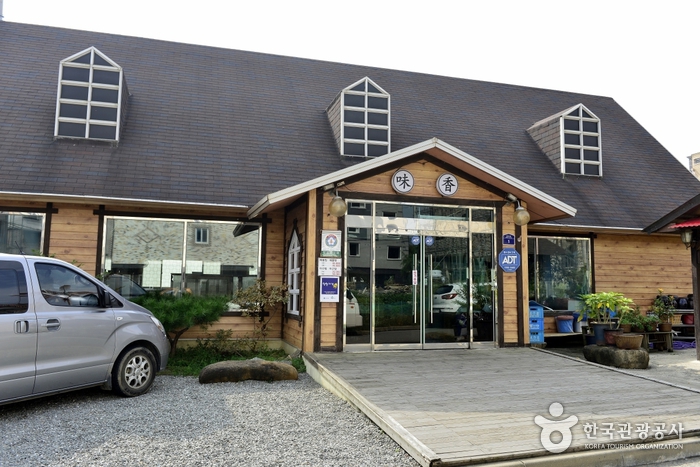
Mihyang (미향)
16.9Km 2025-05-20
1, Munhwa 4-gil, Jochiwon-eup, Sejong-si
Mihyang is a seafood restaurant specializing in haemul-jjim (steamed seafood).
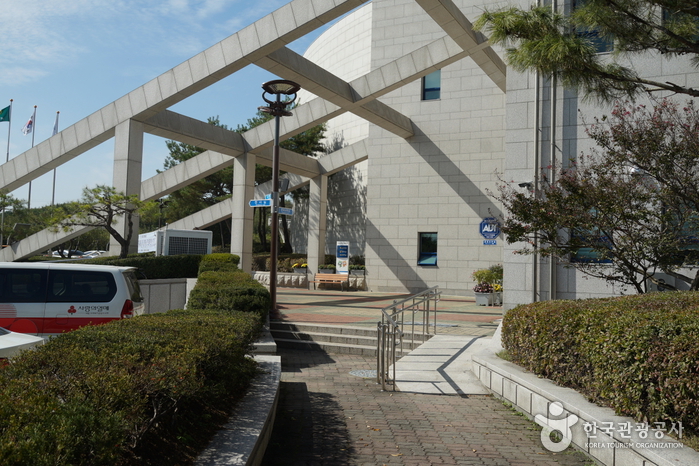
Sejong Culture & Arts Center (세종문화예술회관)
17.1Km 2025-05-20
22, Munyehoegwan-gil, Sejong-si
Located in Sejong Special Self-Governing City, the Sejong Culture & Arts Center is a multi-purpose cultural space for performances and exhibitions. It offers a variety of opportunities for local artists as well as a place to enjoy culture and arts for local residents.

La Foresta (라포레스타)
17.7Km 2025-05-20
130 Daecheop-ro, Yeonseo-myeon, Sejong-si
La Foresta is a café with a spacious outdoor garden. The interior has a cozy atmosphere with wood tones. The garden is adorned with various types of trees and flowers, creating a park-like ambiance. Signature drinks include foresta double latte, made with hazelnut milk and espresso, blood orange featuring blood orange infused tea, and dewy cherry mango, a refreshing blend of cherry tea with mango puree and coconut jelly.
Sejong Yeonhwasa Temple (연화사 (세종))
18.0Km 2025-05-20
28-1, Yeonhwasa-gil, Sejong-si
Yeonhwasa Temple is said to have been built by Hong Mun-seop. After having a dream, Hong dug the current site of Yeonhwasa Temple to find two stone Buddha statues and built a temple there. It was designated a traditional temple in 1988. The temple features Muryangsujeon Hall, Samseonggak Hall, and Yosachae (monks’ residence).
There used to be a building with a tile roof, but following the discovery of a stele with the inscription of “Muin Year” and a pedestal, the roof was improved. The side of the stele is in a trapezoid shape with a wider bottom. It is thought to date back to the Unified Silla era. The temple is also home to a stele with seven relief Buddhist images. Together with the stone images of Biamsa and Jeonganmyeon, this stele is considered to have cast a new light on the Ancient Art.
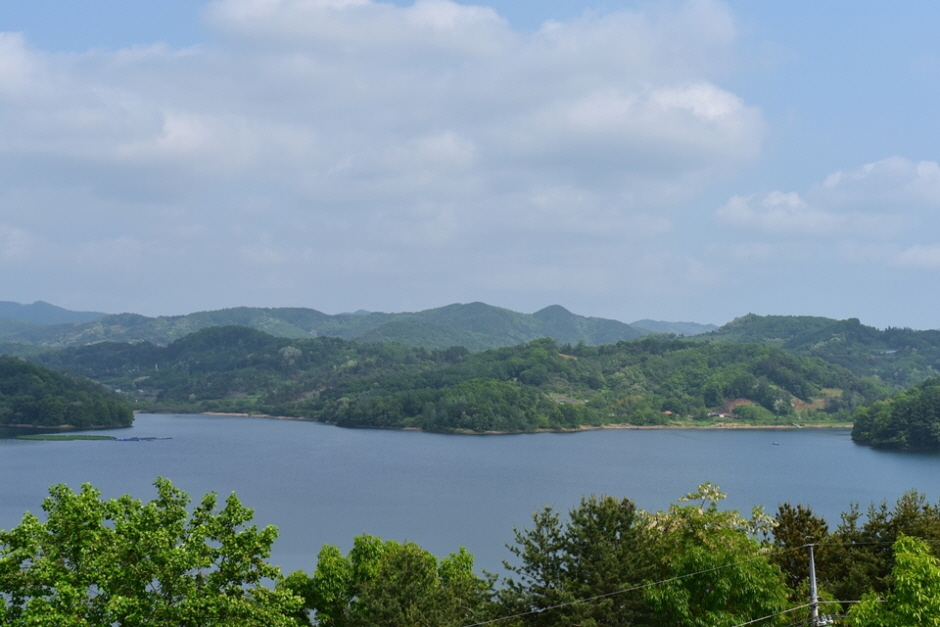
Daecheong Dam Observatory (대청댐 전망대)
18.3Km 2023-04-04
206 , Daecheonghoban-ro, Sangdang-gu, Cheongju-si, Chungcheongbuk-do
Daecheong Dam Observatory overlooks the clear waters of Daecheongho Lake. At the site is Water Culture Center that offers various things to see relating to the dam as well as informational visual aids related to water. The Dacheonggyo Bridge by the observatory connects to Geumgang Lohas Daecheong Park in Daejeon.
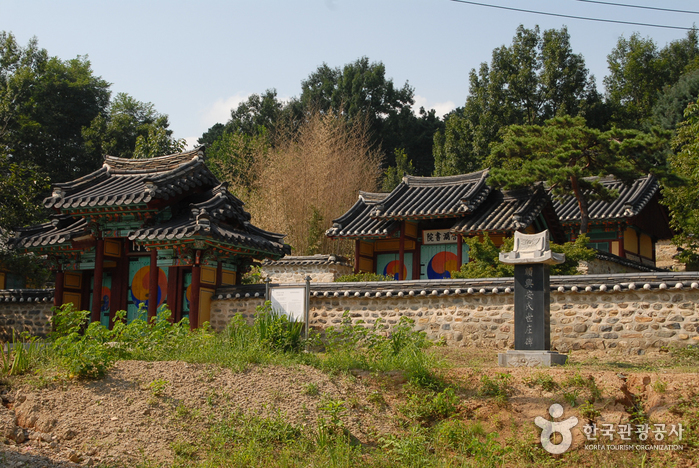
Haposeowon Confucian Academy (합호서원)
18.6Km 2025-05-20
262-6, Wonhapgang 1-gil, Yeondong-myeon, Sejong
Registered as Cultural Heritage Material, Haposeowon Confucian Academy is where the spiritual tablet of An Hyang, a respected scholar during the Goryeo period, is enshrined. The academy was founded in 1716 by the scholar's descendants, who held regular memorial services until a royal order to close down most seowon institutions was made in the late Joseon dynasty. In 1949, Haposeowon Confucian Academy was rebuilt as an affiliated institution with the consent of 218 local Confucian schools nationwide.
Geumgang Lohas Daecheong Park (금강로하스대청공원)
18.9Km 2024-02-15
607 Daecheong-ro, Daedeok-gu, Daejeon
Geumgang Lohas Daecheong Park is situated near the Geumgang River and Daechung Dam. It borders Daecheongho Lake and the Geumgang River, featuring a waterfront deck where visitors can observe various bird species such as herons and the Red Leaf Willow habitat. The park also includes the Daecheong Culture Exhibition Hall, a lawn area, a Rock Garden, a Metasequoia Forest Park, and a children's forest playground.
Sejong Traditional Paste Museum (세종전통장류박물관)
19.2Km 2025-05-20
90-43 Baeil-gil, Jeondong-myeon, Sejong-si
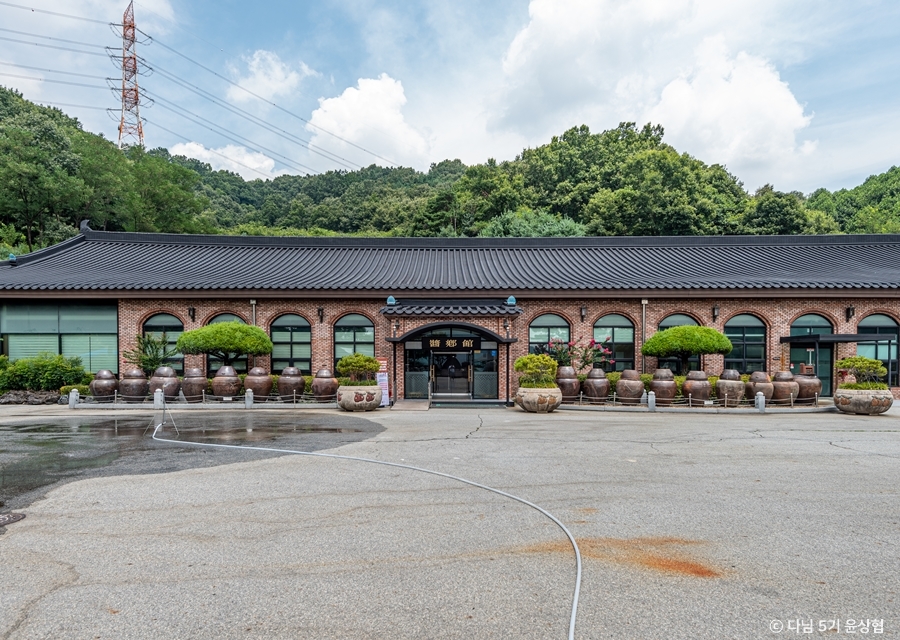
The Sejong Traditional Paste Museum highlights Korea’s traditional sauce culture, featuring staples like soybean paste, red chili paste, and soy sauce. Its garden, with over 1,000 pots, is a standout attraction. The museum includes indoor exhibition halls, an outdoor exhibit area, a fermentation experience center, a Korean restaurant specializing in fermented sauces, and a paste shop. Visitors can participate in activities such as making grain soap shaped like meju (fermented soybean blocks) or creating their own fermented pastes. In November, visitors can also observe the process of making soybean paste and red chili paste.
Sanjang Garden (산장가든)
19.3Km 2025-05-20
1131-7 Dosingobok-ro, Yeonseo-myeon, Sejong-si
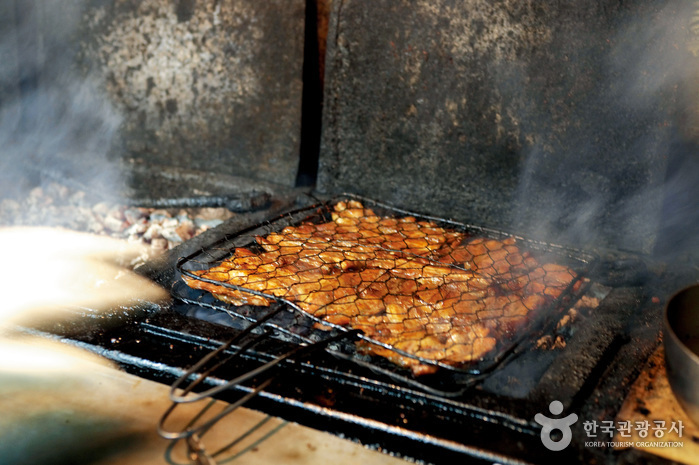
Sanjang Garden is a Korean restaurant specializing in grilling pork galbi over charcoal. In addition to pork galbi, they also serve dishes such as naengmyeon (cold buckwheat noodles), dongchimi guksu (noodles with radish water kimchi), and sujebi (hand-pulled dough soup). Surrounded by lakes and mountains, the restaurant offers a picturesque setting and has been featured multiple times on Korean television. It's approximately a 15-minute drive from Jochiwon Station by car or taxi.
Cheongseokgul Cave (옥화1경 청석굴)
19.4Km 2025-02-04
12-16 Unam 3-gil, Miwon-myeon, Sangdang-gu, Cheongju-si, Chungcheongbuk-do
Cheongseokgul Cave is a natural cave where prehistoric humans lived, with artifacts from the Paleolithic era, such as choppers and chopping tools (hammers), points, and hand axes, discovered inside. The place stays cool even during hot summer, and is currently home to bats and golden-capped fruit bats. Nearby attractions are an artificial waterfall and a sky observatory with a valley in front of the cave available for water activities and kayaking.
 English
 한국어
한국어 日本語
日本語 中文(简体)
 Deutsch
 Français
 Español
 Русский


