Handok Museum (한독의약박물관)
5.5Km 2024-07-25
78 Daepungsandan-ro, Daeso-myeon, Eumseong-gun, Chungcheongbuk-do
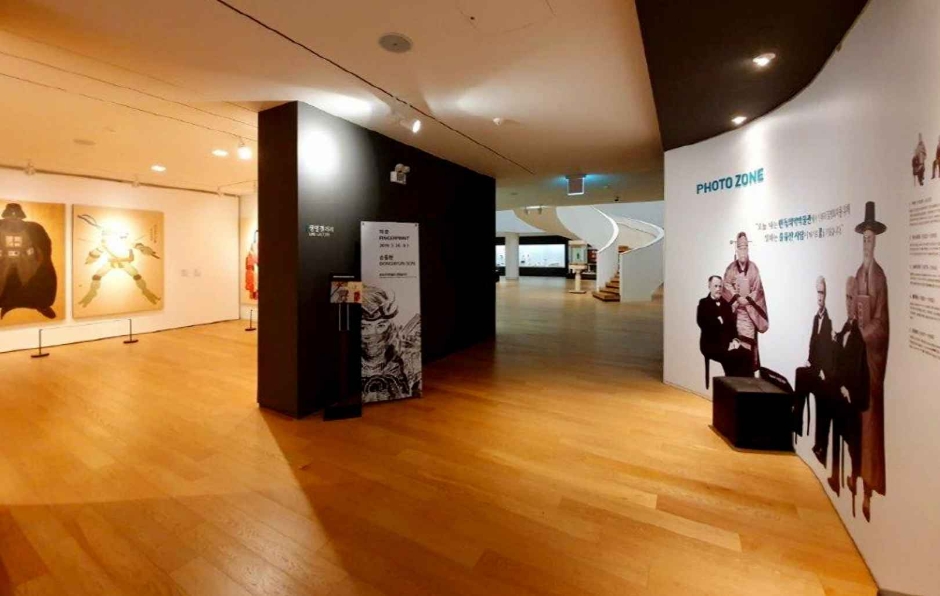
The Handok Museum was founded to promote and introduce Handok, a producer of Korean medicines. The museum aims to introduce the benefits and breakthroughs of Korean medicine in an easy-to-understand way.
Geumgwanghosu Lake (금광호수)
7.7Km 2024-02-07
Oheung-ri, Geumgwang-myeon, Anseong-si, Gyeonggi-do
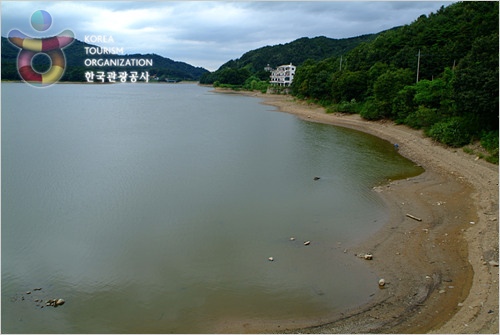
Geumgwanghosu Lake, a valley-shaped lake, is a popular destination for fishing, featuring three fishing grounds around it. Many people visit the lake during the winter season for smelt fishing. The lake also offers a deck trail for visitors to enjoy a stroll around it. The birth home and workshop of Park Du-jin, a Korean poet, are nearby, and a section of the deck trail is also known as the Park Du-jin Literature Trail.

Anseong Seoil Farm (안성 서일농원)
9.7Km 2024-02-21
332-17 Geumil-ro, Iljuk-myeon, Anseong-si, Gyeonggi-do
Anseong Seoil Farm is dedicated to crafting jang (fermented condiments) using wholesome ingredients. They utilize meju (fermented soybeans) made with 100% Korean-grown soybeans to create their signature products like cheonggukjang (rich soybean paste), doenjang (soybean paste), and gochujang (red chili paste). Visitors can witness around 2,000 crocks. Additionally, the farm boasts an onsite restaurant where visitors can relish dishes prepared from these jangs.
Hantaek Botanical Garden (한택식물원)
9.8Km 2022-12-21
2, Hantaek-ro, Cheoin-gu, Yongin-si, Gyeonggi-do
+82-31-333-3558
Established in 1979, Hantaek Botanical Garden features the nation's largest botanical garden which houses total of 9,700 plant species including 2,400 species of wild plants and 7,300 species of foreign plants. Along with various domestic and international plant species, the botanical garden makes an effort in research studies through the botanical lab, interactions with domestic and international botanical gardens and modernized facilities. Also, it was designated as Rare plant and Extinction crisis plant habitat and conservation by the Ministry of Environment and has been carrying out acts to preserve national grown-plants and restoring the habitats continuously as well as various hands-on programs and exhibitions that offer education about nature.
Hantaek Botanical Garden is comprised of Natural Ecology Hall, Water Plant Botanical Garden, Wall Garden, Rock Garden, Silver Grass Garden and Hemerocallis collections, Hosta collections, Iris garden, and other gardens. Australia Plant Greenhouse, exhibiting baobab trees, South Africa Greenhouse, Herb greenhouse, and a rest area are also available for visitors.
Anseong Namsadang Baudeogi Festival (안성맞춤 남사당 바우덕이축제)
10.3Km 2025-07-10
198-2 Namsadang-ro, Anseong-si, Gyeonggi-do
+82-31-678-2511
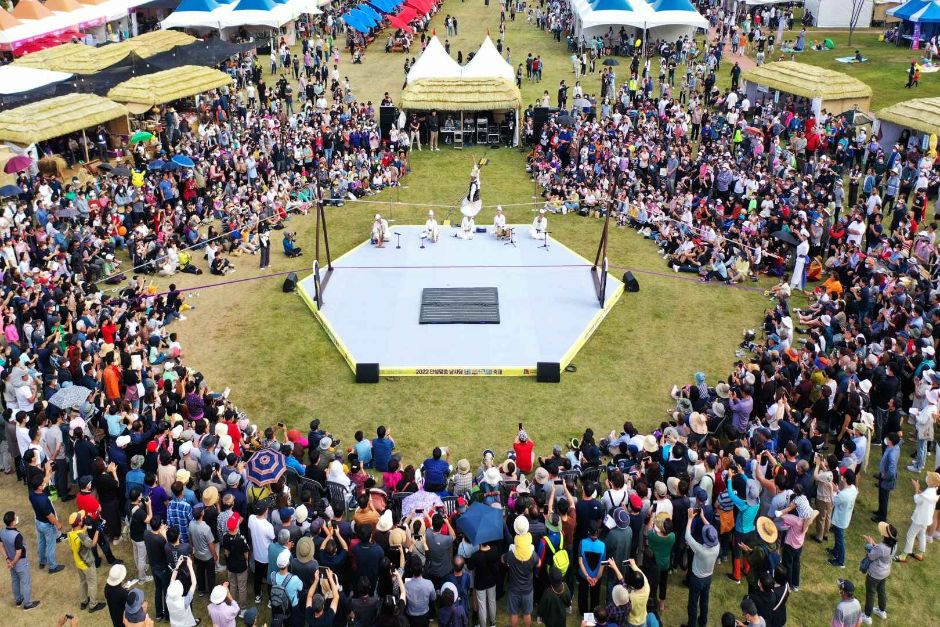
The Namsadang Noripae, which was at the heart of popular culture during the Joseon dynasty, can be likened to today’s touring musical theater companies. Anseong is the birthplace of the Namsadang, which expressed the joys and sorrows of the times through various forms of entertainment. The Anseong Namsadang Baudeogi Festival inherits the tradition and culture of Namsadang and the artistic spirit of Baudeogi, the first female to have become the leader of Namsadang troupe in the Joseon dynasty. It is designated as an official festival of the International Council of Organizations of Folklore Festivals and Folk Arts (CIOFFⓇ), an official partner of UNESCO since 2006. Namsadang Nori (Itinerant Troupe Performance) is held at the festival, along with other shows, including Pungmul Nori (Folk Music and Dance Performance) and foreign folk performances. Visitors can catch the tightrope show every day, which is performed on a rope three meters off the ground. Other attractions include the reenactment of a traditional Korean wedding and royal procession and the World Parade.
◎ Namsadang and Baudeogi
Namsadang was a performance troupe that went around singing, dancing, and performing various tricks. The troupe was initially composed of single men, but women also came to be members after the female performer and leader Baudeogi.
Anseong Namsadang Performance Hall (안성 남사당 공연장)
10.3Km 2021-02-22
198-2, Namsadang-ro, Anseong-si, Gyeonggi-do
+82-31-678-2518
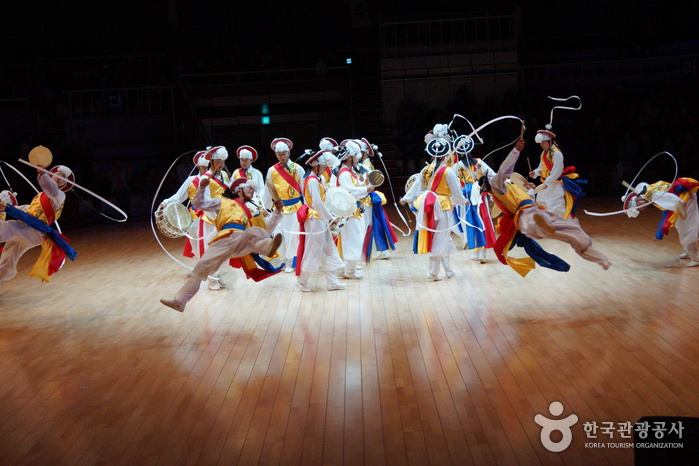
Namsadang is a renowned troupe that combines regional traditional arts, such as acrobatics, singing, dancing, and circus performances that originated from the Anseong area. The troupe was formed in honor of Baudeogi, a celebrated artist of the Joseon dynasty and Korea's first official female entertainer.
Namsadang performs on an ongoing basis and also focuses on developing and promoting various hands-on Namsadang programs. Through their world tour, Namsadang plays a big role in spreading Korea's culture internationally. The annual Baudeogi Festival is also a great opportunity for visitors to take in various performances and take part in activities.
Anseong Machum Land (안성맞춤랜드)
10.4Km 2024-01-03
196-31 Namsadang-ro, Anseong-si, Gyeonggi-do
Anseong Machum Land is a resting place in the forest for Anseong citizens, and at the same time, it is a place for culture and arts. It offers a variety of things to see and do including: Namsadang Performance Hall, where visitors can watch folk and cultural performances by Namsadang troupe; Anseong Machum Culture & Craft Center; Anseong Machum Astronomical Observatory; Fountain Plaza; Waterside Park; Wildflower Garden; and Cypress Tree Forest. Also, every October, the city hosts the Namsadang Baudeogi Festival, an event dedicated to Baudeogi, the first and only female leader of the Namsadang troupe of the Joseon dynasty. Visitors are advised to check the festival dates when planning for the trip.
Anseong Seoknamsa Temple (석남사(안성))
12.6Km 2024-01-03
3-120 Sangchonsaemal-gil, Anseong-si, Gyeonggi-do
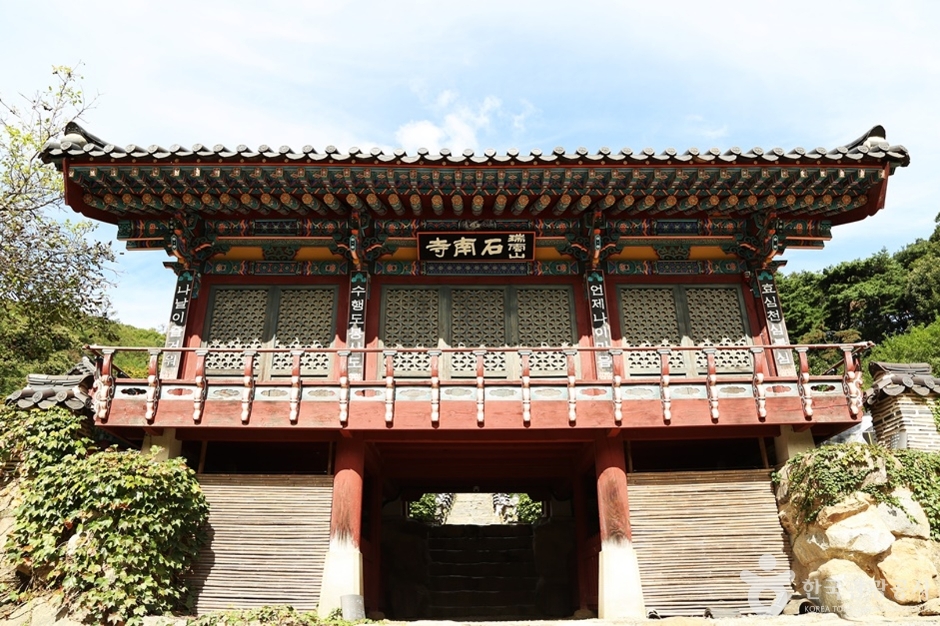
Seoknamsa Temple is located at the northeastern foot of Seounsan Mountain, 12 kilometers from Anseong. It’s a small temple but the view of stone steps leading up from the temple entrance to the Daeungjeon Hall is worth seeing. Seoknamsa Temple is known to have been presided by prominent monks such as Monk Hyegeo in the Goryeo dynasty. It is also where hundreds of monks in training stayed and practiced Buddhism at the time. The Daeungjeon Hall, which has three rooms on the front and three rooms on the sides, looks simple yet imposing with its gabled roof with double-layer eaves. The building with a hipped and gable roof resembling a crane flying right below the Daeungjeon Hall harmonizes with the Yeongsanjeon Hall. Seoknamsa Temple, which looms over the site, exudes a charm that immerses visitors with the energy of Seounsan Mountain. The Yeongsanjeon Hall also has a hipped and gable roof and three rooms in front and two rooms on the side. The sharp end of the roof is gently hidden in the forest, adding an elegant atmosphere. This building has great architectural significance because its bracket demonstrates the typical design of the early and middle Joseon dynasty. The temple also houses many cultural heritages such as the Yeongsanjeon Hall, where 16 Nahan are enshrined, the Daeungjeon Hall, and Rock-carved Stone Buddha, as well as local relics such as stone pagodas and stupas.
Neorigul Culture Village (너리굴 문화마을)
13.2Km 2024-02-06
100 Neorigul-gil, Bogae-myeon, Anseong-si, Gyeonggi-do
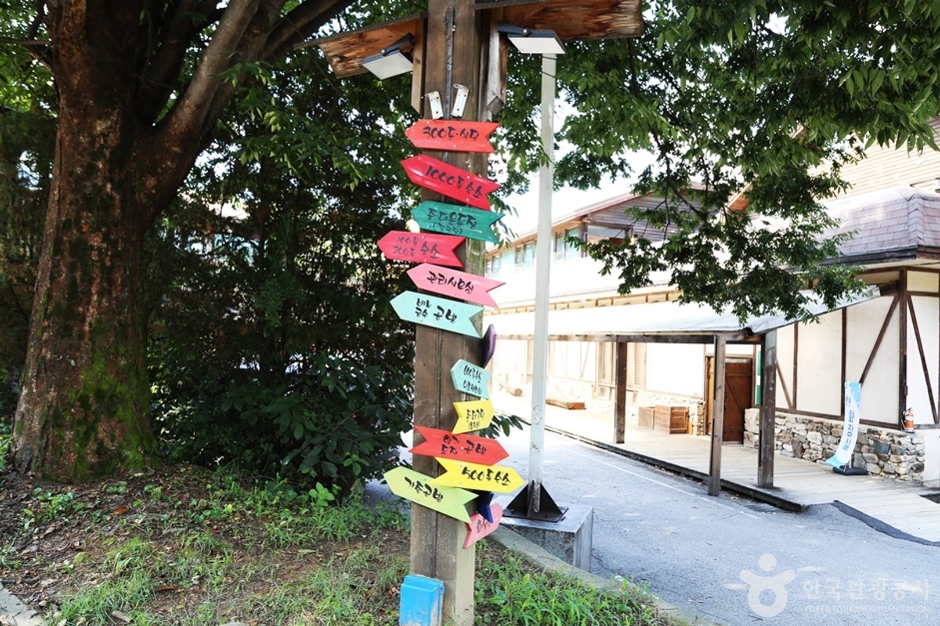
Neorigul Culture Village, nestled in a mountainous setting, offers a range of amenities such as campgrounds, pensions, and diverse cultural spaces. The term "Neorigul," derived from the local dialect of Anseong, translates to "wide valley." Within this picturesque village, visitors can explore art installations, pensions, caravans, swimming pools, a café, and an art shop. The art shop not only showcases pottery, accessories, and household items but also presents metal craftworks by Lee Kyeong-ja, a revered figure designated as an Intangible Cultural Heritage.
 English
 한국어
한국어 日本語
日本語 中文(简体)
 Deutsch
 Français
 Español
 Русский


