
Olive Young - Dasanjigeum Branch [Tax Refund Shop] (올리브영 다산지금점)
18.8Km 2024-06-28
129, Dasanjigeum-ro, Namyangju-si, Gyeonggi-do
-
![Lotte Himart - Dasan Branch [Tax Refund Shop] (롯데하이마트 다산점)](http://tong.visitkorea.or.kr/cms/resource/71/2890571_image2_1.jpg)
Lotte Himart - Dasan Branch [Tax Refund Shop] (롯데하이마트 다산점)
18.8Km 2024-04-22
2, Jingwan-ro 22beon-gil, Namyangju-si, Gyeonggi-do
-
![CheongKwanJang - Misa Gangbyeon Branch [Tax Refund Shop] (정관장 미사강변)](http://tong.visitkorea.or.kr/cms/resource/25/2889025_image2_1.jpg)
CheongKwanJang - Misa Gangbyeon Branch [Tax Refund Shop] (정관장 미사강변)
19.0Km 2024-04-18
#102, 216, Misagangbyeon-daero, Hanam-si, Gyeonggi-do
-
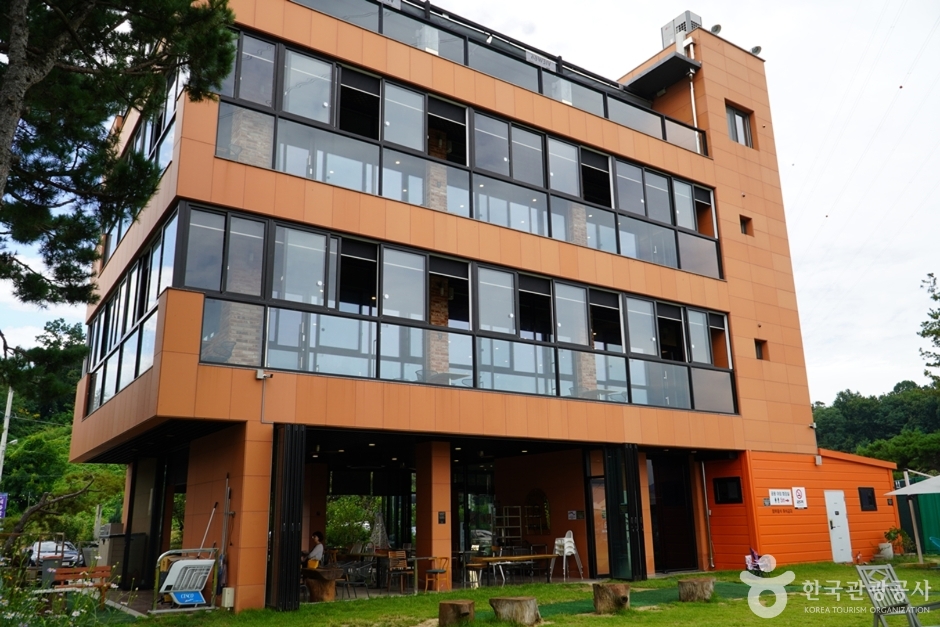
Café View 66 Miho Branch (카페 뷰66 미호점)
19.0Km 2024-02-21
66 Gangbyeonbuk-ro 632beon-gil, Namyangju-si, Gyeonggi-do
Café View 66 Miho Branch is a spacious café that boasts a panoramic view of the Hangang River. The café offers pour-over coffee, uniquely blended by the owner using home-roasted beans. Alongside their signature drinks such as the ice cream latte and matcha cream latte, they also provide a variety of bakery items.
Garden Gallery (가든갤러리)
19.2Km 2024-02-21
57-28 Gangbyeonbuk-ro 632beon-gil, Namyangju-si, Gyeonggi-do
031-566-7777
Garden Gallery is a restaurant with a spacious garden and an outdoor terrace. The ground floor operates as a drawing café and hosts one-day classes. The dining area is located on the second floor, divided between a hall and terrace seating. Guests can enjoy their meals on the terrace while taking in the beautiful scenery. Their signature dish is the Texas barbeque pork ribs.
Olive Young - Hanam Sinjang Branch [Tax Refund Shop] (올리브영 하남신장점)
19.2Km 2024-06-27
127-1, Sinjang-ro, Hanam-si, Gyeonggi-do
-
![E-Mart - Jinjeop Branch [Tax Refund Shop] (이마트 진접)](http://tong.visitkorea.or.kr/cms/resource/13/2889413_image2_1.jpg)
E-Mart - Jinjeop Branch [Tax Refund Shop] (이마트 진접)
19.4Km 2024-04-22
154, Geumgang-ro yuyeondeul 1-gil, Jinjeop-eup, Namyangju-si, Gyeonggi-do
-
Olive Young - Misa Gangbyeon Branch [Tax Refund Shop] (올리브영 미사강변점)
19.4Km 2024-06-27
1F, #108, 70, Misagangbyeon-daero, Hanam-si, Gyeonggi-do
-
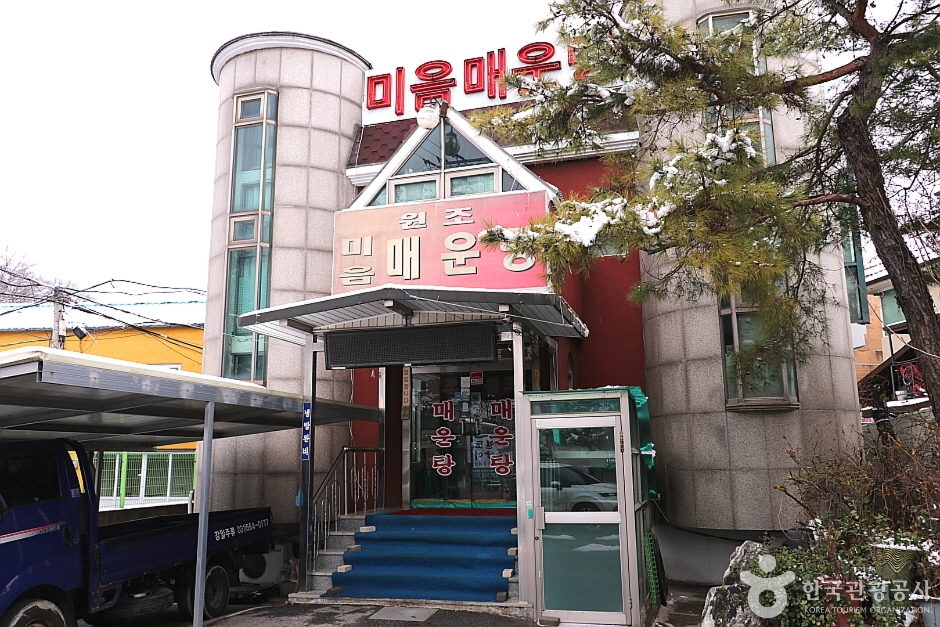
Mieum Maeuntang (미음매운탕)
19.4Km 2024-02-27
22 Gangbyeonbuk-ro 632beon-gil, Namyangju-si, Gyeonggi-do
031-566-3564
Mieum Maeuntang is a freshwater fish specialty restaurant near the Hangang River in Namyangju. Their signature dishes include megi maeuntang, a spicy catfish stew with various vegetables, as well as bungeojjim (braised crucian carp). They also offer a variety of Korean dishes like pajeon (green onion pancake), gamjajeon (potato pancake), and dotorimuk (acorn jelly salad). It's an ideal spot for a stroll along the nearby Hangang River after your meal.
Yongmunsa Temple (용문사(용문산))
19.5Km 2025-06-30
782 Yongmunsan-ro, Yangpyeong-gun, Gyeonggi-do
Yongmunsa Temple is located about 9 kilometers northeast from Yongmun Station on the Jungang line. It was built during the Silla Kingdom and reconstructed during the reign of King Sejong of the Joseon dynasty. It was badly damaged during the Korean War, but was restored and now consists of three buildings, the main hall, Daeungjeon Hall, and the bell tower. Its courtyard contains the largest ginkgo tree in Asia, which is 1,100 years old, measures 60 meters in x_height and 14 meters in circumference and is designated and protected as a Natural Monument. Legend says the great Buddhist Monk Uisang, who lived during the Silla Kingdom, stuck his staff in the earth, and the tree grew out of the simple staff.
 English
 한국어
한국어 日本語
日本語 中文(简体)
 Deutsch
 Français
 Español
 Русский


