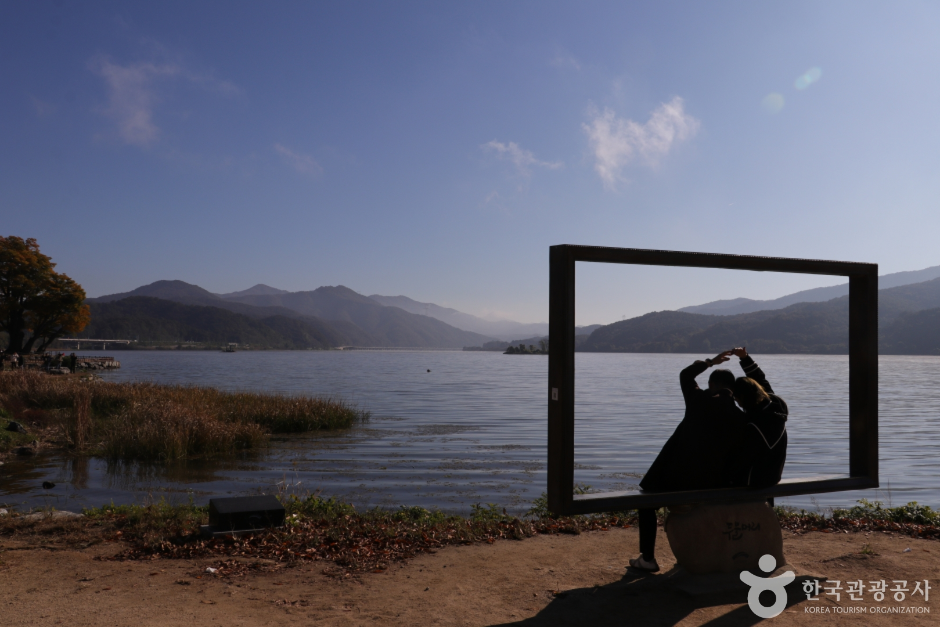
Yangpyeong Dumulmeori (양평 두물머리)
17.3Km 2025-06-18
145 Dumulmeori-gil, Yangseo-myeon, Yangpyeong-gun, Gyeonggi-do
Dumulmeori literally means "two heads of water," and refers to the place where the Bukhangang River and Namhangang River meet. The dock for an ancient-style ferry and weeping willows add to the rustic beauty of this area. Another attraction at this site is the three 400-year-old Zelkova trees that appear as one giant tree. A privately owned attraction, Dumulmeori remains a popular site for shooting Korean TV dramas, movies, commercials, wedding pictures as well as nature pictures.
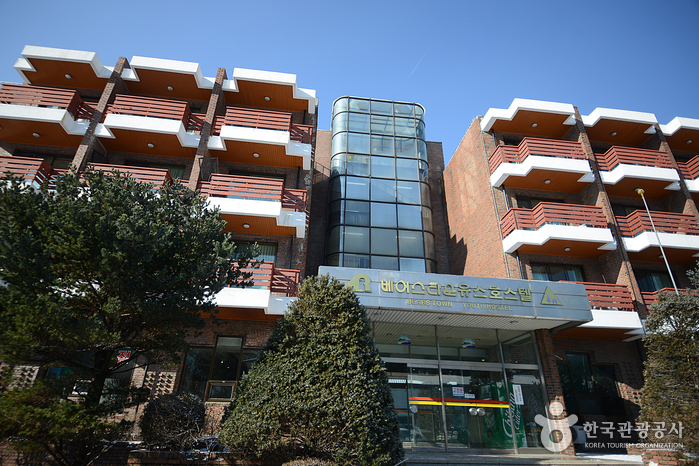
Bears Town Youth Hostel (베어스타운 유스호스텔)
17.4Km 2025-07-09
27, Geumgang-ro 2536beon-gil, Naechon-myeon, Pocheon-si, Gyeonggi-do
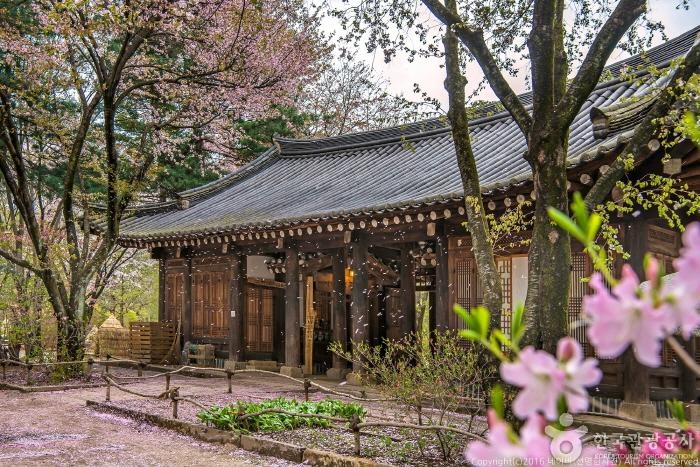
Jeong Gwan Ru (Annex Condo)(호텔정관루별관(콘도별장))
18.2Km 2024-12-13
1 , Namiseom-gil, Chuncheon-si, Gangwon-do
Jeong Gwan Ru is the only accommodation available on Nami Island, located in Chuncheon, Gangwon-do. During your stay on Nami Island, you can enjoy the starry night skies, wet fog that blankets the island in the morning, and peaceful walks around the island. Essentially, Jeong Gwan Ru consists of the main building and an annex, and the annex extending along the west bank of Nami Island consists of condo-type villas. Jeong Gwan Ru provides pickup services and has a clean zone to ensure hygiene and cleanliness.
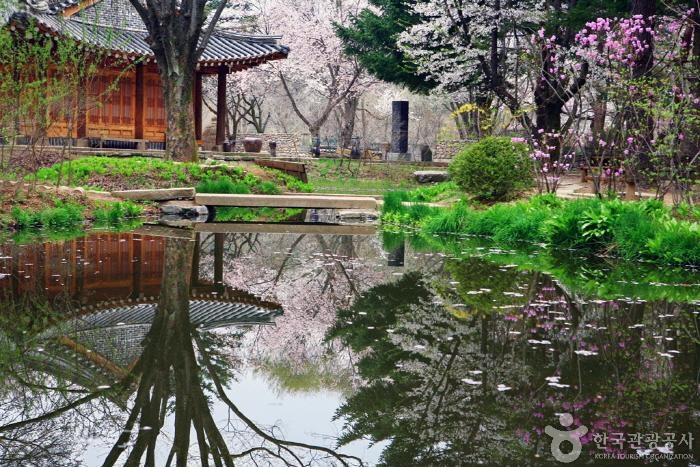
Jeong Gwan Ru (Main Condo) (호텔정관루본관)
18.2Km 2024-12-13
1 , Namiseom-gil, Chuncheon-si, Gangwon-do
Jeong Gwan Ru is the only accommodation on Nami Island in Chuncheon, Gangwon-do. During your stay on Nami Island, you can enjoy the starry night skies, wet fog that blankets the island in the morning, and peaceful walks around the island. Essentially, Jeong Gwan Ru consists of the main building and an annex. The main building, Jeong Gwan Jae, is an illustration art hotel decorated with works that have won Nami Concours awards and artworks by internationally recognized artists. There are 44 guest rooms available, among which you can choose ondol (underfloor heated) rooms or rooms with beds.

PRAUM Musical Instrument Museum (프라움악기박물관)
18.5Km 2024-02-21
756 Gyeonggang-ro, Wabu-eup, Namyangju-si, Gyeonggi-do
PRAUM Musical Instrument Museum is designed in a European style, featuring high arches and balconies. It showcases the history of music and displays various musical instruments from around the world. Visitors have the unique opportunity to play some of these instruments and listen to their sounds. Additionally, the museum hosts regular musical concerts every Wednesday.
Nami Island Zip Wire (남이섬 짚와이어)
18.8Km 2025-11-21
1024, Bukhangangbyeon-ro, Gapyeong-gun, Gyeonggi-do
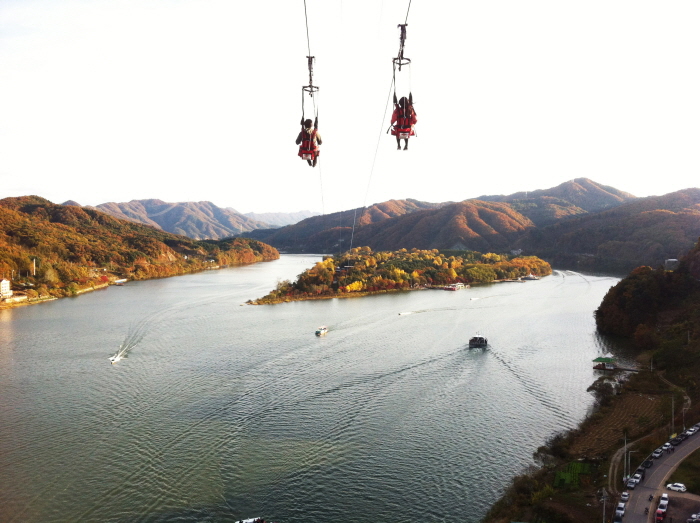
Nami Island Zip Wire is an eco-friendly leisure facility established by Gapyeong County Office in partnership with Gyeonggi Tourism Organization and Nami Island Inc. It is one of the largest zipline facilities in Asia. Riders start from an 80-meter-high tower and zoom down along a wire cable to Jarasum (640 meters) or Nami Island (940 meters).
Sanasagyegok Valley (사나사계곡)
19.5Km 2024-02-23
Yongcheon-ri, Okcheon-myeon, Yangpyeong-gun, Gyeonggi-do
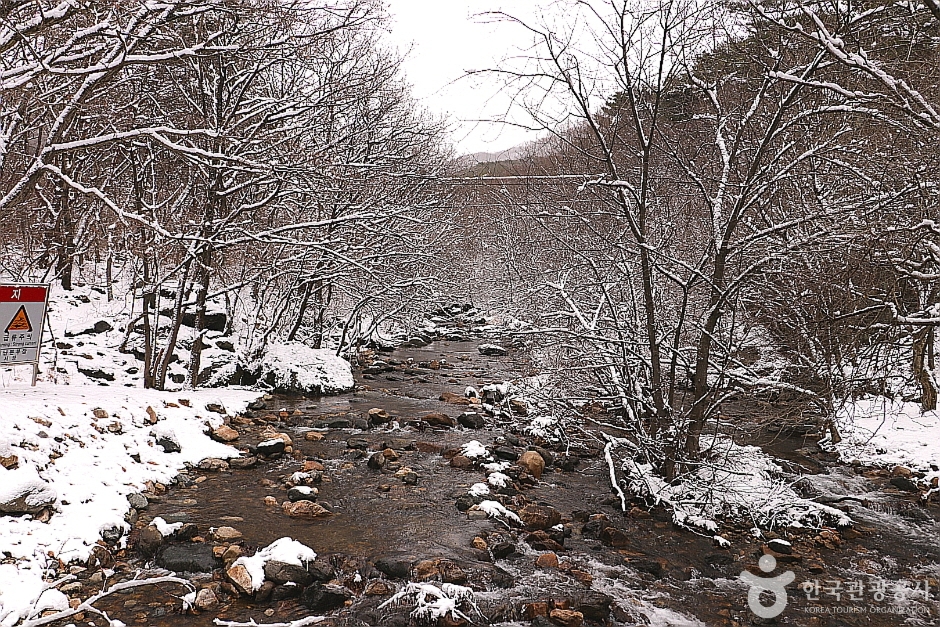
Sanasagyegok Valley, located in Yongmunsan Mountain, is characterized by its ample x_width, crystal-clear water, and abundant water volume. The thick forests and slopes of Yongmunsan Mountain offer stunning views, attracting many visitors during the summer vacation period. Approximately 100m up from the valley's entrance is Hamwanghyeol Cave, associated with the legend of Hamwang, a fierce warlord from the Goryeo dynasty. Further up, the Buddhist Sanasa Temple can be found.
Nine Forest Ewhawon (나인포레스트 이화원)
19.6Km 2021-08-13
64, Jaraseom-ro, Gapyeong-gun, Gyeonggi-do
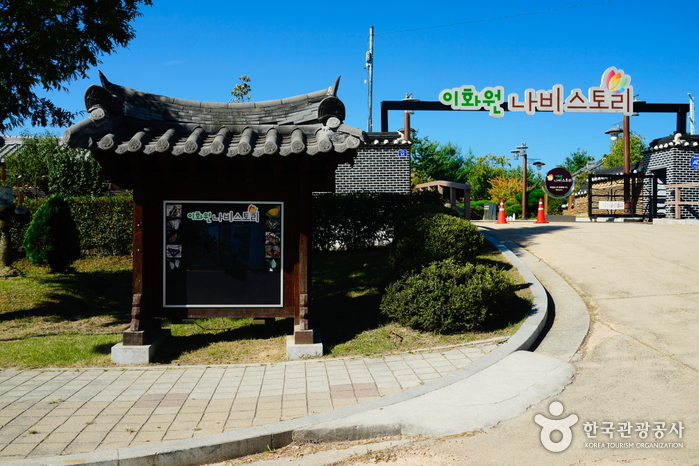
Located on Jaraseom Island, Nine Forest Ewhawon was renewed in 2015. The garden spans over an area of 33,000 square meters with a 1,090 square meter butterfly ecology center, making it the largest butterfly park in the world. The park offers live butterflies and butterfly specimens all year long through the use of a greenhouse. Visitors can look at exhibitions and learn about butterflies and plants with detailed explanations from professional guides. Jaraseom Island also offers camping sites and hosts various festivals.
Dasan Heritage Site (Namyangju) (다산유적지 (남양주))
19.6Km 2023-06-27
11, Dasan-ro 747beon-gil, Joan-myeon, Namyangju-si, Gyeonggi-do
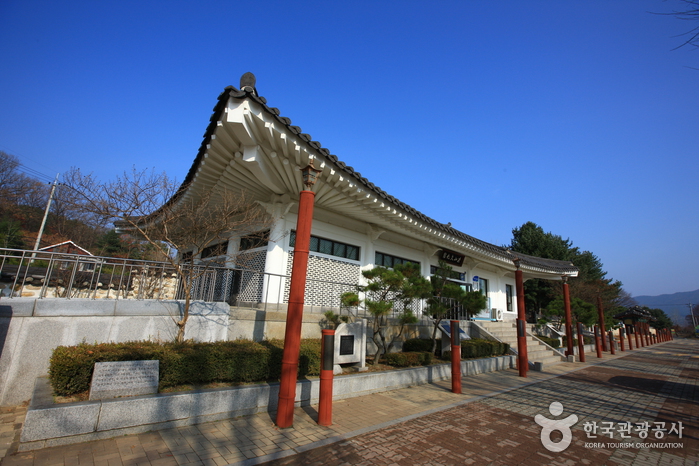
Dasan Heritage Site is located in the hometown of Dasan Jeong Yak-Yong (1762~1836), a scholar from the late Joseon Dynasty. Growing up in the village, Dasan criticized corruption, and tried to reform outdated institutions and conventions. During his long exile, Dasan authored "Mongminsimseo" (a book on how to rule the people) and "Gyeongseyupo" (a book on how to reform land policies, stabilize people's lives, and strengthen the nation and its army) among others. Today, Dasan is regarded as one of the greatest scholars of Silhak (Realist school of Confucianism) of the late Joseon dynasty.
At Dasan Heritage Site, Dasan's birthplace, Yeoyudang, grave and works are well preserved. Dasan Memorial showcases the scholar's achievements and footprints such as Geojunggi, a traditional equipment used to lift heavy objects in the Suwon Fortress construction, and the miniature Gangjin Dasan Chodang, where he lived in exile. Dasan Cultural Center houses Dasan's numerous writings and books.
Saneum National Recreational Forest (국립 산음자연휴양림)
19.8Km 2022-12-21
347, Gobuk-gil, Yangpyeong-gun, Gyeonggi-do
Saneum National Recreational Forest is located in Danwol-myeon in Yangpyeong. It opened on January 1, 2000 and can accommodate up to 2,000 visitors a day. The park's name "saneum" means "mountain shade," a name given for its geographical location where it is surrounded by other mountains on all sides. The park's lush forest is home to diverse species of wildlife and the valley boasts spectacular views.
 English
 한국어
한국어 日本語
日本語 中文(简体)
 Deutsch
 Français
 Español
 Русский


