
Sono Belle Cheonan Ocean Adventure (소노벨 천안 오션어드벤처)
6.1Km 2024-06-05
200 Jonghaphyuyangji-ro, Seongnam-myeon, Dongnam-gu, Cheonan-si, Chungcheongnam-do
Sono Belle Cheonan Ocean Adventure is an expansive water park attached to the Sono Belle Cheonan resort. Inspired by renowned historical sites found in Rome, Venice, and Spain, the park delivers a unique thematic experience. The facility is divided into three main areas: the indoor zone, the outdoor zone, and the hot springs section, providing entertainment and relaxation for all seasons. Guests can enjoy a variety of thrilling rides, including the Tornado Pool, Speed Racing, Body Bowl Slide, Wild Extreme River, and the Viking Tower.
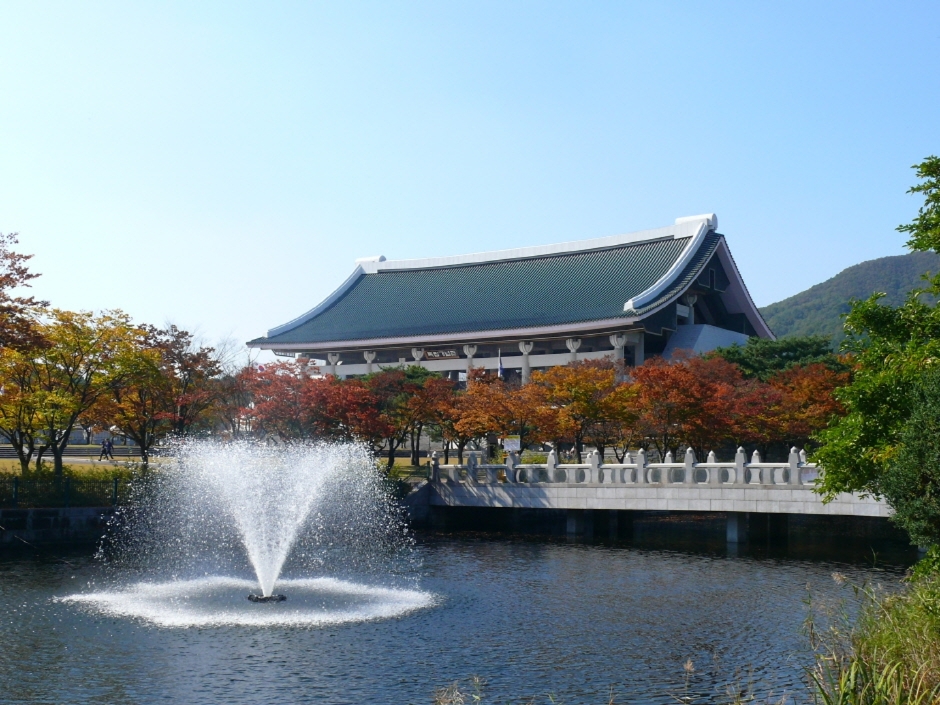
The Independence Hall of Korea (독립기념관)
7.5Km 2025-10-23
1, Dongnipginyeomgwan-ro, Dongnam-gu, Cheonan-si, Chungcheongnam-do
The Independence Hall of Korea collects, preserves, displays, and researches Korean historical documents and relics from the past to the present, focusing on the independence movements during the Japanese colonial period. The Independence Hall officially opened on the anniversary of Independence Day in 1987 thanks to donations from the public.
Unjusanseong Fortress (운주산성)
7.6Km 2021-08-31
Migok-ri, Sejong-si
+82-44-300-3423
Unjusanseong Fortress, also known as Gosansanseong Fortress, is a cultural heritage of the Baekje dynasty. This is a mountain fortress built along the surrounding three mountain peaks in the westernmost and southernmost parts of Unjusan Mountain. The stone fortress wall, which borders three villages in Jeondong-myeon and two villages in Jeonui-myeon, is 3,210 meters long and two meters wide with a x_height that ranges from two to eight meters. The walls follow the natural geographical features of the mountain range, with the southern walls surrounding the mountain's peak.
Remnants of a village can still be observed within the fortress walls, such as the fortress gate and a ritual site. Pieces of earthenware from the Baekje period, porcelain from the Goryeo and Joseon periods, and broken tiles from the Baekje, Goryeo and Joseon periods have been discovered around the site as well.
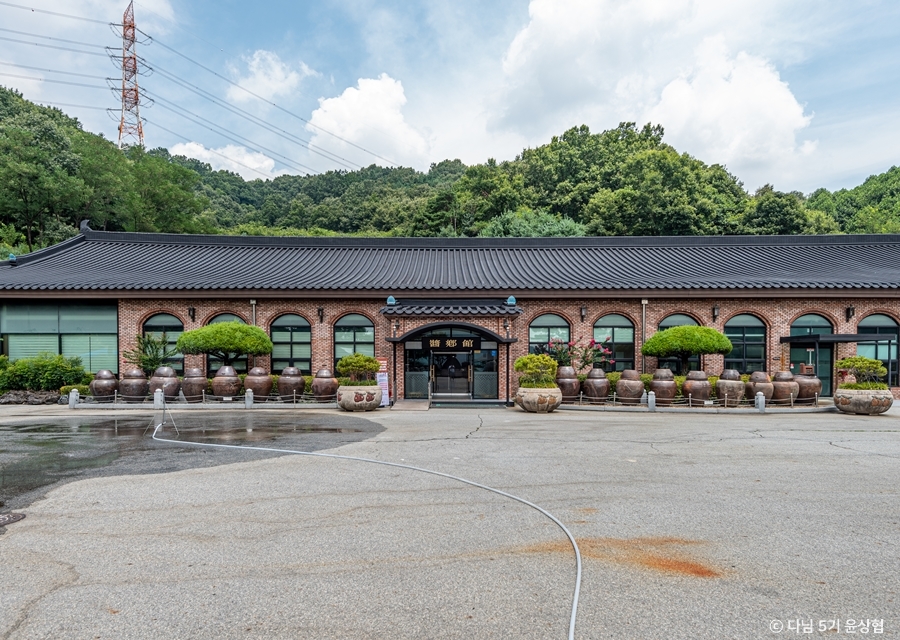
Sejong Traditional Paste Museum (세종전통장류박물관)
7.7Km 2025-05-20
90-43 Baeil-gil, Jeondong-myeon, Sejong-si
The Sejong Traditional Paste Museum highlights Korea’s traditional sauce culture, featuring staples like soybean paste, red chili paste, and soy sauce. Its garden, with over 1,000 pots, is a standout attraction. The museum includes indoor exhibition halls, an outdoor exhibit area, a fermentation experience center, a Korean restaurant specializing in fermented sauces, and a paste shop. Visitors can participate in activities such as making grain soap shaped like meju (fermented soybean blocks) or creating their own fermented pastes. In November, visitors can also observe the process of making soybean paste and red chili paste.
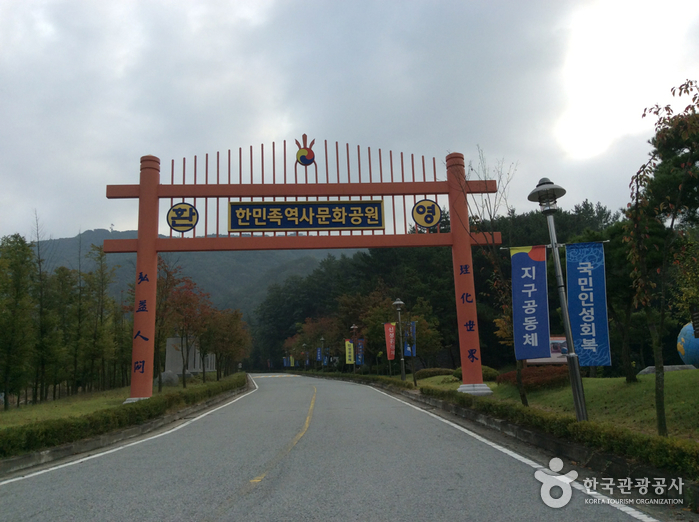
Korea History and Culture Park (한민족역사문화공원)
10.0Km 2025-01-08
284-88, Gyocheonjisan-gil, Dongnam-gu, Cheonan-si, Chungcheongnam-do
+82-41-620-6700
The Korea History and Culture Park is located in one of the most relaxing places on earth.The park is based on Korea's creation myth with many sculptures and exhibitions about the Korean people's history and culture. Among the statues are important religious and philosophical figures who taught and promoted peace on earth.
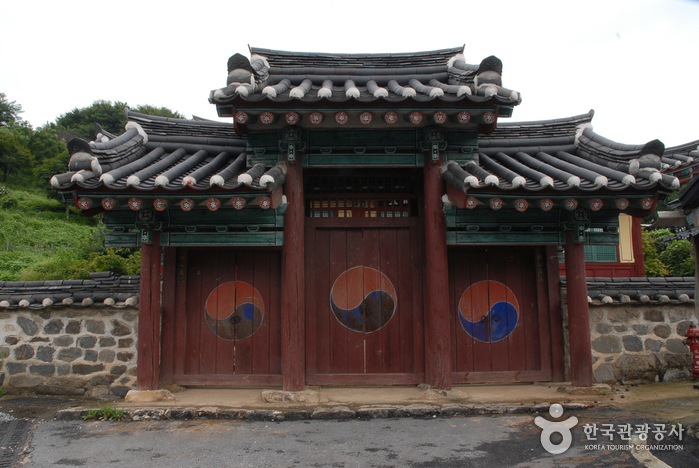
Jeonuihyanggyo Confucian School (전의향교)
10.3Km 2025-05-20
5-18, Bukchon 1-gil, Sejong-si
+82-44-211-4022
Jeonuihyanggyo Confucian School is thought to have been built in 1413 during the 13th year of King Taejong’s reign. The school features a simple spatial arrangement with only Myeongnyundang and Daeseongjeon Study Halls, each with three gates in the front. Outside the western wall of Myeongnyundang Hall is Sujiksa Temple.
Several books - Jaeimnok, Seonan, several texts on rituals, and Eojeyuneum (1782-1783), which was published in 1782 (6th year of King Jeongjo’s reign) and 1783, have been found at Jeonui Hyanggyo.
Gayeongdang, Cheongju (가영당)
10.4Km 2024-12-23
71-54 , Miraeji-ro, Cheongwon-gu, Cheongju-si, Chungcheongbuk-do
+82-43-233-9966
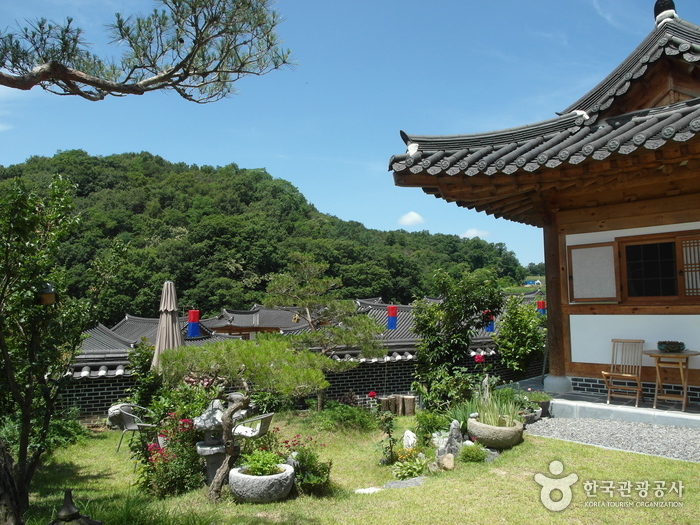
Gayeongdang is a hanok stay in Ochang Hanok Village ( part of Ochang Miraeji Agricultural Theme Park) in Cheongju-si, Chungcheongbuk-do. The hanok was built by flower-tea master Kim Byeong-hee, using only Korean pinewood - and the rich pine scent still fills the rooms. The rooms are all ondol style. Guests staying in the main building have access to a living room and tea room, while guests in the annexe can enjoy barbecues in the yard. Visitors can talke part in a tea ceremony and enjoy flower tea and sweets while conversing with the master. The hanok can also be rented as a space for seminars, small concerts, and weddings.
Yeongok Valley (연곡계곡)
12.8Km 2024-05-28
Sanggye-ri, Jincheon-eup, Jincheon-gun, Chungcheongbuk-do
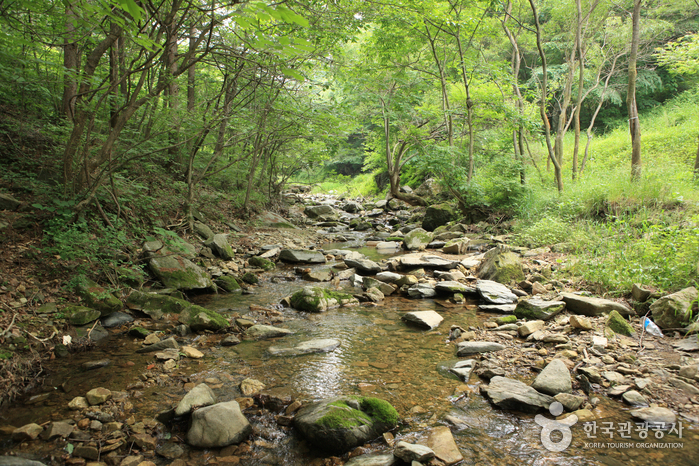
Yeongok Valley, situated south of Malloesan Mountain in Jincheon, is adjacent to a picturesque lake formed by damming the Seongamcheon Stream. This verdant, forested valley, with its clear water sounds, birdsongs, and refreshing breeze, offers a serene escape, perfect for cooling both body and mind during the summer. Additionally, nearby shops and restaurants, pensions, and Malloesan Ecological Park provide further opportunities for exploration and enjoyment.
![Homeplus - Cheonan Branch [Tax Refund Shop] (홈플러스 천안)](http://tong.visitkorea.or.kr/cms/resource/84/2883184_image2_1.jpg)
Homeplus - Cheonan Branch [Tax Refund Shop] (홈플러스 천안)
12.8Km 2024-04-19
574, Cheonan-daero, Dongnam-gu, Cheonan-si, Chungcheongnam-do
-
Sejong Singwangsa Temple (신광사 (세종))
13.0Km 2025-05-20
24, Togolgogae-gil, Sejong-si
+82-44-865-5601
Singwangsa Temple is located on Nojeoksan Mountain. It is estimated to have been built 160 years ago, and renovated in 1920 by head monk Lee Gyeong-jik. The temple, originally called Togoljeol or Suryangsa, was renamed Singwangsa by monk Hyewon in 1980. Visitors will discover that this temple is filled with youthful energy. Although the temple has a short history, its location near Hongik University Sejong Campus has helped the temple become popular among college students.
 English
 한국어
한국어 日本語
日本語 中文(简体)
 Deutsch
 Français
 Español
 Русский


