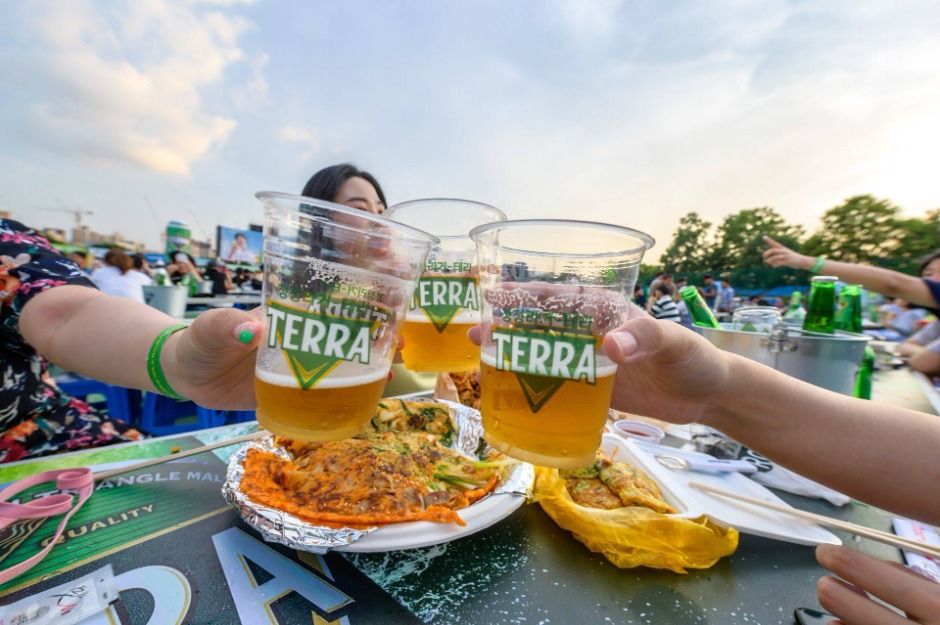
Jeonju Gamaek Festival (전주 가맥축제)
18.0Km 2025-07-17
303 Cheonjam-ro, Wansan-gu, Jeonju-si, Jeonbuk-do
+82-70-8870-6870
The nation's only festival where one can taste Hite beer fresh out of the factory on the same day. Jeonju Gamaek Festival is a festival where the locals' favorite drinking bars and the Korean beer brand Hite collaborate to beat the summer heat and make an unforgettable evening with fresh, cold beer.

Uniqlo - Jeonju Hyoja Branch [Tax Refund Shop] (유니클로 전주효자점)
18.1Km 2024-04-22
1713, Kongjwipatjwi-ro, Wansan-gu, Jeonju-si, Jeollabuk-do
-
Korea Expressway Corporation Arboretum (한국도로공사 전주수목원)
18.6Km 2025-07-22
462-45 Beonyeong-ro, Deokjin-gu, Jeonju-si, Jeonbuk-do
The Korea Expressway Corporation Arboretum is located in Jeonju and operated by Korea Expressway Corporation. The arboretum was opened to counterbalance the environmental damage caused by the construction of expressways. As such, the arboretum maintains and promotes the conservation of many beautiful flora from across the country.
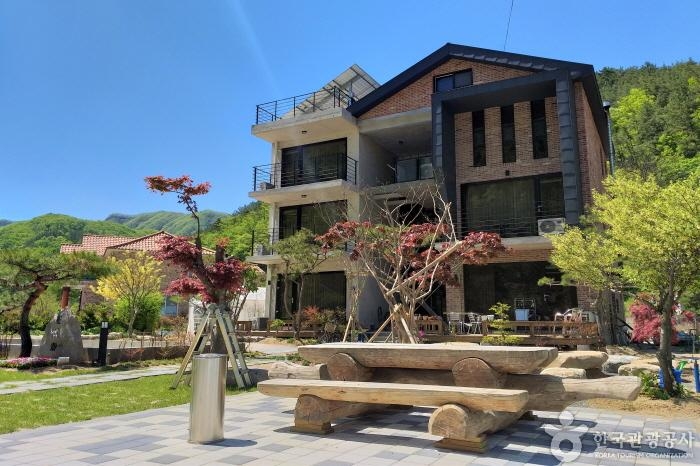
Yeolimjae Pension (여림재펜션)
18.9Km 2024-12-13
96 , Jungnimpyeonbaek-gil, Wanju-gun, Jeonbuk-do
+82-10-8375-0258
Yeolimjae Pension is a newly built modern three-story pension located in Wanju, Jeollabuk-do. The pension has five guest rooms, ranging from couple rooms for two people to family rooms. Each room comes with a bathroom, a kitchen, and a private terrace. From the terrace, you can enjoy a cup of tea while taking in the mountain scenery. The garden includes an outdoor swimming pool and a picnic table adjacent to it. Be sure to check the availability of the barbecue area in advance since it differs from room to room. Nearby tourist attractions include Sanggwan Cypress Forest, Jeonju Hanok Village, and Ongnyeobong Peak Valley.
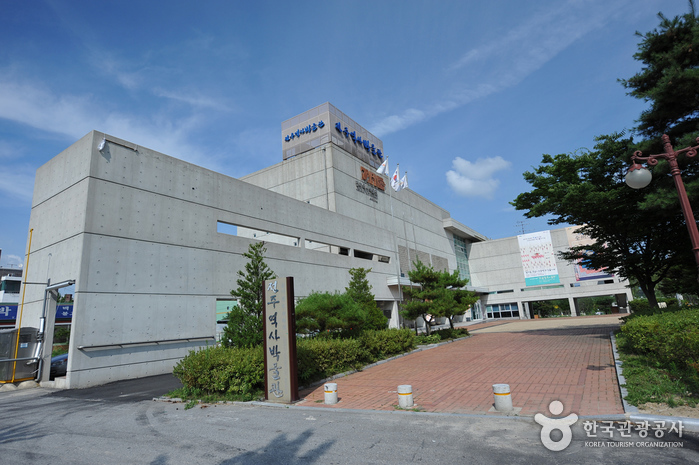
Jeonju Museum of History (전주역사박물관)
19.0Km 2024-04-06
259, Ssukgogae-ro, Wansan-gu, Jeonju-si, Jeonbuk-do
+82-63-228-6485
The Jeonju History Museum exhibits the long and fascinating history of Korea. The museum is divided into different exhibits, providing visitors with cultural history with emphasis on Jeonju history.
![Archaeological Site in Wanggung-ri [UNESCO World Heritage] (익산 왕궁리유적 [유네스코 세계문화유산])](http://tong.visitkorea.or.kr/cms/resource/97/2514197_image2_1.jpg)
Archaeological Site in Wanggung-ri [UNESCO World Heritage] (익산 왕궁리유적 [유네스코 세계문화유산])
19.2Km 2024-04-07
666, Gungseong-ro, Iksan-si, Jeonbuk-do
+82-63-859-4631
Archaeological Site in Wanggung-ri, designated as Historic Site No. 408 on September 17, 1998, has a surface area of 216,862 square meters. The site has various structures and artifacts from Baekje dynasty to unified Silla period. Artifacts were found within the rectangular-shaped fortress site that surrounds Wanggungri Five-story Stone Pagoda, National Treasure No. 289.
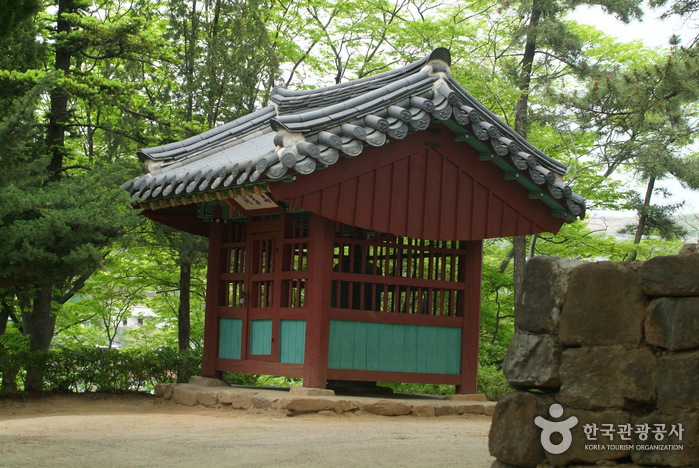
Samcheok Cheokjudonghaebi & Pyeongsutochanbi Monuments (삼척 척주동해비 및 평수토찬비)
19.3Km 2023-04-18
13-7, Heomok-gil, Samcheok-si, Gangwon-do
+82-33-859-5708
Erected by Heo Mok, the governor of Samcheok during the second year of King Hyeonjeong's reign (1661), Cheokjudonghaebi Monument is 170 centimeters tall. It was originally built to protect the village on Mallido Island that had been frequently inundated by heavy rain and rough waves. It is believed that the mystical inscription, penned by Heo Mok, on the monument calmed the rough sea waves. Today, the monument stands to prove the wisdom and distinguished penmanship of the former Samcheok City Governor.
Pyeongsutochan-bi Monument is 145 centimeters tall. It was erected by Heo Mok's successor and former governor of Samcheok, Jung Un-cheol, in reverence for his wise forebear. The monument contains
48 ancient Chinese characters that describe many achievements of Heo Mok.
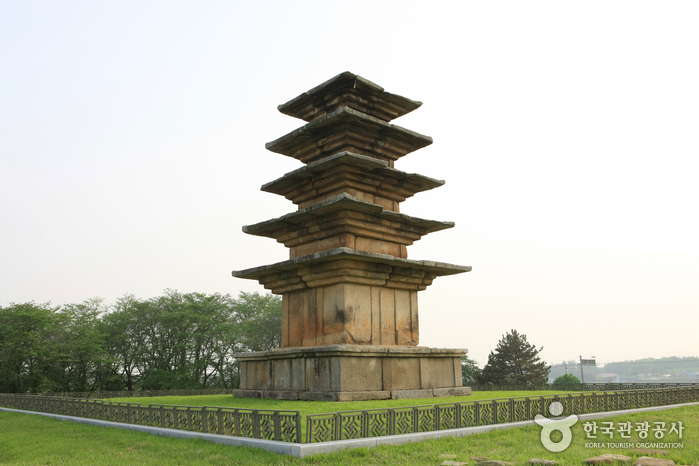
Wanggung Five-story Stone Pagoda (익산 왕궁리 오층석탑)
19.3Km 2024-04-07
San 80-1, Wanggung-ri, Wanggung-myeon, Iksan-si, Jeonbuk-do
+82-63-859-5708
The Wanggung Five-story Stone Pagoda is located on a hill about 2 kilometers south of Wanggung-myeon in Iksan, which is believed to have been the capital of the nation during the Mahan Era. The pagoda stands tall at 8.5 meters and was officially designated as a National Treasure. Relics from the Goryeo dynasty that were found inside the pagoda were designated as a National Treasure and are currently housed in the National Museum of Korea. Of the excavated relics, the most famous; the Sarijangeomgu, a magnificent container of Buddha’s Sarira; the green glass Sarira bottle topped with a lotus-shaped stopper; and the Sungeumgeumganggyeongpan, which contains the 19 golden plates of the Diamond Sutra.
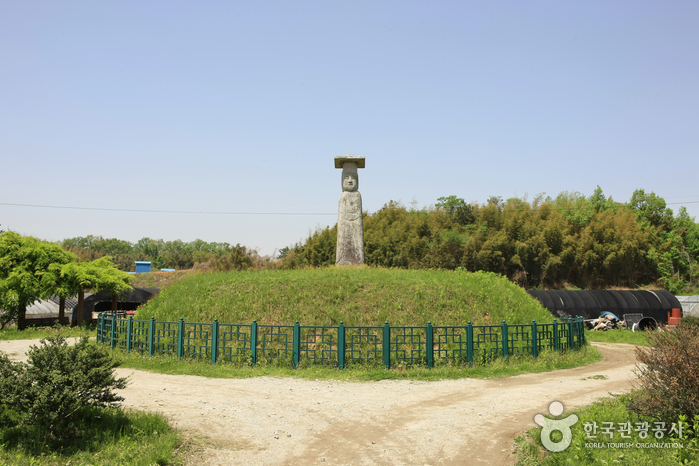
Iksan Godori Standing Stone Buddha (익산 고도리 석조여래입상)
19.8Km 2024-04-07
Donggodo-ri, Geumma-myeon, Iksan-si, Jeonbuk-do
+82-63-859-5792
Iksan Godori Standing Stone Buddha is Treasure No. 46. The two Buddha statues (each measuring 424 cm) stand face-to-face at a distance of 200 meters apart and tell the story of an eternal, but unrequited love.
According to legend, the two Buddhas (one male, one female) are lovers that can only meet for one night in the twelfth month of the lunar calendar. After the sunset on that special day, the lovers are allowed to meet, but must return to their respective positions before the rooster crows at dawn.
The two statues are very representative of the Goryeo era, which produced many stone statues with minimal expression of the physical body. True to the era, each Buddha has almost no curves and is depicted with plain clothing and barely distinguishable arms.
On their heads, the Buddhas wear a crown topped with another square hat. With their square faces, small eyes, pug noses, and small lips, the Buddhas are reminiscent of guardian deities typically placed at the entrance of villages.
Doejae Catholic Church (되재성당)
19.8Km 2024-04-07
477 , Seungchi-ro, Wanju-gun, Jeonbuk-do
Doejae Catholic Church, built in 1895, is the second Catholic church to be completed after Yakhyeon Catholic Church in Seoul and is known as the first Hanok Catholic church. The building was completely destroyed during the Korean War and was restored in 2008. The name 'Doejae' refers to a pass located in Seungchi-ri, Hwasa-myeon, Wanju-gun. Doejae Catholic Church is unique in that it has an entrance for each toenmaru. The left side is for men and the right side is for women. In addition, the gates of children, middle-aged, and elderly are classified according to the funeral will.
 English
 한국어
한국어 日本語
日本語 中文(简体)
 Deutsch
 Français
 Español
 Русский


