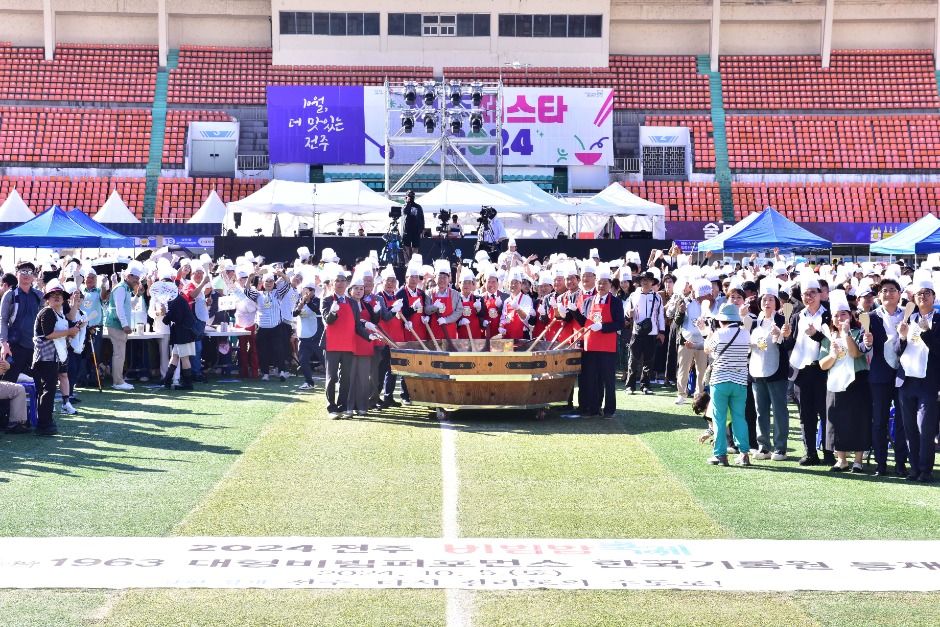
Jeonju Bibimbap Festival (전주비빔밥축제)
12.3Km 2025-10-23
1055 Girin-daero, Deokjin-gu, Jeonju-si, Jeonbuk-do
+82-63-214-1365
The Jeonju Bibimbap Festival celebrates the taste and charm of one of Korea's representative foods in the city of it's origin, Jeonju. The city has been recognized by UNESCO as a City of Gastronomy, and the festival promotes this branding. Visitors to the festival can enjoy a variety of immersive programs, including hadns-on activities and performances centered on Jeonju bibimbap.
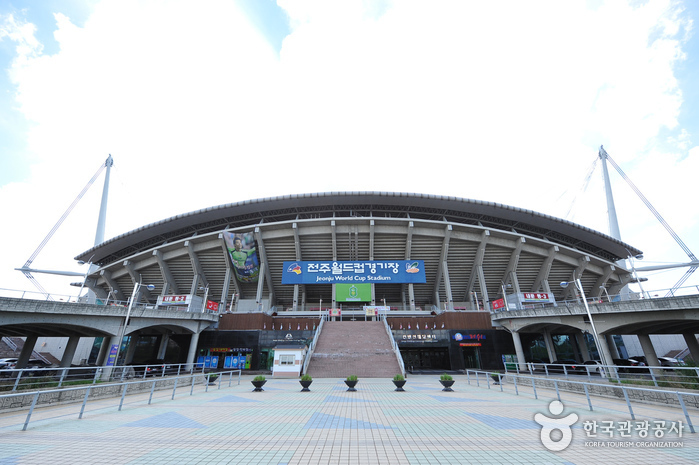
Jeonju World Cup Stadium (전주월드컵경기장)
12.5Km 2024-04-07
1055, Girin-daero, Deokjin-gu, Jeonju-si, Jeonbuk-do
The Jeonju World Cup Stadium was built with tradition in mind as its roof and stands are designed with an image of traditional fan, the pillars in sotdae design and cables in 12 strings of gayageum.
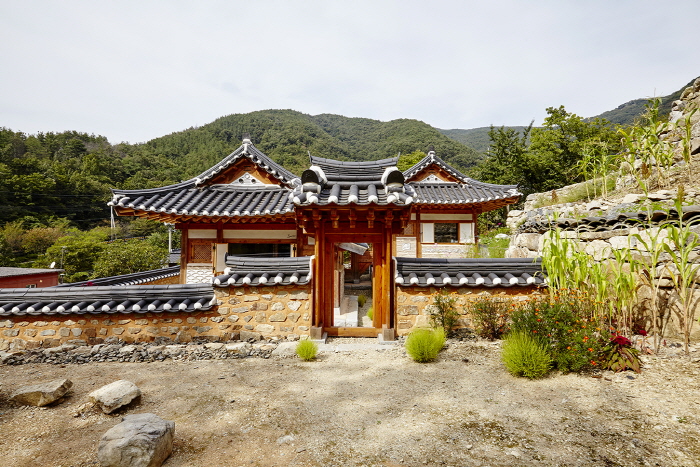
NocWoonJae (녹운재)
12.8Km 2024-12-23
472-18 , Songgwangsuman-ro, Wanju-gun, Jeonbuk-do
Nokwoonjae is a guest hanok in Oseong Hanok Village, Wanju-gun, Jeollabuk-do. It comprises two houses built on sloping land - Naunchae above and Unahchae below - with a corridor connecting the two. All rooms are built of timber and red clay - beneficial to both mind and body - and have large windows to let you enjoy natural views and breezes.Toast, jam, and milk are provided for breakfast, and self-catering is possible. Sagunja painting and tea ceremony experiences are offered, while local visitor destinations include Songgwangsa Temple, Wibongsa Temple, the 60m Wibong Falls (one of Wanseon’s ‘Eight Splended Views’) and Jeonju Hanok Village.
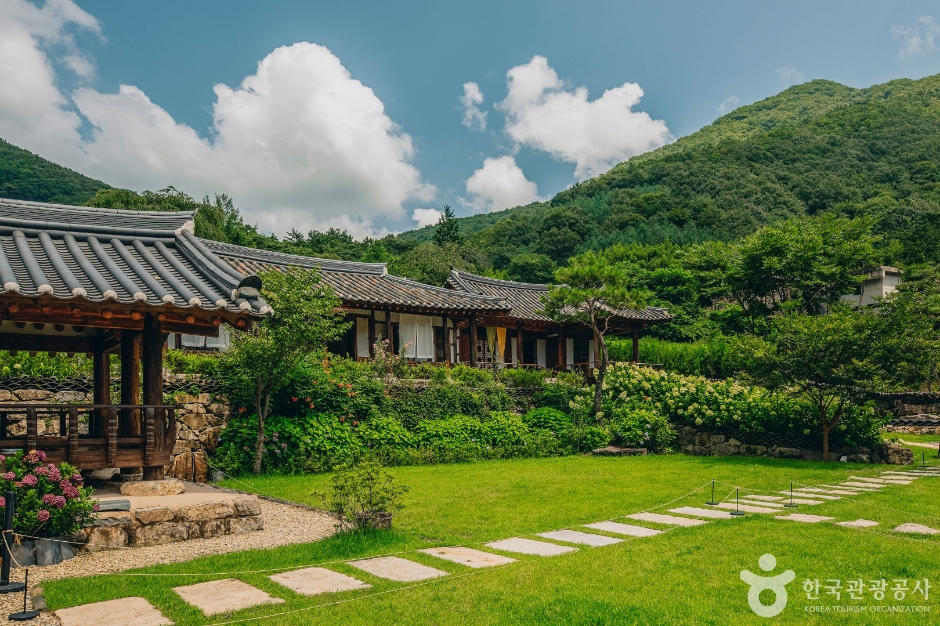
Soyang Hanok Stay (소양고택 한옥스테이)
12.8Km 2024-12-13
472-23 , Songgwangsuman-ro, Wanju-gun, Jeonbuk-do
Located in Wanju, Jeollabuk-do, Soyang House was renovated as a hanok stay in 2010 following the relocation of three 180-year-old hanok houses in danger of demolition. Seohyeondang is furnished with a red clay ondol room equipped with a bathroom and a space for a tea ceremony, and Gahuidang has a cypress bathtub in the bathroom. In Jewoldang, the daecheong (wooden-floored hall) offers an excellent view of the mountain in front of the hanok, while in Hyeondang, the numaru (balcony-like raised veranda) provides a panoramic view of the entire premises. Breakfast and welcome tea are provided as a complimentary service, but cooking is prohibited. Nearby tourist attractions include Songgwangsa Temple and Oseong Reservoir.

O Sung Hanok Village (오성한옥마을)
12.9Km 2024-04-07
Daeheung-ri, Wangju-gun, Jeonbuk-do
Nestled between Jongnamsan Mountain and Wibongsan Mountain, O Sung Hanok Village has hanok mansion and approximately 20 hanok buildings consisting of cafes, galleries and more. The village also has various experience programs including forest walking trail that provides tradtional and cultural insights. The attraction is also known to visitors for its peaceful setting, bringing in visitors wanting to relax and meditate. Many artists who resides in the village offers gallery views, cafe, bookstore and more. In 2019, BTS stayed in the village for one week to shoot "BTS 2019 SUMMER PACKAGE" music videos and magazine photos. The village consistantly attracts ARMY and regular visitors.
Gwisinsa Temple - Gimje (귀신사 - 김제)
13.1Km 2024-04-07
40, Cheongdo 6-gil, Gimje-si, Jeonbuk-do
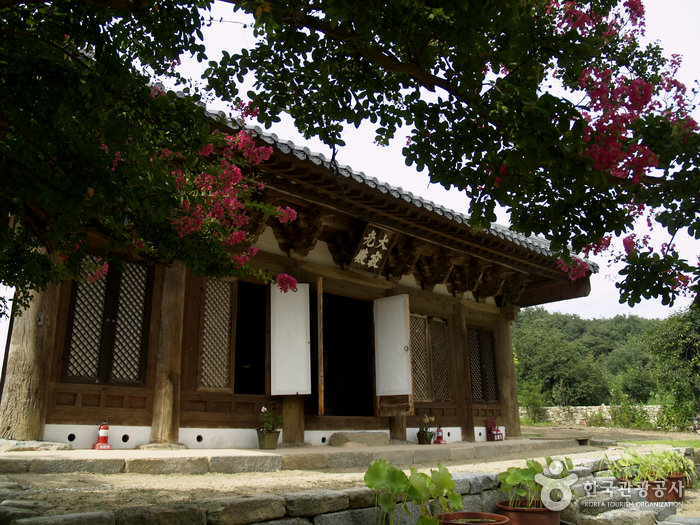
Gwisinsa, located in Cheongdo Village, Geumsan-myeon, Gimje-si, is now a temple of the Jogye Order, but once belonged to the Haweom Order. The temple is widely believed to have been established by the great monk Uisang Daesa during the 16th year of King Munmu (676). However, some experts site the existence of the Namgeunseok stone animal sculpture as proof that the temple was originally the private temple of King Beop of the Baekje Kingdom.
Throughout history, the temple has had many names—Guksinsa, Gwisinsa, Gusunsa, and Gwisinsa (same English spelling, different meaning)—but not much is known about when the temple was called by which name. On the temple grounds are a 3-story stone pagoda and some stone sculptures including seoksu (animal statues) and budo (a stupa in honor of a great master). Inside the temple are Daejeokgwangjeon Hall (Treasure No.826), Myeongbujeon Hall, and Gongyangjib Chamber (a chamber for Buddhist offerings).
Korea Expressway Corporation Arboretum (한국도로공사 전주수목원)
13.4Km 2025-07-22
462-45 Beonyeong-ro, Deokjin-gu, Jeonju-si, Jeonbuk-do
The Korea Expressway Corporation Arboretum is located in Jeonju and operated by Korea Expressway Corporation. The arboretum was opened to counterbalance the environmental damage caused by the construction of expressways. As such, the arboretum maintains and promotes the conservation of many beautiful flora from across the country.
Moaksan Provincial Park (모악산 도립공원)
13.8Km 2024-04-07
Moak 15-gil, Geumsan-myeon, Gimje-si, Jeonbuk-do
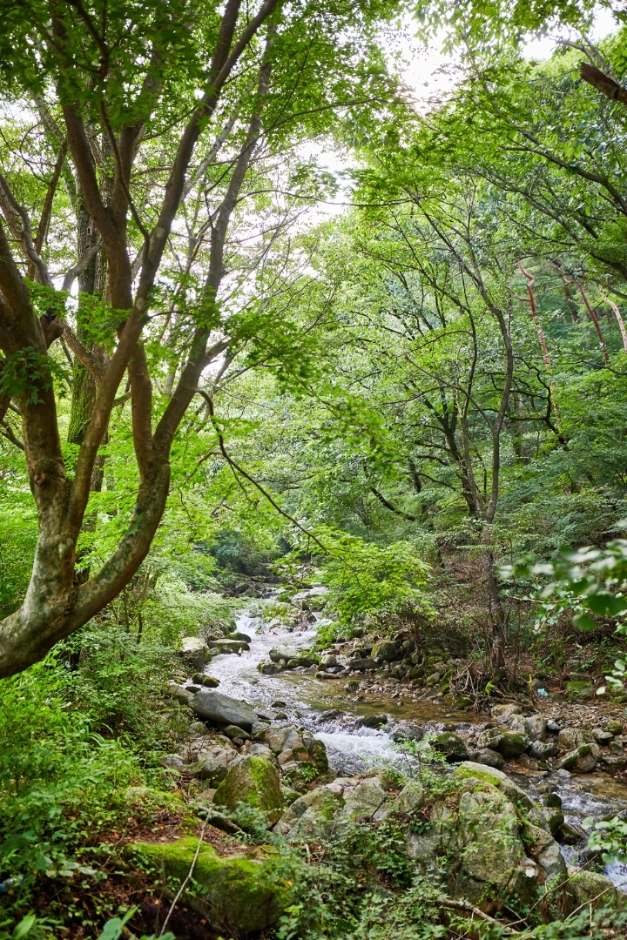
Moaksan Mountain, embracing Geumsansa Temple, Gwisinsa Temple, Suwangsa Temple, and Daewonsa Temple, is 795.2 meters high and stands tall on the east side of the Gimje Plains, offering a panoramic view of the Honam Plains. It was designated as a provincial park in 1971 and is one of the four scenic views in the southern region, with outstanding scenery and many cultural properties, including national treasures. In particular, Geumsansa Temple, built in the first year of King Beop of Baekje (599) and with about ten major cultural properties, is located here, where you can see splendid Buddhist art. If you cross Moaksan Mountain, there are temples such as Daewonsa Temple and Suwangsa Temple on the southeastern slope. Gwisinsa Temple is on the west side. Geumpyeong Reservoir, located near the Geumsansa Temple entrance, is also a suitable fishing spot.
Moaksan Mountain has been considered the home of the Maitreya beliefs since ancient times, and along with the headquarters of Jeungsangyo, it also attracted attention as a gathering place for various new religions in the 30s and 40s. According to records, as many as 80 temples are at the foot of Moaksan Mountain. To hike, leave Geumsansa Temple and climb along the ridge behind Simwonam Hermitage. In spring, azaleas are in full bloom all the way to the top. From the summit, the Gimje Plains and the Mangyeonggang River come into view, as well as Jeonju and Unjangsan Mountain. The cherry blossom tunnel from the parking lot to Iljumun Gate is also spectacular.
Gimje Geumsansa Temple (금산사(김제))
14.0Km 2024-04-07
1 Moak 15-gil, Geumsan-myeon, Gimje-si, Jeonbuk-do
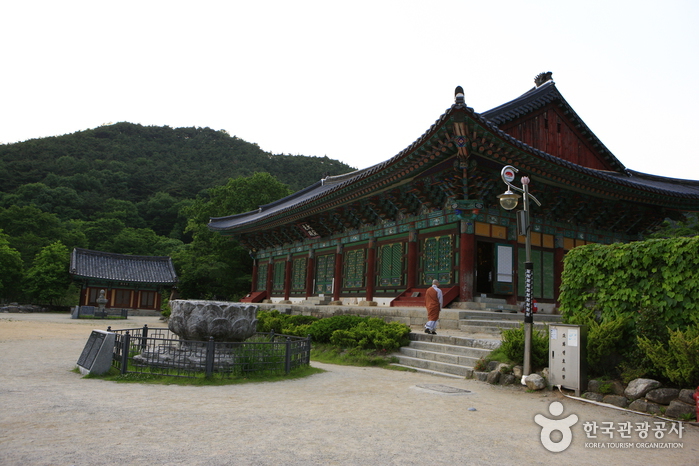
Geumsansa Temple, which stands tall at the entrance to Moaksan Provincial Park, was founded in the first year of King Beop of Baekje (599). It was rebuilt by Jinpyo in 776, leading to the appearance of a great temple. The precinct has about ten designated cultural heritages, including the Mireukjeon Hall, which is designated as a National Treasure. Many other annexed buildings make it one of the best ancient temples in the southern region. The wooden Mireukjeon Hall is Korea's only three-story Buddhist temple with a full-story interior. In spring, many tourists visit to see the spectacular sight of cherry blossom trees stretching from the mountain entrance to Geumsansa Temple. Even in the middle of winter, believers come to visit the Maitreya Bodhisattva statue in Mireukjeon Hall, bowing or circling the pagoda. The Maitreya Bodhisattva statue in Mireukjeon Hall is considered the world's largest indoor standing Buddha statue. Among the three Buddha statues, the middle Maitreya Bodhisattva statue is 11.82 meters tall, and the left and right Buddha statues are 8.8 meters tall. Various cultural events are held at the 1400th Anniversary Memorial Hall, built in 1999.
* Major cultural properties: Mireukjeon Hall (National Treasure), Stone Pillar (Treasure), Stone Lotus Pedestal (Treasure), Stele for Royal Preceptor Hyedeok at Geumsansa Temple (Treasure), Five-story Stone Pagoda of Geumsansa Temple (Treasure), Bangdeung Stairs at Geumsansa Temple (Treasure), Hexagonal Multi-story Stone Pagoda of Geumsansa Temple (Treasure), Flagpole Supports of Geumsansa Temple (Treasure), Three-story Stone Pagoda at Simwonam Hermitage of Geumsansa Temple (Treasure), Daejangjeon Hall of Geumsansa Temple (Treasure), and Stone Lantern of Geumsansa Temple (Treasure)
Wibongsa Temple - Wanju (위봉사 (완주))
14.1Km 2024-04-07
53, Wibong-gil, Wanju-gun, Jeonbuk-do
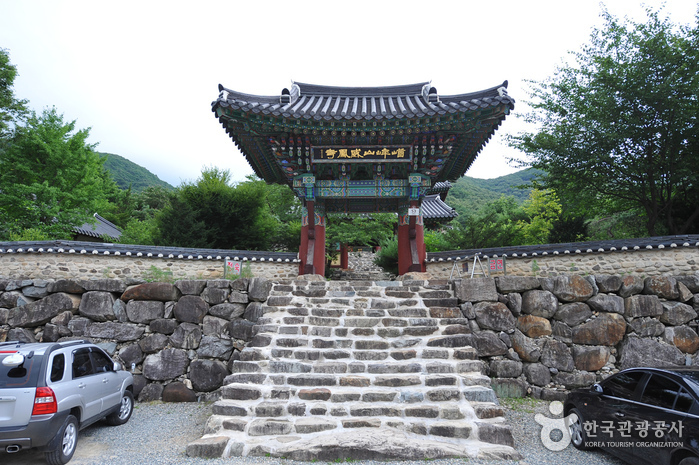
Wibongsa Temple is located past Mujigaemun Gate (Rainbow Gate) and Wibong Village and is a major temple in the Honam region that once oversaw 52 branch temples. Said to be built by Monk Seoam in 604 (the 5th year of King Mu of Baekje), the surviving buildings date back to the Joseon Era. Today, only Bogwangmyeongjeon Hall (Treasure No. 608), Yosa (Provincial Cultural Asset No. 698), and Samseonggak remain. The Baeguigwaneumbosal wall painting in particular is the pride of the temple.
 English
 한국어
한국어 日本語
日本語 中文(简体)
 Deutsch
 Français
 Español
 Русский


