Fine day (좋은날)
2.4Km 2024-12-23
37-7 , Jeondongseongdang-gil, Wansan-gu, Jeonju-si, Jeonbuk-do
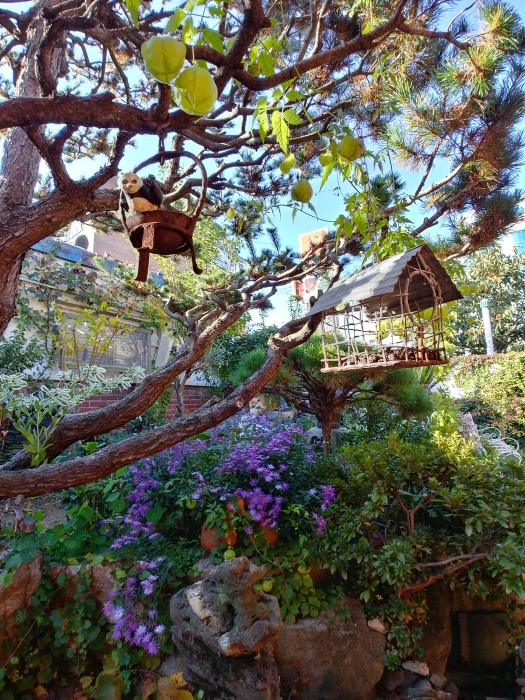
A Fine Day is a hanok stay on Jeondong Cathedral Street, Jeonju, Jeollabuk-do, which combines hanok tradition with modern convenience. The wood floor and red clay-lined walls and ceilings are a pleasure to wake up to. The rooms are well heated and have toilets, shower booths and bidets. From the wooden porch guests can enjoy a beautiful sunny garden planted with wildflowers and trees. Nearby attractions include Gyeonggijeon, Omokdae, Jeondong Cathedral and Nambu Market (great for food!).

Jaman Mural Village (자만벽화마을)
2.4Km 2024-04-07
1-10, Jamandong 1-gil, Wansan-gu, Jeonju-si, Jeonbuk-do
Jaman Mural Village is located in the ridge between Omokdae and Imokdae along the foot of Seungamsan Mountain’s Jungbawi Rock. Jeonju Hanok Village is also visible from the wide street. Although it is a fairly steep walk up to Jaman Village, visitors will be able to enjoy colorful murals painted on the buildings and walls along the way.
Omokdae and Imokdae Historic Sites (오목대와 이목대)
2.4Km 2025-07-22
55 Girin-daero, Wansan-gu, Jeonju-si, Jeonbuk-do
Omokdae Historic Site is located on top of a steep hill and is one of the places where Yi Seong-gye, who later became King Taejo, the first king of the Joseon dynasty, stopped to celebrate his victory on his way home from a war against the Japanese army at Unbong Peak of Hwangsan Mountain. Across the bridge from Omokdae is Imokdae Historic Site, situated at the foot of Seungamsan Mountain. Approximately 80 meters downhill from Imokdae are memorial stones and a building where Mokjo, the great-great-grandfather of King Taejo, once used to live. The engraved letters on the stones are the handwritings of Emperor Gojong. Mokjo moved to Hamgyeongdo as a result of a dispute with the then minister of Jeonju, an incident which King Taejo believed to have laid the foundation for him to shape the Joseon dynasty.
Jeonju hanok house (전주 한옥숙박체험관)
2.4Km 2024-08-05
56-1 , Eunhaeng-ro, Wansan-gu, Jeonju-si, Jeonbuk-do
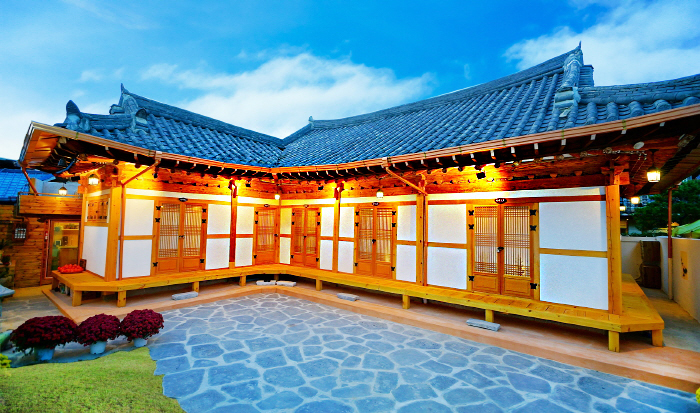
Jeonju Hanok stands at the end of a quiet alley off Eunhaeng-ro in the center of Jeonju Hanok Village, and so is a good base for exploring the village. All guest rooms are ondol-heated and have a loft space that’s popular with children. Water purifiers are installed, and a breakfast of toast, fruit and tea or coffee is provided. The outdoor yard has a table where visitors can relax in good weather.
Royal Portrait Museum (어진박물관)
2.4Km 2024-04-07
44, Taejo-ro, Wansan-gu, Jeonju-si, Jeonbuk-do
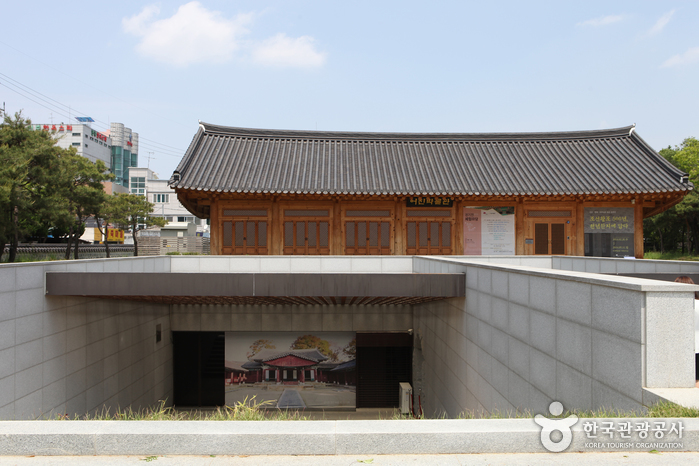
Opened on November 6, 2010, the Royal Portrait Museum is one of the newest attractions of Jeonju, located within the Gyeonggijeon Shrine. Royal Portrait Museum is a valuable museum as a new tourism resource of Jeonju as well as Gyeonggijeon Shrine and the Portrait of King Taejo, as well as other various high-class exhibitions to preserve, manage, and enhance the glorious cultural assets of Joseon royal family. The museum is comprised of one above-ground level and one underground level with an area of 1,193.71 square meters. The Portrait of King Taejo and six other king’s portraits (Portrait of King Sejong, King Yeongjo, King Jeongjo, King Cheoljong, King Gojong, and King Sunjong) are exhibited on the first floor. The portraits are preserved in temperature- and humidity-controlled cases. In addition, the museum houses History Hall, Palanquin Hall, a planned exhibition hall, resting area, management office and storage room for relics. Palanquin Hall exhibits Hyangjeong (Palanquin for Incense Burner and Case), Sinyeon (Palanquin for Royal Portrait and Palanquin for Mortuary Tablet), Chaeyeo (Palanquin for High Officials), Gagyo (Palanquin for Ritual Items) featuring Korea’s sole preserved palanquin. History Hall houses approximately 80 relices related to Gyeonggijeon Shrine and Jogyeong Shrine, ancestral ritual ceremony, building, and others relics. Since the museum's opening, it makes continual efforts to become a central place for Jeonju residents to fulfill their cultural feelings. The museum operates various program like exploring famous historic sites in Gyeonggijeon Shrine, hands-on programs such as a guard experience to protect the shrine, and duplicating Gyeonggijeon Shrine’s relics using traditional portrait-making techniques.
Han Kook Jib (한국집)
2.5Km 2024-12-26
119, Eojin-gil, Wansan-gu, Jeonju-si, Jeonbuk-do
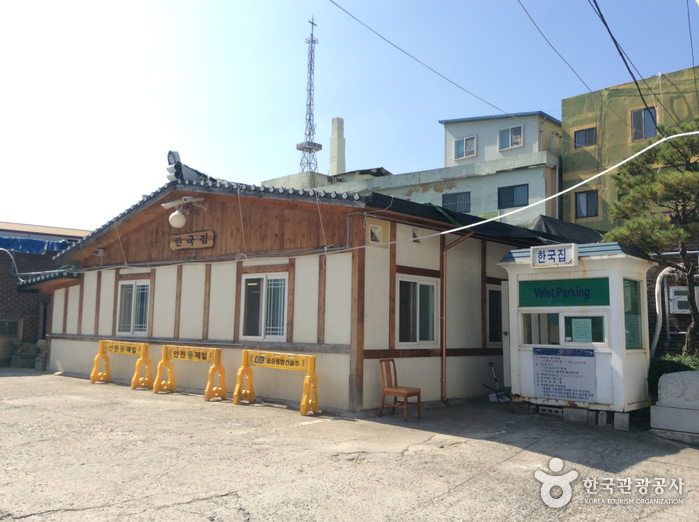
Opened in 1952, Han Kook Jib has upheld its tradition for three generations. It is housed in a renovated hanok with a beautiful courtyard. Han Kook Jib is conveniently located near major tourist sites in Jeonju, such as Jeonju Hanok Village and Gyeonggijeon Shrine.
Jeonju Pungpaejigwan Guesthouse (전주 풍패지관 (전주객사))
2.5Km 2024-05-27
59 Chunggyeong-ro, Wansan-gu, Jeonju-si, Jeonbuk-do
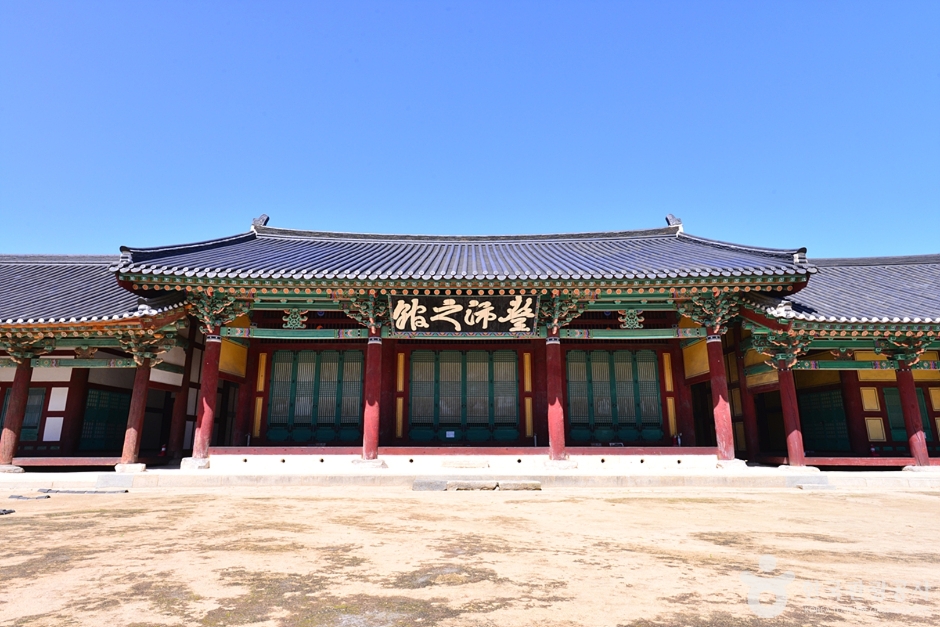
During the Joseon dynasty, officials and envoys visiting Jeonju stayed here. Today, it is open for anyone to see. The long and spacious maru (wooden central space) is open to the public, making it a comfortable resting place for citizens and tourists. Located in downtown Jeonju, it is easy to find and close to Jeonju Hanok Village.
Jeonjuhyanggyo Local Confucian School (전주향교)
2.5Km 2025-07-22
139 Hyanggyo-gil, Wansan-gu, Jeonju-si, Jeonbuk-do
Jeonjuhyanggyo is a local Confucian school that was established during the Joseon dynasty (1392-1910) and is a designated Historic Treasure. This was a national education center during the Joseon period. The school was originally located at the Gyeonggijeon Shrine site, but was relocated in 1603. The mortuary tablets of seven Chinese Confucian scholars and 18 Korean scholars are enshrined in the main building of Daeseongjeon Hall. The site is popular for its 400-year-old ginkgo tree in the front yard, and is the most beautiful in fall.
2521 (이오이일)
2.5Km 2025-07-18
5-19 Omokdae-gil, Wansan-gu, Jeonju-si, Jeonbuk-do
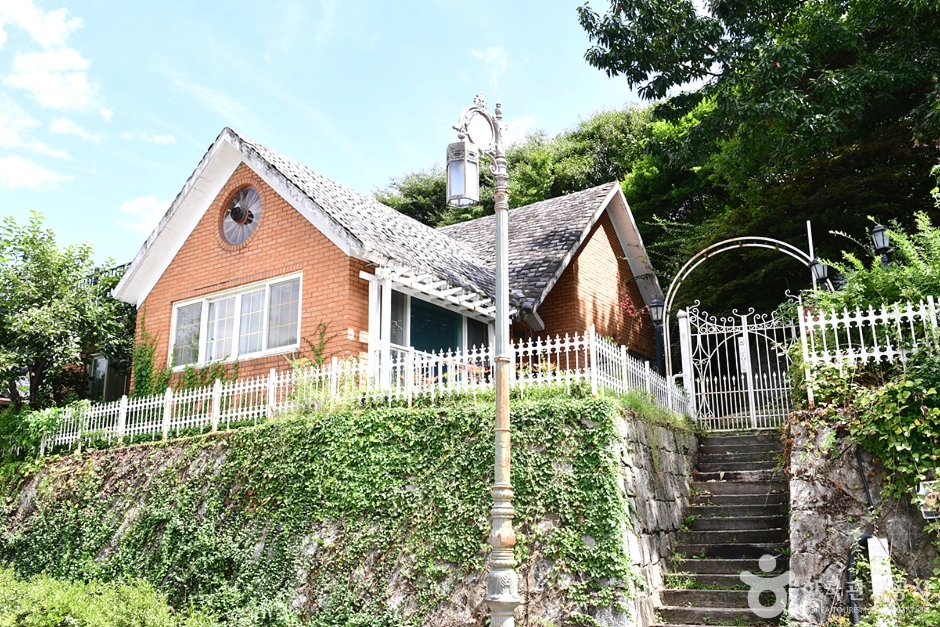
2521, pronounced yi-o-yi-il in Korean, a private guesthouse located in Jeonju Hanok Village. It was made popular as Na Hee-do's house in the drama "Twenty-Five, Twenty-One (2022)." Upon booking, the owner will set the scene just like from the drama. Guests can enjoy a barbeque party at the yard and the view of the hanok village from the rooftop. The guesthouse can accommodate up to eight guests.
Jeonju Hanbyuk Cultural Center (전주한벽문화관)
2.5Km 2024-04-06
20 Jeonjucheondong-ro, Wansan-gu, Jeonju-si, Jeonbuk-do
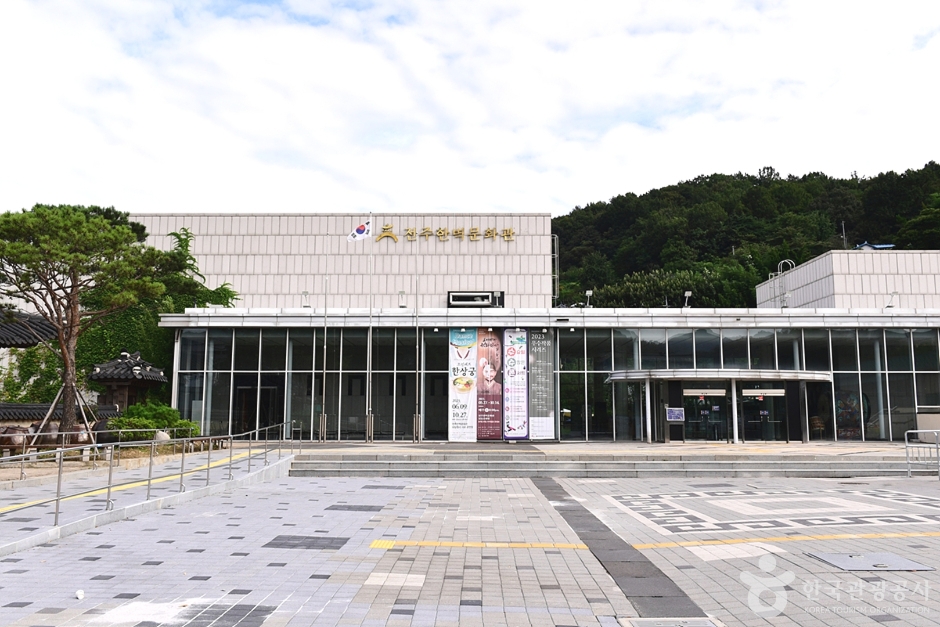
Jeonju Hanbyuk Cultural Center is a complex cultural space for performances and exhibitions located in Jeonju Hanok Village. Visitors can see Jeonju Madang Changgeuk and the "FANTASIE" series of performing arts, which is a genre-neutral performance of Eastern and Western works. The exhibition room displays paintings, sculptures, and engravings. The center provides traditional cultural experience programs, such as traditional food cooking, hanji (traditional Korean paper) crafts, tea ceremonies, and folk paintings. Traditional weddings are also available in the center.
 English
 한국어
한국어 日本語
日本語 中文(简体)
 Deutsch
 Français
 Español
 Русский


