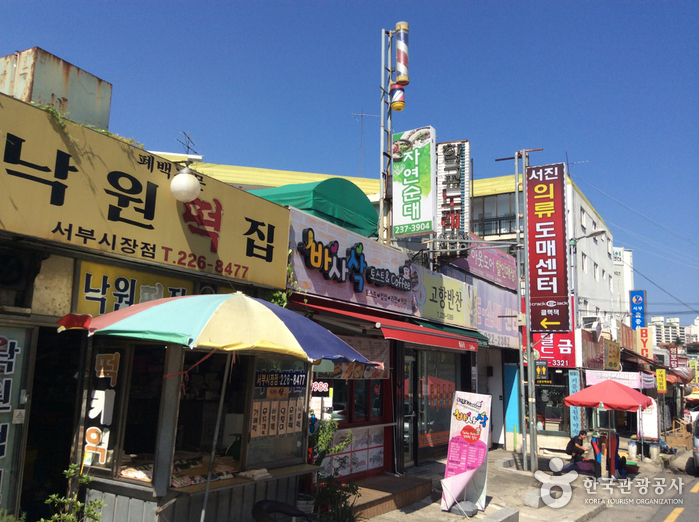
Jeonju Seobu Market (전주 서부시장)
2.8Km 2025-07-18
18 Hyodong 2-gil, Wansan-gu, Jeonju-si, Jeonbuk-do
Jeonju Seobu Market is the only market in Jeonju's western area and sells fresh vegetables, fruits and other wholesale products supplied directly from farmlands in Wanju-gun and Gimje. In addition to food products, the market also sells clothing and general supplies. It occasionally holds event, festivals, and singing contests, encouraging the the community to get together.
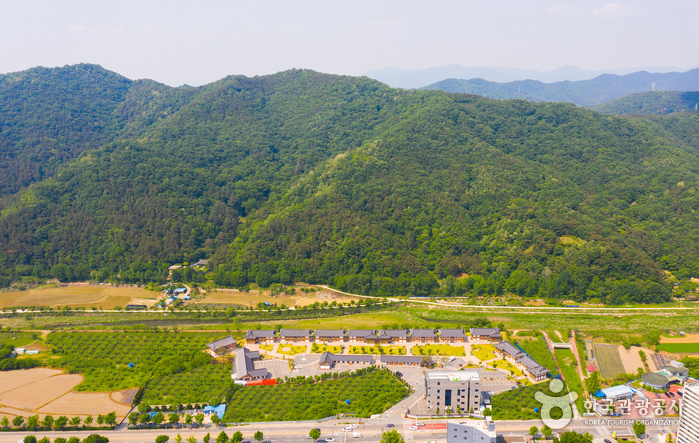
Taejogwan of the Royal Room (왕의지밀 태조관)
2.9Km 2024-12-23
5218-26 , Chunhyang-ro, Wansan-gu, Jeonju-si, Jeonbuk-do
Located in Jeonju, Wangui Jimil Taejogwan (‘Royal Room of King Taejo’) in Jeonju, Jeollabuk-do, is a hanok hotel combining hanok style with modern facilities - one of a group of hotels named after Joseon kings. The hotel has four bedrooms. The Gold and Silver rooms are equipped with a king-size bed and a jacuzzi, have paintings and embroideries on the wall, and (in the case of Gold) exposed timbers. The scenery beyond the windows is calm and beautiful. The hotel offers a hanok cafe and a place for group gatherings. Gyeonggijeon Shrine, with its portrait of King Taejo, and Jeonju Hanok Village are nearby.
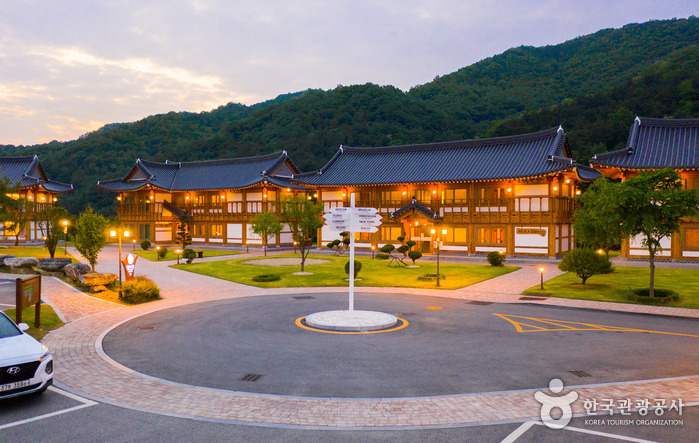
Taejonggwan of the Royal Room (왕의지밀 태종관)
2.9Km 2024-12-23
5218-24 , Chunhyang-ro, Wansan-gu, Jeonju-si, Jeonbuk-do
Wangui Jimil Taejonggwan (‘Royal Room of King Taejong’) in Jeonju, Jeollabuk-do, is a hotel that combines hanok style with the modern convenience - one of a group of hotels named after Joseon kings. There are a total of six rooms with exposed beams, paintings on the walls and traditional furniture, plus bathrooms and toilets; and the scenery beyond the large windows adds to the charm. Additional facilities include a hanok cafe, a restaurant and a convention center. Guests can reach anywhere in Jeonju Hanok Village in about 10 minutes by car.
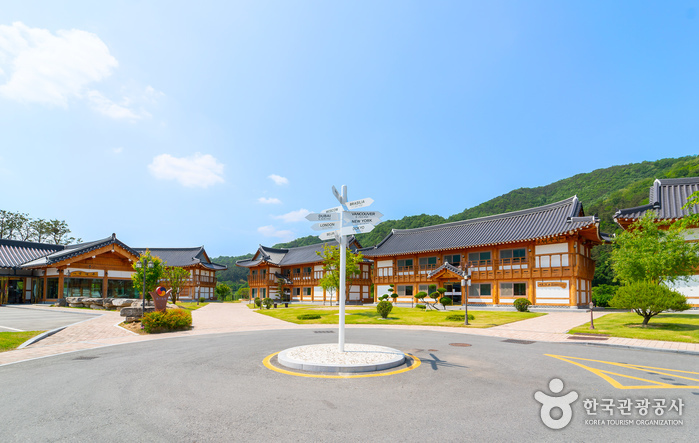
Sejonggwan of the Royal Room (왕의지밀 세종관)
2.9Km 2024-12-23
5218-22 , Chunhyang-ro, Wansan-gu, Jeonju-si, Jeonbuk-do
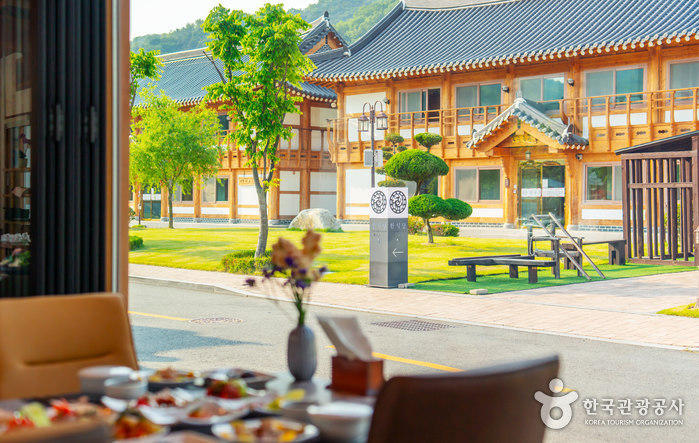
Wangui Jimil Sejonggwan (Royal Room of King Sejong) in Jeonju, Jeollabuk-do, is a hotel that combines hanok style with modern convenience - one of a group of hotels named after Joseon kings. There are eight guestrooms, divided into Gold and Silver class, and all equipped with bathrooms and toilets. Rooms have exposed beams and traditional furniture, and the scenic views and chirping of insects beyond the large windows add to the charm. Additional facilities include a hanok cafe, a restaurant, and a convention center. Guests can reach anywhere in Jeonju Hanok Village in about 10 minutes by car.
Munjonggwan of the Royal Room (왕의지밀 문종관)
2.9Km 2024-12-23
5218-20 , Chunhyang-ro, Wansan-gu, Jeonju-si, Jeonbuk-do
Wangui Jimil Moonjonggwan (‘Royal Room of King Munjong’) in Jeonju, Jeollabuk-do, is a hotel that combines hanok style with modern convenience - one of a group of hotels named after Joseon kings. There are eight guestrooms, divided into Gold and Silver class, and all equipped with bathrooms and toilets. Rooms have exposed beams and traditional furniture, and the scenic views and chirping of insects beyond the large windows add to the charm. Additional facilities include a hanok cafe, a restaurant, and a convention center. Guests can reach anywhere in Jeonju Hanok Village in about 10 minutes by car.
Sejogwan of the Royal Room (왕의지밀 세조관)
3.0Km 2024-12-23
5218-18 , Chunhyang-ro, Wansan-gu, Jeonju-si, Jeonbuk-do
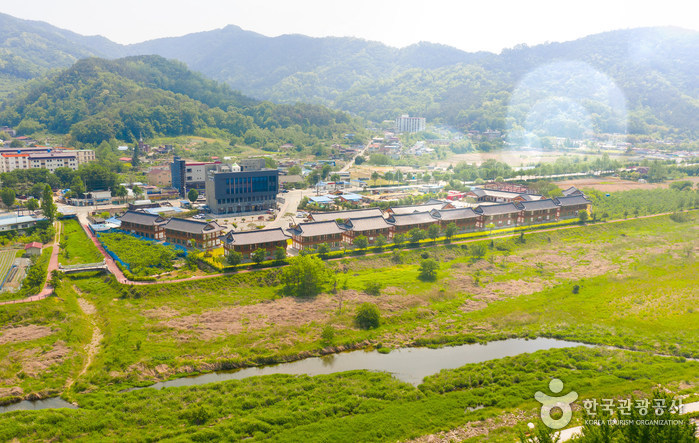
Wangui Jimil Sejogwan (‘Royal Room of King Sejo’) in Jeonju, Jeollabuk-do, is a hotel that combines hanok style with modern facilities - one of a group of hotels named after Joseon kings. There are six rooms, divided into Gold and Silver class, and all equipped with bathrooms and toilets. Rooms have exposed beams and traditional furniture, and the scenic views and chirping of insects beyond the large windows add to the charm. Additional facilities include a hanok cafe, a restaurant, and a convention center. Guests can reach anywhere in Jeonju Hanok Village in about 10 minutes by car.
Gojonggwan of the Royal Room (왕의지밀 고종관)
3.0Km 2024-12-23
5218-18 , Chunhyang-ro, Wansan-gu, Jeonju-si, Jeonbuk-do
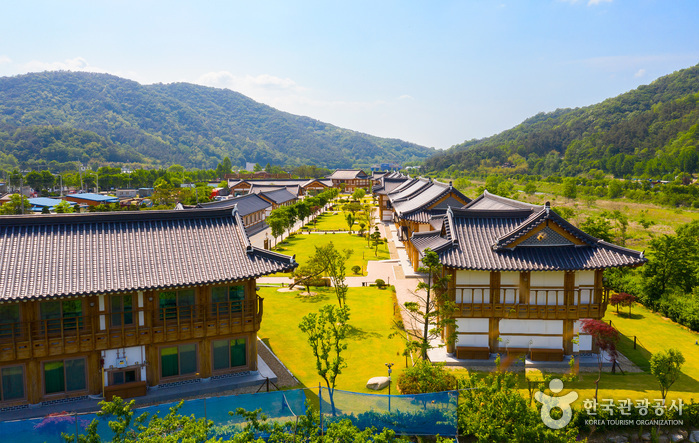
Wangui Jimil Gojonggwan (‘Royal Room of Emperor Gojong’) in Jeonju, Jeollabuk-do, is a hanok hotel that combines hanok style with modern convenience - one of a group of hotels named after Joseon kings. The hotel has six rooms graded 2, 3 and 5 with Silver rooms and Gold rooms. All rooms have a bathroom and toilet, and the sunlight pouring through the large windows adds coziness to the interior. Additional facilities incude a hanok cafe, a restaurant, and a convention center. Guests can reach anywhere in Jeonju Hanok Village in about 10 minutes by car.
Seonjogwan of the Royal Room (왕의지밀 선조관)
3.0Km 2024-12-23
5218-16 , Chunhyang-ro, Wansan-gu, Jeonju-si, Jeonbuk-do
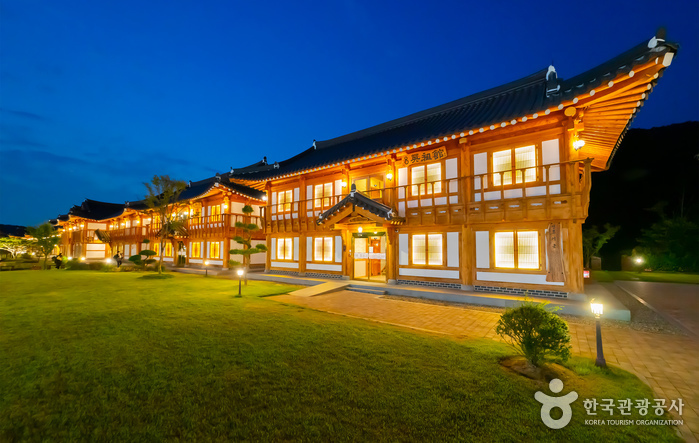
Wangui Jimil Seonjogwan (‘Royal Room of King Seonjo’) in Jeonju, Jeollabuk-do, is a hotel combining hanok style with modern facilities - one of a group of hotels named after Joseon kings. The hotel has six rooms graded 2, 3 and 5, with Silver rooms on the 1st floor, and Gold rooms on the 2nd floor; as there is no elevator, it’s recommended that elderly guests book into a 1st floor room. Additional facilities include a hanok cafe, a restaurant, and a convention center. Major tourist attractions such as Namgosa Temple and Jeonju Hanok Village are 10 minutes away by car.
Sukjonggwan of the Royal Room (왕의지밀 숙종관)
3.0Km 2024-12-23
5218-14 , Chunhyang-ro, Wansan-gu, Jeonju-si, Jeonbuk-do
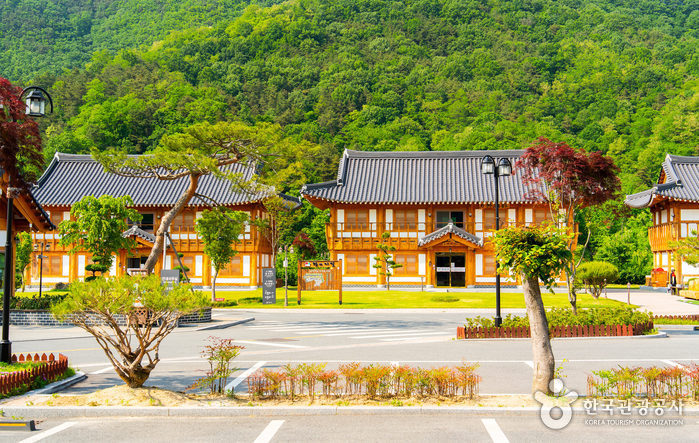
Wangui Jimil Sukjonggwan (‘Royal Room of King Sukjong’) in Jeonju, Jeollabuk-do, is hotel combining hanok style with modern facilities - one of a group of hotels named after Joseon kings, which are popular with family travelers. There are 6 guestrooms, most with exposed beams and traditional furniture; and the Grade 2 Gold and Silver rooms, big enough for six people, are especially popular with family travelers. Some rooms have two beds and a jacuzzi. Additional hotel facilities include a hanok cafe, a restaurant, and a convention center. Major tourist attractions such as Namgosa Temple and Jeonju Hanok Village are 10 minutes away by car.
Jeongjogwan of the Royal Room (왕의지밀 정조관)
3.0Km 2024-12-23
5218-10 , Chunhyang-ro, Wansan-gu, Jeonju-si, Jeonbuk-do
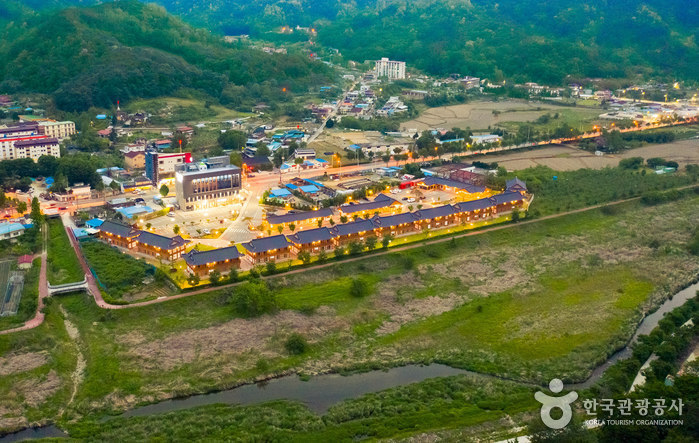
Wangui Jimil Jeongjogwan (‘Royal Room of King Jeongjo’) in Jeonju, Jeollabuk-do is a hotel that combines hanok style with modern convenience - one of a group of hotels named after Joseon kings. The hotel has six guest rooms, most with exposed beams and traditonal furniture, and the Grade 2 Gold and Silver rooms, big enough for six people, are especially popular with family travelers. Additional facilities include a hanok cafe, a restaurant, and a convention center. Major tourist attractions such as Namgosa Temple and Jeonju Hanok Village are 10 minutes away by car.
 English
 한국어
한국어 日本語
日本語 中文(简体)
 Deutsch
 Français
 Español
 Русский


