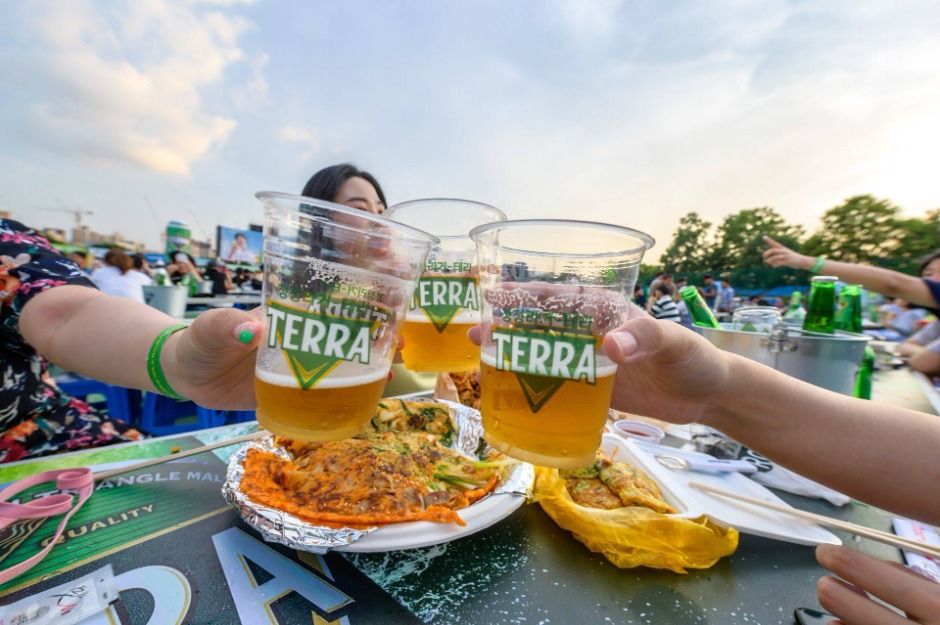
Jeonju Gamaek Festival (전주 가맥축제)
6.4Km 2025-07-17
303 Cheonjam-ro, Wansan-gu, Jeonju-si, Jeonbuk-do
+82-70-8870-6870
The nation's only festival where one can taste Hite beer fresh out of the factory on the same day. Jeonju Gamaek Festival is a festival where the locals' favorite drinking bars and the Korean beer brand Hite collaborate to beat the summer heat and make an unforgettable evening with fresh, cold beer.

Open Space Nu-e (복합문화지구 누에)
6.6Km 2024-04-06
462-9 , Wanju-ro, Wanju-gun, Jeonbuk-do
Nu-e, a complex cultural district located in Wanju-gun, Jeollabuk-do, opened with the goal of "a living space where everyone communicates through art." As part of the cultural regeneration project, it was built in the Jeollabuk-do Jameop (silkworm business) testing center complex and is carrying out projects such as cultural and artistic education, exhibition planning, and the creation of creative spaces. Facilities include Nu-e Art Hall, where various art exhibitions and performances are held, guesthouse 'Sum' for local residents, a camping ground and lounge, a pottery room, a kiln room, etc. There is a children's space called "Dreaming Nu-e Playground" where adults are not permitted, making it a good place for family trips. It is also recommended to visit the Jeonbuk Provincial Museum of Art and Samnye Culture and Art Village, representative tourist facilities in Wanju-gun.
Uniqlo - Jeonju Hyoja Branch [Tax Refund Shop] (유니클로 전주효자점)
6.6Km 2024-04-22
1713, Kongjwipatjwi-ro, Wansan-gu, Jeonju-si, Jeollabuk-do
-
Olive Young - Jeonju Pyeonghwa Branch [Tax Refund Shop] (올리브영 전주평화점)
7.0Km 2024-06-27
#106, 4680, Moak-ro, Wansan-gu, Jeonju-si, Jeonbuk-do
-
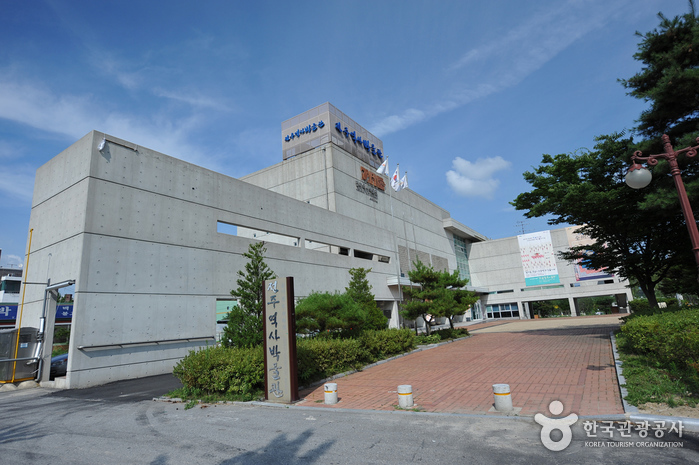
Jeonju Museum of History (전주역사박물관)
7.4Km 2024-04-06
259, Ssukgogae-ro, Wansan-gu, Jeonju-si, Jeonbuk-do
+82-63-228-6485
The Jeonju History Museum exhibits the long and fascinating history of Korea. The museum is divided into different exhibits, providing visitors with cultural history with emphasis on Jeonju history.
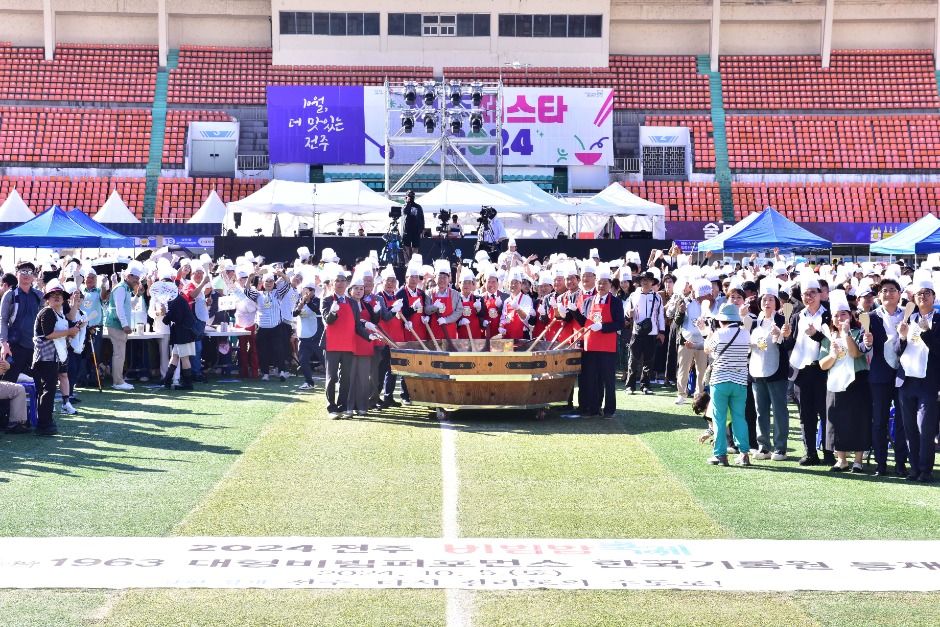
Jeonju Bibimbap Festival (전주비빔밥축제)
7.9Km 2025-10-23
1055 Girin-daero, Deokjin-gu, Jeonju-si, Jeonbuk-do
+82-63-214-1365
The Jeonju Bibimbap Festival celebrates the taste and charm of one of Korea's representative foods in the city of it's origin, Jeonju. The city has been recognized by UNESCO as a City of Gastronomy, and the festival promotes this branding. Visitors to the festival can enjoy a variety of immersive programs, including hadns-on activities and performances centered on Jeonju bibimbap.
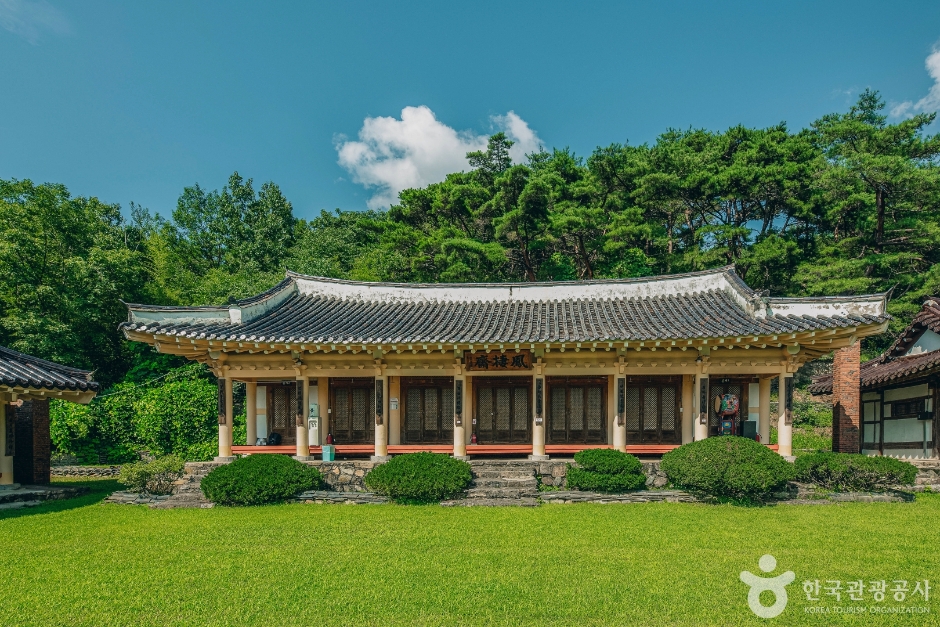
Happydream (행복드림한옥)
8.2Km 2024-08-05
181-21 , Bongseoan-gil, Wanju-gun, Jeonbuk-do
+82-63-247-0050, +82-10-3677-5339
Dueok Happydream Village is located in Bongseo-gol, Wanju-gun, Jeollabuk-do - a location said to be one of the most propitious in Korea, owing to the surrounding mountains’ resemblance to the Bonghwang mythical bird. The guesthouse’s tile-roofed buildings are set in a wide grassy yard against a background of green mountains. As well as accomodation the village operates various nature and traditional culture experience programs, some of which take place at the guesthouse. The rooms are small but clean and comfy, and with the doors open offer scenic views.
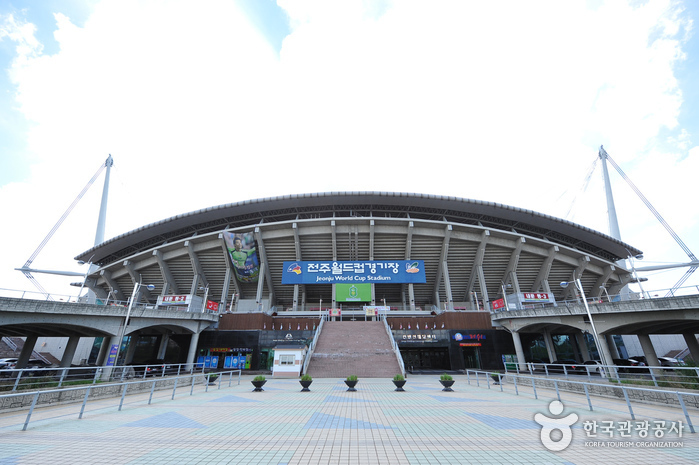
Jeonju World Cup Stadium (전주월드컵경기장)
8.2Km 2024-04-07
1055, Girin-daero, Deokjin-gu, Jeonju-si, Jeonbuk-do
+82-63-239-2546
The Jeonju World Cup Stadium was built with tradition in mind as its roof and stands are designed with an image of traditional fan, the pillars in sotdae design and cables in 12 strings of gayageum.
Oseongje Reservoir (오성제 저수지)
8.9Km 2025-10-27
Daeheung-ri, Soyang-myeon, Wanju-gun, Jeollabuk-do
Oseongje Reservoir provides a natural rest area for locals with a waterside path. Located nearby is a gallery and photo spot. The area quickly became a must-visit attraction after featuring in BTS' 2019 Summer Package.
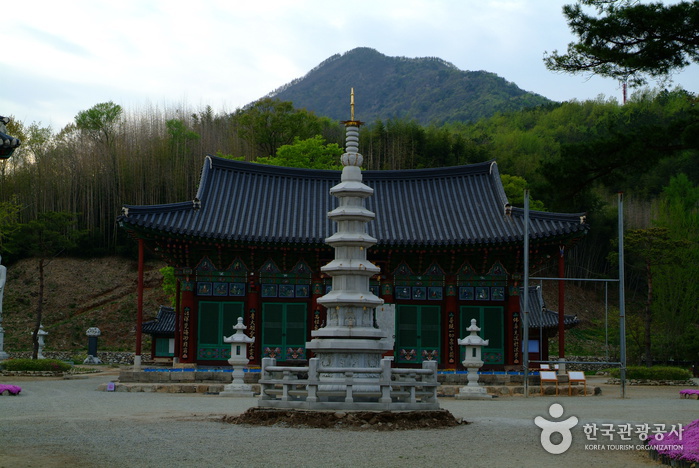
Wanju Songgwangsa Temple (송광사(완주))
8.9Km 2024-04-07
255-16, Songgwangsuman-ro, Wanju-gun, Jeonbuk-do
+82-63-243-8091
Songgwangsa Temple in Wanju-gun, Jeollabuk-do has a unique history that spans a period of over a thousand years. For many years the temple lay incomplete until Monk Bojo Chejing began reconstruction in the 7th year of King Gyeongmun of Silla (AD 867). The temple was destroyed at one point in time, but Master Monk Jinul prayed that it be rebuilt. In accordance with his fervent hopes, in the 1600s the monk’s followers rebuilt a number of the temple’s halls and buildings, many of which can still be seen today. The temple is also remembered as the temple that King Injo helped rebuild with the hope that his two sons, who had been taken hostage by the Qing dynasty during the Byeongjahoran War (Chinese invasion of Korea in 1636), would be returned safely and that Buddha would heal the nation.
One of the Korea’s four major temples, Songgwangsa is home to Jijangbosal and Siwangsang statues (found in Jijangjeon Hall), a Seokgayeorae statue, and 500 Nahansang statues (found in Nahanjeon Hall). The temple is also home to eight Tangible Cultural Assets and four Treasured Cultural Assets: Daeungjeon Hall, the Samsebulsang statues, the bell-tower, and the Sacheonwangsang statue.
Beloved for its historical significance as well as its beauty, the temple draws throngs of worshipers throughout the year. In spring, many tourists flock to the area to explore the temple and walk through the nearby cherry blossom tunnels. A worthwhile attraction for visitors of all ages, the temple is particularly well-suited for those with mobility problems since it is located on ground level.
 English
 한국어
한국어 日本語
日本語 中文(简体)
 Deutsch
 Français
 Español
 Русский


