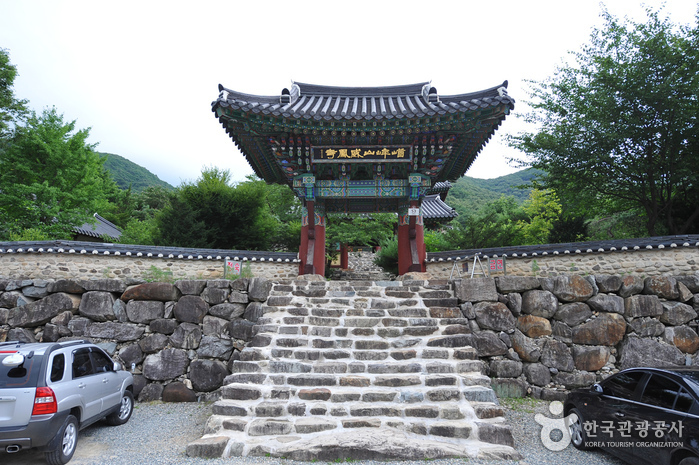
Wibongsa Temple - Wanju (위봉사 (완주))
11.6Km 2024-04-07
53, Wibong-gil, Wanju-gun, Jeonbuk-do
+82-63-243-7657
Wibongsa Temple is located past Mujigaemun Gate (Rainbow Gate) and Wibong Village and is a major temple in the Honam region that once oversaw 52 branch temples. Said to be built by Monk Seoam in 604 (the 5th year of King Mu of Baekje), the surviving buildings date back to the Joseon Era. Today, only Bogwangmyeongjeon Hall (Treasure No. 608), Yosa (Provincial Cultural Asset No. 698), and Samseonggak remain. The Baeguigwaneumbosal wall painting in particular is the pride of the temple.
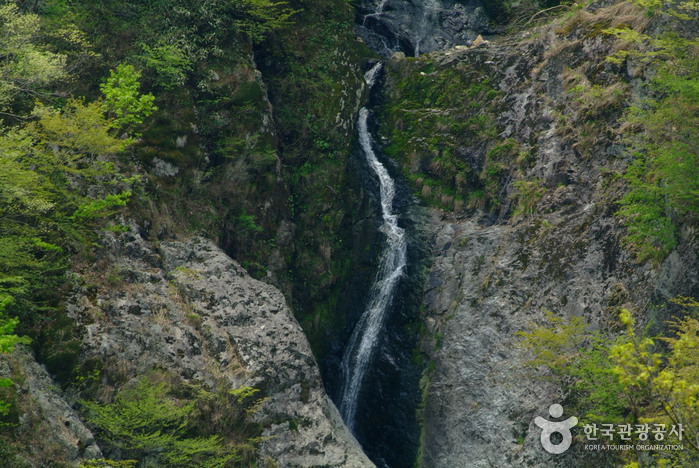
Wibongpokpo Falls (위봉폭포)
11.9Km 2024-04-07
Daeheung-ri, Wanju-gun, Jeonbuk-do
+82-63-290-3930
Located in the eastern section of Wibongsanseong Fortress, Wibongpokpo Falls is a two-tiered waterfall measuring 60 meters high. The strangely-shaped rocks and thick groves of trees that border the cascading falls make for such a magical scene that it comes as no surprise that the waterfall has long since been counted as one of the Eight Scenic Sights of Wansan. Attractions located nearby include a battlefield from the Imjin War (1592-1598), Songgwangsa Temple, Dongsang Reservoir, Daea Reservoir, and Hwasim Hot Springs.
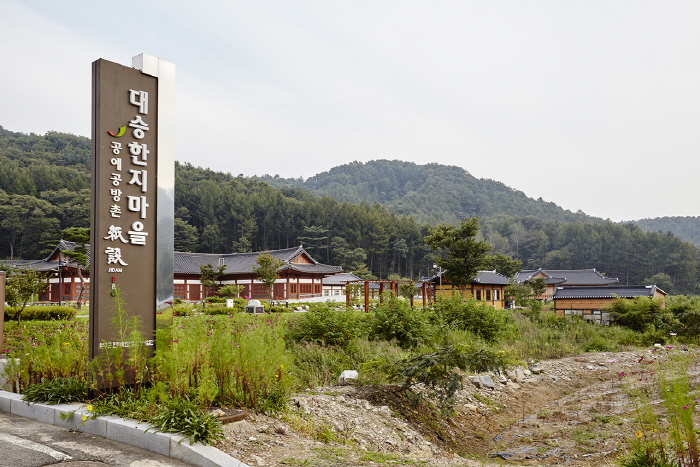
Daeseung Hanji Village & Hanok Traditional Culture Experience Center (대승한지마을한옥전통문화체험관)
12.6Km 2024-08-05
18-4 , Bogeom-gil, Wanju-gun, Jeonbuk-do
+82-63-242-1001
Daeseung Hanji Village in Wanju-gun, Jeollabuk-do, is where the famous Goryeoji (‘Goryeo Paper’) was first made in Goryeo 1,000 years ago. All guestrooms in the village are equipped with toilets, AC and water purifiers, plus pillows made of Korean paper and comfortable blankets. The dining hall kitchen can be used by guests, there is a large (60 sq metre) seminar room, and a yard where traditional games such as Geunae (swing) and Tuho (arrows) are played. The village runs a Hanji Experience Center, where you can learn about hanji history, manufacture and calligraphy.
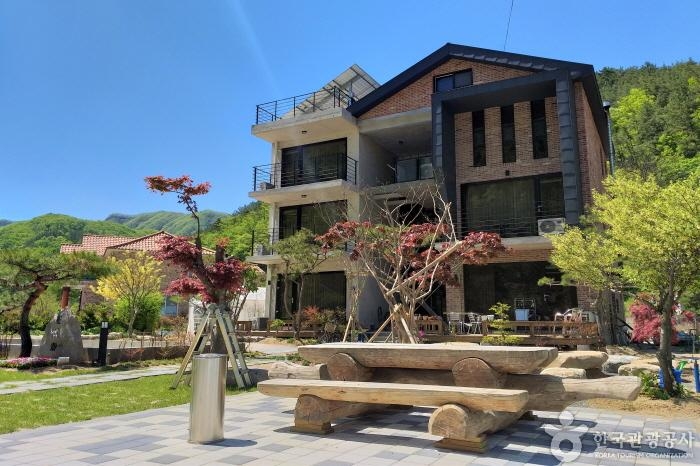
Yeolimjae Pension (여림재펜션)
12.6Km 2024-12-13
96 , Jungnimpyeonbaek-gil, Wanju-gun, Jeonbuk-do
+82-10-8375-0258
Yeolimjae Pension is a newly built modern three-story pension located in Wanju, Jeollabuk-do. The pension has five guest rooms, ranging from couple rooms for two people to family rooms. Each room comes with a bathroom, a kitchen, and a private terrace. From the terrace, you can enjoy a cup of tea while taking in the mountain scenery. The garden includes an outdoor swimming pool and a picnic table adjacent to it. Be sure to check the availability of the barbecue area in advance since it differs from room to room. Nearby tourist attractions include Sanggwan Cypress Forest, Jeonju Hanok Village, and Ongnyeobong Peak Valley.
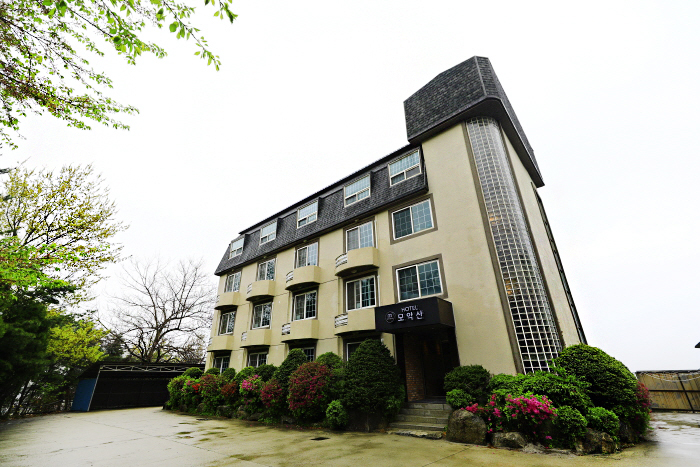
HOTEL MOAKSAN (호텔 모악산)
13.6Km 2024-08-01
104-10, Moaksan-gil, Gui-myeon, Wanju_Gun, Jeonbuk-do, Korea
+82-10-5333-3022
The Moaksan Motel is located in the tourism complex at Moaksan Mountain. Newly refurbished and re-opened, it is known as a clean, cozy hotel offering a high standard of customer satisfaction. The tourism complex comprises a large public parking lot, local food restaurants, and a football pitch among other facilities. Moaksan Mountain is a popular hiking destination among hikers and the people of Jeonju. In addition, the hotel is just three minutes’ walk from the Jeonbuk Province Art Museum, while Gui Reservoir, where the National Canoe Championships is held by the Korea Canoe Federation, is situated in front of the hotel. The hotel also offers easy access to public transportation as the bus stop (Bus No. 970) is situated in the tourism complex, allowing guests to travel directly to Jeonju Bus Terminal.

Moaksan Mountain (모악산)
13.7Km 2024-04-07
Gui-myeon, Wanju-gun, Jeonbuk-do
Moaksan Mountain is a mountain with an elevation of 793 meters, spanning across Gui-myeon in Wanju-gun, and Geumsan-myeon in Gimje-si, Jeollabuk-do. It overlooks the Honam Plain, a major agricultural region in Korea, and houses the precious Buddhist cultural heritage site, Geumsansa Temple, along with its subsidiary hermitages. To the north of the mountain lies the beautiful Gui Reservoir, and there are walking paths around the reservoir, providing a pleasant walking experience.
Gosan Recreational Forest (고산자연휴양림)
14.7Km 2024-04-07
246, Gosanhyuyangnim-ro, Wanju-gun, Jeonbuk-do
+82-63-263-8680
Located in Osan-ri, Gosan Recreational Forest is a popular family destination throughout all four seasons. Full of thick groves of larch trees, Korean white pines, rigida pines, and plenty of broad-leaved trees, the forest and its streams offer a cool and refreshing retreat. In spring, the forest is beautiful with wildflowers, azaleas and wild cherry blossom trees. In summer, families flock to the streams shaded by the thick forest canopy. As summer turns into fall, the whole area transforms into a rainbow of bright yellow, red, and orange. With the coming of winter, the snow covers the trees and blankets the ground, turning the forest in a winter dreamland.
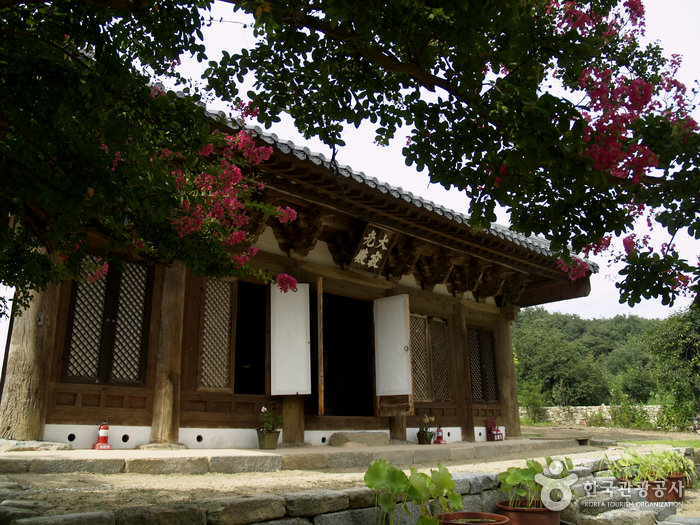
Gwisinsa Temple - Gimje (귀신사 - 김제)
14.7Km 2024-04-07
40, Cheongdo 6-gil, Gimje-si, Jeonbuk-do
+82-63-548-0917
Gwisinsa, located in Cheongdo Village, Geumsan-myeon, Gimje-si, is now a temple of the Jogye Order, but once belonged to the Haweom Order. The temple is widely believed to have been established by the great monk Uisang Daesa during the 16th year of King Munmu (676). However, some experts site the existence of the Namgeunseok stone animal sculpture as proof that the temple was originally the private temple of King Beop of the Baekje Kingdom.
Throughout history, the temple has had many names—Guksinsa, Gwisinsa, Gusunsa, and Gwisinsa (same English spelling, different meaning)—but not much is known about when the temple was called by which name. On the temple grounds are a 3-story stone pagoda and some stone sculptures including seoksu (animal statues) and budo (a stupa in honor of a great master). Inside the temple are Daejeokgwangjeon Hall (Treasure No.826), Myeongbujeon Hall, and Gongyangjib Chamber (a chamber for Buddhist offerings).
![Archaeological Site in Wanggung-ri [UNESCO World Heritage] (익산 왕궁리유적 [유네스코 세계문화유산])](http://tong.visitkorea.or.kr/cms/resource/97/2514197_image2_1.jpg)
Archaeological Site in Wanggung-ri [UNESCO World Heritage] (익산 왕궁리유적 [유네스코 세계문화유산])
16.3Km 2024-04-07
666, Gungseong-ro, Iksan-si, Jeonbuk-do
+82-63-859-4631
Archaeological Site in Wanggung-ri, designated as Historic Site No. 408 on September 17, 1998, has a surface area of 216,862 square meters. The site has various structures and artifacts from Baekje dynasty to unified Silla period. Artifacts were found within the rectangular-shaped fortress site that surrounds Wanggungri Five-story Stone Pagoda, National Treasure No. 289.
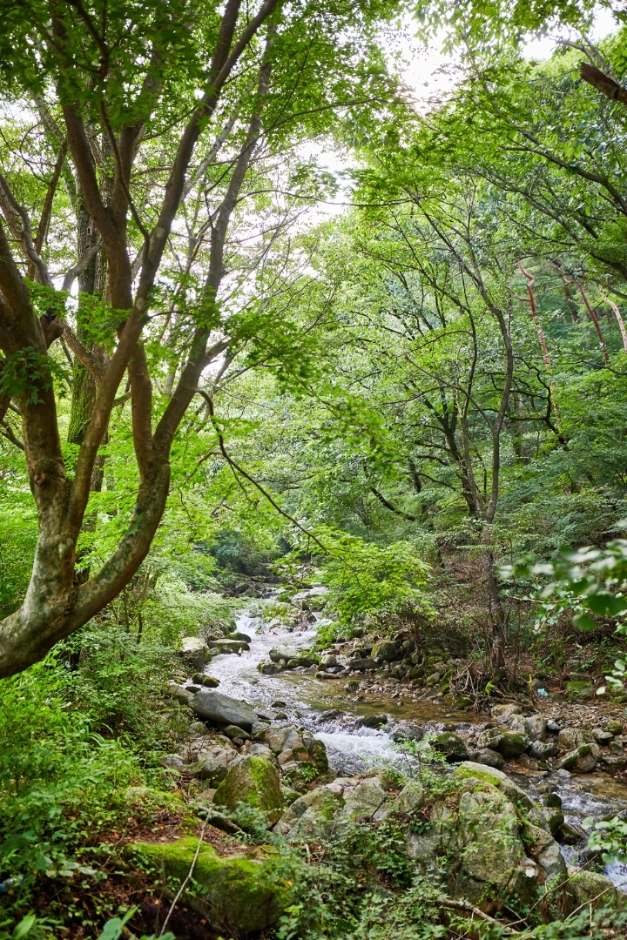
Moaksan Provincial Park (모악산 도립공원)
16.3Km 2024-04-07
Moak 15-gil, Geumsan-myeon, Gimje-si, Jeonbuk-do
+82-63-540-3103
Moaksan Mountain, embracing Geumsansa Temple, Gwisinsa Temple, Suwangsa Temple, and Daewonsa Temple, is 795.2 meters high and stands tall on the east side of the Gimje Plains, offering a panoramic view of the Honam Plains. It was designated as a provincial park in 1971 and is one of the four scenic views in the southern region, with outstanding scenery and many cultural properties, including national treasures. In particular, Geumsansa Temple, built in the first year of King Beop of Baekje (599) and with about ten major cultural properties, is located here, where you can see splendid Buddhist art. If you cross Moaksan Mountain, there are temples such as Daewonsa Temple and Suwangsa Temple on the southeastern slope. Gwisinsa Temple is on the west side. Geumpyeong Reservoir, located near the Geumsansa Temple entrance, is also a suitable fishing spot.
Moaksan Mountain has been considered the home of the Maitreya beliefs since ancient times, and along with the headquarters of Jeungsangyo, it also attracted attention as a gathering place for various new religions in the 30s and 40s. According to records, as many as 80 temples are at the foot of Moaksan Mountain. To hike, leave Geumsansa Temple and climb along the ridge behind Simwonam Hermitage. In spring, azaleas are in full bloom all the way to the top. From the summit, the Gimje Plains and the Mangyeonggang River come into view, as well as Jeonju and Unjangsan Mountain. The cherry blossom tunnel from the parking lot to Iljumun Gate is also spectacular.
 English
 한국어
한국어 日本語
日本語 中文(简体)
 Deutsch
 Français
 Español
 Русский


