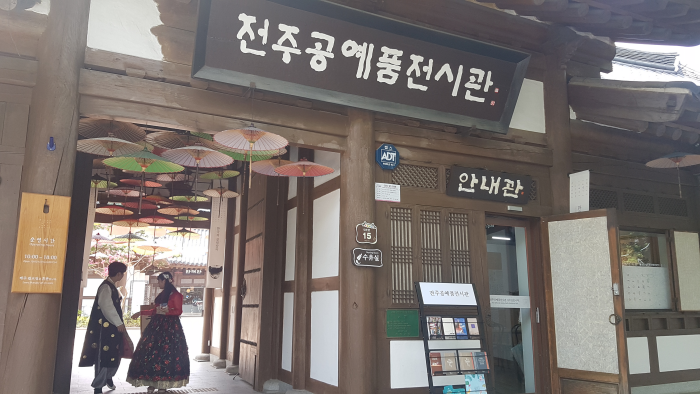
Jeonju Crafts Exhibition Hall (전주공예품전시관)
283.6M 2024-05-28
15 Taejo-ro, Wansan-gu, Jeonju-si, Jeonbuk-do
+82-63-281-1610
Jeonju Crafts Exhibition Hall promotes the beauty of traditional Korean crafts, and is made up of a Craft Hall, Special Exhibition Hall, and Experience Hall, Visitors can see traditional art works from master artisans as well as creative works from up-and-coming artists and designers. Visitors can also create their own handcrafted items in one of their many programs.

Lahan Hotel Jeonju (라한호텔 전주)
284.2M 2025-10-29
85 Girin-daero, Wansan-gu, Jeonju-si, Jeollabuk-do
+82-63-232-7000
Convenient location in Jeonju Hanok Village
The hotel has a total of 195 rooms. There are also ondol rooms and kids-concept rooms with car beds, so you have a wide range of choices. Located in Jeonju Hanok Village, you can walk to the filming locations of the drama as well as tourist attractions such as Gyeonggijeon Shrine, Omokdae, and Jeondong Catholic Church
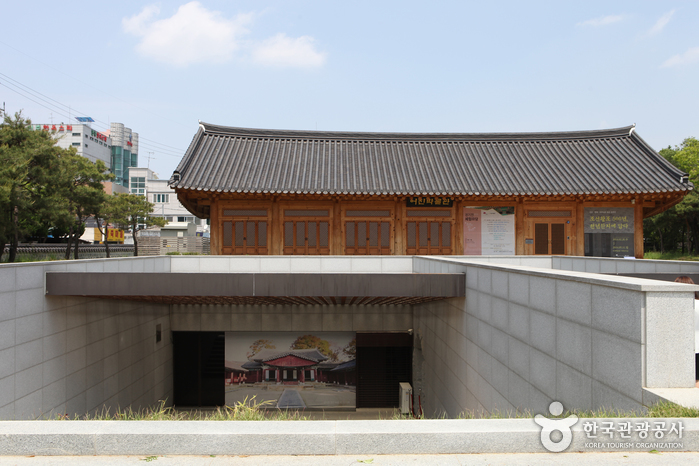
Royal Portrait Museum (어진박물관)
285.1M 2024-04-07
44, Taejo-ro, Wansan-gu, Jeonju-si, Jeonbuk-do
+82- 63-231-0090
Opened on November 6, 2010, the Royal Portrait Museum is one of the newest attractions of Jeonju, located within the Gyeonggijeon Shrine. Royal Portrait Museum is a valuable museum as a new tourism resource of Jeonju as well as Gyeonggijeon Shrine and the Portrait of King Taejo, as well as other various high-class exhibitions to preserve, manage, and enhance the glorious cultural assets of Joseon royal family. The museum is comprised of one above-ground level and one underground level with an area of 1,193.71 square meters. The Portrait of King Taejo and six other king’s portraits (Portrait of King Sejong, King Yeongjo, King Jeongjo, King Cheoljong, King Gojong, and King Sunjong) are exhibited on the first floor. The portraits are preserved in temperature- and humidity-controlled cases. In addition, the museum houses History Hall, Palanquin Hall, a planned exhibition hall, resting area, management office and storage room for relics. Palanquin Hall exhibits Hyangjeong (Palanquin for Incense Burner and Case), Sinyeon (Palanquin for Royal Portrait and Palanquin for Mortuary Tablet), Chaeyeo (Palanquin for High Officials), Gagyo (Palanquin for Ritual Items) featuring Korea’s sole preserved palanquin. History Hall houses approximately 80 relices related to Gyeonggijeon Shrine and Jogyeong Shrine, ancestral ritual ceremony, building, and others relics. Since the museum's opening, it makes continual efforts to become a central place for Jeonju residents to fulfill their cultural feelings. The museum operates various program like exploring famous historic sites in Gyeonggijeon Shrine, hands-on programs such as a guard experience to protect the shrine, and duplicating Gyeonggijeon Shrine’s relics using traditional portrait-making techniques.
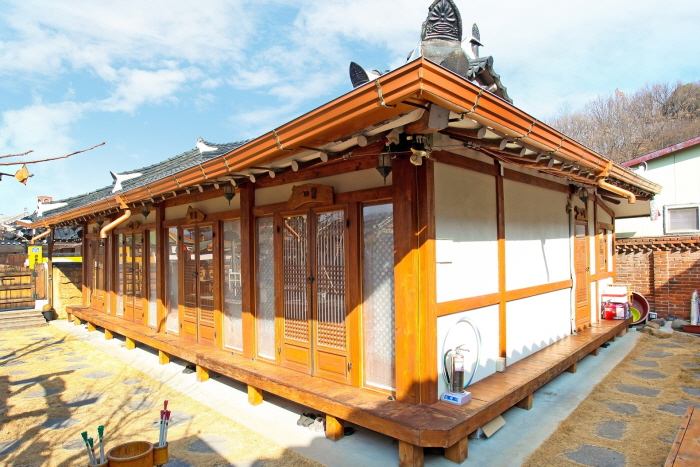
Siwon / 시원
298.9M 2025-06-11
45-41 , Omokdae-gil, Wansan-gu, Jeonju-si, Jeonbuk-do
+82-10-6520-7840
Siwon is a timber and clay-built hanok stay, part of Jeonju Hanok Village in Jeollabuk-do. It has four guestrooms, all but one with a small attic - so guests can have fun climbing up and down the ladder! The rooms have all been insulated and draft-proofed to keep visitors warm and comfortable. In the yard is a small garden and swing, and guests can play traditional games such as Tuho and Jegichagi - or even take part in a carpentry workshop. Must-see sites such as Gyeonggijeon, Jeondong Cathedral, Omokdae, and Nambu Market can all be reached on foot.
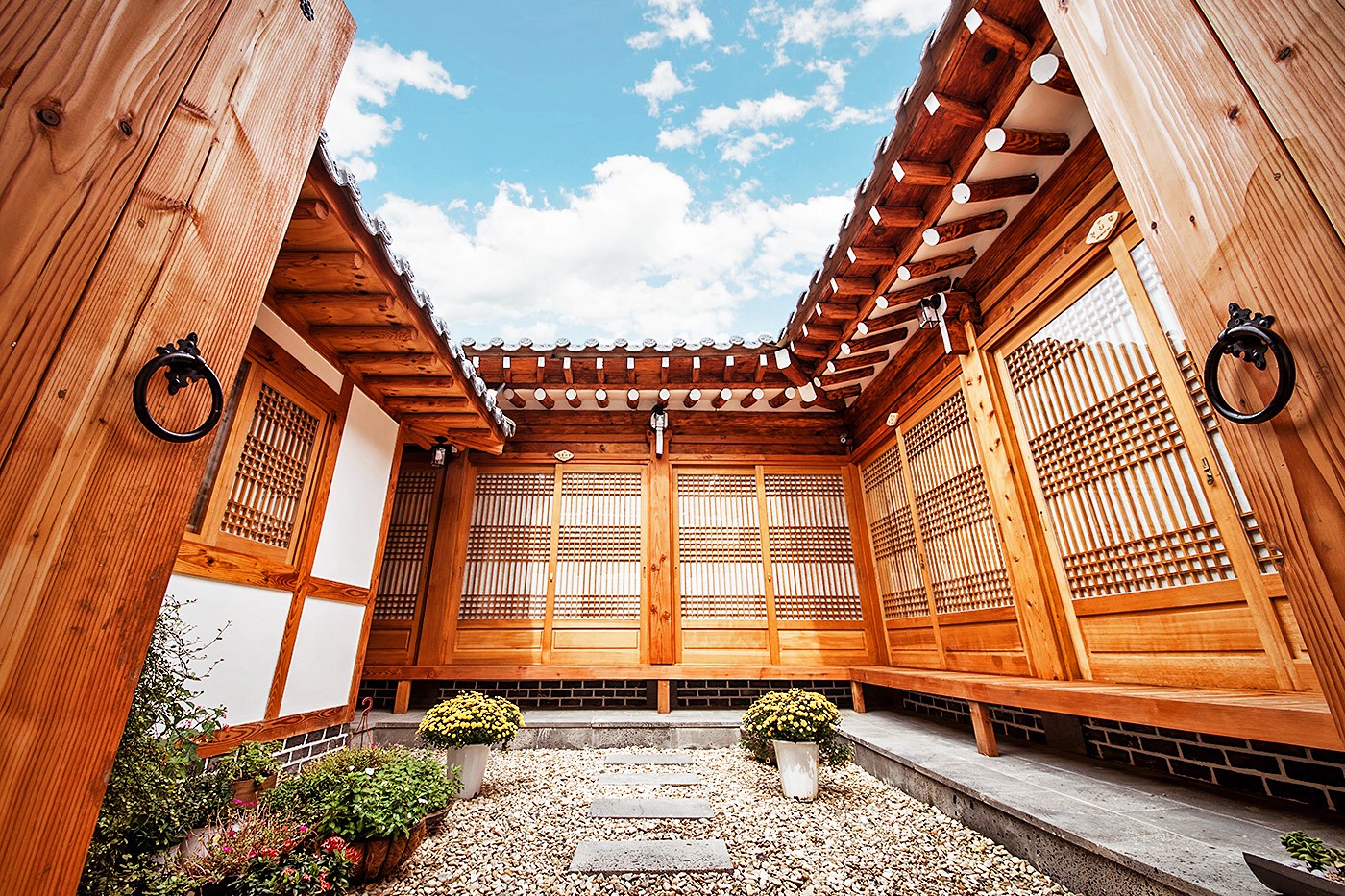
Jeonggahanog / 정가한옥
303.6M 2025-03-05
78-3 , Girin-daero, Wansan-gu, Jeonju-si, Jeonbuk-do
+82-10-9934-1300, +82-10-3677-1928
Jeongga Hanok, standing right across the road from Jeonju Hanok Village, Jeollabuk-do, is a newbuild hanok combining traditional style with modern comfort. Guestrooms are cypress-walled and red clay-grounded. Thus the Cypress room has walls and ceilings of cypress wood. The Maple room and the Gingko room both have attics. Nearby tourist attractions, which can all be reached on foot, include Gyeonggijeon Hall, Jeondong Cathedral, Jeonju Hyanggyo Confucian School, Jaman Mural Village - and of course Jeonju Hanok Village.
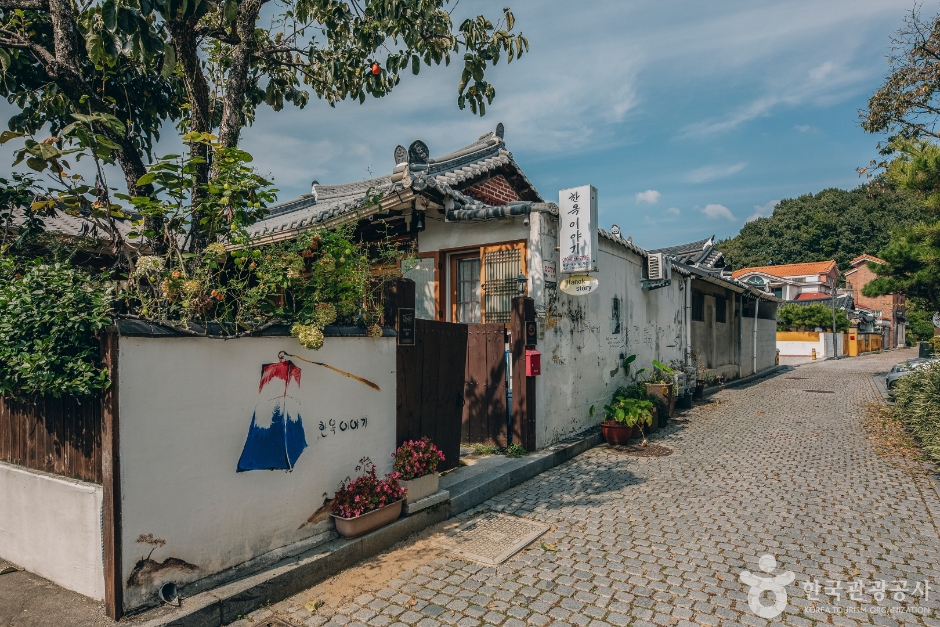
Hanokstory (한옥이야기)
323.7M 2024-08-05
83-14 , Eunhaeng-ro, Wansan-gu, Jeonju-si, Jeonbuk-do
+82-10-9203-1111, +82-10-4166-7799
Hanok Story, on Hyanggyo-gil in Jeonju Hanok Village, Jeollabuk-do, is a hanok guesthouse that harmonizes tradition with convenience. Each room is equipped with a toilet, TV and AC, and one room has cooking facilities. In the yard is a 50-year-old persimmon tree - the house’s tutelary spirit - and a cafeteria built of cypress wood. Here visitors can enjoy tea or a free breakfast, while at weekends tea ceremonies are held (but book ahead for this).
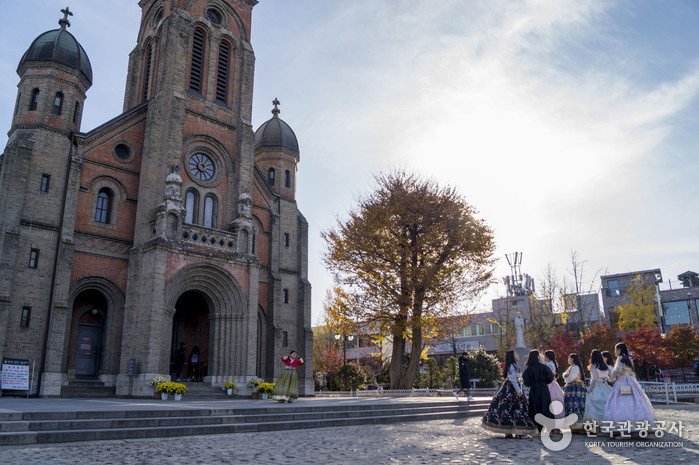
Jeonju Jeondong Catholic Cathedral (전주전동성당)
324.8M 2024-05-27
51 Taejo-ro, Wansan-gu, Jeonju-si, Jeonbuk-do
Jeondong Catholic Cathedral in Jeonju was built in honor of Roman Catholic martyrs of the Joseon dynasty on the very same spot the martyrs lost their lives. The land was purchased by French Priest Baudenet in 1891 (28th year of King Gojong), but construction of the church did not begin until 1908. Construction was completed in 1914, a time during which Korea was under Japanese rule. Though originally built just outside of Pungnammun Gate, the site of the martyrs, the church was later moved to its current location for expansion.
The first Romanesque building in the Honam region, Jeondong Catholic Cathedral is made of gray and red bricks and bears a striking resemblance to the Myeongdong Cathedral in Seoul, also designed by Priest Poinel. Not only considered one of the most beautiful Catholic churches in Korea, some even go so far as to say it is one of the most beautiful structures in all of Korea, citing the church’s unique combination of Byzantine and Romanesque architectural styles. The rectangular building is topped with three Byzantine bell towers (to the right, center, and left) and boasts arched ceilings, several of which meet in the form of a cross.
It is interesting to note that some of the bricks used in construction of the church were made using materials from the Jeonjueupseong Walled Town, which was torn down by the Japanese. It is also said that the cornerstone of the church came from a wall of Jeonjueupseong Walled Town near Pungnammun Gate.
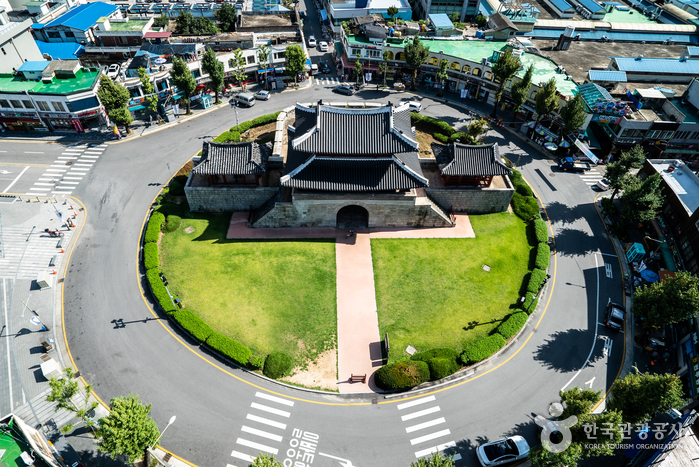
Jeonju Pungnammun Gate (전주 풍남문)
344.9M 2024-05-27
1 Pungnammun 3-gil, Wansan-gu, Jeonju-si, Jeonbuk-do
+82-63-287-6008
Pungnammun Gate was built during the Joseon dynasty in 1734 and is a designated Treasure. Pungnammun Gate was the southernmost gate among the four city gates of Jeonju. The structure was severely damaged by fire in 1767, followed by the restoration of the gate tower afterward. The gate was burnt down once again during the Imjin War and was restored to the gate that is seen today.
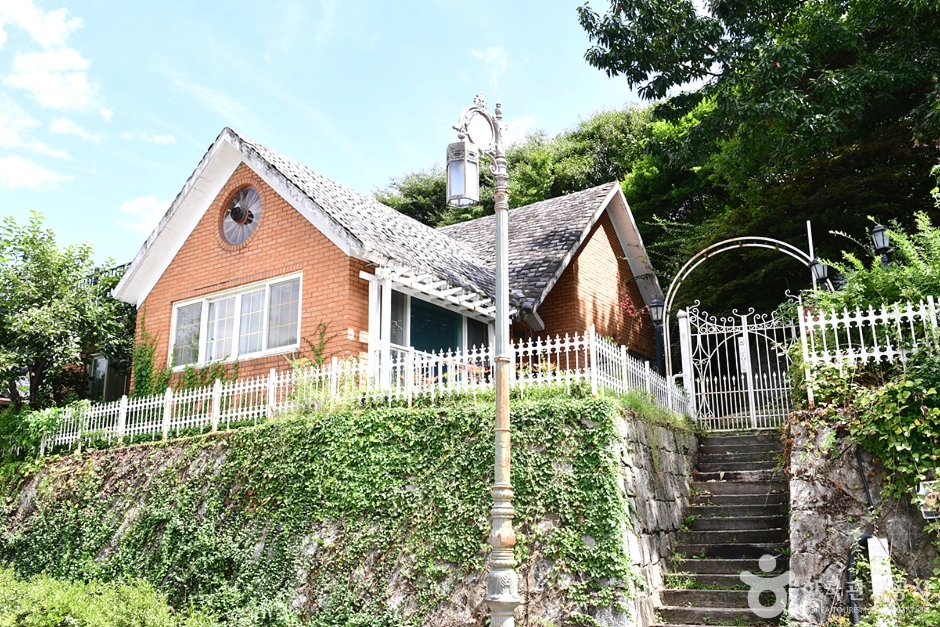
2521 (이오이일)
346.9M 2025-07-18
5-19 Omokdae-gil, Wansan-gu, Jeonju-si, Jeonbuk-do
2521, pronounced yi-o-yi-il in Korean, a private guesthouse located in Jeonju Hanok Village. It was made popular as Na Hee-do's house in the drama "Twenty-Five, Twenty-One (2022)." Upon booking, the owner will set the scene just like from the drama. Guests can enjoy a barbeque party at the yard and the view of the hanok village from the rooftop. The guesthouse can accommodate up to eight guests.

Hakindang (학인당)
351.0M 2024-08-05
45 , Hyanggyo-gil, Wansan-gu, Jeonju-si, Jeonbuk-do
+82-63-284-9929
Hagindang - also known as Injae’s Old House - is the oldest house in Jeonju Hanok Village, and a designated Jeollabuk-do cultural treasure. The house was built in the royal architecture style by some of the best late Joseon artisans. The Sarangchae guestroom has two sleeping rooms and a living room, suitable for families; while the Byeoldangchae has three guestrooms, one with a tea room space. Guests can use the free minibar while contemplating the old house’s fine traditional garden.
 English
 한국어
한국어 日本語
日本語 中文(简体)
 Deutsch
 Français
 Español
 Русский


