
Happy Jewerly [Tax Refund Shop] (해피쥬얼리)
12.4Km 2024-06-27
1F, #21, 26, Donhwamun-ro, Jongno-gu, Seoul
-
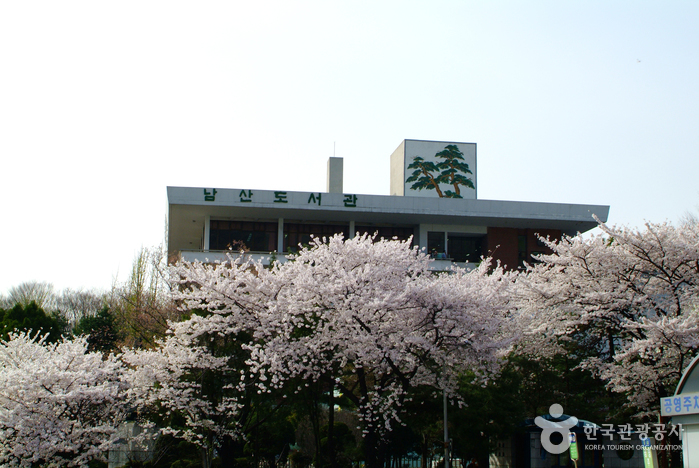
Namsan Library (서울특별시교육청 남산도서관)
12.4Km 2021-07-07
109, Sowol-ro, Yongsan-gu, Seoul
+82-2-754-7338
Namsan Library opened as Kyeongseong Prefectural Library in 1922 as a public library in Myeong-dong, Jung-gu, Seoul. The library was moved to the current site in 1964 with a newly built building and its name changed to Namsan Library in 1965. This concrete building was built in 1964 and was designed by architect Lee Haeseong. It was designated as Seoul Future Heritage in 2013, credited for its preservation value.
It is comprised of 19 rooms and educational areas including the Humanity and Social Science Hall, Nature Science Hall, Language and Literature Hall, Electronic Information Room and more. Since opening, the library has collected nearly 500,000 books, 16,000 non-book materials, 700 continuing resources, and other special materials like old books, oriental books (including Japanese books), and more. Namsan Library also operates a reading treatment program unique to this library that began in 2005. The program includes remodeling of reading consultation room, training for people in charge of reading treatment, workshops, programs for individuals and groups. Also, various exhibitions, lectures, shows, cultural classes and other events are available all year long to enhance lifelong education.
![Lf Hazzys - Myeong-dong [Tax Refund Shop] (LF(명동헤지스종합))](http://tong.visitkorea.or.kr/cms/resource/55/2878655_image2_1.jpg)
Lf Hazzys - Myeong-dong [Tax Refund Shop] (LF(명동헤지스종합))
12.4Km 2024-04-19
28, Myeongdong 8ga-gil, Jung-gu, Seoul
-
Namsan Cable Car (남산 케이블카)
12.4Km 2024-10-25
83 Sopa-ro, Jung-gu, Seoul
+82-2-753-2403
Namsan Cable Car provides a panoramic view of downtown Seoul. The cable car has been in operation for over 40 years, taking tourists and residents alike to Namsan Seoul Tower, one of the most representative tourist attractions in the city.
![CheongKwanJang - Euljiro Branch [Tax Refund Shop] (정관장 을지로)](http://tong.visitkorea.or.kr/cms/resource/59/2878659_image2_1.jpg)
CheongKwanJang - Euljiro Branch [Tax Refund Shop] (정관장 을지로)
12.4Km 2024-04-18
1F, 103, Eulji-ro, Jung-gu, Seoul
-
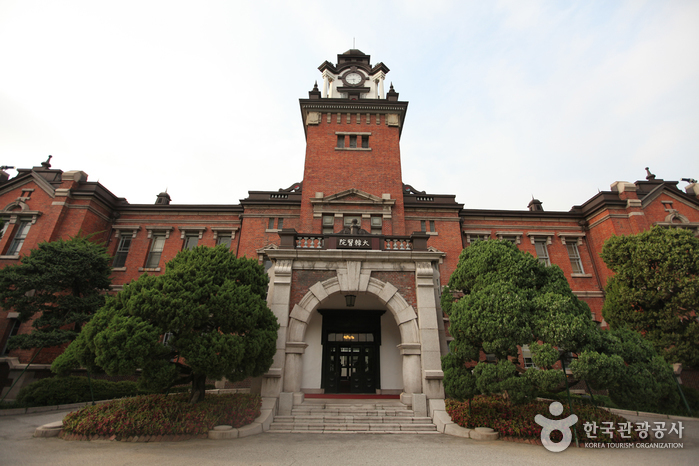
The Museum of Medicine (서울대학교병원의학박물관)
12.4Km 2024-03-18
101 Daehak-ro, Jongno-gu, Seoul
The Museum of Medicine is located in the building of the former Daehan Medical Center, the oldest modern hospital in Korea. It is a medical museum that provides a comprehensive view of the development of modern medicine in Korea, the history of medical devices, and the transformation of Seoul National University Hospital. Through permanent and special exhibitions, the museum showcases medical artifacts and documents related to the history of medicine.
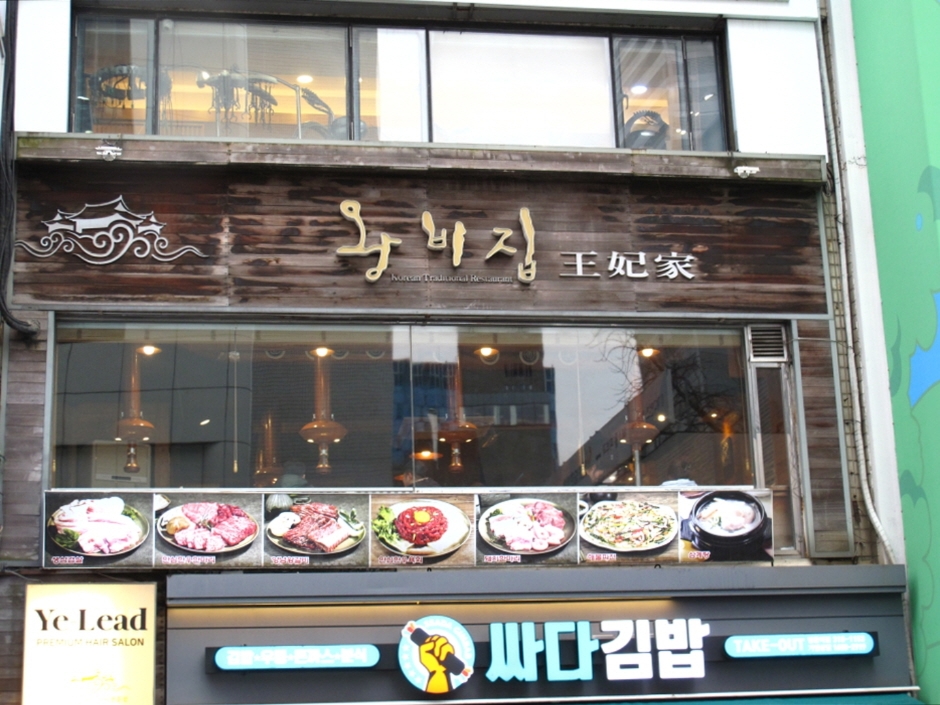
Wangbijip (왕비집)
12.4Km 2024-03-11
26, Myeongdong 8ga-gil, Jung-gu, Seoul
+82-2-3789-1945
Wangbijip is a restaurant where all the meat is grilled by the staff. They focus on meats such as hanu galbisal (grilled boneless korean galbi) and sweet grilled marinated galbi. Popular lunch specialties include sogalbi jeongsik (grilled galbi set menu), bori gulbi jeongsik (barley-aged dried yellow croaker set menu), and dwaeji galbi jeongsik (grilled pork galbi set menu). The set menucomes with soybean paste jjigae and janchi guksu (banquet noodles) for a small serving. The lightly flavored janchi guksu is the best combination with the marinated galbi, giving it a light aftertaste.
Innisfree - Hansung Univ. Branch [Tax Refund Shop] (이니스프리 한성대)
12.4Km 2024-04-18
3, Dongsomun-ro 7-gil, Seongbuk-gu, Seoul
-
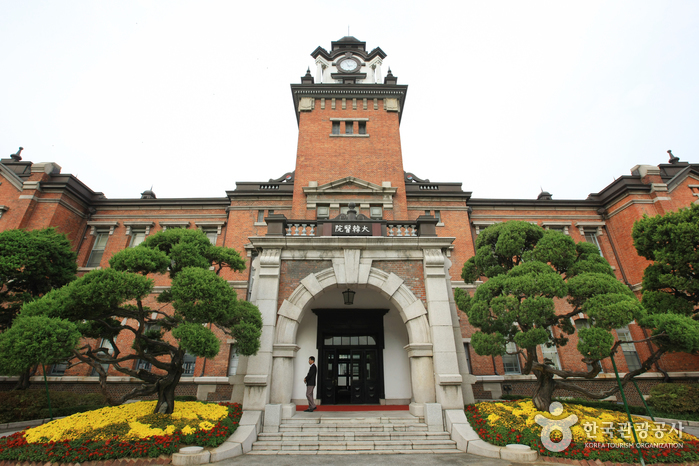
Seoul Daehan Hospital (서울 대한의원)
12.4Km 2021-12-23
101, Daehak-ro, Jongno-gu, Seoul
+82-2-2148-1842
Daehanuiwon (Daehan Medical Center) is an antique two-story brick building within the grounds of Seoul National University Hospital. It was established under the direct administration of the Uijeongbu (State Council), combining the Gwangjewon (under the Home Ministry), Gyeongseong Medical School and the Korean Red Cross Hospital (under the Royal Household).
Built in the Madubong Hill area, this location where Hamchunwon, the outer garden of Changgyeonggung Palace, once stood in 1484 (15th year of King Seongjong), was also once the site of Gyeongmogung Palace, where King Jeongjo enshrined the mortuary tablet of his birth father Crown Prince Sado Seja in 1776 (the year King Jeongjo ascended to the throne).
These places that held importance for the royal family were destroyed as the Japanese built Gyeongseong Empire University in its place. In 1907, with the announcement of the plan to establish Daehan Medical Center, construction began on the main building, seven wards and affiliated buildings. Construction was completed in November 1908.
The Daehan Medical Center opened in Gwangjewon, but upon Japanese colonization in 1910, its name was changed to the Japanese Viceroyalty Hospital. In 1926, it was included as a part of Gyeongseongjeguk University to become a university hospital. Since the liberation of Korea in 1945, it has been a hospital affiliated with Seoul National University.
 English
 한국어
한국어 日本語
日本語 中文(简体)
 Deutsch
 Français
 Español
 Русский


