
Dongdaemun Bonga Gamasot Seolleongtang (동대문본가가마솥설렁탕)
12.2Km 2024-03-15
299-1 Jong-ro, Jongno-gu, Seoul
+82-2-741-1510
Dongdaemun Bonga Gamasot Seolleongtang is a seolleongtang (ox bone soup) restaurant located near Dongdaemun Fashion Market. The rich-tasting seolleongtang is boiled for 24 hours in a traditional cast-iron pot, using beef from ten different parts of the cow, and the process is visible from outside the restaurant. It is recommended to enjoy the seolleongtang wrapped in rice with a side of tangy radish kimchi. Yennal bulgogi (old-fashioned bulgogi) and yukhoe bibimbap (beef tartare bibimbap) made with Korean beef are also popular menu items.
![Olive Young - Chungmuro Station Branch [Tax Refund Shop] (올리브영 충무로역)](http://tong.visitkorea.or.kr/cms/resource/68/2888868_image2_1.jpg)
Olive Young - Chungmuro Station Branch [Tax Refund Shop] (올리브영 충무로역)
12.2Km 2024-04-18
222, Toegye-ro, Jung-gu, Seoul
-
![CheongKwanJang - Hangangno Branch [Tax Refund Shop] (정관장 한강로)](http://tong.visitkorea.or.kr/cms/resource/31/2889731_image2_1.jpg)
CheongKwanJang - Hangangno Branch [Tax Refund Shop] (정관장 한강로)
12.2Km 2024-04-18
1F, Junggwanjang Hangang-ro Branch, 159-1, Hangang-daero, Yongsan-gu, Seoul
-
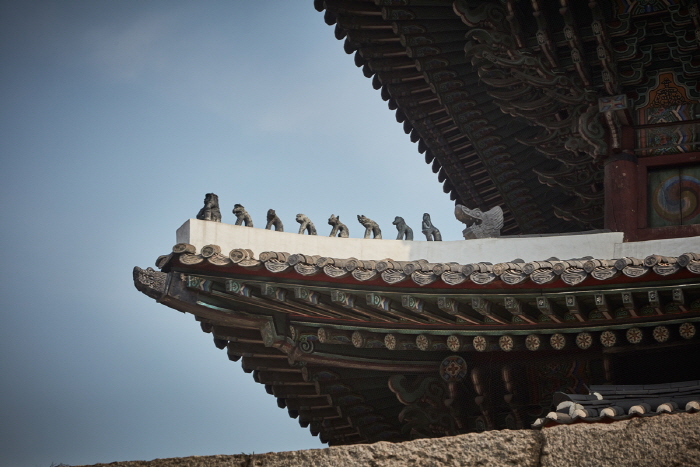
Heunginjimun Gate - Dongdaemun Gate (흥인지문)
12.2Km 2025-10-23
288, Jong-ro, Jongno-gu, Seoul
+82-2-2148-1842
Heunginjimun Gate was built to protect Hanseongbu, which historically housed essential government facilities. Heunginjimun Gate was the gate on the east side of the outer wall of Seoul Fortress among eight gates. It is referred to as Dongdaemun Gate as well. The gate was constructed during King Taejo’s 5th year in 1396, remodeled during the reign of King Danjong in 1453, and was newly built in 1869 during the sixth year of King Gojong’s reign in 1869.
The gate features a hipped roof with five front and two side compartments on a two-storied building. The thin and weak bracket system supports the eaves and is excessively decorated, reflecting the construction features of the late Joseon period. Also, outside of the fortress is the half-circle-shaped Ongseong, a small wall, to protect the gate.
One of the unique factors of Heunginjimun Gate is that it is the only gate among Seoul’s eight to have Ongseong, further exhibiting the style of construction used during the late Joseon period.
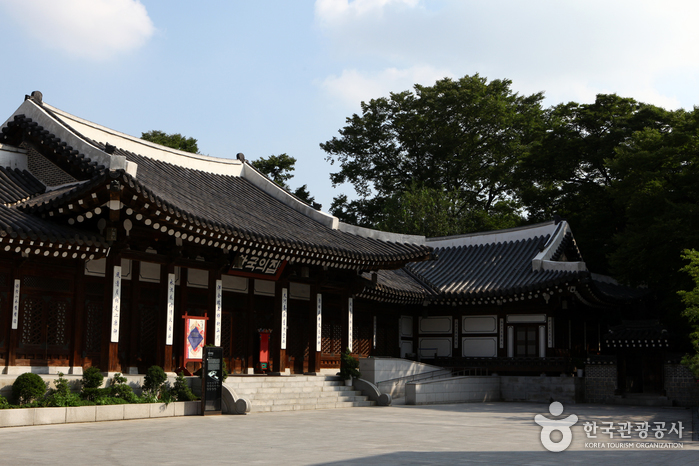
Korea House (한국의집)
12.3Km 2025-10-23
10, Toegye-ro 36-gil, Jung-gu, Seoul
The Korea House was opened in 1981. It is a traditional Korean building that introduces the culture and lifestyle of Koreans, where you can experience traditional architecture and a classical atmosphere. The building was built in the style of the Joseon Dynasty's Jagyeong-jeon building at the Gyeongbok Palace. It is the only building built in the traditional architectural style. You will feel its antiquity as you enter the building.
It is divided into the Haerin-gwan (a space for people to get acquainted with each other), the Traditional Theater, and three annex buildings (Munhyang-ru, Nokeum-jeong and Cheongwu-jeong). At Haerin-gwan, you can enjoy traditional music at Garak-dang and try traditional food at Sohwa-dang. In the square of Garak-dang you can view a traditional wedding (on the weekends) or people playing folk games. Also, at the Traditional Theater, about 156 seats are available, and in the afternoons Human Cultural Assets or members of the National Center for Korean Traditional Performing Arts and the National Corps members present traditional music and dances. Sinayui, Salpuri, Pansori, the Drum Dance and the Bongsan Mask Dance are the most popular programs for foreigners. The programs are all explained in English and Japanese.
In the Cultural Gift Shop you can view various crafts made by traditional craftsmen. It is always open and the crafts are for sale as well. There are pottery, ceramics, golden crafts, knots and embroidery etc; approximately 500 pieces of artwork made by craftsmen from 20 different fields. Next to the House of Korea is the Namsan-gol Hanok Village where visitors can explore traditional houses.
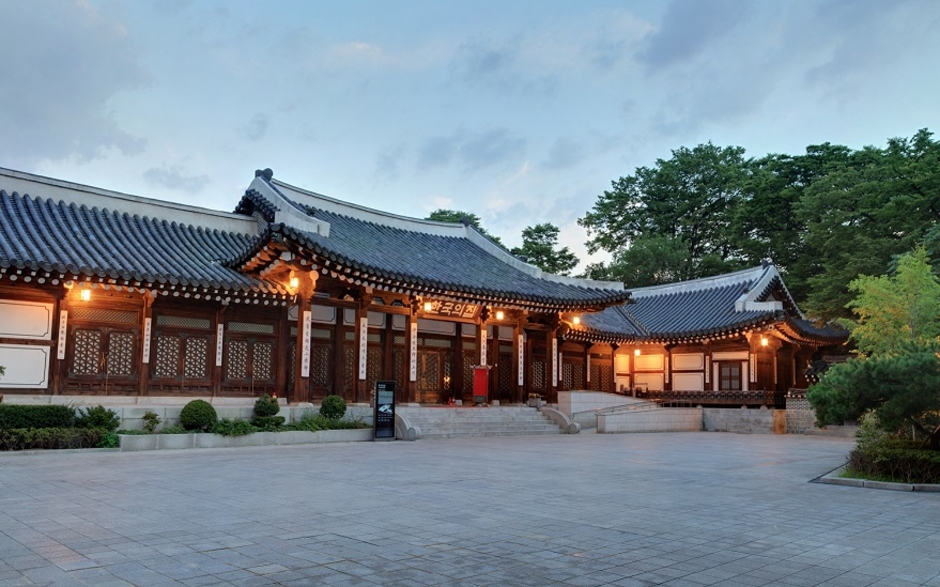
Korea House (한국의집)
12.3Km 2024-03-05
10 Toegye-ro 36-gil, Jung-gu, Seoul
+82-2-2266-9101
Located in the center of Seoul, Korea House is a must-visit tourism spot as a high-end cultural complex offering Hanjeongsik (Korean table d'hote), traditional refreshments, traditional performance arts, and traditional weddings, allowing visitors to feel the beauty of Korean culture and the taste of Korea. Guests can also enjoy the elegant beauty of hanok.
![Onnuri Pharmacy - Jongno Branch [Tax Refund Shop] (온누리약국 종로)](http://tong.visitkorea.or.kr/cms/resource/89/2878189_image2_1.jpg)
Onnuri Pharmacy - Jongno Branch [Tax Refund Shop] (온누리약국 종로)
12.3Km 2024-04-19
1F, 293, Jong-ro, Jongno-gu, Seoul
-
![CheongKwanJang - Misa Gangbyeon Branch [Tax Refund Shop] (정관장 미사강변)](http://tong.visitkorea.or.kr/cms/resource/25/2889025_image2_1.jpg)
CheongKwanJang - Misa Gangbyeon Branch [Tax Refund Shop] (정관장 미사강변)
12.3Km 2024-04-18
#102, 216, Misagangbyeon-daero, Hanam-si, Gyeonggi-do
-
Olive Young - Hanam Misa Station Branch [Tax Refund Shop] (올리브영 하남미사역점)
12.3Km 2024-06-27
#1081 and #1086, 95, Misagangbyeondong-ro, Hanam-si, Gyeonggi-do
-
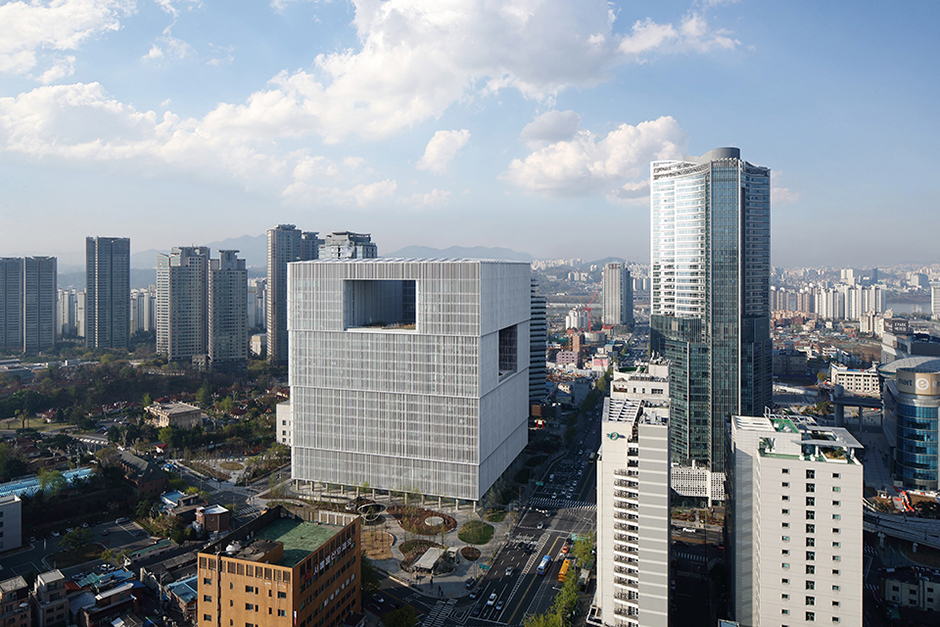
Amorepacific Museum of Art (아모레퍼시픽미술관)
12.3Km 2024-12-31
100 Hangang-daero, Yongsan-gu, Seoul
Amorepacific Museum of Art, located in Yongsan-gu, Seoul, was originally a museum exhibiting artworks collected by the late Seo Seong-hwan, the founder of Amorepacific, but later changed its name to Amorepacific Museum of Art, or APMA, in 2009 and has since been operating as an art exhibition hall. The mission upon its foundation was seeking to be "a space where beauty in the midst of daily lives is discovered" and communicating with the public. In accordance with this objective, the museum collects, researches, and exhibits Korean ancient art and both Korean and international contemporary art while, also, aiding researchers, scholars, and young artists. The underground exhibition hall hosts diverse exhibits encompassing ancient art, contemporary art, and Korean art. The 1st floor of the "Atrium," an enormous space that continues from the 1st to 3rd floors, features the museum lobby, a museum shop, an exhibition space called "APMA Cabinet" and apLAP, which is a library of art exhibition brochures from around the world. The art museum is located on the 1st floor of the new Amorepacific headquarters building, a famous work of architectural beauty of Yongsan designed after white porcelain.
 English
 한국어
한국어 日本語
日本語 中文(简体)
 Deutsch
 Français
 Español
 Русский


