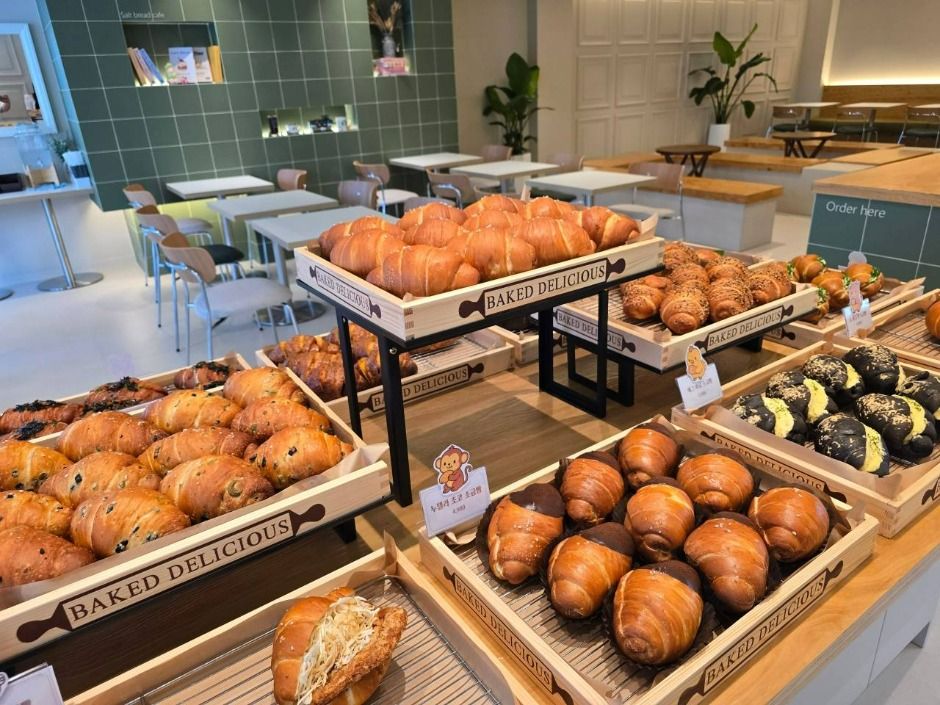
Bokidang (복이당)
8.5Km 2025-09-15
3-28 Toegye-ro 6-gil, Jung-gu, Seoul
Bokidang is a handmade salt buns specialty bakery cafe located in Jung-gu, Seoul. It is conveniently located just a 30-second walk from Exit 2 of Hoehyeon Station, situated in an area with high foot traffic from office workers and tourists. Bokidang presents handmade salt bread and beverages made with carefully selected fresh ingredients, with the hope that "everyone who eats will be blessed." The signature menu features a lineup of salt breads inspired by the 12 zodiac animal characters, each embodying health, wishes, and small happiness in a single bite. The store has a clean and warm atmosphere with an indoor seating area and outdoor seating, accommodating group guests and offering takeout for added convenience.
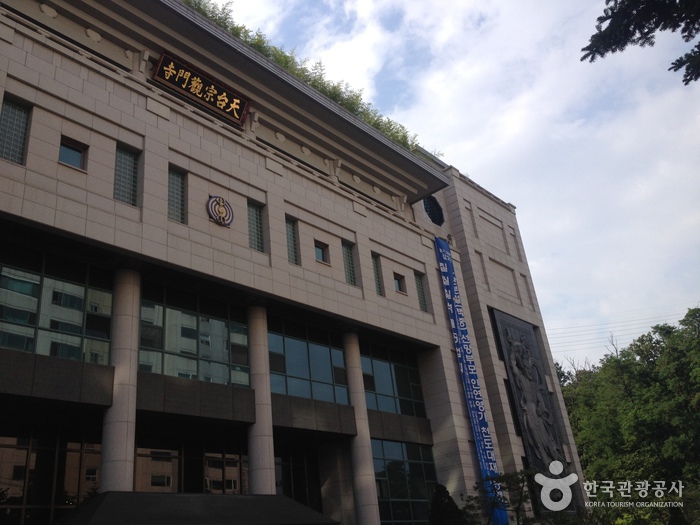
Seoul Gwanmunsa Temple (관문사(서울))
8.5Km 2021-06-01
111, Baumoe-ro 7-gil, Seocho-gu, Seoul
+82-2-3460-5300
Located at the foot of Umyeonsan Mountain in Seocho-gu, Seoul, Gwanmunsa Temple had its ground-breaking ceremony in 1993 and construction was completed in October 1998.
The temple site has a total area of 22,148.76 ㎡ with seven ground levels and four basement levels. The temple was constructed with a mixture of modern and traditional Buddhist architectural designs. Inside the temple, cutting-edge facilities are used for various cultural events, conferences, and sacred ceremonies.
Neighbored by Cheonggyesan Mountain, Umyeonsan Mountain, and Yangjaecheon Stream, the temple is located near many natural spots visitors can enjoy. In particular, Umyeonsan Mountain (alt. 293 m), where Gwanmunsa Temple is located, gets its name for its shape resembling a cow lying down. Designated as a city park and managed by Seoul Metropolitan Government, Umyeonsan Mountain has several valleys with clear spring waters and a dense forest inhabited by diverse animals and plants.

Bank of Korea Money Museum (화폐박물관)
8.5Km 2024-03-18
39 Namdaemun-ro, Jung-gu, Seoul
This Renaissance-style three-story stone building is the museum of the Bank of Korea. The older Bank of Korea was established as the central bank of the Korean Empire in 1909 and has been designated as a National Historical Site. During the Japanese colonial period, the bank was renamed the Bank of Joseon, and the building was used as the main and head office of the Bank of Korea until 2001. The building has been used as the nation’s Money Museum since June 2001 in celebration of the 50th anniversary of the Bank of Korea. The museum has 13 exhibition rooms on two floors, with one basement floor and two above-ground floors. It holds special exhibitions of various currency and art collections to provide domestic and foreign visitors with the opportunity to enjoy the history and culture of currency. Visitors can learn about the Bank of Korea and the central banking system, as well as how to identify counterfeit notes and how money is produced and circulated. It is also a good place for children to learn about currencies from around the world. Advance reservations are required, and parking is not available. The museum can easily be reached via subway by getting off at Hoehyeon Station (Seoul Subway Line 4) and exiting through Exit 7.
![Ipamnamu - Insa Branch [Tax Refund Shop] (이팝나무 인사)](http://tong.visitkorea.or.kr/cms/resource/08/2878208_image2_1.jpg)
Ipamnamu - Insa Branch [Tax Refund Shop] (이팝나무 인사)
8.5Km 2024-04-18
4, Insadong 5-gil, Jongno-gu, Seoul
-
![Seoul Gongyesa [Tax Refund Shop] (서울공예사)](http://tong.visitkorea.or.kr/cms/resource/10/2878210_image2_1.jpg)
Seoul Gongyesa [Tax Refund Shop] (서울공예사)
8.5Km 2024-04-16
1F, 27-1, Insadong-gil, Jongno-gu, Seoul
-
![Olive Young - Jonggak Branch [Tax Refund Shop] (올리브영 종각)](http://tong.visitkorea.or.kr/cms/resource/24/2878224_image2_1.jpg)
Olive Young - Jonggak Branch [Tax Refund Shop] (올리브영 종각)
8.5Km 2024-04-18
45, Sungkyunkwan-ro 6-gil, Jongno-gu, Seoul
-
![Wangsol Pharmacy [Tax Refund Shop] (왕솔약국)](http://tong.visitkorea.or.kr/cms/resource/27/2887827_image2_1.jpg)
![Slow Steady Club - Samcheong Branch [Tax Refund Shop] (슬로우스테디클럽 삼청)](http://tong.visitkorea.or.kr/cms/resource/13/3314413_image2_1.jpg)
Slow Steady Club - Samcheong Branch [Tax Refund Shop] (슬로우스테디클럽 삼청)
8.5Km 2024-06-27
2F, 84, Yulgok-ro, Jongno-gu, Seoul
-
Isae - Insa Branch (No. 2) [Tax Refund Shop] (이새 인사2호)
8.5Km 2024-04-18
30-1, Insadong-gil, Jongno-gu, Seoul
-
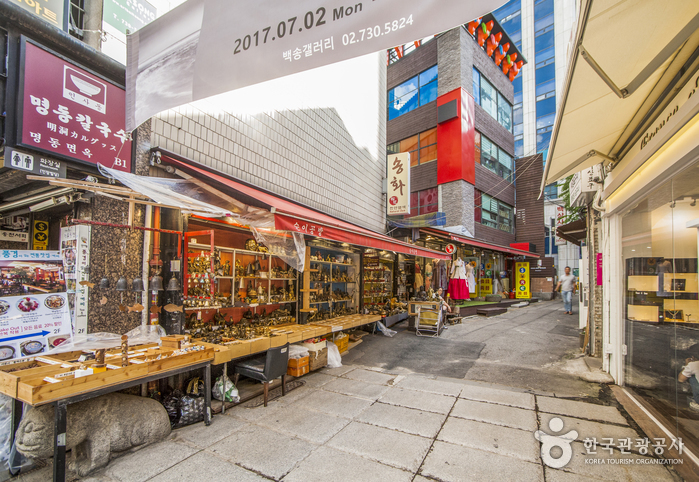
Insa-dong Antique Art Street (인사동 고미술거리)
8.5Km 2025-03-16
29 Insadong-gil, Jongno-gu, Seoul
+82-2-732-2235
As of today, there are approximately 70 shops in the Insa-dong area that sell antique arts. Some of the products they sell include antique artworks, porcelains, woodcrafts, and metalwork. Visitors may even find rare and valuable products such as earthenware from the Silla period or white porcelain used in the Joseon dynasty. Each shop is a specialty store, authorized to sell product types that are of their expertise, ranging from antique furniture and traditional artworks to handcrafted items.
 English
 한국어
한국어 日本語
日本語 中文(简体)
 Deutsch
 Français
 Español
 Русский


