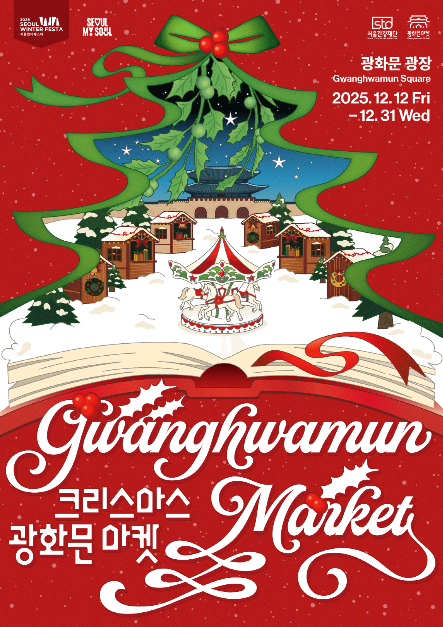
Gwanghwamun Market (광화문 마켓)
9.7Km 2025-12-05
B172 Sejong-daero, Jongno-gu, Seoul
+82-2-337-3692
Gwanghwamun Market takes place along with the Seoul Lantern Festival to support local small businesses and promote Seoul night tourism. The market features local store owners and businesses that exhibit and sell seasonal decor, handcrafted items, and winter snacks.
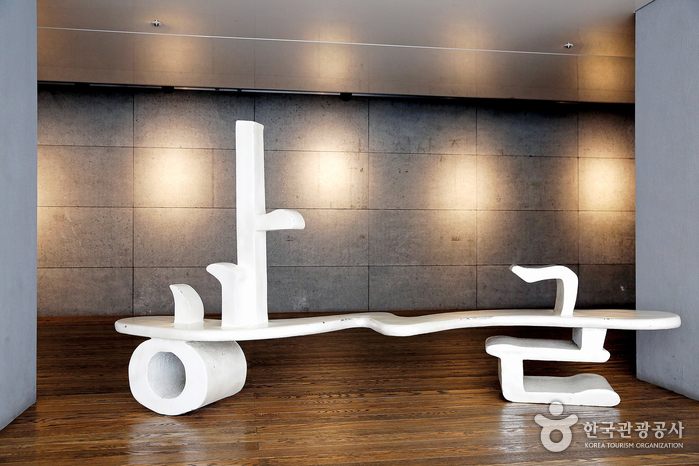
The Story of King Sejong (세종이야기)
9.7Km 2022-09-13
jiha 175, Sejong-daero, Jongno-gu, Seoul
The Story of King Sejong comprises six different sections with a total area of 3,200 square meters. The museum consists of exhibition zones, an event space, video room, shop and more to display King Sejong’s scientific, artistic, military, and political contributions, including the theory of Minbon, which recognized the people as the base of politics. King Sejong, the 4th king of the Joseon dynasty (1397-1450, reigning from 1418-1450) was responsible for some of the most brilliant achievements in the history of Korea, including the creation of Hangeul (Korean alphabet) and great advancements in the areas of science, culture, art and politics.
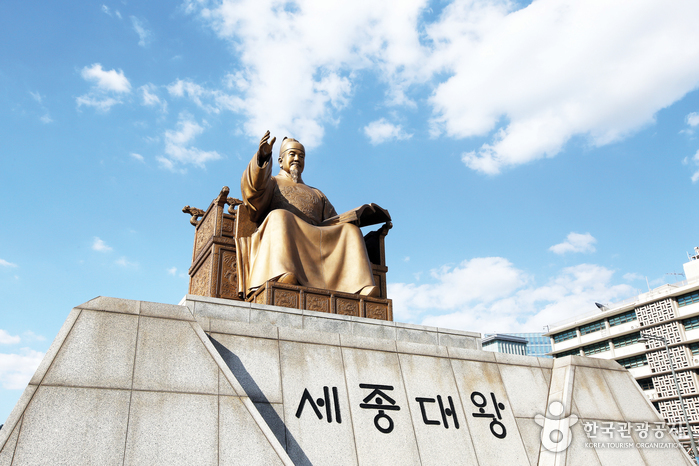
King Sejong Statue (세종대왕 동상)
9.7Km 2024-03-04
175, Sejong-daero, Jongno-gu, Seoul
King Sejong Statue can be found at Seoul’s Gwanghawmun Square. The statue commemorates King Sejong the Great (1397-1450, reign 1418-1450), the fourth king of Joseon (1392-1897). He is thought to be the greatest king in Korean history, for he is credited with great developments in science and technology, expansion of Joseon’s territory, and the creation of the Korean script, [Hangeul]. King Sejong’s likeness can be found on the 10,000 won bill as well.
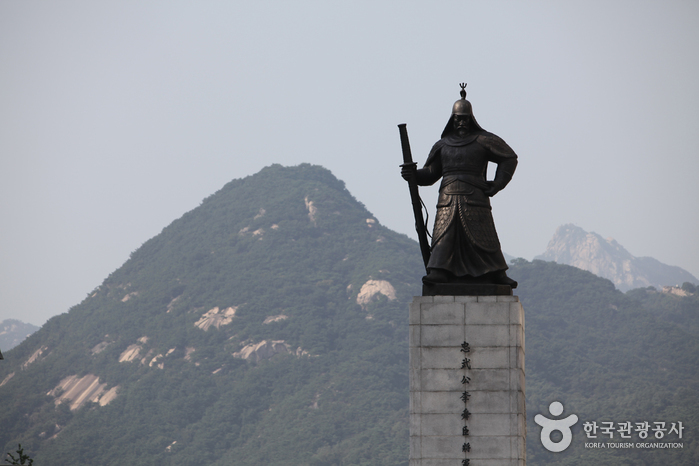
Statue of Admiral Yi Sun-Shin (충무공 이순신 동상)
9.8Km 2024-03-04
175, Sejong-daero, Jongno-gu, Seoul
The Statue of Admiral Yi Sun-Shin can be found at Gwanghwamun Square in Seoul. Admiral Yi Sun-shin (1545-1598) was a naval commander who served during the Japanese invasion of Korea (also known as Imjin War: 1592-1598). The undefeated admiral achieved 23 victories against the Japanese navy using innovative tactics, and he is thus considered as one of the greatest generals in the history of Korea. Admiral Yi’s likeness can be found on the 100 won coin.
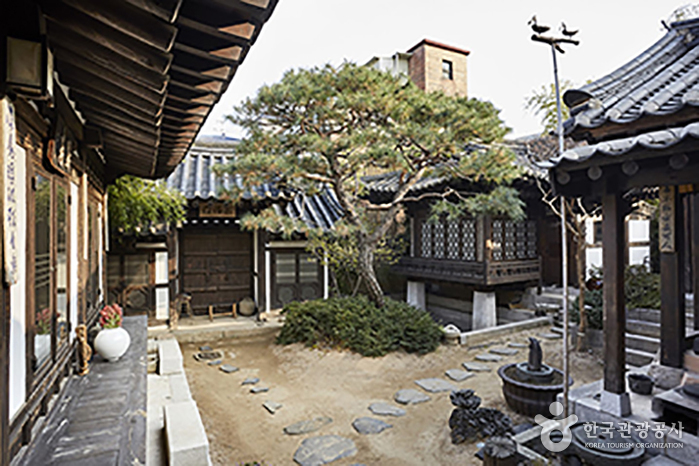
Rakkojae Seoul Bukchon Hanok Hotel (락고재 서울 북촌 한옥호텔)
9.8Km 2025-10-27
49-23 , Gyedong-gil, Jongno-gu, Seoul
Rakgojae Bukchon Hanok Hotel in Jongru-gu, Seoul, is a traditional hanok compound with a 130-year history, renovated by master carpenter Jeong Yeong-jin. The elegant gate and stone walls, the traditional roof tiles, the jangdokdae jar store, the pavilions and ponds - not to mention the beautiful pine trees - express the archetypal beauty of hanok. Sitting on the daecheongmaru (wooden patio) with a breeze in the trees, guests will feel taken back in time. Guestrooms are clean and comfortable, and visitors can relax in a wood-fired red-clay sauna and a jade-covered ondol room,. Traditional culture programs are available.
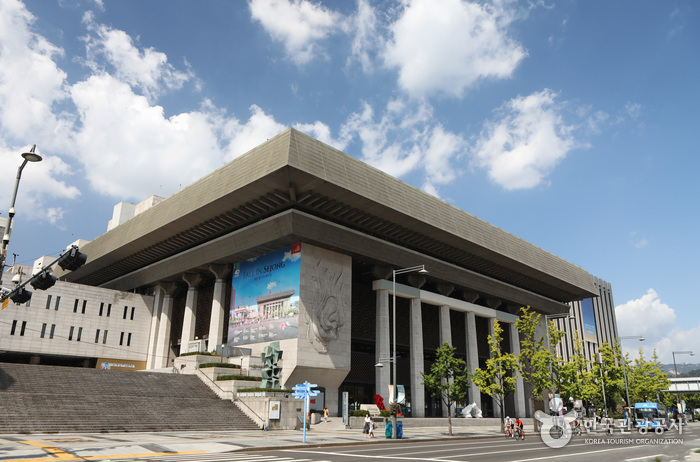
Sejong Center (세종문화회관)
9.8Km 2023-06-14
175, Sejong-daero, Jongno-gu, Seoul
Sejong Center, officially known as Sejong Center for the Performing Arts, opened on July 1, 1999 to provide citizens with a cultural art space. Having completed a grand remodeling project in 2007, Sejong Center offers customer-friendly programs aimed at improving the quality of art performances in a comfortable resting area. Comprising the Grand Theater of Sejong Center, Sejong M Theater, Sejong Chamber Hall, Exhibition Hall, and other subsidiary facilities, Sejong Center is a multicultural art center.
Various genres of performances including traditional, classic, and crossover have taken place in the center, giving many opportunities for cultural nostalgia.
* Opened April 14, 1978
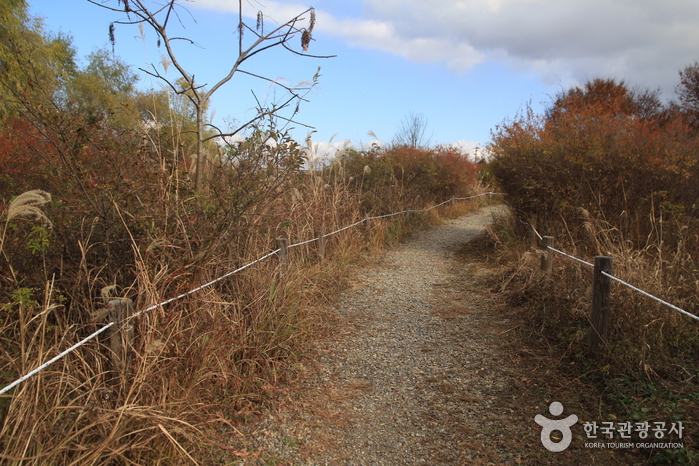
Godeok-dong Ecological Landscape Conservation Area (고덕동 생태경관 보전지역)
9.8Km 2021-06-10
Area of 396beon-ji, Godeok-dong, Gangdong-gu, Seoul
Located next to the Godeok Riverside Restoration Area, the Godeok-dong Ecological Landscape Conservation Area is one of the most well-maintained ecological preservation sites in Seoul. The area includes Amsa Sluice Gate, Hoan, and Hangang River Reservoir. The area offers educational facilities for visitors to learn more about the ecosystem.

Korea Medical Tourism Promotion Association ((사)대한의료관광진흥협회)
9.8Km 2025-10-23
(#601) 29-3 Saemunan-ro 9-gil, Jongno-gu, Seoul
The Korea Medical Tourism Promotion Association aims to attract over 100,000 medical tourists within three years by establishing a structured system for attracting medical tourists, training specialized personnel, and supporting both domestic and international medical tourism. With the increasing number of foreign visitors coming to Korea for various purposes beyond tourism, such as international conferences, business, and exhibitions, there is a growing need for specialized services.
Plans is a company that can meet all these diverse customer needs. ceremonial arrangements, tours, and events often proceed irregularly due to changes in weather, group size, and transportation. To address these variables, Plans, the plural form of "Plan," represents a company that is always prepared from start to finish. It is a leading VIP travel agency in Korea, tailored to meet the needs of its clients.
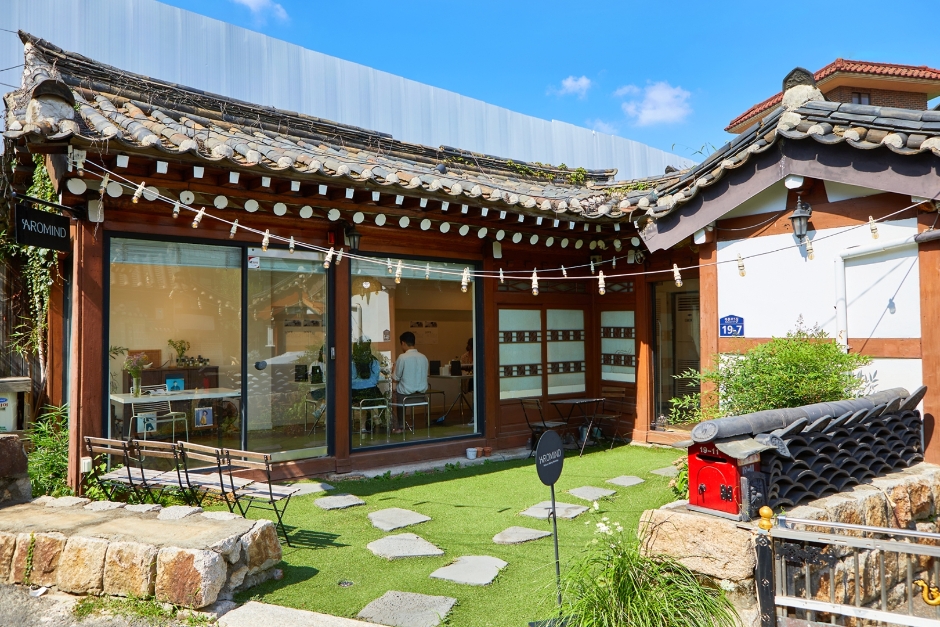
Aromind (아로마인드)
9.8Km 2024-01-30
19-7 Bukchon-ro 5-gil, Jongno-gu, Seoul
Aromind is a perfume workshop that offers a perfume-making experience with a professional perfumer in a quiet hanok building. Visitors can create their own one-of-a-kind perfume by choosing three out of 30 different scent options that change on a seasonal basis. A perfume one-day class is held for one to eight people for one to one and a half hours. The fee for the experience includes a 50 ml product and a 10 ml sample. They also offer the class in Korean with English interpretation when there non-Korean speaking participants. Aromind is the perfect place to create your own scent to associate your memory of Korea.
![Uireung Royal Tomb [UNESCO World Heritage] (서울 의릉(경종, 선의왕후) [유네스코 세계문화유산])](http://tong.visitkorea.or.kr/cms/resource/80/2690680_image2_1.jpg)
Uireung Royal Tomb [UNESCO World Heritage] (서울 의릉(경종, 선의왕후) [유네스코 세계문화유산])
9.8Km 2021-06-03
146-20, Hwarang-ro 32-gil, Seongbuk-gu, Seoul
Uireung is the royal tomb of King Gyeongjong (reign 1720-1724), the 20th ruler of the Joseon dynasty, and his second wife, Queen Seonui.
King Gyeongjong was the first son of King Sukjong and Janghuibin, who was one of King Sukjong’s concubines. King Gyeongjong, who was born weak and anemic, died four years after becoming the king, without any great political achievements. Uireung tombs differ from the other royal double tombs in that they are not placed side-by-side. Instead, according to geomantic theory, one tomb has been placed directly behind the other one. The arrangement also shows that when making tombs, Korean ancestors did their best to protect the natural environment. Another feature of Uireung Royal Tomb is the stone fence raised using twelve stone posts. Each post has a letter inscribed, representing one of the twelve sibijisin gods.
 English
 한국어
한국어 日本語
日本語 中文(简体)
 Deutsch
 Français
 Español
 Русский


