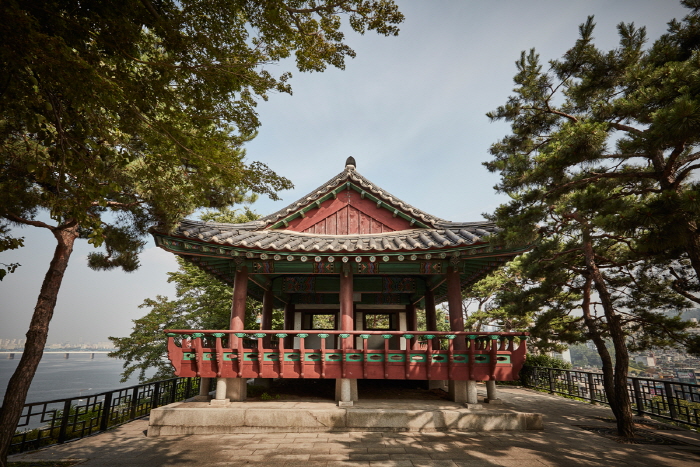
Hyosajeong Pavilion (효사정)
8.6Km 2025-01-13
55, Hyeonchung-ro, Dongjak-gu, Seoul
Hyosajeong Pavilion is where Nohan, the second vice premier of the Joseon dynasty during King Sejong and King Sejo’s reign, stayed. After he lost his mother, he built the pavilion to mourn at her grave while still being able to see his father’s grave in Gaeseong to the North. His brother-in-law, then Minister of the Interior, Gang Sa-deok named the pavilion “Hyosajeong,” which means pavilion of filial piety.
In order to find the original location of the pavilion, poems by Jeong Inji and Seo Geojeong and an old map of Korea were referenced, but the pavilion was not found because the surrounding landscape had changed too much. As a result, a location was selected and the pavilion was reconstructed at its current location. The house is 3 kan* in the front and 2 kan* on the side. The roof is a hip-and-gable roof. The pavilion has one room with under floor heating and a railing around the pavilion
(* kan: a traditional measurement that corresponds to the space between two columns)
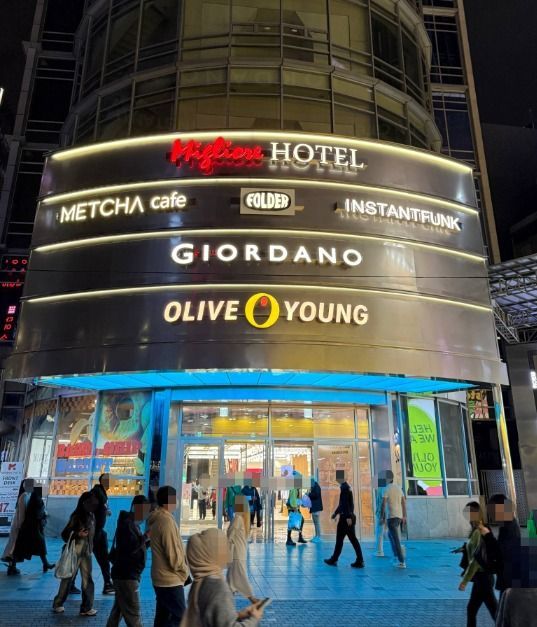
Migliore - Myeongdong Branch (밀리오레 (명동점))
8.6Km 2025-02-06
115 Toegye-ro, Jung-gu, Seoul
Migliore Shopping Mall, located in Myeong-dong, reopened in August 2024 after undergoing remodeling. It provides customers with easy access to its stores, as it is directly connected to the Myeongdong Subway Station (Seoul Subway Line 4). Myeong-dong is regarded as the shopping district for youth in their 20s. Throughout the area, signs are written in English, Chinese, and Japanese for foreign visitors. The first and the second floors function as a shopping mall, and from the 3rd to the 17th floor as a hotel, providing visitors with an opportunity to shop and stay under the same roof. The first floor of the mall features beauty and lifestyle stores and the second floor has clothing stores. This is a one-stop shopping destination for fashion items that will dress you from head to toe. Additionally, visitors can also shop for albums, magazines, and other goods featuring their favorite idols.

Leather Craft Shop (손놀림공방)
8.6Km 2025-10-30
19-1 Naksanseonggwakseo 1-gil, Jongno-gu, Seoul
The leather workshop featured in the drama 'Boyfriend'
It is a leather workshop that appeared in the scene where Cha Soohyeon (Song Hyekyo) and Kim Jinhyeok (Park Bogum) reunite in the drama 'Boyfriend'. It is run by leather craft artist Kim Yeongae and is known for its many cute items. You can experience making leather knotted string bracelets and rings at a low cost.

Arumdaun Nara Dermatology Clinic - Myeongdong (아름다운나라피부과의원 명동점)
8.6Km 2025-11-21
4th Floor, 6 Myeongdong 8na-gil, Jung-gu, Seoul
Founded in 2000. Our clinic is led by a board-certified dermatologist. One of only 2% of doctors in Korea who are certified dermatology specialists who personally provides all consultations and treatments.
The Clim Clinic (더끌림산부인과의원)
8.6Km 2025-10-23
(12th Floor, 2431 Building),109 Toegye-ro, Jung-gu, Seoul
For your healthy and beautiful life,
The Clim: Women Care Medical Group is always here for you.
At The Clim, female medical staff from Samsung Medical Center offer one-on-one consultations and personalized treatments.
Our all-female medical team provides emphatic care, understanding our patients better than anyone else.
We always listen to and address your deepest worries with warm-hearted treatment that is attuned to the needs of women, delivered by medical staff who possess both skills and expertise.
Our team consists solely of female obstetrician/gynecologists who have a deep empathy and understanding for their patients, ensuring that each patient feels more comfortable and satisfied with their procedures.
Drawing on our extensive experience, we promise to carefully consider each patient's unique physical structure, characteristics, and concerns, allowing us to effectively address even the most profound worries.
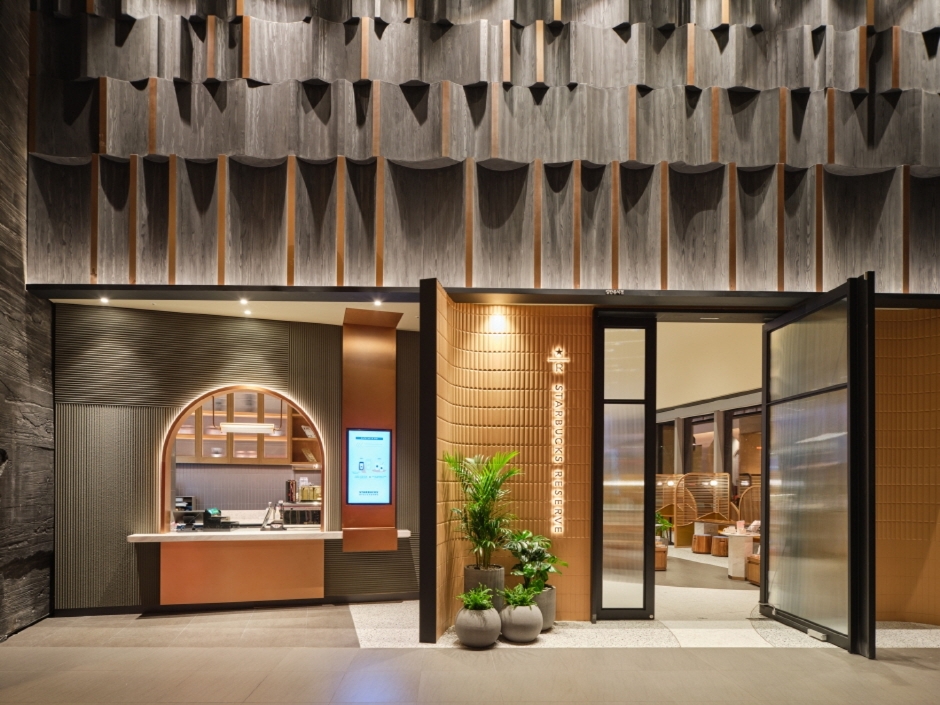
Starbucks Byuldabang (스타벅스 별다방)
8.6Km 2024-12-27
100 Toegye-ro, Jung-gu, Seoul
Byuldabang is a cozy space in the city, where the present and future of Starbucks coexist
Byuldabang is a special name. It combines the Korean words byul, which means stars, and dabang, which means a traditional space where people gather and talk over tea or drink. Byuldabang is the nickname Koreans generally use for Starbucks. Starbucks Byuldabang store opened in appreciation of customers of Starbucks Korea, celebrating its 22nd anniversary. This particular store is a Starbucks Reserve store with new concept food items, and is the first among Starbucks stores worldwide to have digital art wall decorations. The images projected to the art wall are “The Journey of Siren.” It is a surreal journey of Siren, who delivers coffee messages around the ocean, day and night. Customers love the story.
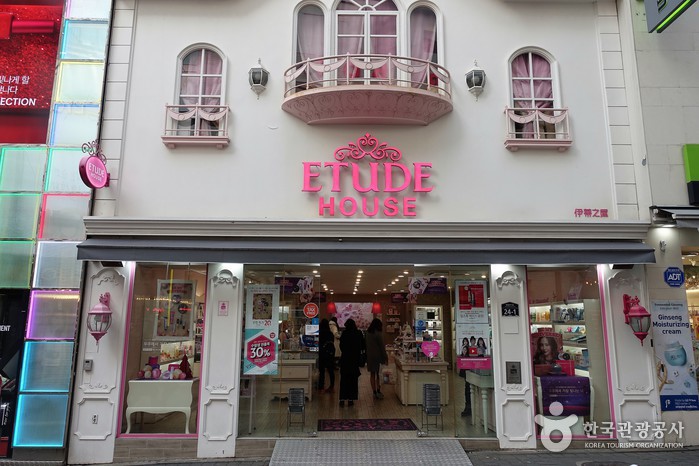
Etude house myeongdong chungmuro / 에뛰드하우스(명동충무로점)
8.7Km 2025-08-11
24-1, Myeongdong 8na-gil, Jung-gu, Seoul
Etude House is a cosmetics brand that sells makeup, hair, and fragrance products. The Etude House Myeongdong Chungmuro Branch, located in the heart of a major shopping district, carries a wide selection of cosmetics that customers may test before purchasing. Moreover, the brightly lit store interior, designed with a princess bedroom decor, adds fun to the experience.
It is visited largely by foreign customers from Japan, Thailand, China and other East Asian countries. To facilitate an easy shopping experience, the shop always has foreign staff available to assist. The most popular items include creams made using snail extract, lipsticks and eye shadows. Etude House also has many sales on facial mask packs, and tax refunds are available.
Seosulla-gil Road (서순라길)
8.7Km 2024-10-14
150-3 Jong-ro, Jongno-gu, Seoul
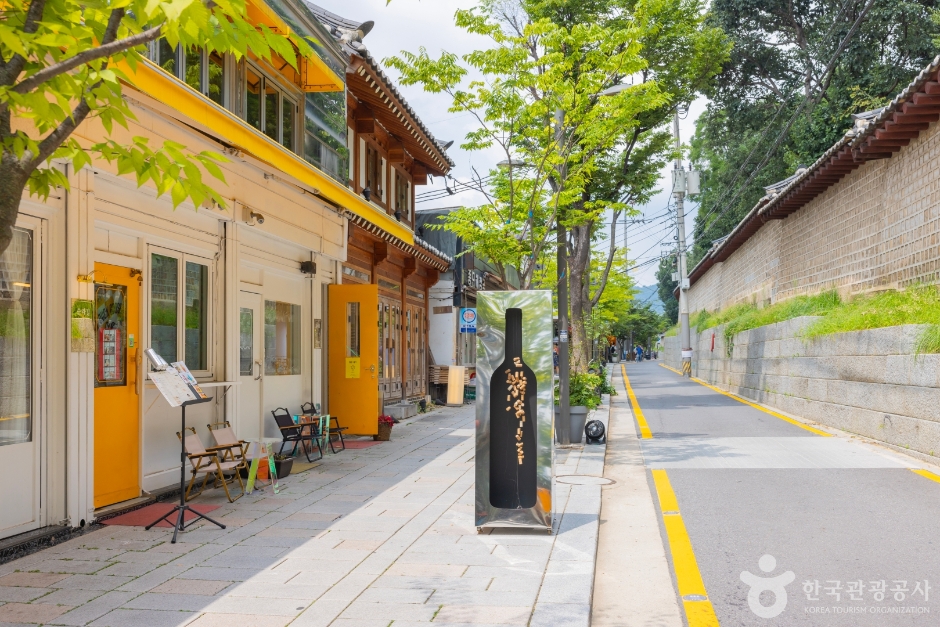
Seosulla-gil Road is a road that was used by the nightguards during the Joseon dynasty. The road is on the west of Jongmyo Shrine with various attractions nearby including Ikseon-dong, Insa-dong, Bukchon, and Samcheong-dong, as well as restaurants, cafes, and handicraft workshops. The road is also a beautiful date course with flowers in spring and fall foliage in autumn..
 English
 한국어
한국어 日本語
日本語 中文(简体)
 Deutsch
 Français
 Español
 Русский


