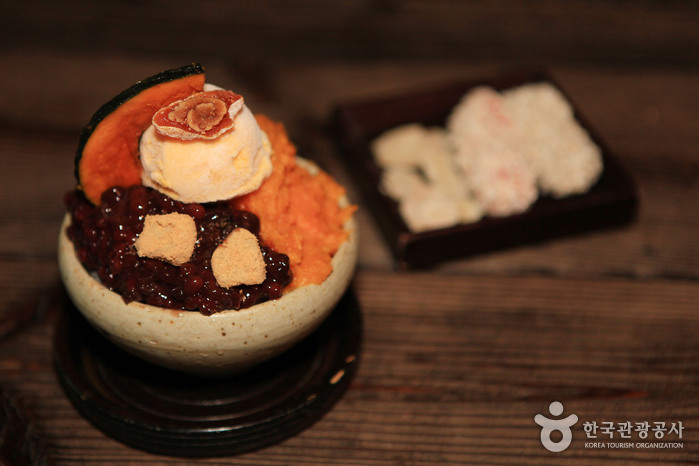
Sooyeon Sanbang (수연산방)
10.9Km 2025-10-23
8 Seongbuk-ro 26-gil, Seongbuk-gu, Seoul
Sooyeon Sanbang is a traditional tea house located in Seongbuk-dong. It was originally built during the Japanese colonial period and was the hanok of the literary figure Lee Taejun. Today, it is operated as a tea house by the writer's granddaughter. The name Sooyeon Sanbang means "a house where literati gather in the mountains." Visitors can enjoy traditional teas such as daechucha (jujube tea) and ssanghwacha (medicinal herb tea), along with snacks like injeolmi (bean-powder-coated rice cake).
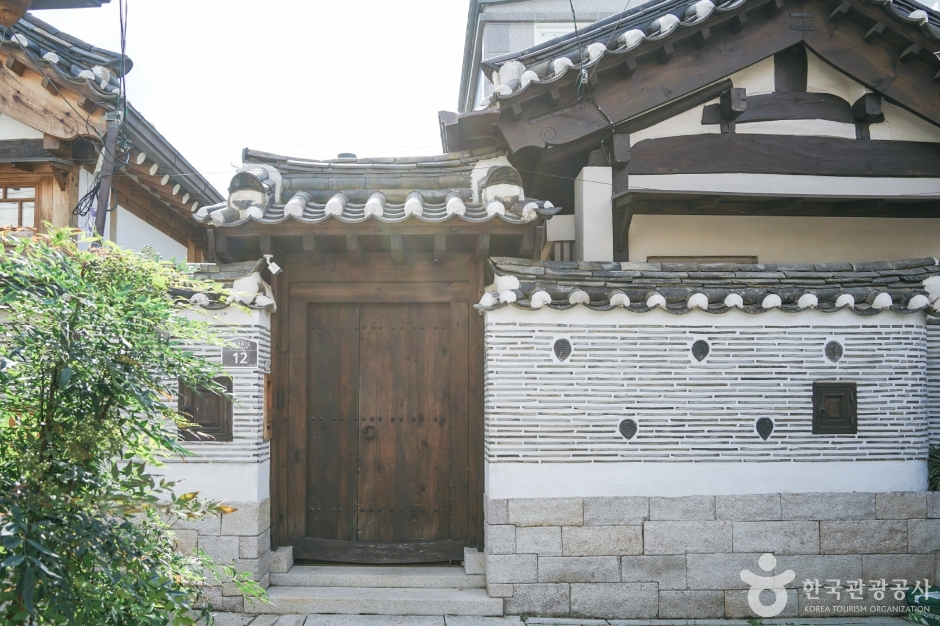
Hanok Essay Seochon (한옥에세이 서촌)
10.9Km 2024-06-04
12 Pirundae-ro 3-gil, Jongno-gu, Seoul
The area of Seochon features both traditional elements as well modern, showing the changes over time. A stay in one of the hanok houses here is the perfect way to feel this unique ambiance. Hanok Essay Seochon provides this experience, open to visitors of all ages.
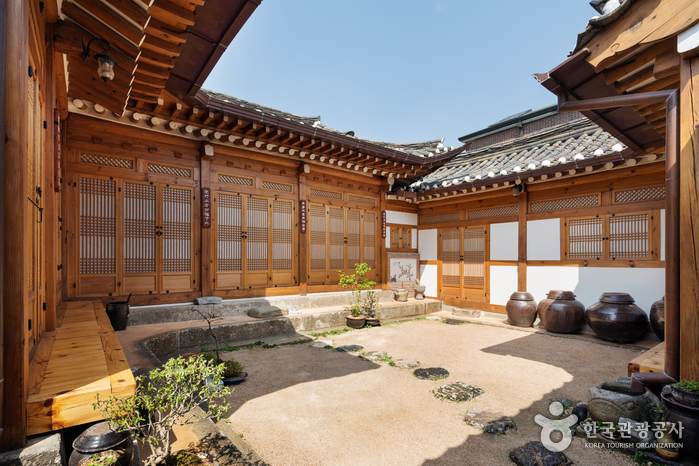
Hanok Guesthouse Dongchonchae (한옥 게스트하우스 동촌재)
11.0Km 2024-12-23
21-10 , Jahamun-ro 11-gil, Jongno-gu, Seoul
+82-10-8561-5227, +82-10-9127-5227
Dongchonjae is a hanok guesthouse in Seochon, Jongno, Seoul. The the Anchae(women's quarters) consists of four sleeping rooms and a cheongmaru lounge space, plus kitchen and toilet. (There are also shared toilets in the yard.) Cooking is not allowed, but guests are welcome to bring in prepared food. A free breakfast is provided. Guests can watch movies in the yard or main hall, and can use the refrigerator and washing machine. A guided night tour of Seoul City Wall is offered, as is a tea ceremony, and rice-cake making experience.
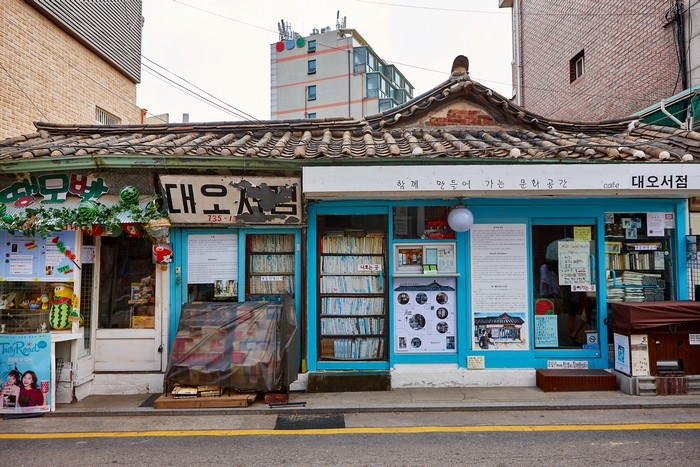
Daeo Bookstore (대오서점)
11.0Km 2025-11-05
55 Jahamun-ro 7-gil, Jongno-gu, Seoul
Daeo Bookstore is the oldest bookstore in Seoul that has been maintained in one place since it opened in 1951. Recently, it has been refurbished as a cultural space with a cafe, where one can enjoy coffee, exhibitions, and performances while looking at the yard. Visitors who just want to browse can purchase a souvenir postcard set for admission. Taking a closer look at books that feel the years and objects that have traces of use, they appear to come rather new.
![Himart - Sujin Branch [Tax Refund Shop] (하이마트 수진점)](http://tong.visitkorea.or.kr/cms/resource/43/2881643_image2_1.jpg)
Himart - Sujin Branch [Tax Refund Shop] (하이마트 수진점)
11.0Km 2024-04-22
229, Sanseong-daero, Sujeong-gu, Seongnam-si, Gyeonggi-do
-
Seongbukro (성북로)
11.0Km 2024-02-15
1-2F, 10 Seongbuk-ro 28-gil, Seongbuk-gu, Seoul
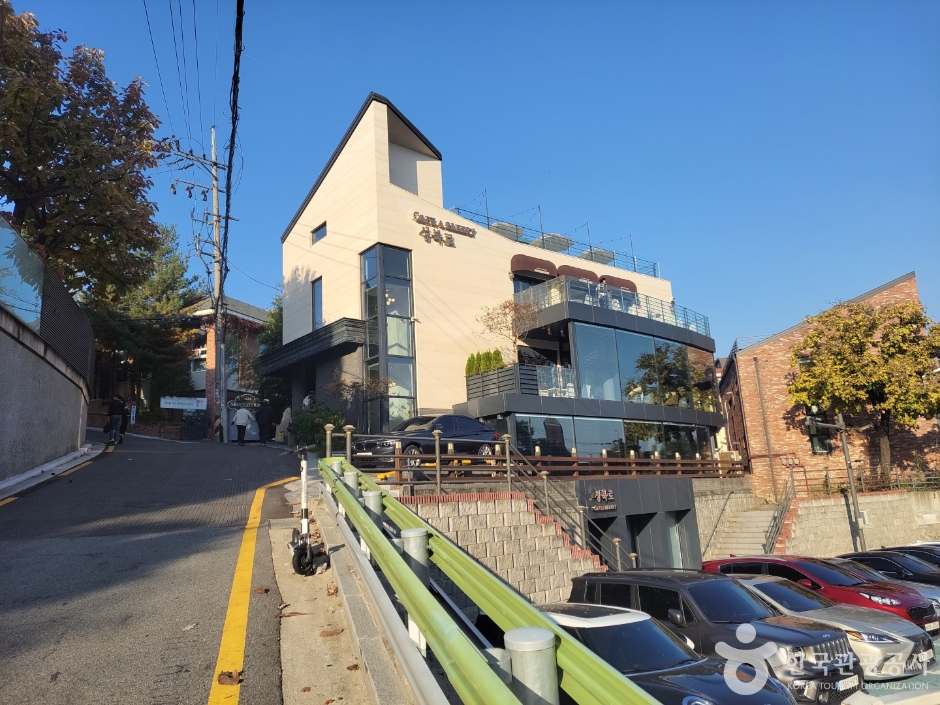
Seongbukro is a café located 15 minutes away from the UNESCO World Heritage site Changdeokgung Palace. With an elegant atmosphere, the café is structured with three floors and a rooftop. The signature menu is the mandarin latte, featuring a refreshing taste with plenty of tangerines in milk. Additionally, the café is known for making desserts on-site, following the principle of selling them on the same day they are produced. Signature desserts include croissants with milk cream and mont blanc.
Cheongwadae Sarangchae (청와대사랑채)
11.0Km 2025-08-20
45 Hyoja-ro 13-gil, Jongno-gu, Seoul
+82-2-723-0300
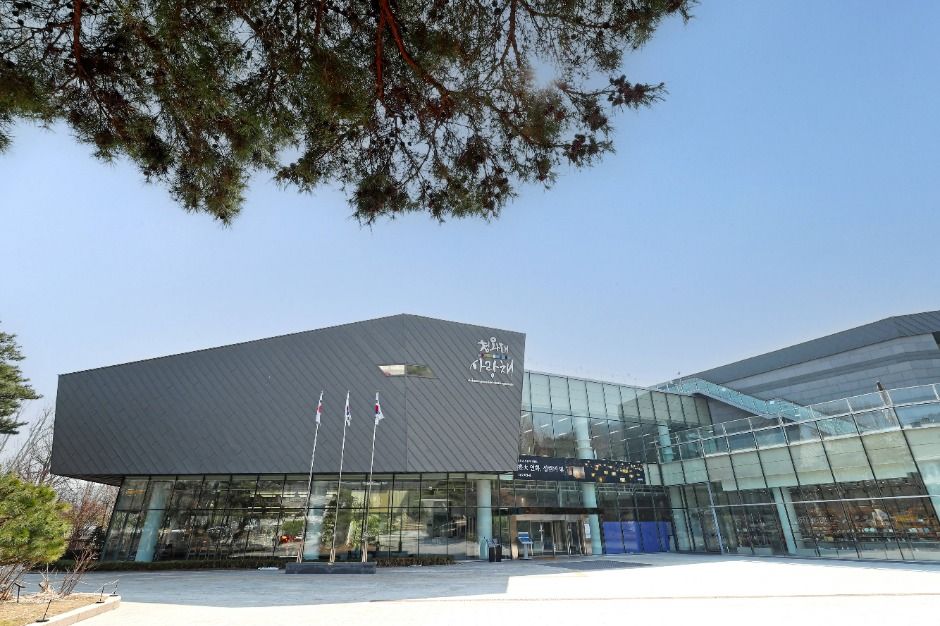
Cheongwadae Sarangchae is an “open cultural space” for everyone. Throughout the facility, travel library-themed spaces and tourism-related exhibitions are set up providing distinctive experiences for visitors interested in learning more about Korea. By exploring Cheongwadae Sarangchae and its surroundings, visitors can expand their discovery and get a deeper insight as they travel Korea. Cheongwadae Sarangchae consists of exhbition halls on the first and second floors, with convenient amenities such as a nursing room, storage lockers, accessible restrooms, a gift shop, and a cafe.
Cheong Wa Dae Media Display (청와대 국민과 함께 영상전시)
11.0Km 2025-08-20
1 Cheongwadae-ro, Jongno-gu, Seoul
박주원 학예연구사 02-3771-8636
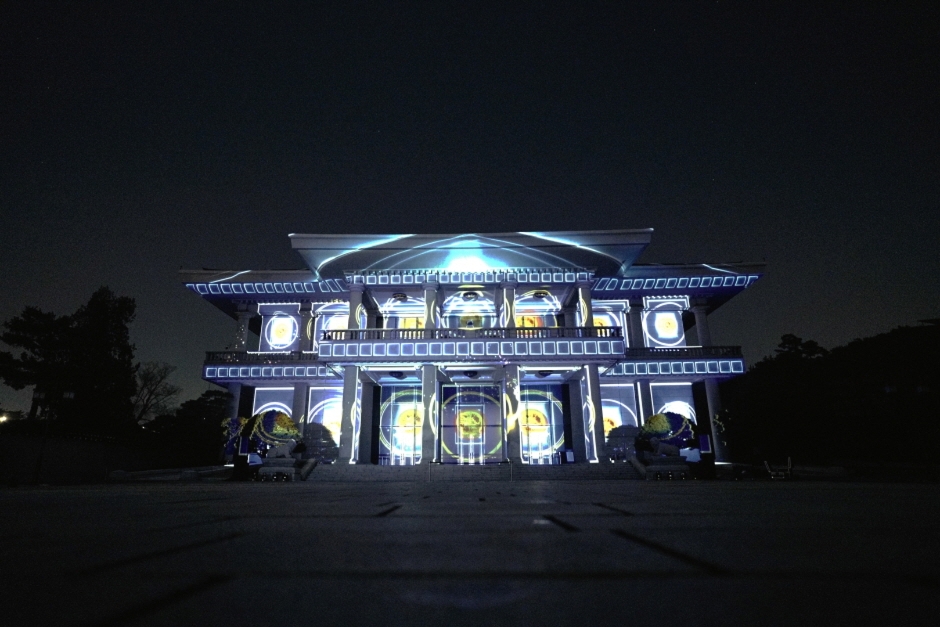
Cheong Wa Dae Media Display brightens the night through a media facade display on Yeongbingwan Hall. The display shows the history of Cheong Wa Dae through the theme "Twelve Lights".
The Street in front of Cheongwadae (The Blue House) (청와대 앞길)
11.0Km 2025-08-20
Gungjeong-dong, Jongno-gu, Seoul
+82-2-120
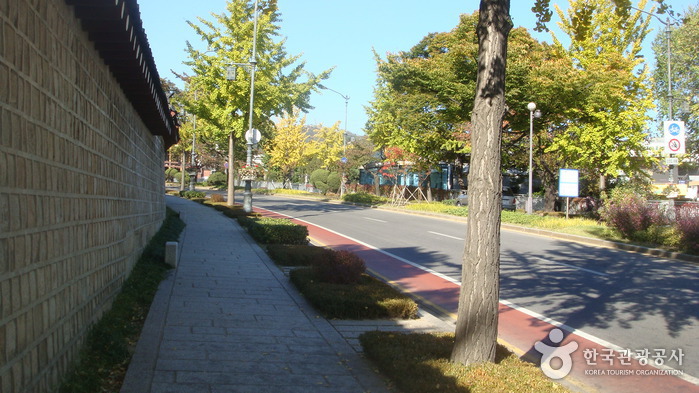
The street in front of Cheongwadae (the Blue House) is open to the public and includes both Hyoja Samgeori (Hyoja three-way intersection) in Hyoja-dong and Palpan Samgeori (Palpan three-way inetersection) in Palpan-dong. When walking along Hyoja-ro Road from Gyeongbokgung Station, sights include a fountain, Mugunghwa Garden, Yeonmugwan Hall, and Daegogak & Yeongbingwan Hall.
Cheongwadae Sarangchae consists of one basement level and two above-ground levels, including Korean Culture Exhibition Hall, Planned Exhibition Hall, a gift shop, and rest area (Korean Food Promotion Hall, Café) on the first floor and Cheongwadae Hall and Haengboknuri Hall on the second floor. Daegogak Hall houses a book donated to former president, Kim Young-sam for expressing the past spirit of Sinmungo (Petitioner's drum from Korean History). Yeonmugwan Hall is a martial art and fitness center for guards. Mugunghwa Dongsan, formed after the ansa (Safe House) was demolished in 1993, includes a well, mock fortress, and rest area. Located behind Mugunghwa Dongsan is Apostolic Nunciature in Korea and Chilgung (Seven Palaces).
At the beginning of the street in front of Cheongwadae, dense trees and beautiful flower gardens decorating both sides of the road make it a nice place for taking a walk. The area from the north gate of Gyeongbokgung Palace, Chunchumun, to the main gate of Gyeongbokgung Palace, Geonchunmun, is Samcheongdong-gil Road. This road is home to many art galleries, including Kukje Gallery, Growrich Gallery, Gallery Hyundai, and Jin Art gallery, in the area of Hyoja-ro.
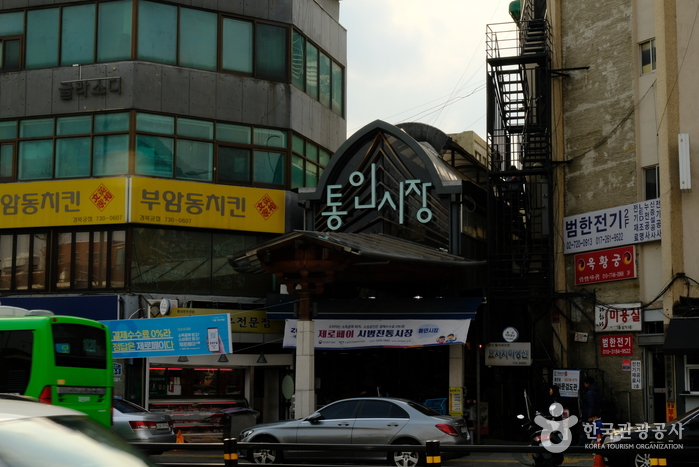
Tongin Market (통인시장)
11.0Km 2025-06-19
18 Jahamun-ro 15-gil, Jongno-gu, Seoul
Tongin Market dates back to June 1941, as a public market set up for Japanese residents near the Hyoja-dong neighborhood when Korea was still under Japanese rule. After the Korean War, the nation experienced a swift rise in population, which led to a natural increase in consumption and demand. As a result the area’s street vendors and stores used the former Tongin Market area as their marketplace. Now, Tongin Market consists of 75 stores, most of which are restaurants and grocery stores. There are also some shops selling manufactured goods like underwear and shoes.
 English
 한국어
한국어 日本語
日本語 中文(简体)
 Deutsch
 Français
 Español
 Русский


