
Olive Young - Daehakro Branch [Tax Refund Shop] (올리브영 대학로점)
9.4Km 2024-06-27
1F~3F, 237, Changgyeonggung-ro, Jongno-gu, Seoul
-
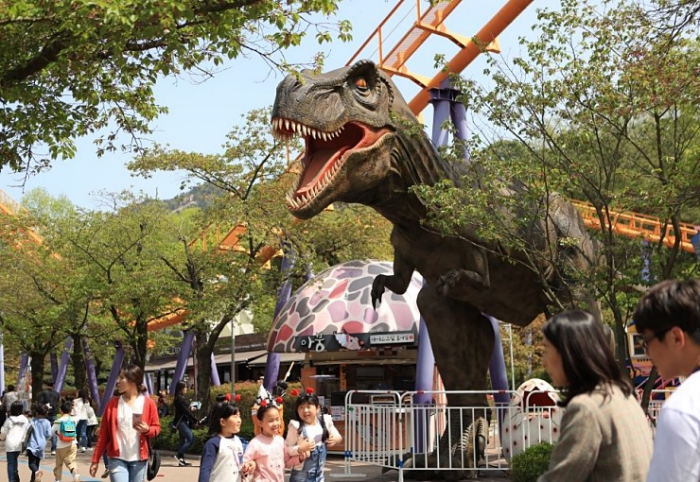
Seoulland (서울랜드)
9.4Km 2023-03-23
181, Gwangmyeong-ro, Gwacheon-si, Gyeonggi-do
+82-2-509-6000
Seoulland was the first theme park in Korea, built at the foot of Cheonggyesan Mountain. With more that 50 rides and other seasonal attractions, Seoulland offers thrill and excitement for people of all ages. Luna Land and Jurassic Land are not to be missed.
The pride of Seoulland is its wide selection of seasonal festivals and the unique Laser Show held during the evening. Seoulland is a popular destination as it is easily accessible from downtown Seoul and has many nearby attractions, being part of the larger Seoul Grand Park complex. Seoul Grand Park holds various festivals for each season of the year. The Tulip Festival is held from April to May; the Starlight Rose Festival from July to August; the Chrysanthemum Festival from September to October; and the Snow Light Festival from December to February.
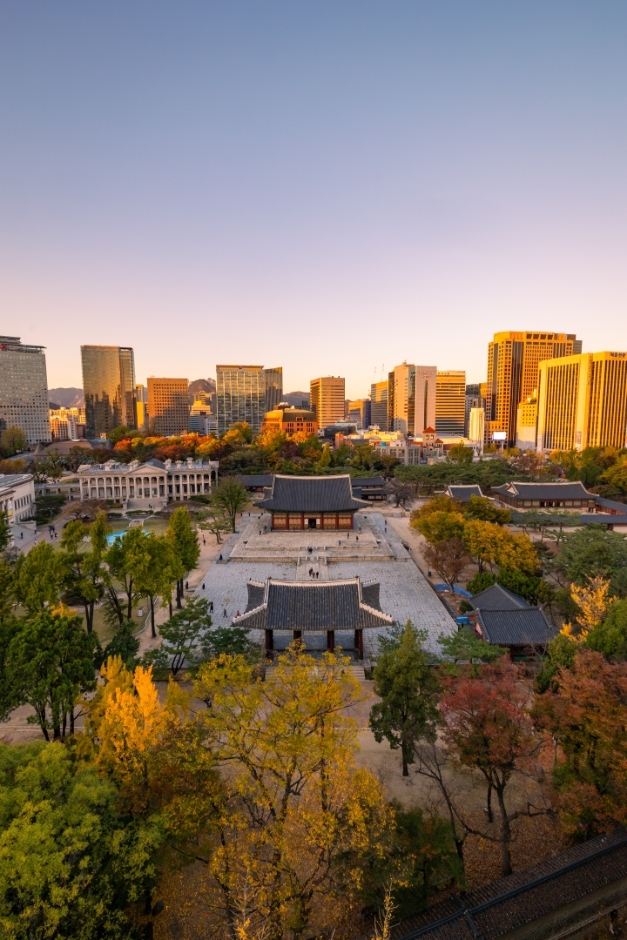
Deoksugung Palace (덕수궁)
9.4Km 2025-06-25
99 Sejong-daero, Jung-gu, Seoul
Registered as a Historic Site, Deoksugung Palace was initially not a royal palace, but the residential home of Grand Prince Wolsan (1454-1488), the older brother of King Seongjong (1469-1494) of the Joseon dynasty. It wasn't until 1593 that the palace was used as a temporary palace of the royal family after their home was burned down during the Imjin War. King Seonjo also stayed at Deoksugung Palace after returning to the city. It became a proper palace when Gwanghaegun (1575-1641) ascended to the throne and gave this royal residence the name Gyeongungung Palace in 1611. Over the following decades, the palace alternated between being an official palace and a temporary residence. The name did not change officially to Deoksugung Palace, meaning the “palace of virtuous longevity,” until 1907. While the palace once encompassed a vast area with many buildings, the current palace grounds are just a small shadow of the prior splendor, with very few structures remaining.
![Slow Steady Club - Samcheong Branch [Tax Refund Shop] (슬로우스테디클럽 삼청)](http://tong.visitkorea.or.kr/cms/resource/13/3314413_image2_1.jpg)
Slow Steady Club - Samcheong Branch [Tax Refund Shop] (슬로우스테디클럽 삼청)
9.4Km 2024-06-27
2F, 84, Yulgok-ro, Jongno-gu, Seoul
-
Insa-dong Geujip (인사동그집)
9.4Km 2024-03-18
3 Insadong 12-gil, Jongno-gu, Seoul
+82-2-737-0575
Insa-dong Geujip is a hanok-style Korean restaurant located in a narrow alley in Insa-dong. Their signature dish, bulgogi yachaemari (bulgogi and vegetable roll), allows you to choose between stir-fried pork bulgogi, beef bulgogi, or chicken bulgogi. Visitors can enjoy the tangy and sweet flavor of the radish wrap filled with bulgogi and julienned vegetables, accompanied by side dishes and soybean paste stew. They also offer bulgogi nakji jeongol (bulgogi and octopus hot pot), cheolpan sogalbijjim (stir-fried marinated galbi on hot iron plate), and dolsot bibimbap (hot stone pot bibimbap) along with hahu yukhoe bibimbap (Korean beef tartare bibimbap).
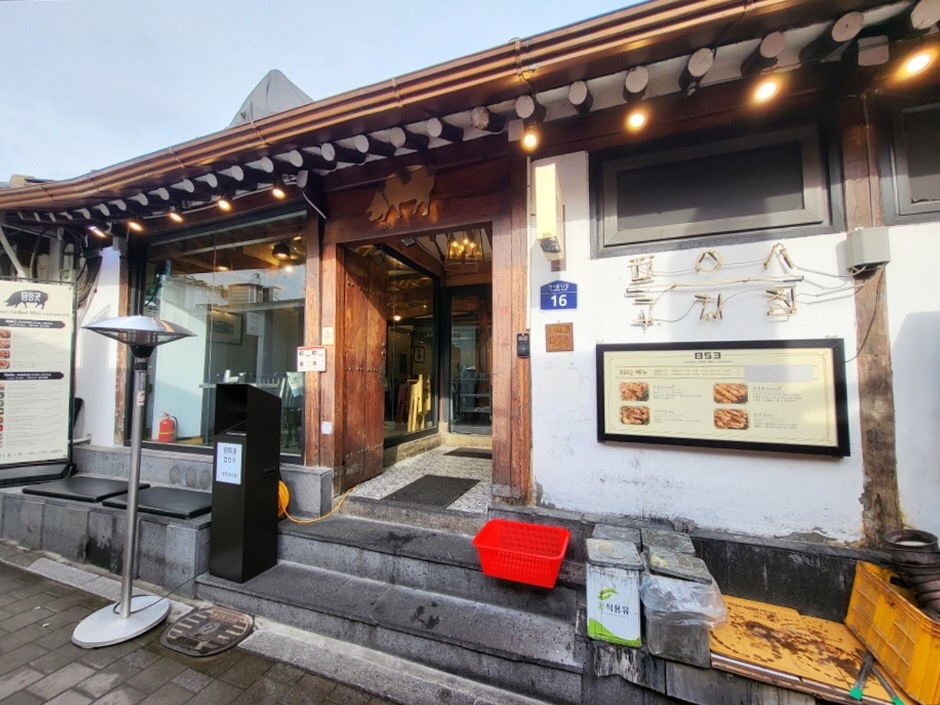
853 (팔오삼)
9.4Km 2024-03-15
16 Insadong 12-gil, Jongno-gu, Seoul
+82-70-8832-0853
853 is a pork barbecue restaurant located in a renovated hanokin Insa-dong, offering various cuts of pork such as shoulder, belly, blade-end fatback, and pork neck. They use thick cuts of domestically sourced pork and grill them to perfection, ensuring they are juicy and flavorful. Customers can enjoy dipping their meat in one of four sauces: Himalayan rock salt, mustard seeds and wasabi, salted cutlassfish intestines, and barley mixed paste. Their flying fish roe riceball mixed with pickled radish salad, burdock root, flying fish roe, perilla leaves, and mayonnaise pairs perfectly with the meat.
Youngone Corporation [Tax Refund Shop] (주식회사 영원무역)
9.4Km 2024-04-19
159, Mallijae-ro, Jung-gu, Seoul
-
Olive Young - Hanam Gamil Branch [Tax Refund Shop] (올리브영 하남감일점)
9.4Km 2024-06-26
#115~#117, 61, Sinusil-ro, Hanam-si, Gyeonggi-do
-
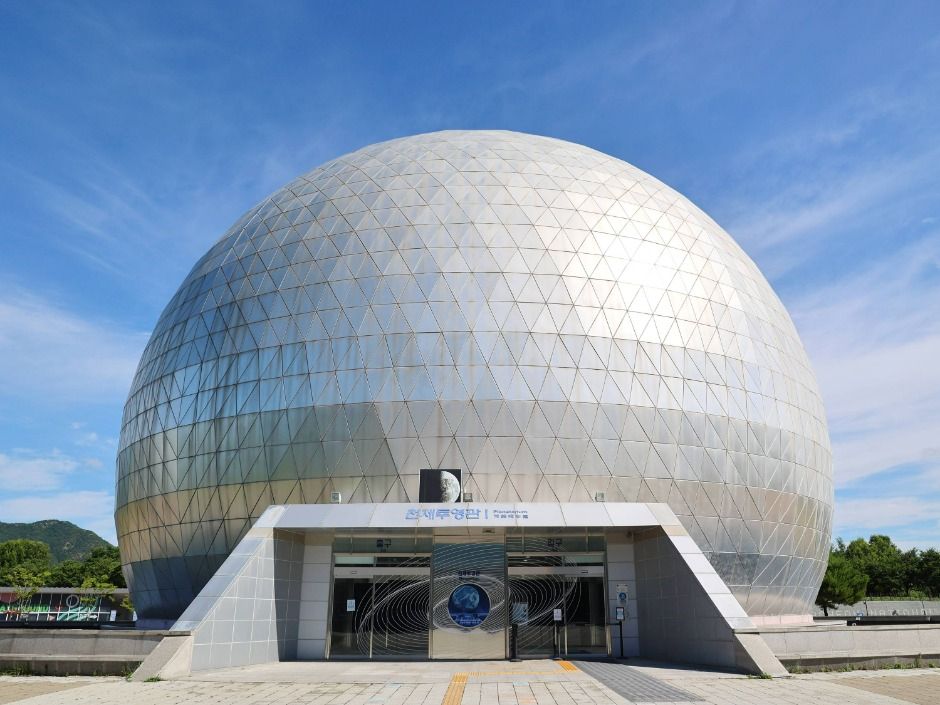
Gwacheon National Science Museum (국립과천과학관)
9.4Km 2025-07-14
110, Sanghabeol-ro, Gwacheon-si, Gyeonggi-do
As a landmark facility representing Korea’s advanced science and technology capabilities, Gwacheon National Science Museum strives to encourage young visitors to become interested in science and shares with the public scientific principles that govern daily life. The museum has permanent exhibition halls, special exhibition halls, a planetarium, outdoor exhibitions, and more. Over 50% of the exhibition items on display are interactive, allowing visitors to jump in and experience science first-hand using their minds and their imagination.
Olive Young - Donam Branch [Tax Refund Shop] (올리브영 돈암점)
9.4Km 2024-06-27
39, Dongsomun-ro 22-gil, Seongbuk-gu, Seoul
-
 English
 한국어
한국어 日本語
日本語 中文(简体)
 Deutsch
 Français
 Español
 Русский


