
La:ppland [Tax Refund Shop] (라플란드)
11.5Km 2024-04-16
Bldg. Ga. 1F, 83, Samcheong-ro, Jongno-gu, Seoul
-
CHA Bundang Medical Center (차의과학대학교 분당차병원)
11.5Km 2025-10-23
59 Yatap-ro, Bundang-gu, Seongnam-si, Gyeonggi-do
Founded in 1960, CHA Hospital has grown into a global medical institution, delivering exceptional healthcare across 91 facilities in 7 countries. With more than six decades of medical expertise, we are committed to providing world-class medical services.
CHA Bundang Medical Center is the largest and most prominent hospital within the CHA Medical Center network in Korea. As our flagship hospital, it offers patient-centered care that meets international standards. With over 40 specialized centers, we provide comprehensive and personalized treatment services, ranging from routine checkups to advanced infertility treatments and the management of severe conditions, including female cancers.
Every year, CHA Hospital cares for 120,000 outpatients and 300,000 inpatients. Our International Medical Center ensures that foreign patients receive customized, high-quality care tailored to their needs.
ER Newcore Outlets - Yatap Branch [Tax Refund Shop] (ER 뉴코아아울렛 야탑)
11.5Km 2024-04-23
11, Yatap-ro 81beon-gil, Bundang-gu, Seongnam-si, Gyeonggi-do
-
![EW Folder - Sangbong Branch [Tax Refund Shop] (EW 폴더 상봉)](http://tong.visitkorea.or.kr/cms/resource/39/2888939_image2_1.jpg)
EW Folder - Sangbong Branch [Tax Refund Shop] (EW 폴더 상봉)
11.5Km 2024-04-18
Sangbong Duo Turris, 131, Sangbong-ro, Jungnang-gu, Seoul
-
![Olive Young - Sangbong Duoturris Branch [Tax Refund Shop] (올리브영 상봉듀오트리스)](http://tong.visitkorea.or.kr/cms/resource/83/2889183_image2_1.jpg)
Olive Young - Sangbong Duoturris Branch [Tax Refund Shop] (올리브영 상봉듀오트리스)
11.5Km 2024-04-18
131, Sangbong-ro, Jungnang-gu, Seoul
-
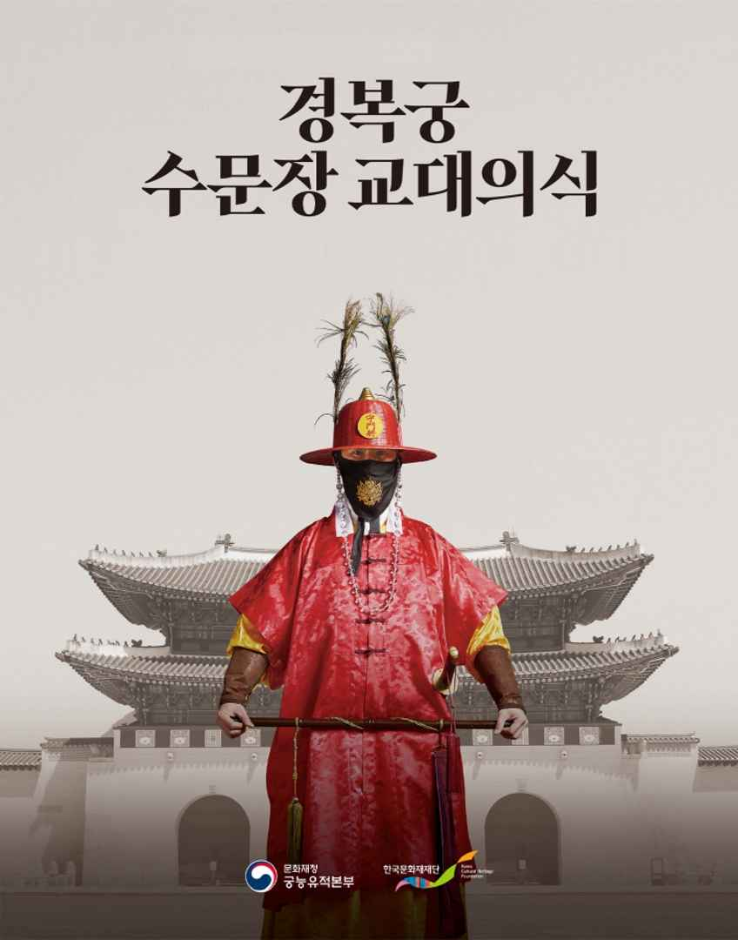
Palace Royal Guard Changing Ceremony (수문장 교대의식)
11.5Km 2025-07-11
161 Sajik-ro, Jongno-gu, Seoul
+82-2-3210-1645
In the Joseon dynasty, the royal guards of the palace were gatekeepers who were responsible for guarding the the main gates of Gyeongbokgung Palace as well as the main gates of the city such as Heunginjimun Gate and Sungnyemun Gate. The royal guards worked in shift duties and were in charge of opening and closing Gwanghwamun Gate. Before the royal guard system was enforced in 1469, the palace gates were protected by soldiers of the central army. The Palace Royal Guard Changing Ceremony held at Gyeongbokgung Palace and the Gwanghwamun area reenacts the guard-changing procedure that took place during the Joseon dynasty, along with the reproduction of costumes and weapons, based on historical records.
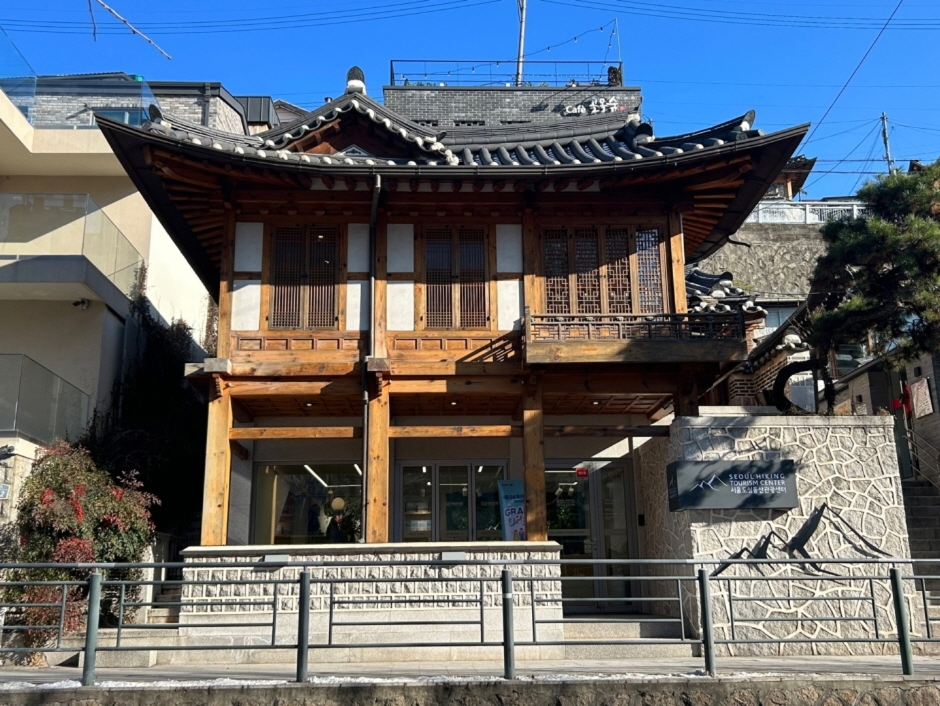
Seoul Hiking Tourism Center - Bugaksan Branch (서울도심등산관광센터(북악산))
11.5Km 2024-03-05
88 Samcheong-ro, Jongno-gu, Seoul
The Bugaksan branch of Seoul Hiking Tourism Center is located on Samcheong-dong Culture Street and provides various services to hikers. It provides hiking course guidance and information (available in Korean, English, Chinese, and Japanese) about the mountains of Seoul, including Bukhansan, Bugaksan, and Inwangsan Mountains, as well as promotional materials such as Seoul hiking tourism guidebooks and maps. Also, it operates hiking tour programs with various themes every week for foreigners and offers hiking gear rental services such as hiking boots, hiking attire, trekking poles, gloves, and crampons for foreigners. (Koreans accompanied by foreigners can also rent the gear.) In addition, there is a storage locker and lounge for visitors, so they can pack up and rest before hiking.
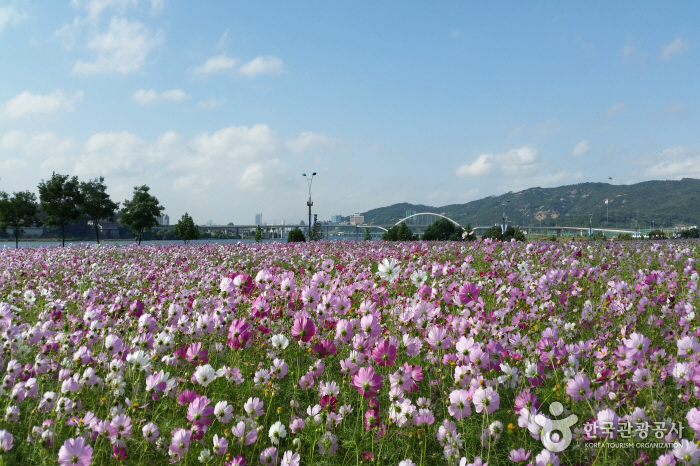
Guri Hangang Park (Cosmos Park) (구리시민한강공원 (코스모스공원))
11.6Km 2021-09-15
Topyeong-dong, Guri-si, Gyeonggi-do
+82-31-550-2474
Guri Hangang Park offers a perfect rest area for visitors where visitors can feel the cool breeze coming off the river and rest amidst the beautiful natural scenery. The park’s bounties of flowers are at their peak in May with field of canola flowers, and in September when the cosmos bloom.
Chebudong Janchijip Dwaejigalbi (체부동잔치집돼지갈비)
11.6Km 2024-03-18
24 Jahamun-ro 1-gil, Jongno-gu, Seoul
+82-2-722-3555
Chebudong Janchijip Dwaejigalbi is a restaurant where marinated pork galbi are grilled over charcoal fire. It offers various side dishes along with rich soybean paste jjigae. Enjoying cold buckwheat noodles with the tender marinated pork galbi, which are well-aged, is also recommended. Additionally, there are individual menu items such as dubu jeongol (bean curd hot pot), hoe naengmyeon (cold buckwheat noodles with raw fish), bibimbap, and gamjajeon (potato pancake).
The Children’s Museum of the National Folk Museum of Korea (국립민속박물관&국립민속박물관 어린이박물관)
11.6Km 2025-06-19
37 Samcheong-ro, Jongno-gu, Seoul
The Children’s Museum of the National Folk Museum of Korea, located within Gyeongbokgung Palace, showcases artifacts related to Korean traditional culture. This interactive museum allows children to experience and learn about various aspects of Korean traditional clothing, food, society, culture, and games firsthand. Especially catering to children from Asian countries, there is a service for renting items, and reservations are required for admission.
 English
 한국어
한국어 日本語
日本語 中文(简体)
 Deutsch
 Français
 Español
 Русский


