
Asan Medical Center (서울아산병원)
5.3Km 2025-10-23
(Pungnap-dong), 88 Olympic-ro 43-gil, Songpa-gu, Seoul
Opened in June 1989, Asan Medical Center is the largest tertiary hospital in Korea with 2,764 beds. In 2023, we treated an average of 13,260 outpatients and 2,539 inpatients per day, and performed 70,892 surgeries throughout the year.
With three specialty hospitals–Cancer Institute, Heart Institute, and Children's Hospital–and more than 50 specialized centers, we lead the world in cancer, organ transplantation, and cardiac care. In recognition of our efforts, we have topped the list of Korea's Most Admired Hospitals for 18 consecutive years and ranked NO. 1 in Korea for six consecutive years in U.S. Newsweek's World's Best Hospitals.
As a "quarternary hospital" serving critically ill patients from Korea and abroad who come to us as their last hope, Asan Medical Center treats more than 20,000 international patients from around 100 countries, including the United States, United Arab Emirates, and Mongolia. Medical professionals from developed countries visit us to learn our advanced medicine. Over the past decade, more than 3,700 professionals from nearly 90 countries have visited us to learn the latest medical techniques.
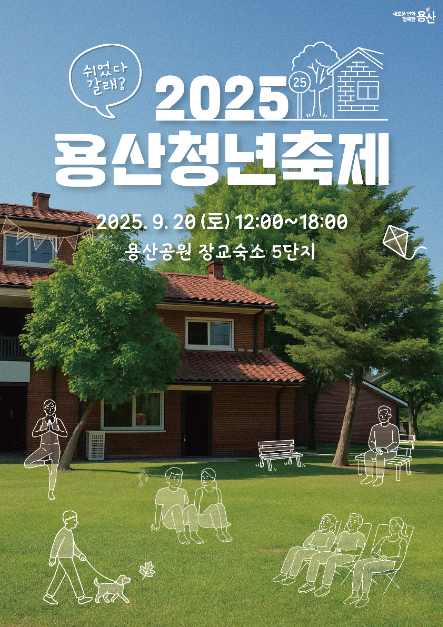
Yongsan Youth Festival (용산청년축제)
5.3Km 2025-10-23
221 Seobinggo-ro, Yongsan-gu, Seoul
+82-10-9771-2090
The Youngsan Youth Festival, a wellness-themed event, invites both youths and residents to take the initiative for their well-being by achieving a balanced state of mental, physical, and social health. During the festival, visitors can enjoy dance performances, shows by popular singers, magic shows, traditional Korean music ensembles, and a commemorative ceremony featuring congratulatory remarks.
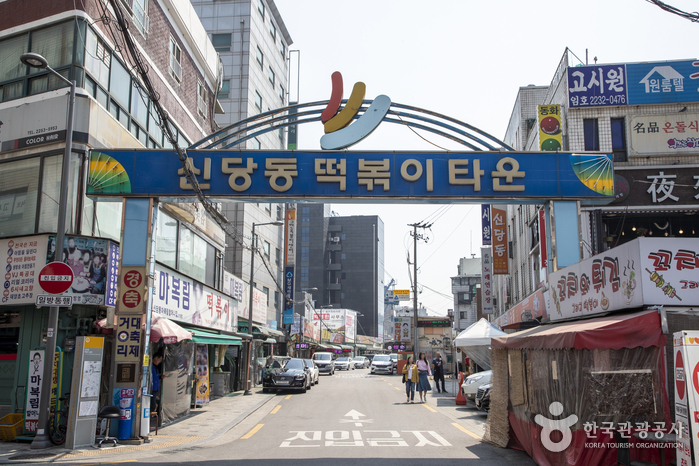
Sindang-dong Tteokbokki Town (신당동떡볶이골목)
5.5Km 2022-10-25
10-18, Dasan-ro 33-gil, Jung-gu, Seoul
Sindang-dongTteokbokki Town started in the late '70s, although the alley did not become famous until the '80s. At that time, each restaurant had its own DJ booth, with the image of the "cool DJ" who played the music becoming a symbol of Sindang-dong Tteokbokki Town. In addition, this period also marked the prime time of high school baseball where students would crowd the streets on days when Duksoo Commercial High School and Sunrin Commercial High School (now Sunrin Internet High School) played against one another. Although these high school students have aged, they continue to visit the area, reliving their youth and continuing to indulge in the specialty tteokbokki.
However, some claim the history of this alley began in the 1950s. The owner of Mabongnim Halmeoni Tteokbokki restaurant says tteokbokki was being sold as early as 1953 as the area used to be home to Donga Theater and she sold tteokbokki, corn and potatoes to those visiting the theater. At first, tteokbokki was simply made with gochujang (red chili paste) but as time went by, cooks decided the dish could be more than just a snack. By adding ingredients like eggs, cellophane noodles, fish cakes, instant noodles and more recently squid, prawn and cheese, tteokbokki can be made more delicious and turns this beloved snack into a full meal.
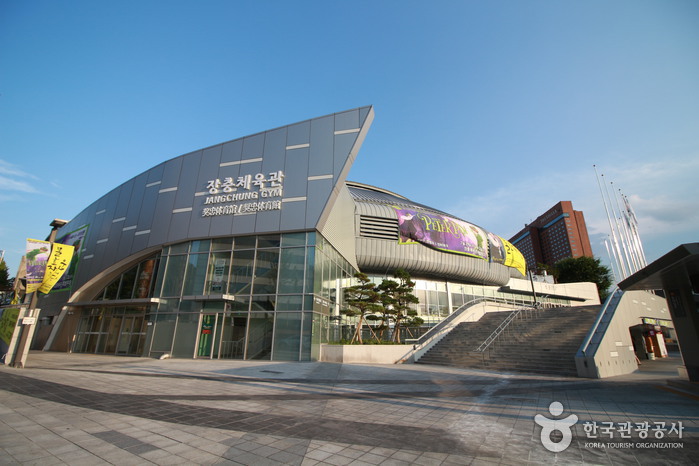
Jangchung Gymnasium (장충체육관)
5.5Km 2024-03-12
241, Dongho-ro, Jung-gu, Seoul
Jangchung Gymnasium is Korea's first domed gymnasium and opened in 1963. It was renovated in 2015 to become what it is today. It is famous for hosting the Korean Professional Volleyball League during the winter months. The gymnasium also boasts a variety of athletic competitions, cultural performances, and events. Nearby are Jangchungdan Park, Jangchung-dong Jokbal Street, and Dongdaemun Historical and Cultural Park, which are all worth exploring.
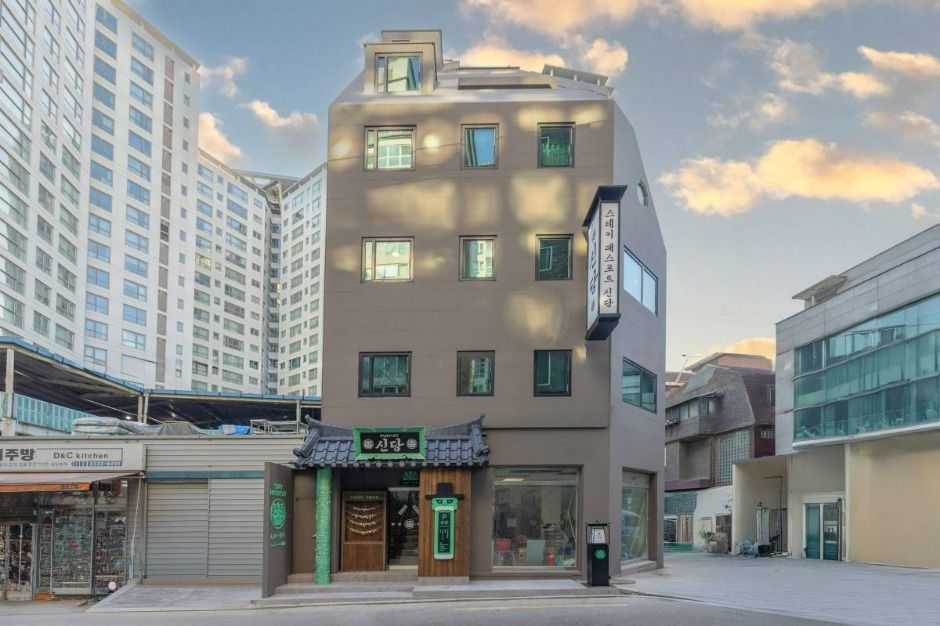
Stay Passport Sindang Ryokan (스테이 패스포트 신당 료칸)
5.5Km 2025-04-24
33 Nangye-ro 11-gil, Jung-gu, Seoul
Stay Passport Sindang Ryokan offers a four major room types: "Goyo" and "Sohyang," designed for two who seek privacy and relaxation away from the busy city life; "Pungryu," accommodating up to four people, perfect for family guests or a group of friends; and "Pungyo," designed to offer utmost relaxation.
National Theater of Korea (국립극장)
5.5Km 2024-03-06
59, Jangchungdan-ro, Jung-gu, Seoul
The National Theater of Korea opened in 1950 as the first national theater in Asia. It is the only production theater that takes traditional arts to recreate them as contemporary art. It offers various types of theaters, such as Haeoreum Grand Theater, Daloreum Theater (middle-size), Immersive Studio ByeolByeol (small-size), and Haneul Round Theater with a circular stage structure. In addition, the Museum of Performing Arts, Cultural Plaza, and other convenience stores and coffe shops offer pleasure and relax to its visitors.
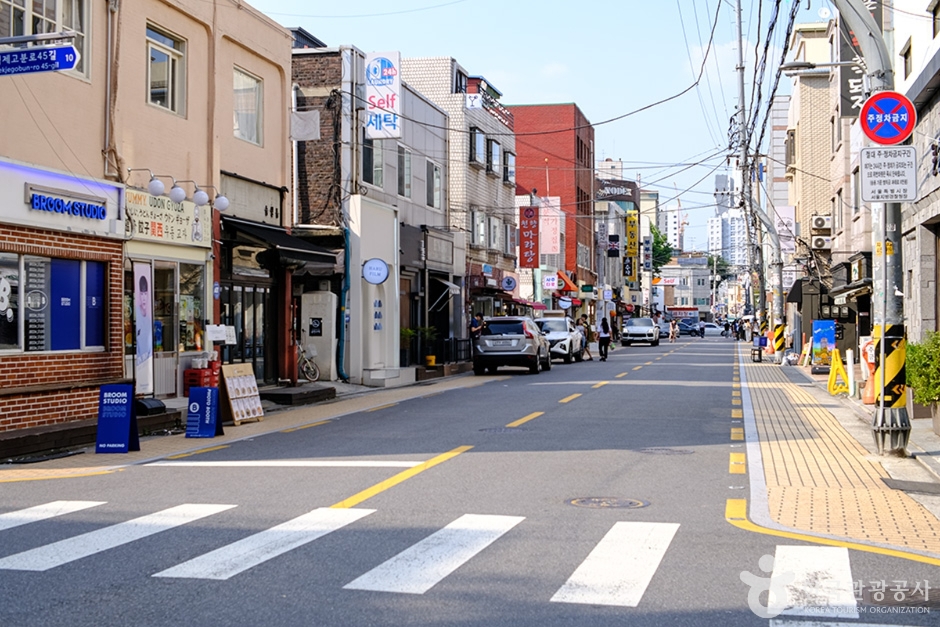
Songnidan-gil Street (송리단길)
5.5Km 2025-01-23
Baekjegobun-ro 43-gil, Songpa-gu, Seoul, and surrounding areas
Located south of the eastern side of Seokchon Lake, this street is home to numerous restaurants and cafes. Its name comes from the combination of Songpa-dong and Gyeongnidan-gil Street in Itaewon, Seoul, meaning the “Gyeongnidan-gil Street of Songpa-dong.” This street began as an otherwise unremarkable street that faced the eastern side of Seokchon Lake. Today’s “Songnidan-gil Street” came to be as cafes moved into the neighborhood, followed by restaurants and photography studios. Songnidan-gil Street is a popular hangout for young Seoulites in the southeastern side of Seoul, so on weekends, one can often find them conversing in cafes, going for drinks in bars, or waiting in line for the hottest restaurants in the neighborhood.
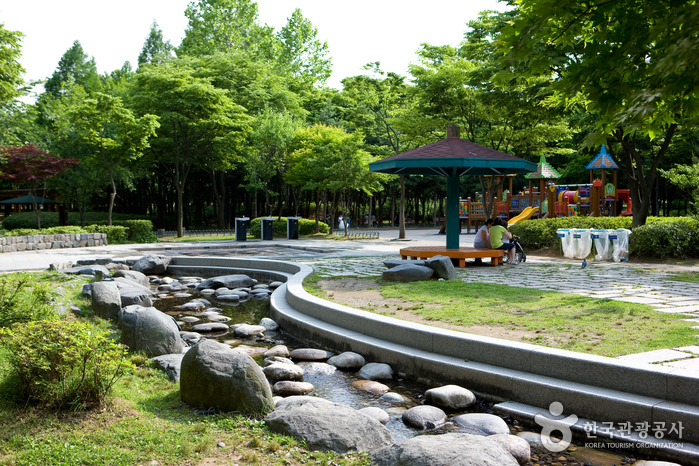
Maeheon Citizen's Forest (매헌시민의 숲)
5.5Km 2022-12-21
99, Maeheon-ro, Seocho-gu, Seoul
Maeheon Citizen's Forest, located near Yangjae Tollgate, was created in anticipation of the Seoul Asian Games in 1986 and the 24th Olympic Games in 1988. The forest provides a scenic habitat for 94,800 trees of 43 different species including pine, zelkova, purple bloom maple, horse chestnut, and nut pine. These trees are rarely seen in cities and the park is a popular date spot for couples. In the fall, the trees in the park bear an abundance of persimmons and quinces.
Amenities and facilities include an outdoor wedding hall, walking course, basketball court, volleyball court (also used for foot volleyball), tennis court, barefoot walking path, and outdoor workout equipment. Memorial sites and monuments like the memorial of Patriot Yun Bong-Gil can also be found scattered throughout the park grounds.
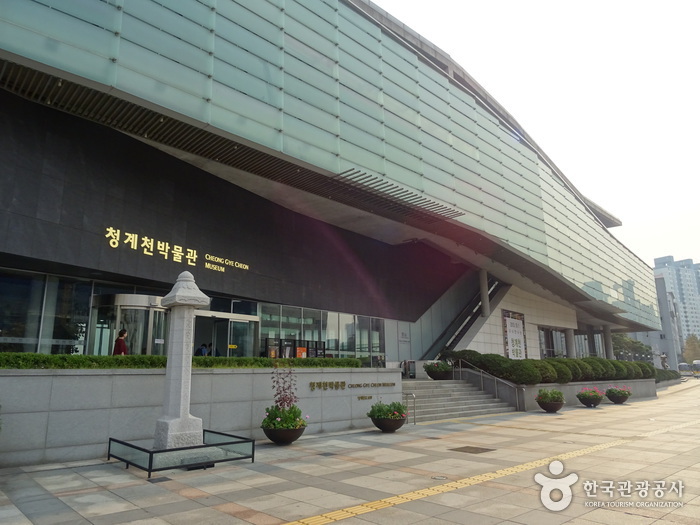
Cheonggyecheon Museum (청계천박물관)
5.6Km 2021-11-02
530, Cheonggyecheon-ro, Seongdong-gu, Seoul
Cheonggyecheon Museum officially opened in October 2005. The museum’s long, glass exterior represents the flowing waters of Cheonggyecheon Stream, which runs through the heart of Seoul. The museum has a permanent exhibition hall, special exhibition hall, educational hall, and an auditorium. The museum contains visual representations of Seoul before and after the transition of Cheonggyecheon Stream. The permanent exhibition hall was remodeled in October 2015, and now offers even more ways to view the history of Seoul as shaped by Cheonggyecheon Stream.
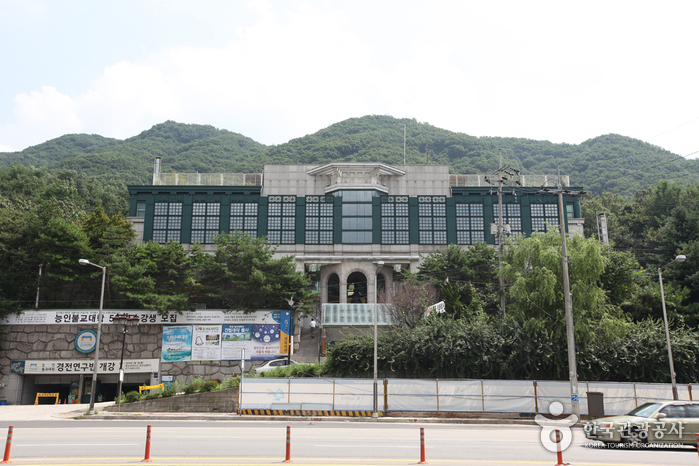
Nungin Sunwon (능인선원)
5.6Km 2024-03-20
340 Yangjae-daero, Gangnam-gu, Seoul
Nungin Sunwon, nestled at the base of Guryongsan Mountain, is named after another name of Buddha, Sakyamuni, signifying "the one who skillfully educates and benefits others." This temple complex includes several key structures: the Daeungjeon Hall, the Dharma Hall, the Gwaneumjeon Hall, and the resplendent Great Bhaisajyaguru, known for its golden glow. Additionally, the site houses a Buddhist university, providing a range of programs that cover basic to advanced Buddhist studies.
 English
 한국어
한국어 日本語
日本語 中文(简体)
 Deutsch
 Français
 Español
 Русский


